
Stop overthinking and start doing
Stuck in a 'what if' loop? Discover why over-analyzing is just problem-solving gone wrong and how to shift your mindset to take decisive action.

Best quote from Stop overthinking and start doing
Action is actually a form of information gathering that analysis can never replicate. The goal isn't to be right the first time; the goal is to be less wrong every time you iterate.

This audio lesson was created by a BeFreed community member
What if we just do? What we ca learn from past

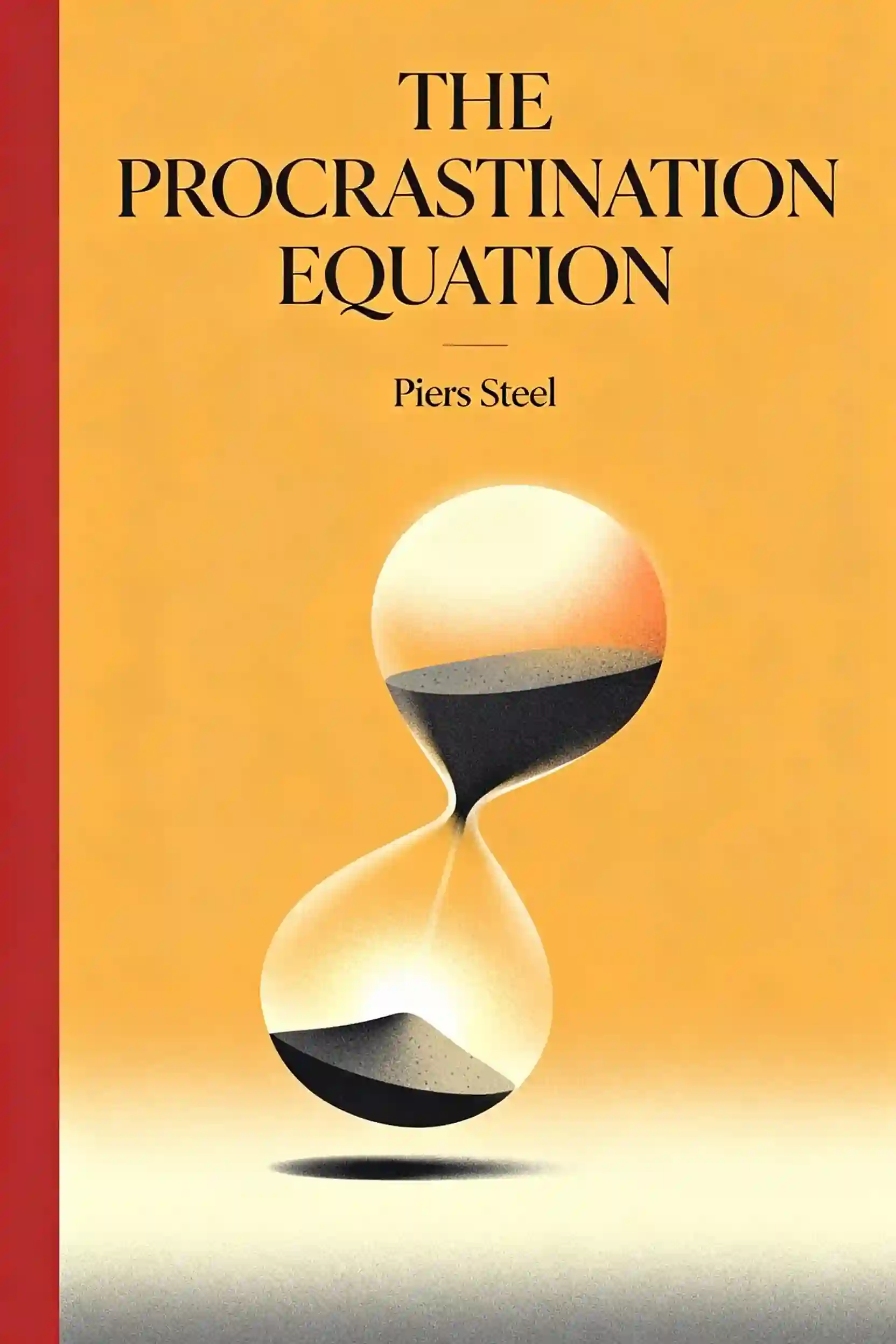
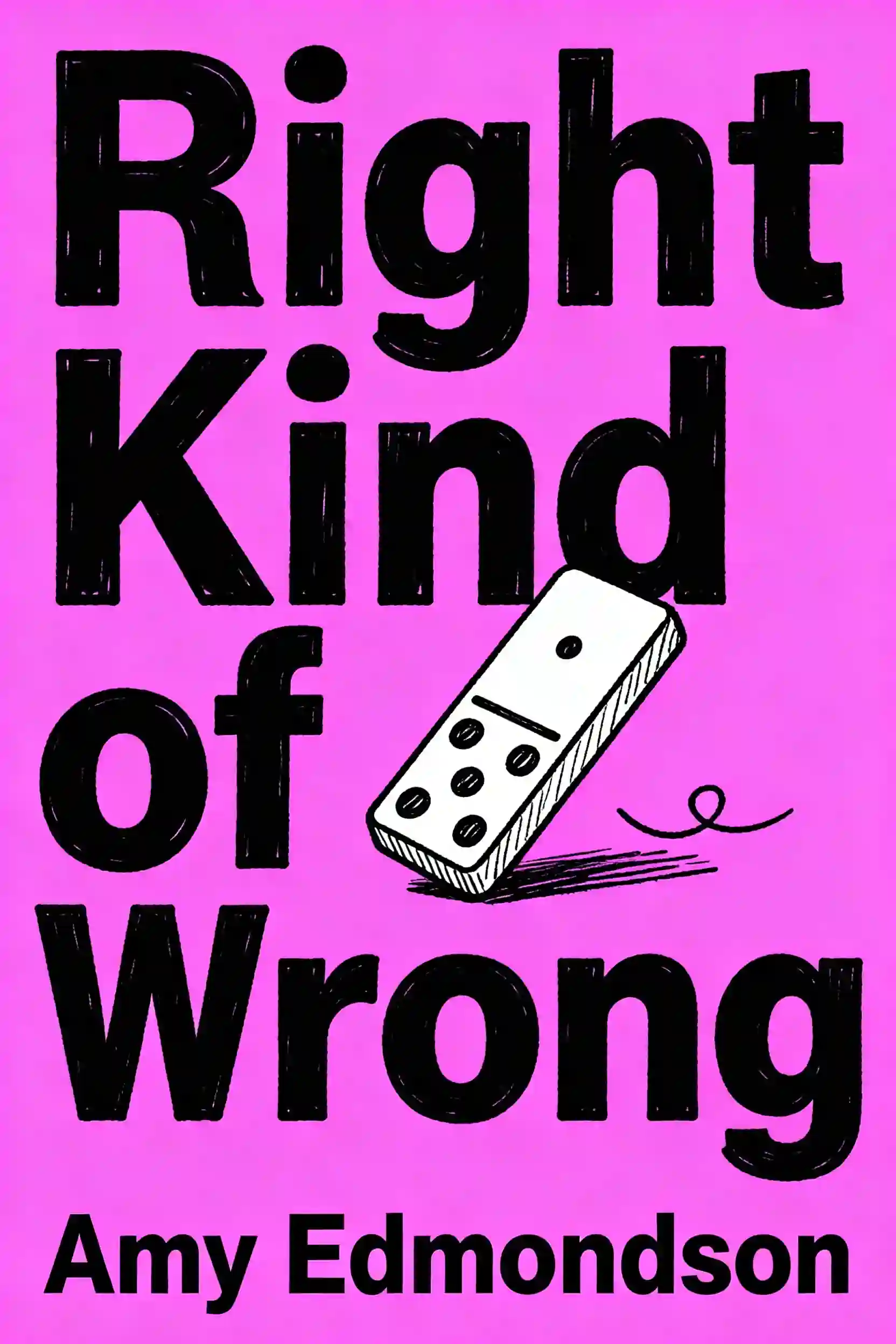
Frequently Asked Questions
We often mistake rumination for cautious, high-level problem solving, but it is actually a biological "safety system" misfiring. While we believe we are being responsible by analyzing every variable, we are actually hitting a cognitive bandwidth limit known as Miller’s Law, which states the working memory can only hold four to seven chunks of information at once. When we exceed this limit, the prefrontal cortex shuts down and hands control to the amygdala, shifting our state from logical planning to a "freeze" response that views decision-making as a mortal threat.
The 70% Rule is a strategy used by leaders like Jeff Bezos to combat the "Perfect Information Fallacy," which is the false belief that one more data point will eventually eliminate all uncertainty. The rule suggests that most decisions should be made once you have gathered about 70% of the information you wish you had. Waiting for 90% or more usually results in being too slow, as the extra time spent researching provides diminishing returns while the world and market continue to change around you.
Maximizers are individuals who refuse to make a choice until they are certain they have found the absolute best possible option, often leading to increased regret and anxiety because they remain aware of all the alternatives they "lost." In contrast, Satisficers set clear criteria for what is "good enough" and commit to the first option that meets those requirements. Research shows that while Maximizers might occasionally get better objective results, Satisficers are significantly happier and less prone to depression because they free up cognitive bandwidth and avoid dwelling on paths not taken.
A "two-way door" decision is a reversible action, such as testing a new website feature or trying a new hobby, where the cost of failure is low and you can easily pivot back to your original state. A "one-way door" is a high-stakes, irreversible decision that requires more careful deliberation. Most daily anxieties stem from treating two-way doors as if they are made of reinforced steel; recognizing that a decision is reversible allows for a "bias to action," where you prioritize moving fast and learning through doing.
Choosing not to act is not a neutral or safe choice; it is a "sacrifice of momentum" that incurs an opportunity cost. Biologically, chronic indecision keeps the body in a state of persistent low-level stress, marinating the brain in cortisol. Over time, this stress hormone can physically degrade the prefrontal cortex and strengthen the amygdala, making "freeze" the default response to future challenges. Professionally, waiting to act prevents the compounding interest of learning, meaning you lose out on the expertise that comes from small, iterative failures.
Discover more

Stop Overthinking and Take Action
Stop Overthinking and Take Action
Overthinking traps millions in endless loops of analysis that prevent meaningful progress and cause unnecessary stress. This learning plan equips anyone struggling with decision paralysis or procrastination with practical tools to break free from mental gridlock and take consistent, purposeful action.

Mastering Anxiety: Stop Ov...
Mastering Anxiety: Stop Ov...
The Anxiety Freedom Masterclass: How to Stop Overthinking Everything offers a structured approach to dismantling anxiety loops through practical, evidence-based techniques. By understanding the formation of anxiety loops and cognitive distortions, individuals can learn to interrupt worry spirals and practice mindfulness to observe thoughts without attachment. The program emphasizes building new habits over 63 days, reframing anxiety as useful information, and applying these skills in real-world scenarios to reduce overthinking and enhance decision-making.
Build confidence, bravery, and decisiveness
Build confidence, bravery, and decisiveness
This plan is essential for professionals and individuals stalled by overthinking or a lack of self-belief. It provides a structured path to transition from passive hesitation to proactive, decisive leadership by addressing the root causes of fear.
Be more confident in my decision making
Be more confident in my decision making
This plan is essential for professionals who feel paralyzed by overthinking or struggle to defend their choices. It is designed for emerging leaders and individual contributors who want to transition from hesitation to decisive, executive-level action.

Strengthen My Mindset
Strengthen My Mindset
This plan is essential for anyone feeling held back by self-doubt or rigid thinking patterns. It provides a roadmap for professionals and individuals to rewire their cognitive habits, turning mental barriers into fuel for peak performance and long-term resilience.
Think less, live more
Think less, live more
This learning plan is designed for anyone trapped in cycles of overthinking, anxiety, and mental rumination that prevents them from fully experiencing life. It's particularly valuable for high-achievers, perfectionists, and chronic worriers who want to shift from constant mental analysis to present-moment engagement and authentic living.

To overcome
To overcome
This plan is essential for anyone feeling paralyzed by uncertainty or stuck in a cycle of avoidance. It provides a roadmap for professionals and individuals to transform fear into a catalyst for growth by building mental toughness and sustainable habits.
Act, finish projects vs endless exploration
Act, finish projects vs endless exploration
This learning plan is designed for chronic overthinkers, perfectionists, and perpetual planners who struggle to move from ideas to execution. It's ideal for entrepreneurs, creatives, and professionals who have notebooks full of brilliant concepts but few completed projects, and who recognize that their tendency to endlessly research and refine is holding them back from real progress and results.
From Columbia University alumni built in San Francisco
"Instead of endless scrolling, I just hit play on BeFreed. It saves me so much time."


"I never knew where to start with nonfiction—BeFreed’s book lists turned into podcasts gave me a clear path."


"Perfect balance between learning and entertainment. Finished ‘Thinking, Fast and Slow’ on my commute this week."
"Crazy how much I learned while walking the dog. BeFreed = small habits → big gains."
"Reading used to feel like a chore. Now it’s just part of my lifestyle."

"Feels effortless compared to reading. I’ve finished 6 books this month already."
"BeFreed turned my guilty doomscrolling into something that feels productive and inspiring."

"BeFreed turned my commute into learning time. 20-min podcasts are perfect for finishing books I never had time for."
"BeFreed replaced my podcast queue. Imagine Spotify for books — that’s it. 🙌"

"It is great for me to learn something from the book without reading it."
"The themed book list podcasts help me connect ideas across authors—like a guided audio journey."
"Makes me feel smarter every time before going to work"
From Columbia University alumni built in San Francisco
"Instead of endless scrolling, I just hit play on BeFreed. It saves me so much time."
"I never knew where to start with nonfiction—BeFreed’s book lists turned into podcasts gave me a clear path."
"Perfect balance between learning and entertainment. Finished ‘Thinking, Fast and Slow’ on my commute this week."
"Crazy how much I learned while walking the dog. BeFreed = small habits → big gains."
"Reading used to feel like a chore. Now it’s just part of my lifestyle."
"Feels effortless compared to reading. I’ve finished 6 books this month already."
"BeFreed turned my guilty doomscrolling into something that feels productive and inspiring."
"BeFreed turned my commute into learning time. 20-min podcasts are perfect for finishing books I never had time for."
"BeFreed replaced my podcast queue. Imagine Spotify for books — that’s it. 🙌"
"It is great for me to learn something from the book without reading it."
"The themed book list podcasts help me connect ideas across authors—like a guided audio journey."
"Makes me feel smarter every time before going to work"
"Instead of endless scrolling, I just hit play on BeFreed. It saves me so much time."
"I never knew where to start with nonfiction—BeFreed’s book lists turned into podcasts gave me a clear path."
"Perfect balance between learning and entertainment. Finished ‘Thinking, Fast and Slow’ on my commute this week."
"Crazy how much I learned while walking the dog. BeFreed = small habits → big gains."
"Reading used to feel like a chore. Now it’s just part of my lifestyle."
"Feels effortless compared to reading. I’ve finished 6 books this month already."
"BeFreed turned my guilty doomscrolling into something that feels productive and inspiring."
"BeFreed turned my commute into learning time. 20-min podcasts are perfect for finishing books I never had time for."
"BeFreed replaced my podcast queue. Imagine Spotify for books — that’s it. 🙌"
"It is great for me to learn something from the book without reading it."
"The themed book list podcasts help me connect ideas across authors—like a guided audio journey."
"Makes me feel smarter every time before going to work"
"Instead of endless scrolling, I just hit play on BeFreed. It saves me so much time."
"I never knew where to start with nonfiction—BeFreed’s book lists turned into podcasts gave me a clear path."
"Perfect balance between learning and entertainment. Finished ‘Thinking, Fast and Slow’ on my commute this week."
"Crazy how much I learned while walking the dog. BeFreed = small habits → big gains."
"Reading used to feel like a chore. Now it’s just part of my lifestyle."
"Feels effortless compared to reading. I’ve finished 6 books this month already."
"BeFreed turned my guilty doomscrolling into something that feels productive and inspiring."
"BeFreed turned my commute into learning time. 20-min podcasts are perfect for finishing books I never had time for."
"BeFreed replaced my podcast queue. Imagine Spotify for books — that’s it. 🙌"
"It is great for me to learn something from the book without reading it."
"The themed book list podcasts help me connect ideas across authors—like a guided audio journey."
"Makes me feel smarter every time before going to work"


