
Break the Overthinking Loop
Discover how to escape the mental trap that keeps you spinning in circles. Learn practical 60-second techniques to stop overthinking and start taking action on decisions that matter.

Best quote from Break the Overthinking Loop
Overthinking feels productive because it tricks us into believing we're making progress when we're actually just avoiding action. The goal is to find the sweet spot where you can think deeply when it serves you and trust your intuition when it's time to move forward.

This audio lesson was created by a BeFreed community member
I want to reduce overthinking and procrastination

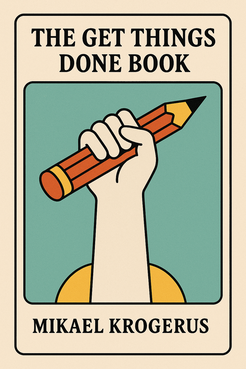
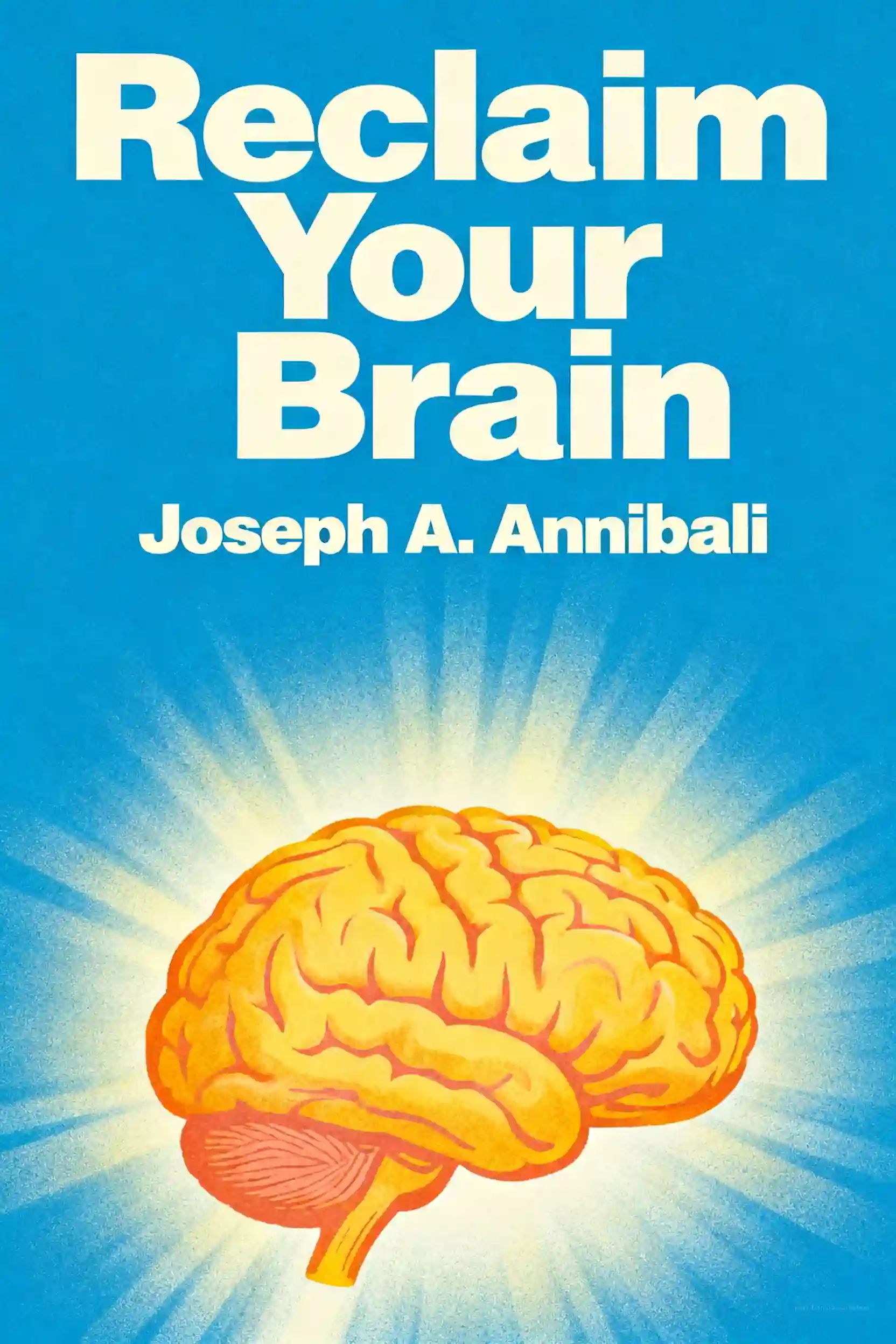
Discover more

Stop Overthinking and Take Action
Stop Overthinking and Take Action
Overthinking traps millions in endless loops of analysis that prevent meaningful progress and cause unnecessary stress. This learning plan equips anyone struggling with decision paralysis or procrastination with practical tools to break free from mental gridlock and take consistent, purposeful action.

Mastering Anxiety: Stop Ov...
Mastering Anxiety: Stop Ov...
The Anxiety Freedom Masterclass: How to Stop Overthinking Everything offers a structured approach to dismantling anxiety loops through practical, evidence-based techniques. By understanding the formation of anxiety loops and cognitive distortions, individuals can learn to interrupt worry spirals and practice mindfulness to observe thoughts without attachment. The program emphasizes building new habits over 63 days, reframing anxiety as useful information, and applying these skills in real-world scenarios to reduce overthinking and enhance decision-making.

Take control of whats in my head
Take control of whats in my head
In an era of constant distraction and mental fatigue, mastering your internal narrative is the ultimate competitive advantage. This plan is designed for high-performers and anyone feeling overwhelmed by intrusive thoughts, providing the cognitive tools necessary to reclaim focus and emotional stability.

Break habits and attachments to stay focused
Break habits and attachments to stay focused
In an era of constant distraction, the ability to detach from limiting patterns is a competitive advantage. This plan is designed for professionals and creatives who want to move beyond brute-force willpower to achieve high-level focus through behavioral science and mindful detachment.
Break procrastination loop as college student
Break procrastination loop as college student
This plan is designed for college students who struggle with chronic delays and the stress of looming deadlines. It moves beyond generic time management by addressing the emotional roots of avoidance and providing practical systems for academic excellence.

Think less, live more
Think less, live more
This learning plan is designed for anyone trapped in cycles of overthinking, anxiety, and mental rumination that prevents them from fully experiencing life. It's particularly valuable for high-achievers, perfectionists, and chronic worriers who want to shift from constant mental analysis to present-moment engagement and authentic living.

To overcome
To overcome
This plan is essential for anyone feeling paralyzed by uncertainty or stuck in a cycle of avoidance. It provides a roadmap for professionals and individuals to transform fear into a catalyst for growth by building mental toughness and sustainable habits.
Act, finish projects vs endless exploration
Act, finish projects vs endless exploration
This learning plan is designed for chronic overthinkers, perfectionists, and perpetual planners who struggle to move from ideas to execution. It's ideal for entrepreneurs, creatives, and professionals who have notebooks full of brilliant concepts but few completed projects, and who recognize that their tendency to endlessly research and refine is holding them back from real progress and results.
From Columbia University alumni built in San Francisco
"Instead of endless scrolling, I just hit play on BeFreed. It saves me so much time."


"I never knew where to start with nonfiction—BeFreed’s book lists turned into podcasts gave me a clear path."


"Perfect balance between learning and entertainment. Finished ‘Thinking, Fast and Slow’ on my commute this week."
"Crazy how much I learned while walking the dog. BeFreed = small habits → big gains."
"Reading used to feel like a chore. Now it’s just part of my lifestyle."

"Feels effortless compared to reading. I’ve finished 6 books this month already."
"BeFreed turned my guilty doomscrolling into something that feels productive and inspiring."

"BeFreed turned my commute into learning time. 20-min podcasts are perfect for finishing books I never had time for."
"BeFreed replaced my podcast queue. Imagine Spotify for books — that’s it. 🙌"

"It is great for me to learn something from the book without reading it."
"The themed book list podcasts help me connect ideas across authors—like a guided audio journey."
"Makes me feel smarter every time before going to work"
From Columbia University alumni built in San Francisco
"Instead of endless scrolling, I just hit play on BeFreed. It saves me so much time."
"I never knew where to start with nonfiction—BeFreed’s book lists turned into podcasts gave me a clear path."
"Perfect balance between learning and entertainment. Finished ‘Thinking, Fast and Slow’ on my commute this week."
"Crazy how much I learned while walking the dog. BeFreed = small habits → big gains."
"Reading used to feel like a chore. Now it’s just part of my lifestyle."
"Feels effortless compared to reading. I’ve finished 6 books this month already."
"BeFreed turned my guilty doomscrolling into something that feels productive and inspiring."
"BeFreed turned my commute into learning time. 20-min podcasts are perfect for finishing books I never had time for."
"BeFreed replaced my podcast queue. Imagine Spotify for books — that’s it. 🙌"
"It is great for me to learn something from the book without reading it."
"The themed book list podcasts help me connect ideas across authors—like a guided audio journey."
"Makes me feel smarter every time before going to work"
"Instead of endless scrolling, I just hit play on BeFreed. It saves me so much time."
"I never knew where to start with nonfiction—BeFreed’s book lists turned into podcasts gave me a clear path."
"Perfect balance between learning and entertainment. Finished ‘Thinking, Fast and Slow’ on my commute this week."
"Crazy how much I learned while walking the dog. BeFreed = small habits → big gains."
"Reading used to feel like a chore. Now it’s just part of my lifestyle."
"Feels effortless compared to reading. I’ve finished 6 books this month already."
"BeFreed turned my guilty doomscrolling into something that feels productive and inspiring."
"BeFreed turned my commute into learning time. 20-min podcasts are perfect for finishing books I never had time for."
"BeFreed replaced my podcast queue. Imagine Spotify for books — that’s it. 🙌"
"It is great for me to learn something from the book without reading it."
"The themed book list podcasts help me connect ideas across authors—like a guided audio journey."
"Makes me feel smarter every time before going to work"
"Instead of endless scrolling, I just hit play on BeFreed. It saves me so much time."
"I never knew where to start with nonfiction—BeFreed’s book lists turned into podcasts gave me a clear path."
"Perfect balance between learning and entertainment. Finished ‘Thinking, Fast and Slow’ on my commute this week."
"Crazy how much I learned while walking the dog. BeFreed = small habits → big gains."
"Reading used to feel like a chore. Now it’s just part of my lifestyle."
"Feels effortless compared to reading. I’ve finished 6 books this month already."
"BeFreed turned my guilty doomscrolling into something that feels productive and inspiring."
"BeFreed turned my commute into learning time. 20-min podcasts are perfect for finishing books I never had time for."
"BeFreed replaced my podcast queue. Imagine Spotify for books — that’s it. 🙌"
"It is great for me to learn something from the book without reading it."
"The themed book list podcasts help me connect ideas across authors—like a guided audio journey."
"Makes me feel smarter every time before going to work"


