
Breaking Your Brain's Overthinking Trap
Discover why your brain is wired to overthink and learn science-backed techniques to break free from mental loops that keep you stuck analyzing instead of moving forward.

Best quote from Breaking Your Brain's Overthinking Trap
Overthinking is like having a smoke detector that's way too sensitive; it's trying to protect you, but it's going off every time you burn toast. You're not trying to disable the detector, you're just calibrating it to respond to actual fires instead of everyday cooking.

This audio lesson was created by a BeFreed community member
Overthinking

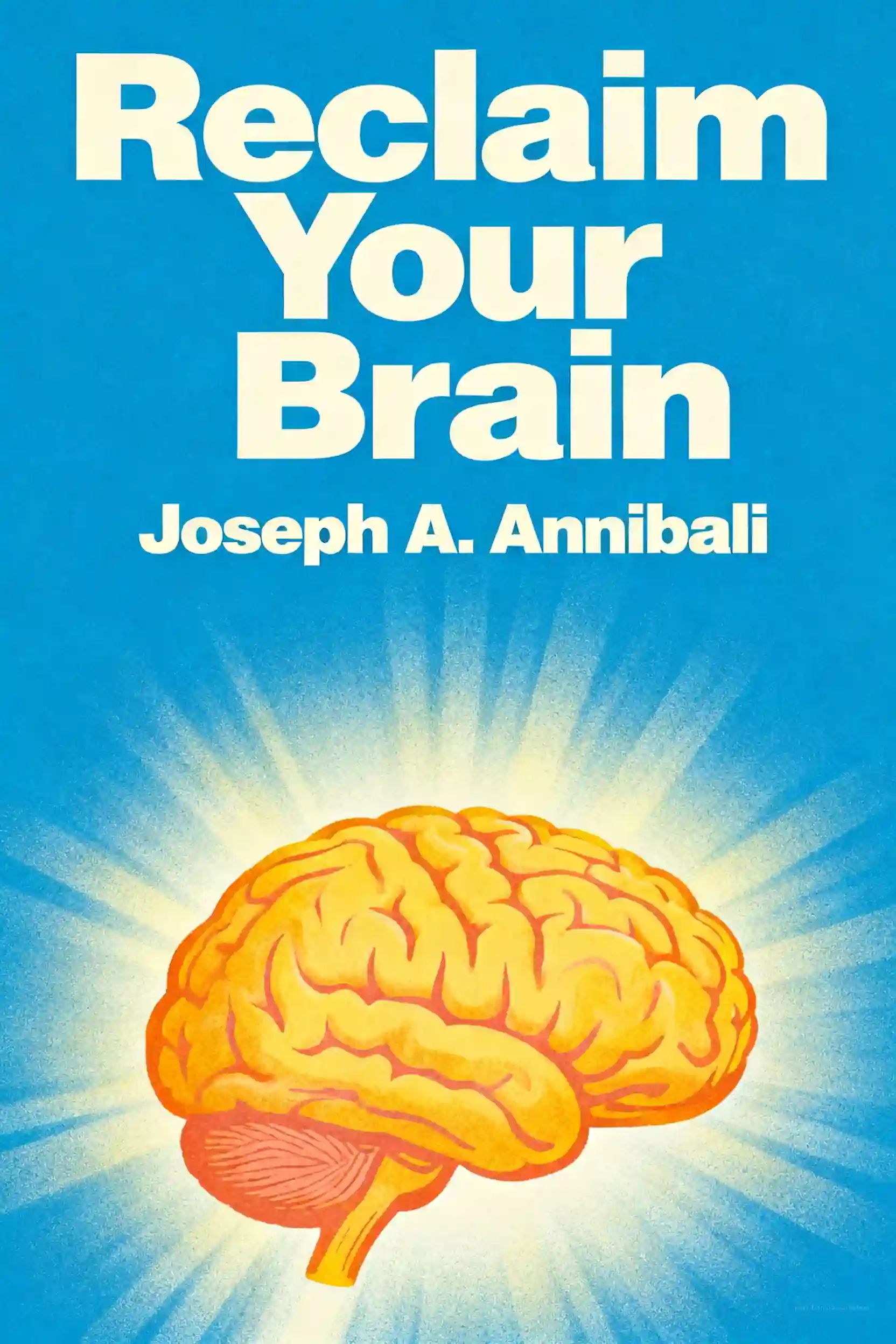
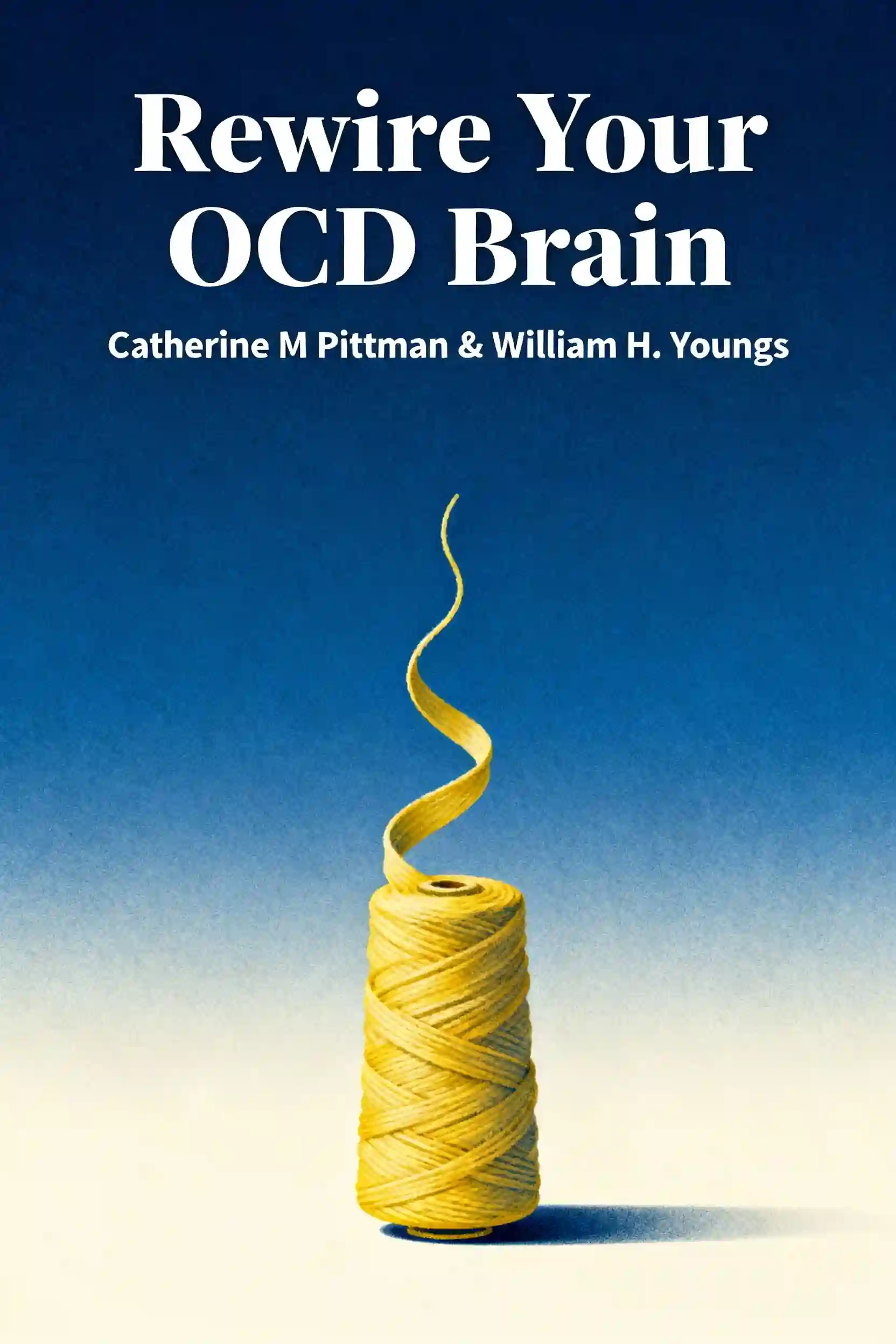
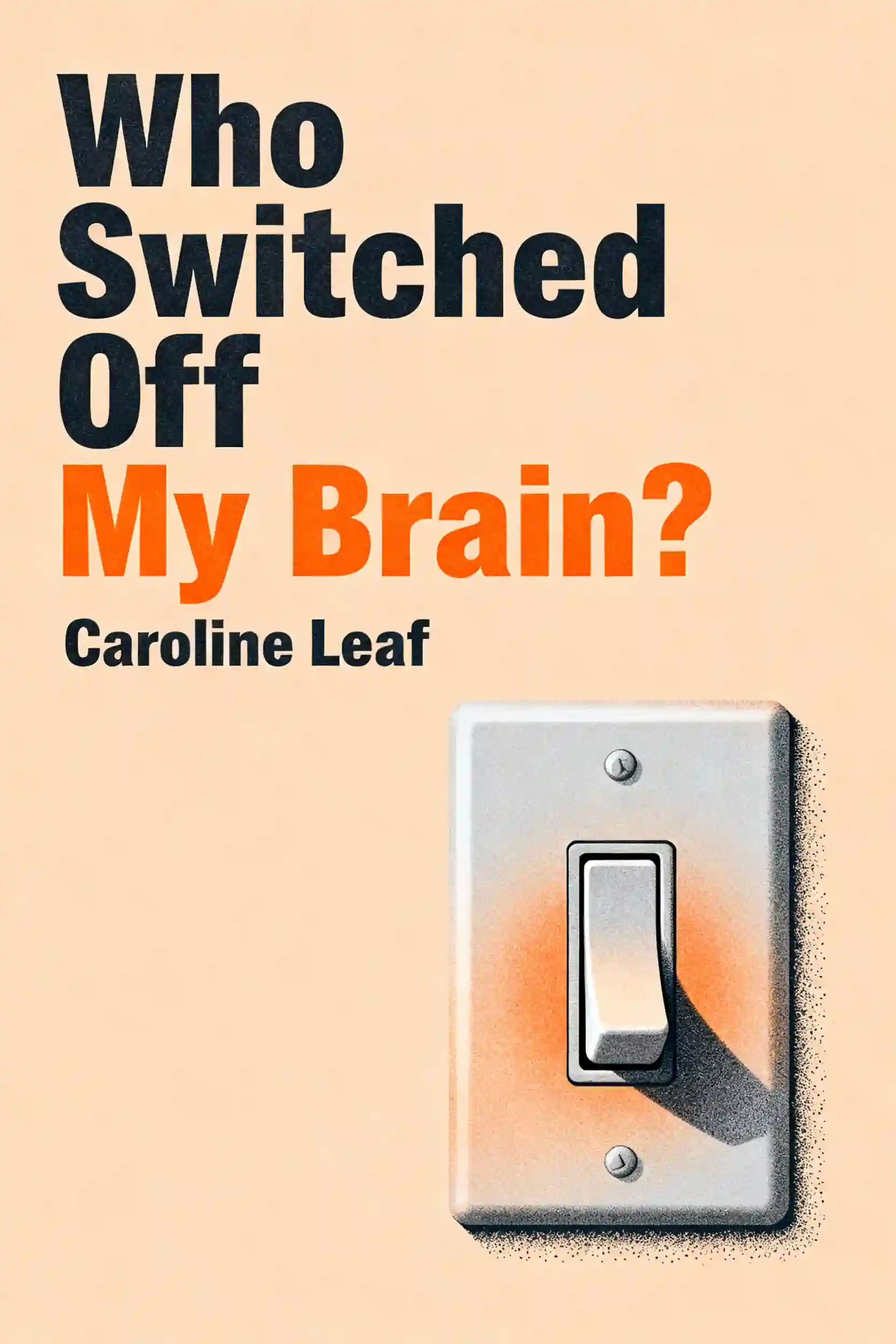
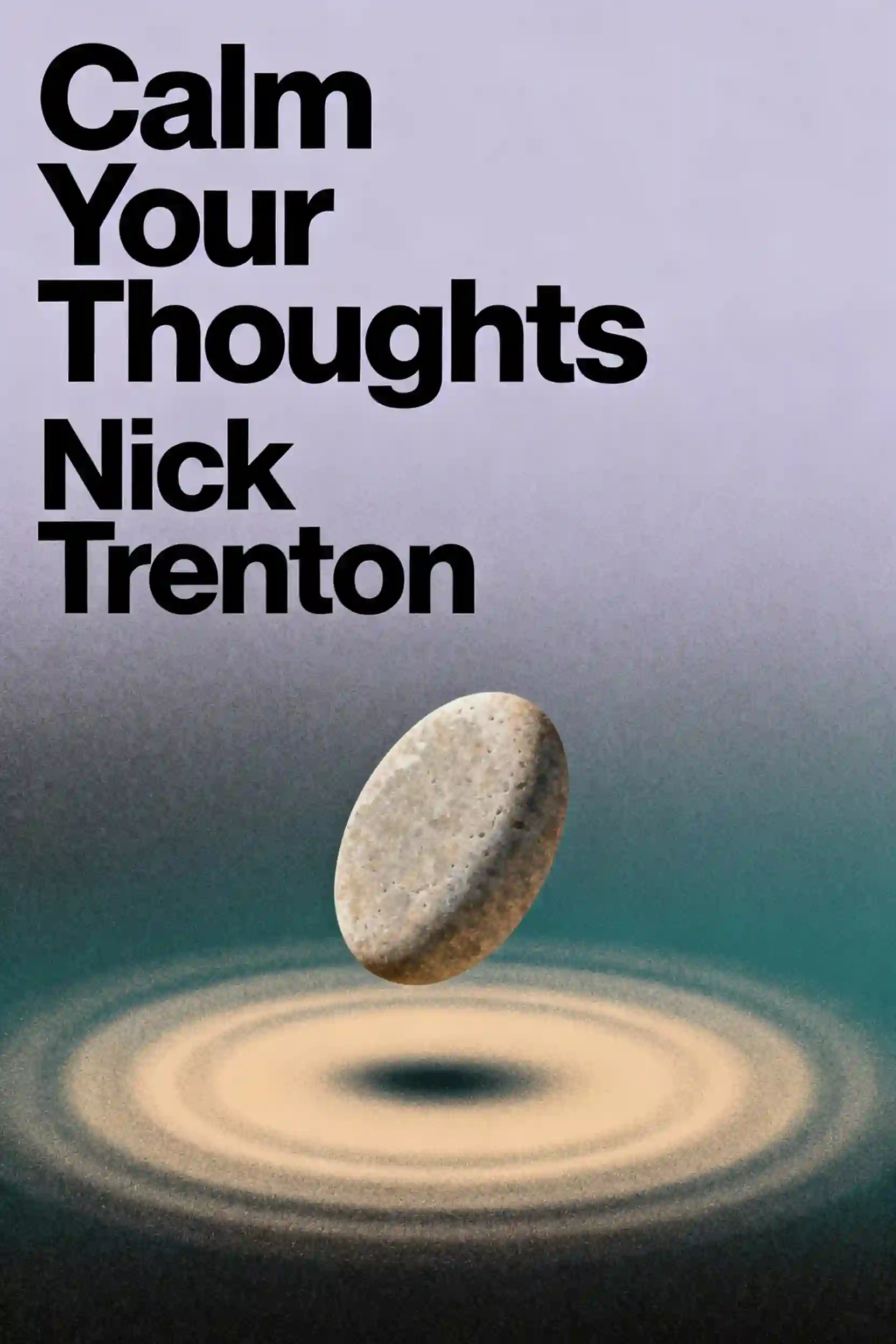
Discover more

Stop Overthinking and Take Action
Stop Overthinking and Take Action
Overthinking traps millions in endless loops of analysis that prevent meaningful progress and cause unnecessary stress. This learning plan equips anyone struggling with decision paralysis or procrastination with practical tools to break free from mental gridlock and take consistent, purposeful action.

To control my overthinking
To control my overthinking
Chronic overthinking can paralyze decision-making and increase stress levels. This plan is designed for anyone feeling trapped by their own mind, providing a clear path from neurological understanding to practical mindfulness and cognitive control.

Your Brain is Cooked: How to Unf*ck Your Brainrot
Breaking free from brainrot isn’t about willpower—it’s about understanding how overstimulation rewires your brain.
BeFreed Team

Catch brain sabotage patterns while learning
Catch brain sabotage patterns while learning
Many learners struggle with invisible mental barriers that stall their growth despite having the right resources. This plan is designed for students and professionals who want to master their psychology, dismantle perfectionism, and build a resilient system for rapid skill acquisition.

Mastering Anxiety: Stop Ov...
Mastering Anxiety: Stop Ov...
The Anxiety Freedom Masterclass: How to Stop Overthinking Everything offers a structured approach to dismantling anxiety loops through practical, evidence-based techniques. By understanding the formation of anxiety loops and cognitive distortions, individuals can learn to interrupt worry spirals and practice mindfulness to observe thoughts without attachment. The program emphasizes building new habits over 63 days, reframing anxiety as useful information, and applying these skills in real-world scenarios to reduce overthinking and enhance decision-making.

Strengthen My Mindset
Strengthen My Mindset
This plan is essential for anyone feeling held back by self-doubt or rigid thinking patterns. It provides a roadmap for professionals and individuals to rewire their cognitive habits, turning mental barriers into fuel for peak performance and long-term resilience.
Think less, live more
Think less, live more
This learning plan is designed for anyone trapped in cycles of overthinking, anxiety, and mental rumination that prevents them from fully experiencing life. It's particularly valuable for high-achievers, perfectionists, and chronic worriers who want to shift from constant mental analysis to present-moment engagement and authentic living.
Reprogramming my mind to shape my life
Reprogramming my mind to shape my life
This learning plan reveals how our thoughts and beliefs fundamentally shape our reality and provides science-backed methods to reprogram limiting mental patterns. It's ideal for anyone feeling stuck in negative thought cycles or seeking to align their mindset with their desired life outcomes.
From Columbia University alumni built in San Francisco
"Instead of endless scrolling, I just hit play on BeFreed. It saves me so much time."


"I never knew where to start with nonfiction—BeFreed’s book lists turned into podcasts gave me a clear path."


"Perfect balance between learning and entertainment. Finished ‘Thinking, Fast and Slow’ on my commute this week."
"Crazy how much I learned while walking the dog. BeFreed = small habits → big gains."
"Reading used to feel like a chore. Now it’s just part of my lifestyle."

"Feels effortless compared to reading. I’ve finished 6 books this month already."
"BeFreed turned my guilty doomscrolling into something that feels productive and inspiring."

"BeFreed turned my commute into learning time. 20-min podcasts are perfect for finishing books I never had time for."
"BeFreed replaced my podcast queue. Imagine Spotify for books — that’s it. 🙌"

"It is great for me to learn something from the book without reading it."
"The themed book list podcasts help me connect ideas across authors—like a guided audio journey."
"Makes me feel smarter every time before going to work"
From Columbia University alumni built in San Francisco
"Instead of endless scrolling, I just hit play on BeFreed. It saves me so much time."
"I never knew where to start with nonfiction—BeFreed’s book lists turned into podcasts gave me a clear path."
"Perfect balance between learning and entertainment. Finished ‘Thinking, Fast and Slow’ on my commute this week."
"Crazy how much I learned while walking the dog. BeFreed = small habits → big gains."
"Reading used to feel like a chore. Now it’s just part of my lifestyle."
"Feels effortless compared to reading. I’ve finished 6 books this month already."
"BeFreed turned my guilty doomscrolling into something that feels productive and inspiring."
"BeFreed turned my commute into learning time. 20-min podcasts are perfect for finishing books I never had time for."
"BeFreed replaced my podcast queue. Imagine Spotify for books — that’s it. 🙌"
"It is great for me to learn something from the book without reading it."
"The themed book list podcasts help me connect ideas across authors—like a guided audio journey."
"Makes me feel smarter every time before going to work"
"Instead of endless scrolling, I just hit play on BeFreed. It saves me so much time."
"I never knew where to start with nonfiction—BeFreed’s book lists turned into podcasts gave me a clear path."
"Perfect balance between learning and entertainment. Finished ‘Thinking, Fast and Slow’ on my commute this week."
"Crazy how much I learned while walking the dog. BeFreed = small habits → big gains."
"Reading used to feel like a chore. Now it’s just part of my lifestyle."
"Feels effortless compared to reading. I’ve finished 6 books this month already."
"BeFreed turned my guilty doomscrolling into something that feels productive and inspiring."
"BeFreed turned my commute into learning time. 20-min podcasts are perfect for finishing books I never had time for."
"BeFreed replaced my podcast queue. Imagine Spotify for books — that’s it. 🙌"
"It is great for me to learn something from the book without reading it."
"The themed book list podcasts help me connect ideas across authors—like a guided audio journey."
"Makes me feel smarter every time before going to work"
"Instead of endless scrolling, I just hit play on BeFreed. It saves me so much time."
"I never knew where to start with nonfiction—BeFreed’s book lists turned into podcasts gave me a clear path."
"Perfect balance between learning and entertainment. Finished ‘Thinking, Fast and Slow’ on my commute this week."
"Crazy how much I learned while walking the dog. BeFreed = small habits → big gains."
"Reading used to feel like a chore. Now it’s just part of my lifestyle."
"Feels effortless compared to reading. I’ve finished 6 books this month already."
"BeFreed turned my guilty doomscrolling into something that feels productive and inspiring."
"BeFreed turned my commute into learning time. 20-min podcasts are perfect for finishing books I never had time for."
"BeFreed replaced my podcast queue. Imagine Spotify for books — that’s it. 🙌"
"It is great for me to learn something from the book without reading it."
"The themed book list podcasts help me connect ideas across authors—like a guided audio journey."
"Makes me feel smarter every time before going to work"


