
Gospel of Thomas: Arguments for the Authentic Words of Jesus
Explore the arguments for the Gospel of Thomas as the authentic words of Christ. Dive into historical evidence, the Nag Hammadi discovery, and biblical research.

Best quote from Gospel of Thomas: Arguments for the Authentic Words of Jesus
The Gospel of Thomas isn't a single portrait; it's a composite sketch drawn by different communities over a hundred years, offering a choice between seeing it as a treasure chest of lost, raw wisdom or a creative, secondary remix of the Jesus story.

This audio lesson was created by a BeFreed community member
A lesson , the arguments for the Gospel of Thomas. What are the arguments that this is actually , the words of the Christ. Or are some of them more than others. Go down the rabbit hole. Can this be christs words? What are the best arguments for and against. And when did we get this text I full?

Frequently Asked Questions
The Gospel of Thomas is one of the most famous apocryphal texts discovered in the Nag Hammadi library in 1945. Unlike the canonical gospels, it consists of 114 sayings attributed to Jesus rather than a narrative of his life. It is significant to biblical archaeology and the study of the historical Jesus because it offers a different perspective on early Christian thought, leading scholars to debate whether these sayings represent an independent tradition or Gnostic reinterpretations.
Proponents of the text's authenticity argue that many sayings in the Gospel of Thomas mirror the parables found in the Synoptic Gospels but in a more primitive, less developed form. Some scholars suggest that this collection may predate the canonical gospels, potentially serving as a source similar to the hypothetical Q document. The lack of narrative framing suggests a very early tradition of collecting the words of Christ, which some believe captures his original voice more directly.
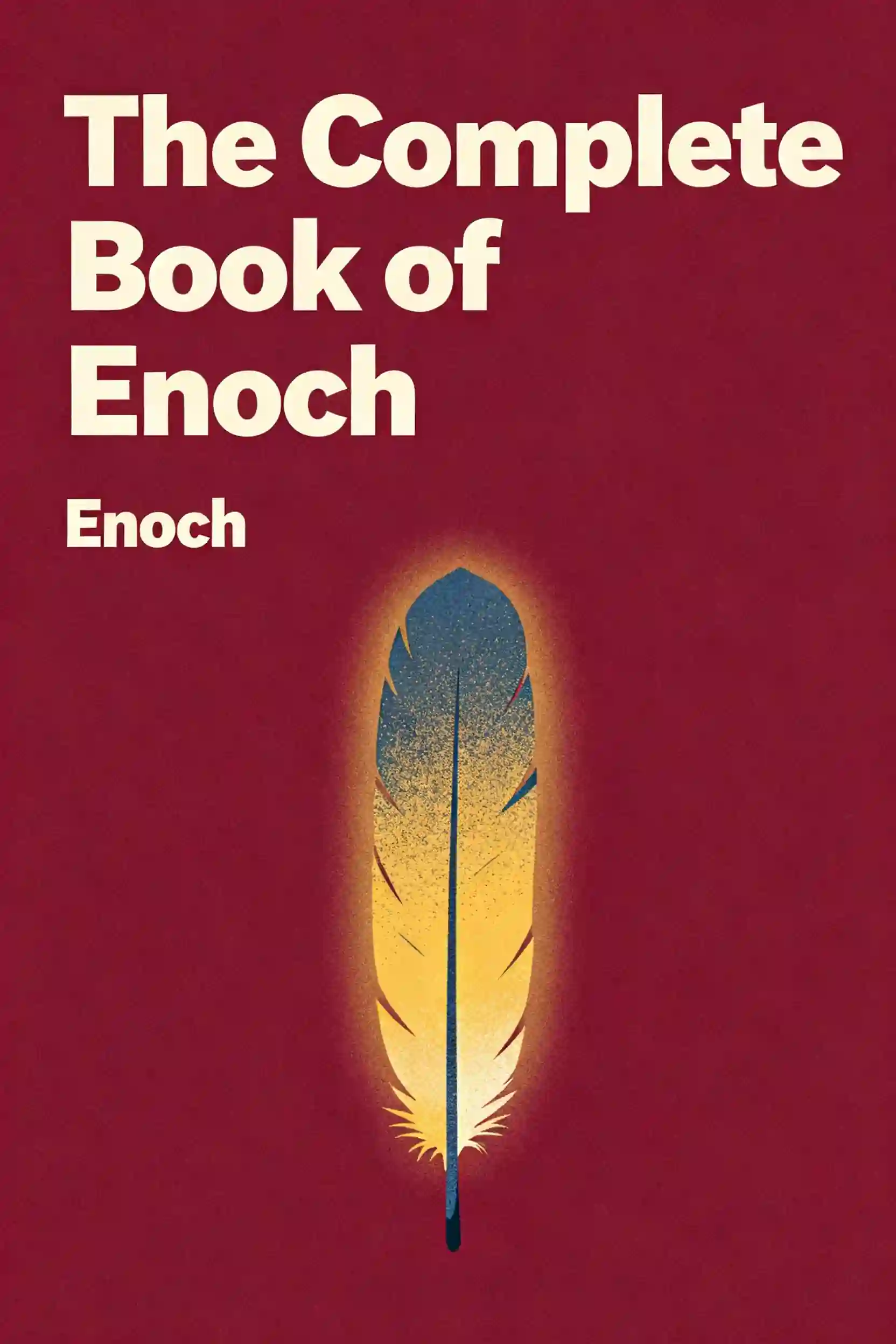
While small fragments of the text in Greek were known earlier from the Oxyrhynchus Papyri, the complete version was not found until 1945. It was part of the Nag Hammadi library, a collection of thirteen leather-bound vellum codices buried in Egypt. This discovery provided the first full Coptic translation of the text, allowing researchers to go down the rabbit hole of Gnostic gospels and compare the complete 114 sayings to traditional biblical scripture.
Critics argue that the Gospel of Thomas contains a strong Gnostic bias that reflects second-century theological developments rather than the first-century context of Jesus. Many scholars believe the text was composed later than the canonical gospels and may have been edited to promote hidden knowledge or 'gnosis' as the path to salvation. These detractors suggest that while some sayings may be authentic, the collection as a whole is an apocryphal work that diverges significantly from the historical Jesus.
Discover more

Jesus Christ son of God
Jesus Christ son of God
This learning plan offers a comprehensive exploration of Jesus Christ for seekers, new believers, and mature Christians wanting to deepen their faith. It bridges historical evidence, theological doctrine, and practical discipleship to provide both intellectual grounding and spiritual transformation. Perfect for anyone questioning who Jesus really was, seeking to understand Christian beliefs at a deeper level, or desiring to move beyond surface-level faith into authentic Christ-centered living.
Jesus
Jesus
This plan is essential for anyone seeking to bridge the gap between historical facts and spiritual practice. It benefits history enthusiasts and spiritual seekers alike by connecting Jesus's ancient teachings to modern-day application.

I want I learn more about Jesus
I want I learn more about Jesus
This plan provides a comprehensive bridge between historical research and personal spiritual application. It is ideal for anyone seeking to understand Jesus not just as a historical figure, but as a teacher whose message offers practical guidance for modern life.

Mark 1: Jesus’ Identity and Discipleship
Mark 1: Jesus’ Identity and Discipleship
This learning plan is essential for anyone seeking a deeper, more authentic connection with the historical and spiritual Jesus. It is designed for believers and seekers who want to move from theoretical knowledge to a life-changing practice of discipleship.

Master Gospel Preaching and Oratory skills.
Master Gospel Preaching and Oratory skills.
This plan is designed for aspiring ministers and church leaders seeking to bridge the gap between biblical knowledge and powerful delivery. It combines rigorous theology with practical oratory skills to help speakers communicate the gospel with clarity and conviction.
Get focused theology & alt history insights
Get focused theology & alt history insights
This learning plan bridges conventional religious study with alternative theological perspectives often overlooked in traditional education. It's ideal for critical thinkers seeking a more comprehensive understanding of religious history and those interested in exploring the complex relationship between established doctrine and alternative narratives.
Theological growth
Theological growth
Theological growth is essential for believers seeking to deepen their understanding of faith beyond surface-level engagement. This learning plan benefits both new Christians wanting to establish strong foundations and experienced believers looking to systematically develop their theological thinking and spiritual practice.

Bible storytelling for ministry & mission
Bible storytelling for ministry & mission
This learning plan is essential for pastors, missionaries, and ministry leaders seeking to bridge the gap between ancient scripture and contemporary culture. It provides the practical tools needed to communicate the Gospel through the timeless art of narrative, making faith more accessible and impactful.
From Columbia University alumni built in San Francisco
"Instead of endless scrolling, I just hit play on BeFreed. It saves me so much time."


"I never knew where to start with nonfiction—BeFreed’s book lists turned into podcasts gave me a clear path."


"Perfect balance between learning and entertainment. Finished ‘Thinking, Fast and Slow’ on my commute this week."
"Crazy how much I learned while walking the dog. BeFreed = small habits → big gains."
"Reading used to feel like a chore. Now it’s just part of my lifestyle."

"Feels effortless compared to reading. I’ve finished 6 books this month already."
"BeFreed turned my guilty doomscrolling into something that feels productive and inspiring."

"BeFreed turned my commute into learning time. 20-min podcasts are perfect for finishing books I never had time for."
"BeFreed replaced my podcast queue. Imagine Spotify for books — that’s it. 🙌"

"It is great for me to learn something from the book without reading it."
"The themed book list podcasts help me connect ideas across authors—like a guided audio journey."
"Makes me feel smarter every time before going to work"
From Columbia University alumni built in San Francisco
"Instead of endless scrolling, I just hit play on BeFreed. It saves me so much time."
"I never knew where to start with nonfiction—BeFreed’s book lists turned into podcasts gave me a clear path."
"Perfect balance between learning and entertainment. Finished ‘Thinking, Fast and Slow’ on my commute this week."
"Crazy how much I learned while walking the dog. BeFreed = small habits → big gains."
"Reading used to feel like a chore. Now it’s just part of my lifestyle."
"Feels effortless compared to reading. I’ve finished 6 books this month already."
"BeFreed turned my guilty doomscrolling into something that feels productive and inspiring."
"BeFreed turned my commute into learning time. 20-min podcasts are perfect for finishing books I never had time for."
"BeFreed replaced my podcast queue. Imagine Spotify for books — that’s it. 🙌"
"It is great for me to learn something from the book without reading it."
"The themed book list podcasts help me connect ideas across authors—like a guided audio journey."
"Makes me feel smarter every time before going to work"
"Instead of endless scrolling, I just hit play on BeFreed. It saves me so much time."
"I never knew where to start with nonfiction—BeFreed’s book lists turned into podcasts gave me a clear path."
"Perfect balance between learning and entertainment. Finished ‘Thinking, Fast and Slow’ on my commute this week."
"Crazy how much I learned while walking the dog. BeFreed = small habits → big gains."
"Reading used to feel like a chore. Now it’s just part of my lifestyle."
"Feels effortless compared to reading. I’ve finished 6 books this month already."
"BeFreed turned my guilty doomscrolling into something that feels productive and inspiring."
"BeFreed turned my commute into learning time. 20-min podcasts are perfect for finishing books I never had time for."
"BeFreed replaced my podcast queue. Imagine Spotify for books — that’s it. 🙌"
"It is great for me to learn something from the book without reading it."
"The themed book list podcasts help me connect ideas across authors—like a guided audio journey."
"Makes me feel smarter every time before going to work"
"Instead of endless scrolling, I just hit play on BeFreed. It saves me so much time."
"I never knew where to start with nonfiction—BeFreed’s book lists turned into podcasts gave me a clear path."
"Perfect balance between learning and entertainment. Finished ‘Thinking, Fast and Slow’ on my commute this week."
"Crazy how much I learned while walking the dog. BeFreed = small habits → big gains."
"Reading used to feel like a chore. Now it’s just part of my lifestyle."
"Feels effortless compared to reading. I’ve finished 6 books this month already."
"BeFreed turned my guilty doomscrolling into something that feels productive and inspiring."
"BeFreed turned my commute into learning time. 20-min podcasts are perfect for finishing books I never had time for."
"BeFreed replaced my podcast queue. Imagine Spotify for books — that’s it. 🙌"
"It is great for me to learn something from the book without reading it."
"The themed book list podcasts help me connect ideas across authors—like a guided audio journey."
"Makes me feel smarter every time before going to work"


