
Gospel history and why the stories don't always match
The Gospels weren't written by eyewitnesses, leading to major historical contradictions. Explore why these discrepancies exist and what they reveal.

Best quote from Gospel history and why the stories don't always match
The Gospels aren't trying to be history in the way we understand it today—they are theological portraits where the contradictions actually become your best friends because they show you what the authors cared about most.

This audio lesson was created by a BeFreed community member
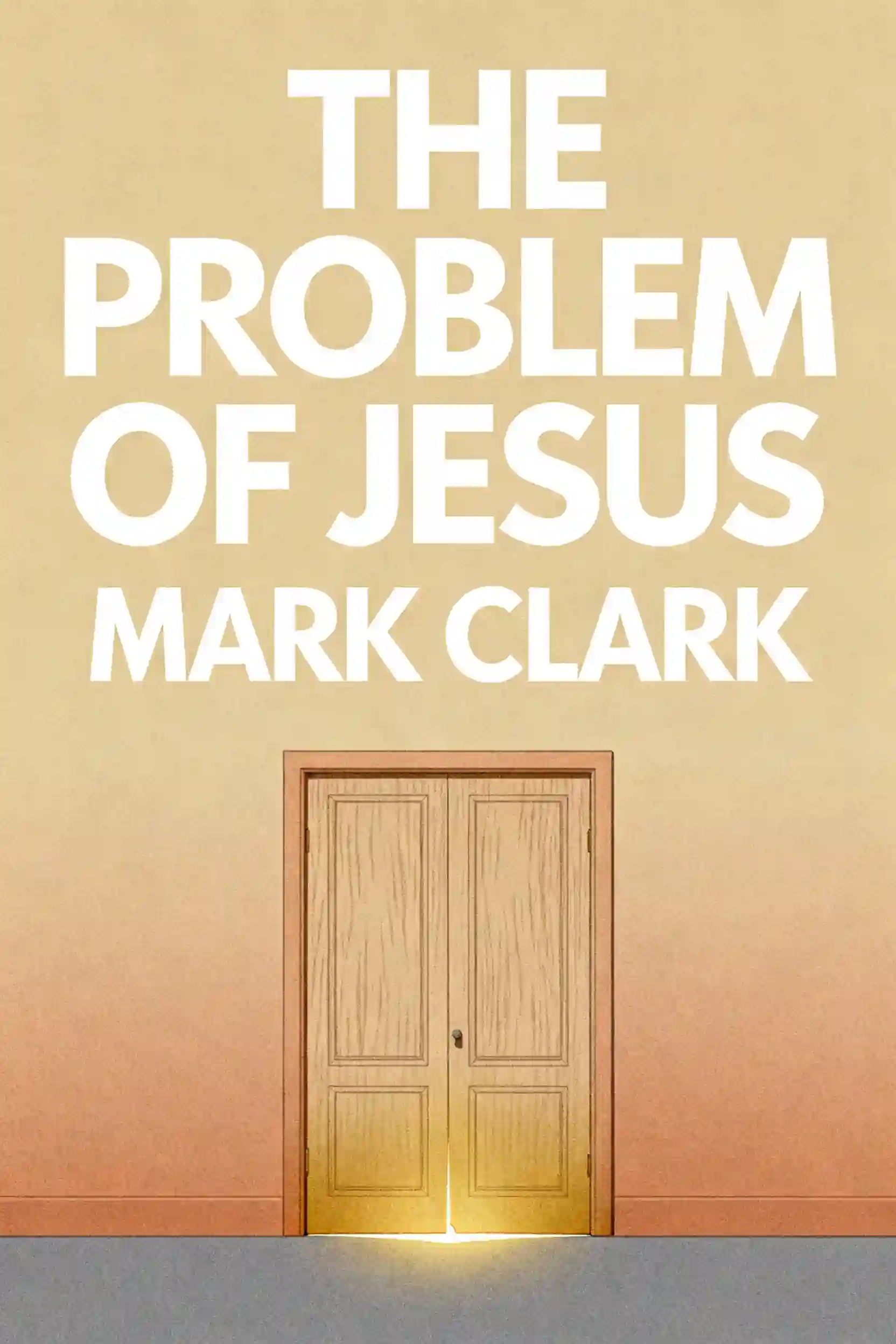
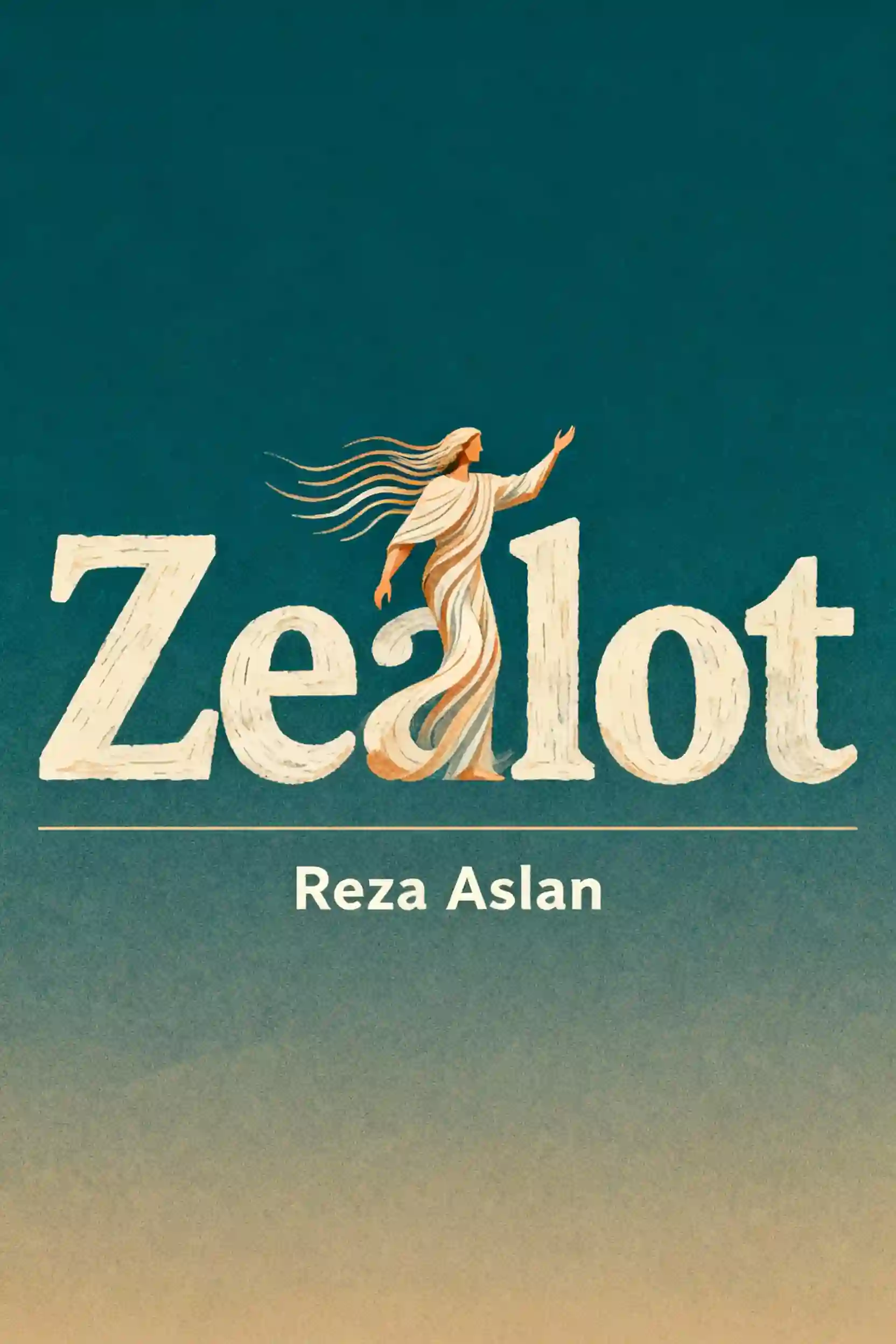
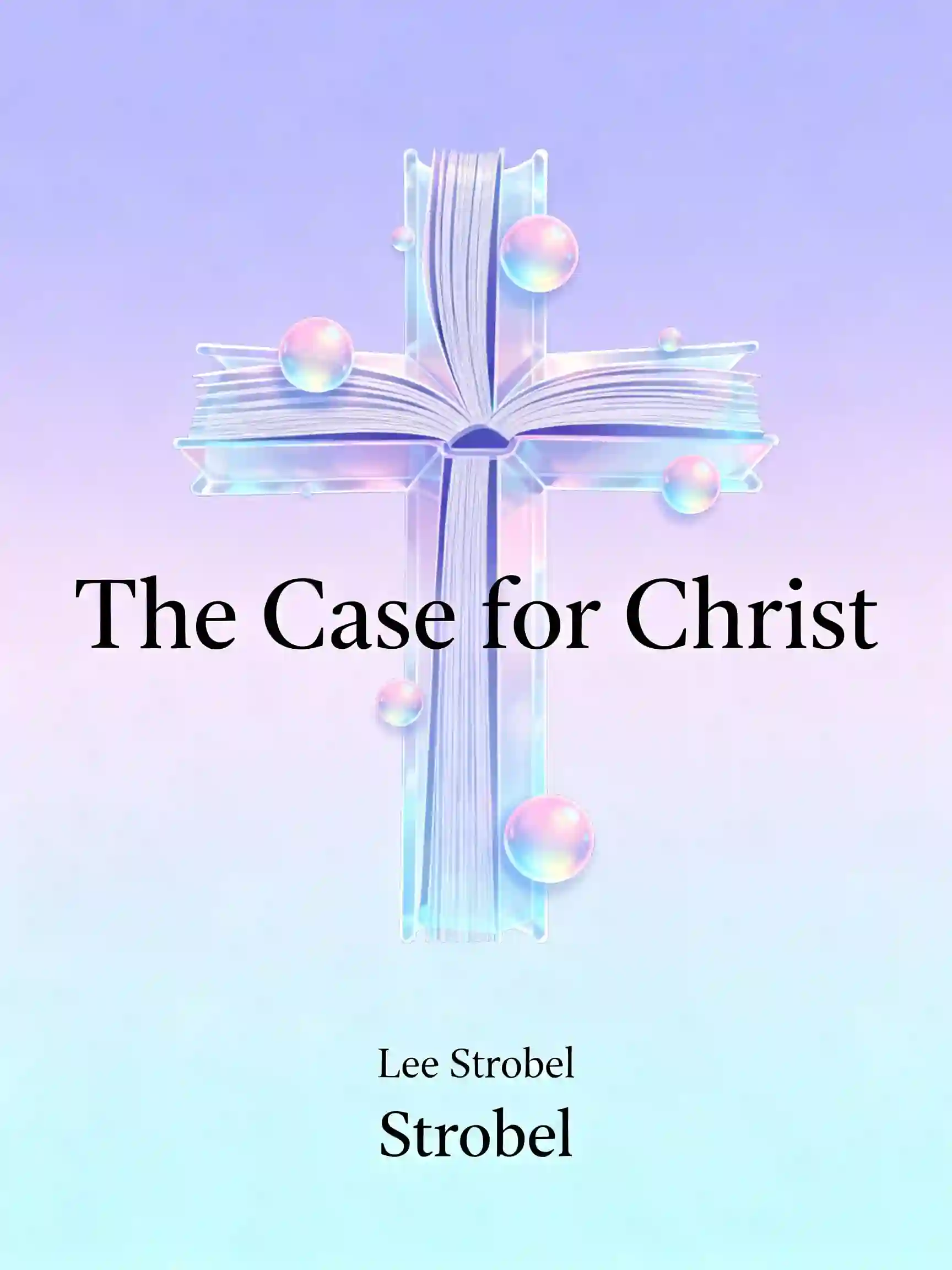
What are the major problems with the historicity of the gospel stories? The ones that have held up to scrutiny over time and new ones that seem to stump the great thinkers of history.

Frequently Asked Questions
The discrepancy arises from the different theological goals of the authors. Matthew presents Bethlehem as the family's original home, where they live in a house, and only move to Nazareth later to avoid danger. In contrast, Luke asserts they were originally from Nazareth and only traveled to Bethlehem for a Roman census. Historians note that Luke’s timeline regarding the census of Quirinius occurs about ten years after the death of Herod the Great, making it historically impossible for both accounts to be literally accurate. These narratives likely serve to place Jesus in the "City of David" to fulfill messianic prophecies rather than to provide a strict biographical record.
The Synoptic Problem refers to the mystery of why Matthew, Mark, and Luke share nearly identical wording and sequencing in many passages. The leading explanation is the Two-Source Hypothesis, which suggests that Mark was the first Gospel written and served as a template for the others. To explain the material shared by Matthew and Luke that is missing from Mark, scholars hypothesize the existence of "Q" (from the German Quelle, meaning "source"). Q is a lost collection of Jesus’s sayings, such as the Beatitudes. While no physical copy of Q has ever been found, it is a mathematical reconstruction used to explain the overlapping teachings in the later Gospels.
The Synoptics (Matthew, Mark, and Luke) state that the Last Supper was a Passover meal and that Jesus was crucified the following day. However, the Gospel of John moves the timeline up by one day, placing the crucifixion at the exact time the Passover lambs were being slaughtered in the Temple. This change is widely viewed as a theological choice by John to portray Jesus as the ultimate "Passover Lamb." Additionally, the timing of the execution differs; Mark records the crucifixion beginning at 9 a.m., while John places Jesus before Pontius Pilate at noon.
The name Thomas is derived from the Aramaic word Te'oma, and his other name, Didymus, is the Greek word for "twin." In certain early Christian communities, particularly in the Syrian tradition and the non-canonical Acts of Thomas, he was explicitly identified as the twin brother of Jesus. This "Twin Tradition" may have been influenced by Greek myths of mortal and immortal twins, serving as a way for early Christians to explore Jesus’s dual nature as both human and divine. While this view was eventually labeled heretical by the orthodox church, it highlights the vast diversity of beliefs in early Christianity.
Historians observe a trend where later Gospels increasingly portray the Roman governor Pontius Pilate as reluctant and the Jewish crowds as responsible. This shift likely served as a survival and "rebranding" strategy for the early church. Writing after the Roman-Jewish War of 70 CE, the authors wanted to demonstrate to the Roman Empire that Christianity was a peaceful movement and not a political threat. By downplaying the role of the Romans—who historically executed Jesus for sedition—and emphasizing Jewish guilt, the authors sought to protect their movement within the Empire, though this narrative later fueled centuries of anti-Semitism.
Discover more

Early Christian History & Ancient Manuscripts
Early Christian History & Ancient Manuscripts
This plan bridges the gap between historical archaeology and theological development, offering a scholarly look at how the New Testament was formed. It is ideal for history enthusiasts, theology students, or anyone curious about the complex origins of Western faith.

Study Christian origins and global parallels
Study Christian origins and global parallels
This learning plan provides a scholarly look at the historical and cultural forces that shaped one of the world's most influential faiths. It is ideal for students of history, theology, or sociology who want to understand the syncretism and global parallels that define early Christianity.

History of Christianity
History of Christianity
This comprehensive exploration of Christianity's 2,000-year journey is essential for anyone seeking to understand Western civilization, global history, or contemporary religious dynamics. Whether you're a student of history, religion, politics, or culture—or simply curious about how one movement shaped entire continents—this learning path provides the historical context needed to comprehend modern society's foundations and ongoing religious debates.

the truth at the Bible
the truth at the Bible
This learning plan equips individuals with the tools to evaluate biblical truth claims through historical evidence, scholarly research, and proper interpretive methods. It's ideal for those seeking a deeper understanding of biblical reliability and how to apply biblical wisdom in today's world.
I want I learn more about Jesus
I want I learn more about Jesus
This plan provides a comprehensive bridge between historical research and personal spiritual application. It is ideal for anyone seeking to understand Jesus not just as a historical figure, but as a teacher whose message offers practical guidance for modern life.
Bible Storytelling for Outreach & Growth
Bible Storytelling for Outreach & Growth
This plan is essential for ministry leaders and believers looking to bridge the gap between ancient scripture and modern culture. It provides a roadmap for turning biblical knowledge into an effective tool for evangelism and community growth.
Learn more about Greek mythology
Learn more about Greek mythology
Greek mythology provides the essential framework for understanding Western culture and storytelling. This plan is ideal for literature enthusiasts and creative thinkers who want to bridge the gap between ancient epics and modern literary reinterpretations.

Biblical studies
Biblical studies
This plan bridges the gap between ancient history and modern faith, offering a comprehensive framework for academic and spiritual inquiry. It is ideal for students, ministry leaders, or anyone seeking to move beyond surface-level reading into deep theological analysis.
From Columbia University alumni built in San Francisco
"Instead of endless scrolling, I just hit play on BeFreed. It saves me so much time."


"I never knew where to start with nonfiction—BeFreed’s book lists turned into podcasts gave me a clear path."


"Perfect balance between learning and entertainment. Finished ‘Thinking, Fast and Slow’ on my commute this week."
"Crazy how much I learned while walking the dog. BeFreed = small habits → big gains."
"Reading used to feel like a chore. Now it’s just part of my lifestyle."

"Feels effortless compared to reading. I’ve finished 6 books this month already."
"BeFreed turned my guilty doomscrolling into something that feels productive and inspiring."

"BeFreed turned my commute into learning time. 20-min podcasts are perfect for finishing books I never had time for."
"BeFreed replaced my podcast queue. Imagine Spotify for books — that’s it. 🙌"

"It is great for me to learn something from the book without reading it."
"The themed book list podcasts help me connect ideas across authors—like a guided audio journey."
"Makes me feel smarter every time before going to work"
From Columbia University alumni built in San Francisco
"Instead of endless scrolling, I just hit play on BeFreed. It saves me so much time."
"I never knew where to start with nonfiction—BeFreed’s book lists turned into podcasts gave me a clear path."
"Perfect balance between learning and entertainment. Finished ‘Thinking, Fast and Slow’ on my commute this week."
"Crazy how much I learned while walking the dog. BeFreed = small habits → big gains."
"Reading used to feel like a chore. Now it’s just part of my lifestyle."
"Feels effortless compared to reading. I’ve finished 6 books this month already."
"BeFreed turned my guilty doomscrolling into something that feels productive and inspiring."
"BeFreed turned my commute into learning time. 20-min podcasts are perfect for finishing books I never had time for."
"BeFreed replaced my podcast queue. Imagine Spotify for books — that’s it. 🙌"
"It is great for me to learn something from the book without reading it."
"The themed book list podcasts help me connect ideas across authors—like a guided audio journey."
"Makes me feel smarter every time before going to work"
"Instead of endless scrolling, I just hit play on BeFreed. It saves me so much time."
"I never knew where to start with nonfiction—BeFreed’s book lists turned into podcasts gave me a clear path."
"Perfect balance between learning and entertainment. Finished ‘Thinking, Fast and Slow’ on my commute this week."
"Crazy how much I learned while walking the dog. BeFreed = small habits → big gains."
"Reading used to feel like a chore. Now it’s just part of my lifestyle."
"Feels effortless compared to reading. I’ve finished 6 books this month already."
"BeFreed turned my guilty doomscrolling into something that feels productive and inspiring."
"BeFreed turned my commute into learning time. 20-min podcasts are perfect for finishing books I never had time for."
"BeFreed replaced my podcast queue. Imagine Spotify for books — that’s it. 🙌"
"It is great for me to learn something from the book without reading it."
"The themed book list podcasts help me connect ideas across authors—like a guided audio journey."
"Makes me feel smarter every time before going to work"
"Instead of endless scrolling, I just hit play on BeFreed. It saves me so much time."
"I never knew where to start with nonfiction—BeFreed’s book lists turned into podcasts gave me a clear path."
"Perfect balance between learning and entertainment. Finished ‘Thinking, Fast and Slow’ on my commute this week."
"Crazy how much I learned while walking the dog. BeFreed = small habits → big gains."
"Reading used to feel like a chore. Now it’s just part of my lifestyle."
"Feels effortless compared to reading. I’ve finished 6 books this month already."
"BeFreed turned my guilty doomscrolling into something that feels productive and inspiring."
"BeFreed turned my commute into learning time. 20-min podcasts are perfect for finishing books I never had time for."
"BeFreed replaced my podcast queue. Imagine Spotify for books — that’s it. 🙌"
"It is great for me to learn something from the book without reading it."
"The themed book list podcasts help me connect ideas across authors—like a guided audio journey."
"Makes me feel smarter every time before going to work"


