
Writing Lessons from Great Memoirists: How to Write Your Story
Learn memoir writing lessons from the greats. Master storytelling techniques to turn your recovery and transformation journey into a gripping, readable tale.

Best quote from Writing Lessons from Great Memoirists: How to Write Your Story
An addiction memoir is actually a story of two people: the addict in the throes of the struggle and the recovered narrator looking back objectively. If you don't have that perspective, you are just offering an anecdote, not a memoir.

This audio lesson was created by a BeFreed community member
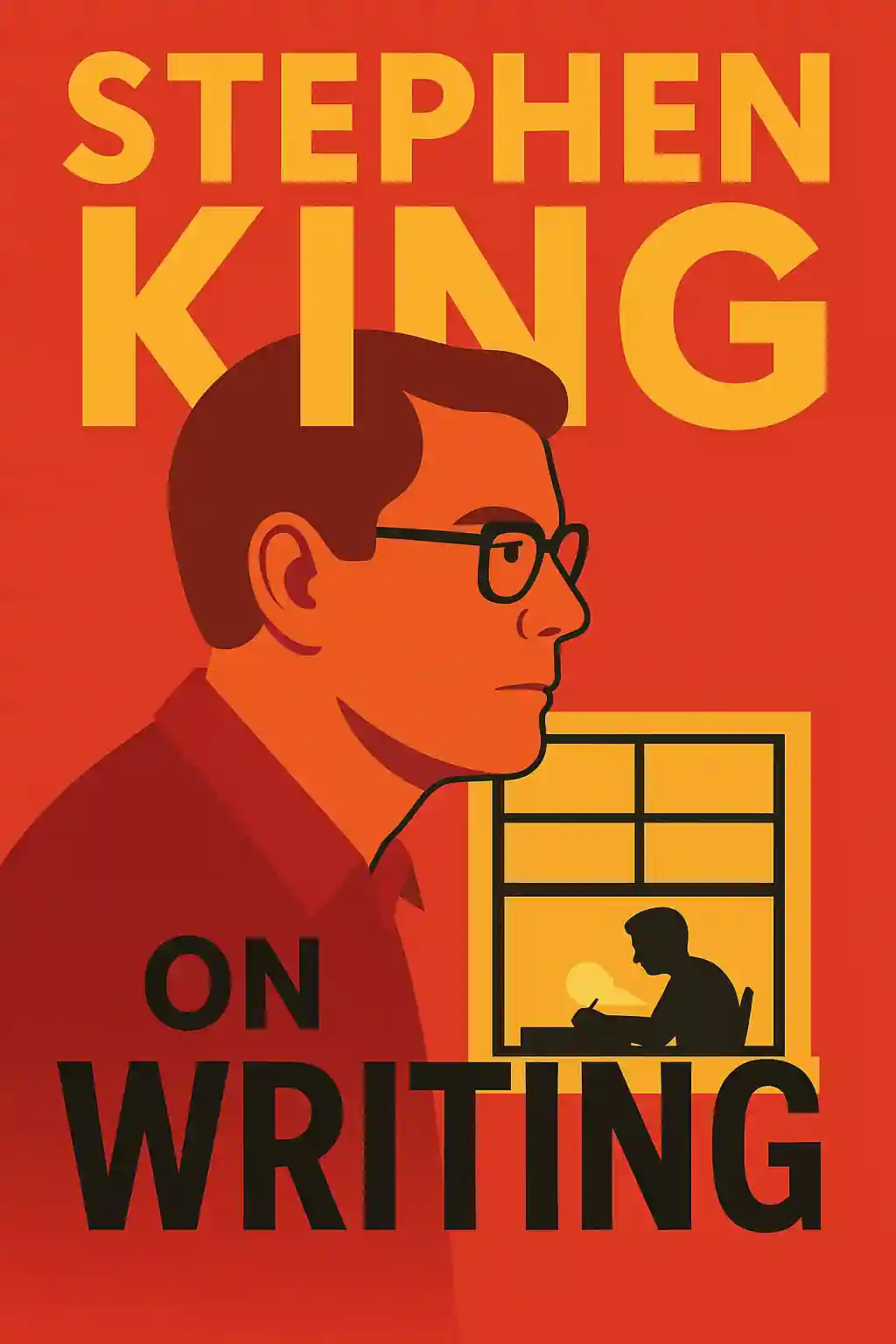
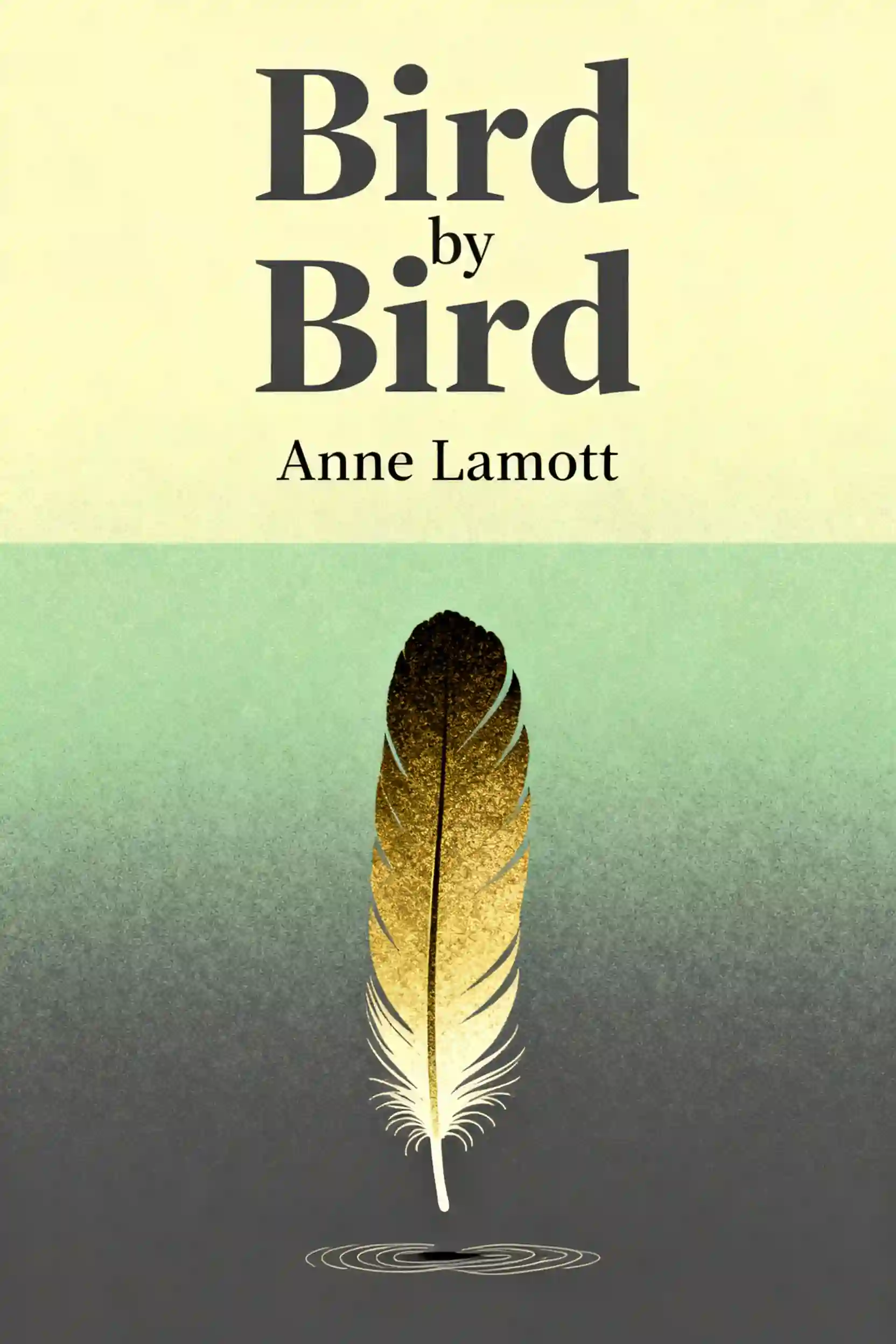
Lessons on writing from the greatest memoir writers. I want a very readable gripping tale of my story from a drunk who nearly lost it all to a transformed life. But I want the great writers to teach me how to write. All the way to what I need to do to prepare or if I should not prepare and just start where I am.





Frequently Asked Questions
Starting a memoir begins with deciding whether to outline or simply write from where you are. Great memoirists often suggest capturing the raw emotion of your journey first. Whether you are documenting a recovery story or a life-changing event, the key is to focus on the pivotal moments of change. You don't need a perfect plan to begin; you just need the courage to put your initial experiences on paper and refine the narrative structure as you progress.
Writing a recovery memoir requires balancing honesty with engaging storytelling techniques. Lessons from the greatest memoir writers emphasize showing the depth of the struggle—such as the reality of nearly losing everything—to make the eventual transformation feel earned and impactful. Focus on specific details that illustrate your low points and the gradual steps toward a new life. This approach ensures your story is not just a recount of events but a gripping tale that resonates with readers.
The debate between preparation and spontaneity is common in memoir writing lessons. Some writers prefer a structured outline to manage complex timelines, while others find that starting exactly where they are allows for a more authentic voice. If you have a powerful transformation story, sometimes the best strategy is to start writing the most vivid scenes immediately. You can apply professional storytelling techniques later to organize your thoughts into a cohesive and readable book that follows a clear narrative arc.
To make your story readable and gripping, study the techniques used by the greatest memoir writers. Focus on narrative tension, sensory details, and a clear emotional arc. Instead of just listing facts about your life, treat your experiences like a plot in a novel. By applying these memoir writing lessons, you can transform a personal history of recovery and change into a compelling book that keeps readers invested in your journey from the first page to the last.
Discover more

Explore Creativity & Memoirs
Explore Creativity & Memoirs
This plan is designed for aspiring writers and creatives looking to bridge the gap between personal experience and professional storytelling. It provides a roadmap for overcoming psychological hurdles while mastering the craft of the memoir, making it ideal for anyone seeking to document their legacy or build a disciplined creative life.
Mental Health, Behavior & Memoirs
Mental Health, Behavior & Memoirs
This plan bridges clinical science with the human experience of recovery and growth. It is ideal for anyone seeking to break destructive patterns, heal from past trauma, or gain deeper empathy through the power of storytelling.
overcome addiction
overcome addiction
This plan provides a science-backed roadmap for individuals seeking to break the cycle of dependency by addressing both neurological triggers and emotional healing. It is ideal for anyone looking to transition from active addiction to a thriving, purpose-driven life through sustainable recovery habits.

Explore Memoirs, Inspiration & Creativity
Explore Memoirs, Inspiration & Creativity
This learning plan is designed for aspiring writers and creative professionals looking to bridge the gap between personal experience and artistic expression. It combines the technical craft of memoir writing with the science of high-level creativity to help learners build a resilient and innovative creative practice.

Recovery Self belief
Recovery Self belief
This learning plan is essential for individuals seeking to move beyond willpower-based recovery by addressing the neurological and emotional roots of addiction. It is designed for anyone ready to heal past trauma, rebuild their self-confidence, and architect a future defined by a new, empowered identity.

Start writing via journaling
Start writing via journaling
Journaling is a powerful tool for self-discovery, emotional processing, and creative expression that can reduce stress and improve mental clarity. This learning plan is ideal for beginners who want to start a meaningful writing practice, aspiring writers seeking to develop their voice, or anyone looking to deepen their self-awareness through reflective writing. Whether you're seeking therapeutic benefits or hoping to develop storytelling skills, this structured approach transforms journaling from intimidating blank pages into a sustainable daily practice.

Learn, write, and heal for positive growth.
Learn, write, and heal for positive growth.
This plan bridges the gap between cognitive science, therapeutic writing, and nervous system health. It is ideal for individuals seeking to overcome past setbacks while building the mental architecture for a flourishing, purpose-driven life.
Ending addictions, food alcohol Become so disciplined Feeling better about reaching goals
Ending addictions, food alcohol Become so disciplined Feeling better about reaching goals
Food and alcohol addictions often stem from underlying psychological patterns that require systematic approaches beyond sheer willpower. This learning plan equips individuals with science-backed strategies to break addiction cycles, build sustainable recovery systems, and develop the discipline needed to create lasting change.
From Columbia University alumni built in San Francisco
"Instead of endless scrolling, I just hit play on BeFreed. It saves me so much time."


"I never knew where to start with nonfiction—BeFreed’s book lists turned into podcasts gave me a clear path."


"Perfect balance between learning and entertainment. Finished ‘Thinking, Fast and Slow’ on my commute this week."
"Crazy how much I learned while walking the dog. BeFreed = small habits → big gains."
"Reading used to feel like a chore. Now it’s just part of my lifestyle."

"Feels effortless compared to reading. I’ve finished 6 books this month already."
"BeFreed turned my guilty doomscrolling into something that feels productive and inspiring."

"BeFreed turned my commute into learning time. 20-min podcasts are perfect for finishing books I never had time for."
"BeFreed replaced my podcast queue. Imagine Spotify for books — that’s it. 🙌"

"It is great for me to learn something from the book without reading it."
"The themed book list podcasts help me connect ideas across authors—like a guided audio journey."
"Makes me feel smarter every time before going to work"
From Columbia University alumni built in San Francisco
"Instead of endless scrolling, I just hit play on BeFreed. It saves me so much time."
"I never knew where to start with nonfiction—BeFreed’s book lists turned into podcasts gave me a clear path."
"Perfect balance between learning and entertainment. Finished ‘Thinking, Fast and Slow’ on my commute this week."
"Crazy how much I learned while walking the dog. BeFreed = small habits → big gains."
"Reading used to feel like a chore. Now it’s just part of my lifestyle."
"Feels effortless compared to reading. I’ve finished 6 books this month already."
"BeFreed turned my guilty doomscrolling into something that feels productive and inspiring."
"BeFreed turned my commute into learning time. 20-min podcasts are perfect for finishing books I never had time for."
"BeFreed replaced my podcast queue. Imagine Spotify for books — that’s it. 🙌"
"It is great for me to learn something from the book without reading it."
"The themed book list podcasts help me connect ideas across authors—like a guided audio journey."
"Makes me feel smarter every time before going to work"
"Instead of endless scrolling, I just hit play on BeFreed. It saves me so much time."
"I never knew where to start with nonfiction—BeFreed’s book lists turned into podcasts gave me a clear path."
"Perfect balance between learning and entertainment. Finished ‘Thinking, Fast and Slow’ on my commute this week."
"Crazy how much I learned while walking the dog. BeFreed = small habits → big gains."
"Reading used to feel like a chore. Now it’s just part of my lifestyle."
"Feels effortless compared to reading. I’ve finished 6 books this month already."
"BeFreed turned my guilty doomscrolling into something that feels productive and inspiring."
"BeFreed turned my commute into learning time. 20-min podcasts are perfect for finishing books I never had time for."
"BeFreed replaced my podcast queue. Imagine Spotify for books — that’s it. 🙌"
"It is great for me to learn something from the book without reading it."
"The themed book list podcasts help me connect ideas across authors—like a guided audio journey."
"Makes me feel smarter every time before going to work"
"Instead of endless scrolling, I just hit play on BeFreed. It saves me so much time."
"I never knew where to start with nonfiction—BeFreed’s book lists turned into podcasts gave me a clear path."
"Perfect balance between learning and entertainment. Finished ‘Thinking, Fast and Slow’ on my commute this week."
"Crazy how much I learned while walking the dog. BeFreed = small habits → big gains."
"Reading used to feel like a chore. Now it’s just part of my lifestyle."
"Feels effortless compared to reading. I’ve finished 6 books this month already."
"BeFreed turned my guilty doomscrolling into something that feels productive and inspiring."
"BeFreed turned my commute into learning time. 20-min podcasts are perfect for finishing books I never had time for."
"BeFreed replaced my podcast queue. Imagine Spotify for books — that’s it. 🙌"
"It is great for me to learn something from the book without reading it."
"The themed book list podcasts help me connect ideas across authors—like a guided audio journey."
"Makes me feel smarter every time before going to work"


