
How to Write a Powerful Spiritual Memoir on Sobriety and Faith
Learn how to write a powerful spiritual memoir about sobriety and finding God. Master the art of structuring your recovery story and handling blurry memories.

Best quote from How to Write a Powerful Spiritual Memoir on Sobriety and Faith
A memoir isn't an autobiography; it’s not the story of your whole life, but a story from your life. The goal is to find the central question your life was trying to answer and map the internal landscape rather than the calendar.

This audio lesson was created by a BeFreed community member
I want to write a memoir about my spiritual experience that came about through a major shift in my life of getting sober and finding God. How does one write a memoir that is truly something moving and powerful. Give me some lessons on how to go about this. Where do I start. Where do I take it? How do I deal with many years of stories that are kind of blurry, events known but not the exsact chronology. Let’s talk with the masters.

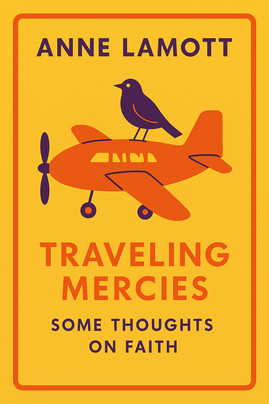
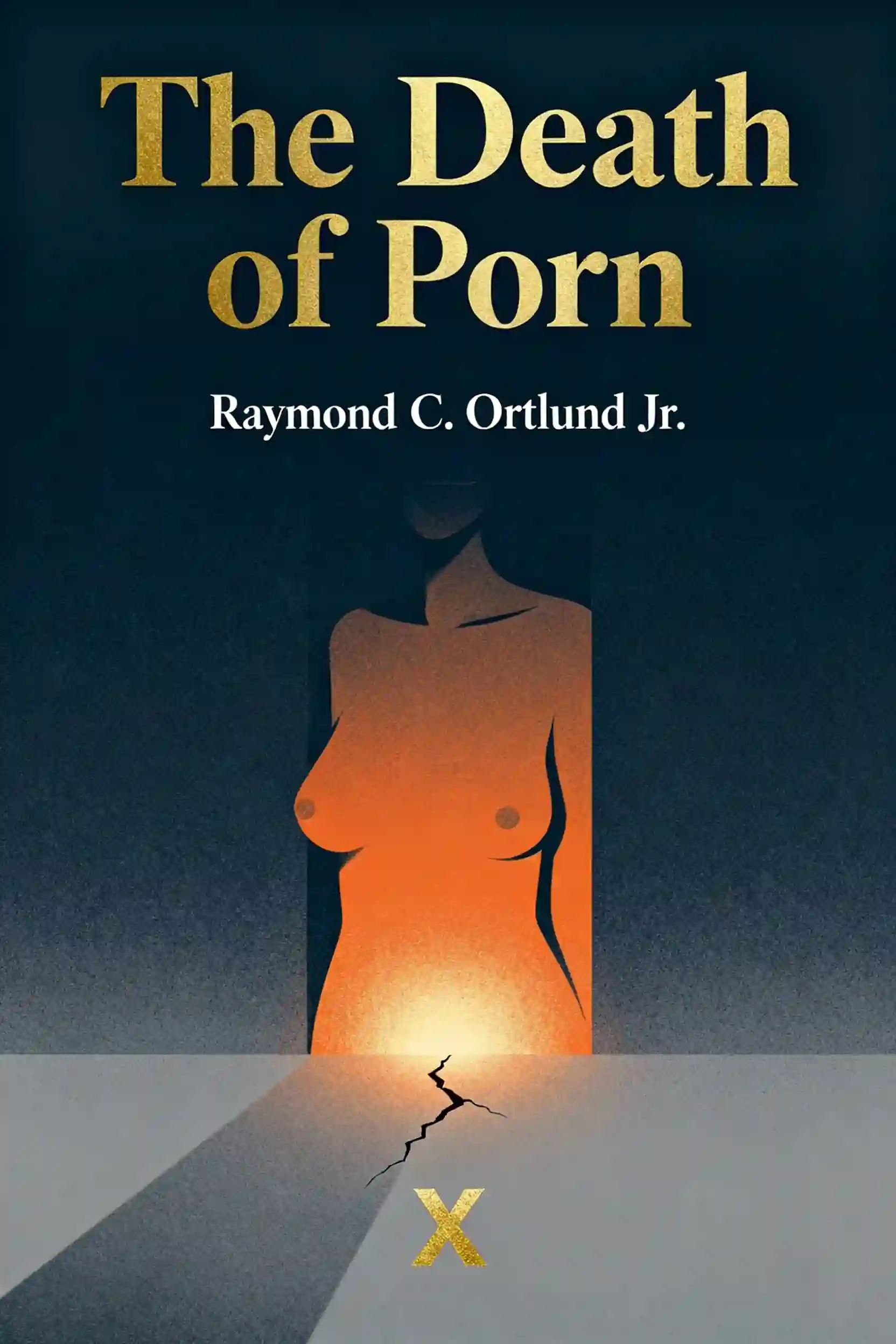
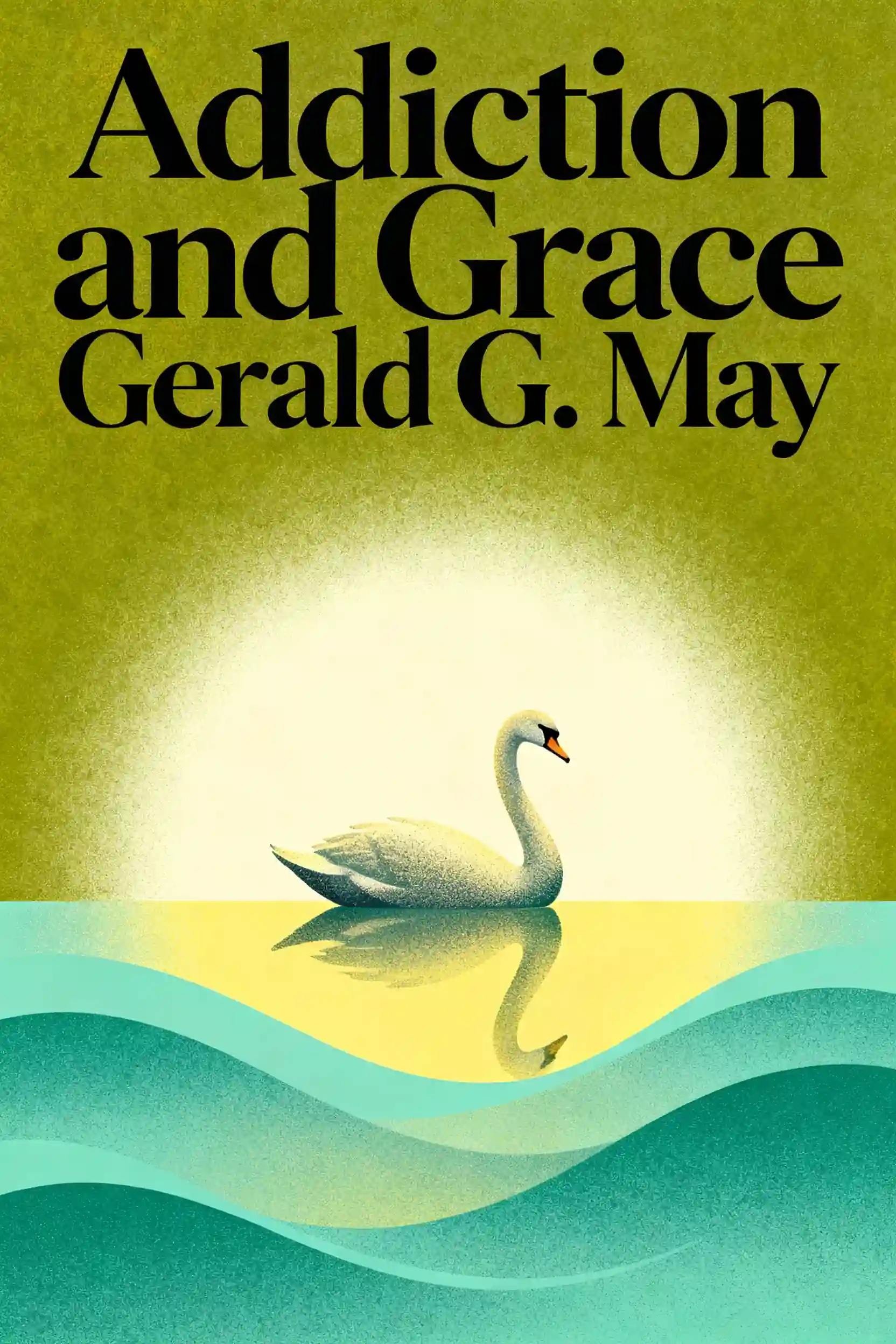


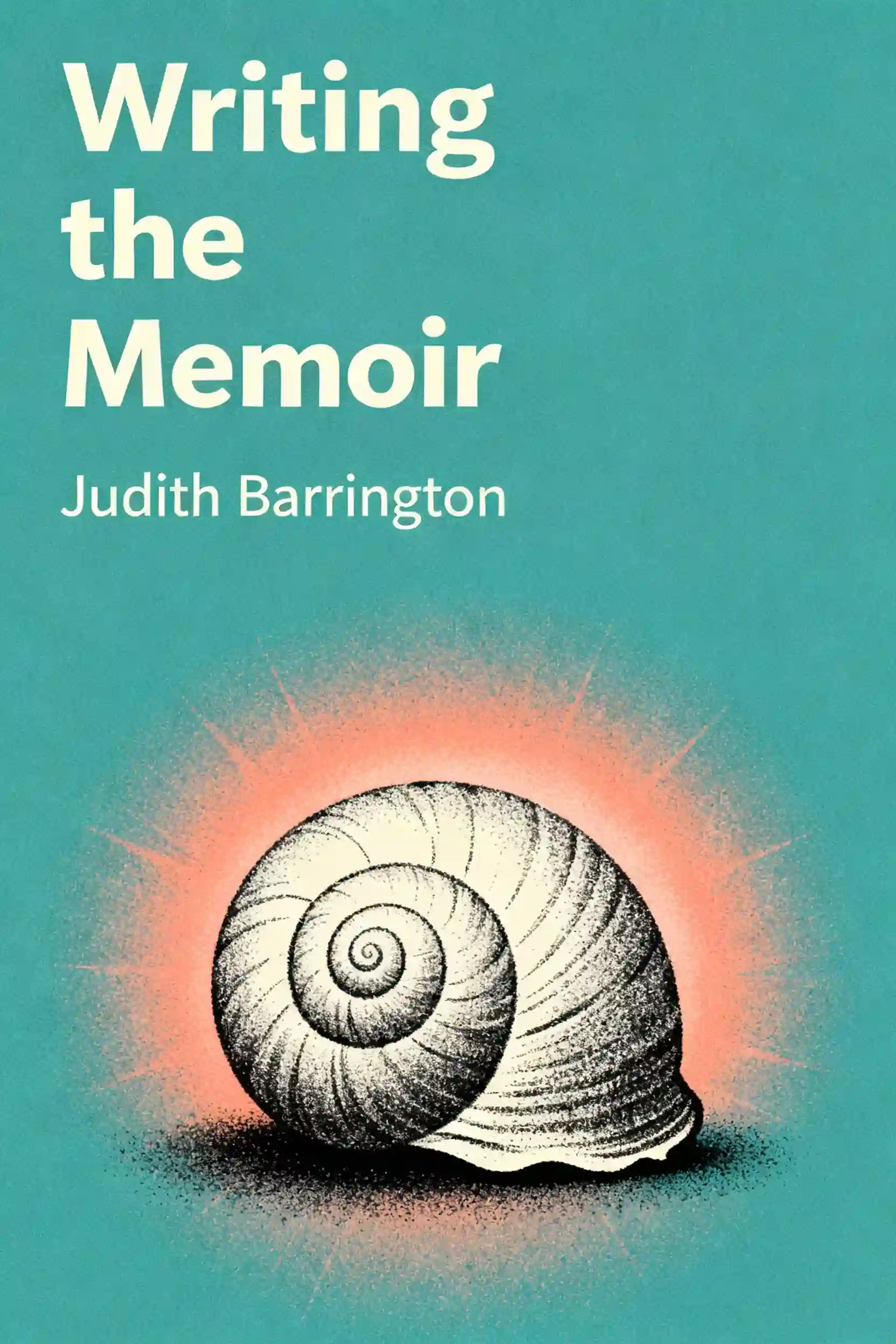
Frequently Asked Questions
Starting a spiritual memoir begins with identifying the core emotional arc of your journey toward finding God. Focus on the major life shift of getting sober as your narrative anchor. Rather than trying to document every detail, begin with the moments of profound realization or spiritual awakening that define your transformation. This allows you to build a narrative that is both moving and powerful for your readers.
Structuring a life story effectively requires selecting specific themes rather than strictly following a calendar. When writing about sobriety and faith, organize your memoir around the internal shifts you experienced. Use a narrative structure that highlights the contrast between your life before and after finding God. This thematic approach helps turn a long timeline into a cohesive, impactful story that resonates with an audience looking for inspiration.
Dealing with blurry memories is a common challenge in memoir writing, especially when documenting recovery. You can address this by focusing on emotional truth and the essence of the events rather than exact dates. It is acceptable to be honest with the reader about the hazy nature of certain periods. Focus on the sensory details and the spiritual impact of those moments to maintain the narrative's power and authenticity.
A powerful spiritual awakening narrative is grounded in vulnerability and honesty. To make your story move others, you must delve into the difficult realities of your struggle with sobriety and the genuine process of finding God. By sharing the lessons learned through your transformation and the masters who inspired you, you create a universal connection with readers who are seeking their own path to healing and faith.
Discover more

Write From Religion to Relationship book
Write From Religion to Relationship book
This plan is designed for writers and seekers ready to document their transition from rigid tradition to personal faith. It provides the structural and emotional tools needed to turn a private spiritual evolution into a powerful, published memoir.

Explore Creativity & Memoirs
Explore Creativity & Memoirs
This plan is designed for aspiring writers and creatives looking to bridge the gap between personal experience and professional storytelling. It provides a roadmap for overcoming psychological hurdles while mastering the craft of the memoir, making it ideal for anyone seeking to document their legacy or build a disciplined creative life.
Mental Health, Memoirs & Inspiration
Mental Health, Memoirs & Inspiration
This learning plan bridges the gap between clinical knowledge and lived experience, making it ideal for those seeking both practical coping tools and emotional validation. It is designed for individuals navigating their own recovery journey or anyone looking to build deep psychological resilience through storytelling and science.
Explore Bio, Memoir, Inspiration & Creativity
Explore Bio, Memoir, Inspiration & Creativity
This plan is essential for aspiring writers and individuals seeking to unlock their creative potential through the lens of lived experience. It bridges the gap between studying great lives and mastering the practical craft of personal storytelling for a more purposeful life.

Start writing via journaling
Start writing via journaling
Journaling is a powerful tool for self-discovery, emotional processing, and creative expression that can reduce stress and improve mental clarity. This learning plan is ideal for beginners who want to start a meaningful writing practice, aspiring writers seeking to develop their voice, or anyone looking to deepen their self-awareness through reflective writing. Whether you're seeking therapeutic benefits or hoping to develop storytelling skills, this structured approach transforms journaling from intimidating blank pages into a sustainable daily practice.

Learn, write, and heal for positive growth.
Learn, write, and heal for positive growth.
This plan bridges the gap between cognitive science, therapeutic writing, and nervous system health. It is ideal for individuals seeking to overcome past setbacks while building the mental architecture for a flourishing, purpose-driven life.
How to write my story
How to write my story
This plan is essential for aspiring authors who struggle to bridge the gap between a creative spark and a finished book. It provides a comprehensive roadmap for anyone looking to master both the artistic craft and the professional publishing standards required to share their story with the world.

Write, thrive, and live mindfully.
Write, thrive, and live mindfully.
This learning plan is designed for writers and creators who want to balance high-level creative output with mental well-being. It provides a comprehensive framework for those seeking to master their craft while building the resilience and mindfulness necessary to thrive in a demanding world.
From Columbia University alumni built in San Francisco
"Instead of endless scrolling, I just hit play on BeFreed. It saves me so much time."


"I never knew where to start with nonfiction—BeFreed’s book lists turned into podcasts gave me a clear path."


"Perfect balance between learning and entertainment. Finished ‘Thinking, Fast and Slow’ on my commute this week."
"Crazy how much I learned while walking the dog. BeFreed = small habits → big gains."
"Reading used to feel like a chore. Now it’s just part of my lifestyle."

"Feels effortless compared to reading. I’ve finished 6 books this month already."
"BeFreed turned my guilty doomscrolling into something that feels productive and inspiring."

"BeFreed turned my commute into learning time. 20-min podcasts are perfect for finishing books I never had time for."
"BeFreed replaced my podcast queue. Imagine Spotify for books — that’s it. 🙌"

"It is great for me to learn something from the book without reading it."
"The themed book list podcasts help me connect ideas across authors—like a guided audio journey."
"Makes me feel smarter every time before going to work"
From Columbia University alumni built in San Francisco
"Instead of endless scrolling, I just hit play on BeFreed. It saves me so much time."
"I never knew where to start with nonfiction—BeFreed’s book lists turned into podcasts gave me a clear path."
"Perfect balance between learning and entertainment. Finished ‘Thinking, Fast and Slow’ on my commute this week."
"Crazy how much I learned while walking the dog. BeFreed = small habits → big gains."
"Reading used to feel like a chore. Now it’s just part of my lifestyle."
"Feels effortless compared to reading. I’ve finished 6 books this month already."
"BeFreed turned my guilty doomscrolling into something that feels productive and inspiring."
"BeFreed turned my commute into learning time. 20-min podcasts are perfect for finishing books I never had time for."
"BeFreed replaced my podcast queue. Imagine Spotify for books — that’s it. 🙌"
"It is great for me to learn something from the book without reading it."
"The themed book list podcasts help me connect ideas across authors—like a guided audio journey."
"Makes me feel smarter every time before going to work"
"Instead of endless scrolling, I just hit play on BeFreed. It saves me so much time."
"I never knew where to start with nonfiction—BeFreed’s book lists turned into podcasts gave me a clear path."
"Perfect balance between learning and entertainment. Finished ‘Thinking, Fast and Slow’ on my commute this week."
"Crazy how much I learned while walking the dog. BeFreed = small habits → big gains."
"Reading used to feel like a chore. Now it’s just part of my lifestyle."
"Feels effortless compared to reading. I’ve finished 6 books this month already."
"BeFreed turned my guilty doomscrolling into something that feels productive and inspiring."
"BeFreed turned my commute into learning time. 20-min podcasts are perfect for finishing books I never had time for."
"BeFreed replaced my podcast queue. Imagine Spotify for books — that’s it. 🙌"
"It is great for me to learn something from the book without reading it."
"The themed book list podcasts help me connect ideas across authors—like a guided audio journey."
"Makes me feel smarter every time before going to work"
"Instead of endless scrolling, I just hit play on BeFreed. It saves me so much time."
"I never knew where to start with nonfiction—BeFreed’s book lists turned into podcasts gave me a clear path."
"Perfect balance between learning and entertainment. Finished ‘Thinking, Fast and Slow’ on my commute this week."
"Crazy how much I learned while walking the dog. BeFreed = small habits → big gains."
"Reading used to feel like a chore. Now it’s just part of my lifestyle."
"Feels effortless compared to reading. I’ve finished 6 books this month already."
"BeFreed turned my guilty doomscrolling into something that feels productive and inspiring."
"BeFreed turned my commute into learning time. 20-min podcasts are perfect for finishing books I never had time for."
"BeFreed replaced my podcast queue. Imagine Spotify for books — that’s it. 🙌"
"It is great for me to learn something from the book without reading it."
"The themed book list podcasts help me connect ideas across authors—like a guided audio journey."
"Makes me feel smarter every time before going to work"


