
Why we procrastinate and how to stop
Procrastination is an emotional block, not a flaw. Learn why your brain avoids stress and how micro-wins help you finally get things done.

Best quote from Why we procrastinate and how to stop
Procrastination is actually an emotional regulation problem, not a time management one. When we put things off, we aren't being 'bad' at scheduling; we are being 'good' at avoiding discomfort.

This audio lesson was created by a BeFreed community member
I want to learn about why we procrastinate and how to stop

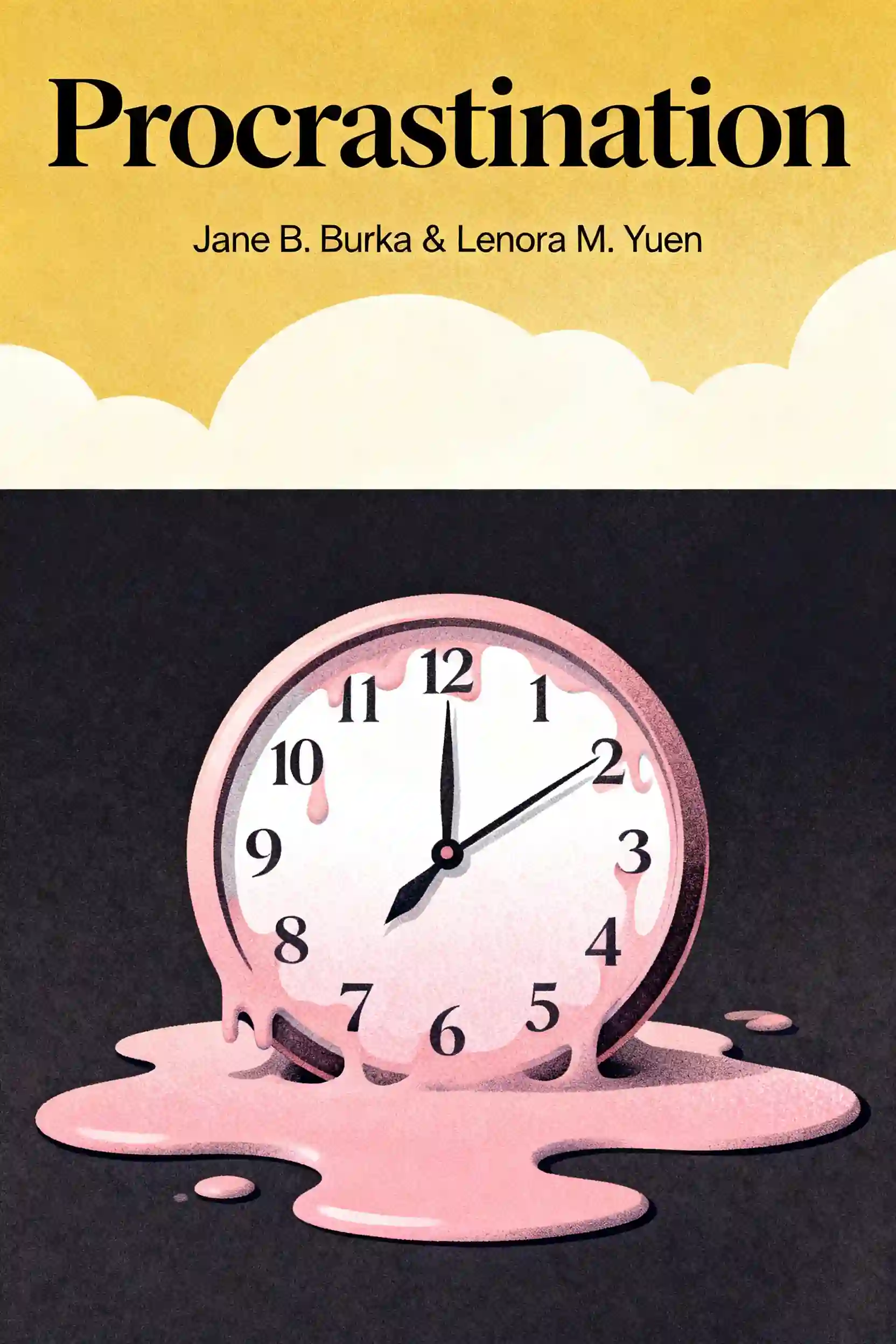
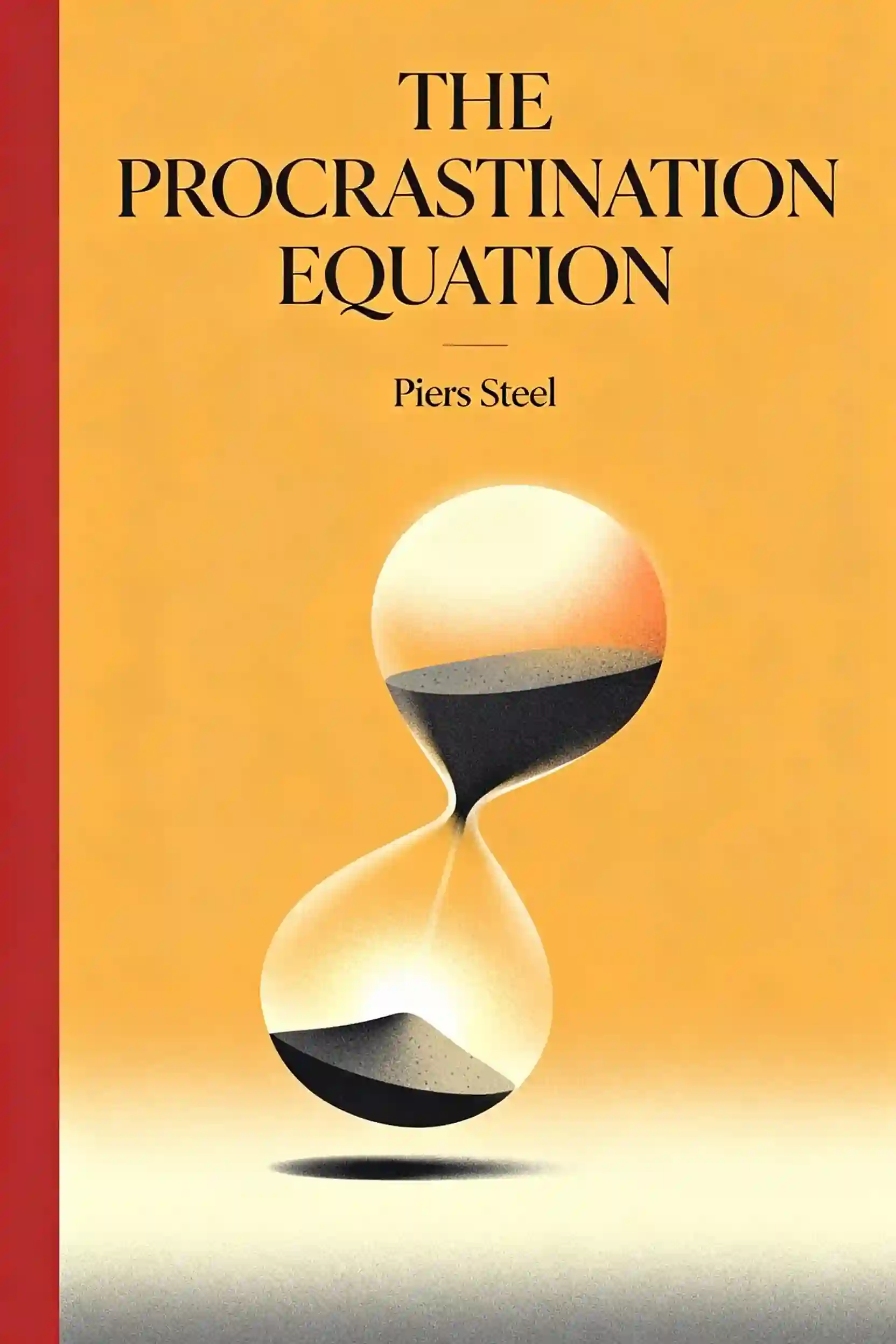




Frequently Asked Questions
According to the script, procrastination is actually an emotional regulation problem rather than a character flaw or a scheduling issue. It is a "short-term mood repair strategy" where the brain attempts to protect you from the stress, boredom, or discomfort associated with a specific task. Because it is an emotional block, standard productivity advice like buying a better planner often fails because it doesn't address the underlying desire to avoid negative feelings.
This happens due to a phenomenon called "hyperbolic discounting" or "valence weighting bias." Our brains are biologically wired to place an excessive value on immediate rewards while discounting future consequences. Furthermore, brain scans show that we often view our "future selves" as complete strangers. Because the stress of a looming deadline feels abstract and far away, the brain chooses the immediate hit of dopamine from a distraction over the long-term benefit of completing a difficult task.
The script suggests identifying which of the "Seven Deadly Task Triggers" (such as boredom, ambiguity, or frustration) is making the task aversive and then disarming it. A highly effective "God Mode" hack is using "Implementation Intentions," which are simple "If-Then" formulas—such as "If it is 9:00 AM, then I will open the document." This removes the need for willpower by creating a pre-conscious link between a cue and an action, helping you bypass the initial resistance of starting.
Self-criticism creates a vicious cycle of negative emotions like shame and guilt. When you think about a task you’ve been avoiding, the associated shame makes the task feel even more painful, leading you to avoid it again to escape those feelings. Research shows that self-forgiveness is a more effective productivity strategy because it reduces the "negative affect" associated with the work, making it easier to approach the task as a "curious scientist" rather than a "hanging judge."
Discover more

How to stop procrastinating
How to stop procrastinating
Procrastination isn't about laziness—it's a complex psychological pattern that affects productivity, career success, and mental well-being. This learning plan is essential for anyone who struggles with chronic delay, wants to build consistent work habits, or seeks to achieve deep focus in an increasingly distracted world.

Beat Procrastination, Organize & Stay Focused
Beat Procrastination, Organize & Stay Focused
Procrastination is often a struggle with emotion regulation rather than a lack of willpower. This plan is essential for professionals and students who feel overwhelmed by their workload and need a science-backed system to regain control of their time and focus.
Stop procrastinating and get things done
Stop procrastinating and get things done
In an era of constant distraction, understanding the science of delay is essential for professional and personal growth. This plan is ideal for students and professionals looking to replace procrastination with systematic focus and long-term discipline.
Act on small things I keep avoiding
Act on small things I keep avoiding
Many people struggle with procrastination not due to laziness, but because of how their brain processes perceived threats in small tasks. This plan is ideal for professionals and students who feel paralyzed by minor to-dos and want to transition from chronic avoidance to effortless action.
Work on getting work done on time
Work on getting work done on time
In an era of constant distraction, the ability to execute tasks reliably is a critical professional differentiator. This plan is designed for professionals and students who struggle with procrastination and need a systematic, science-based approach to managing their time and energy effectively.
Self discipline
Self discipline
This plan is designed for individuals struggling with procrastination or inconsistent productivity. It bridges the gap between biological understanding and practical system-building to help professionals and students achieve long-term mastery.

I want to be able to get through procrastination and manage my business well keep a nice habit building by also giving up some bad habits
I want to be able to get through procrastination and manage my business well keep a nice habit building by also giving up some bad habits
Procrastination and ineffective habits are common barriers to business success, costing entrepreneurs valuable time, opportunities, and mental energy. This learning plan combines psychological insights with practical business management strategies to help professionals overcome these challenges and create sustainable systems for long-term growth.

Ditch perfectionism
Ditch perfectionism
Perfectionism affects millions of people, creating chronic stress, procrastination, and burnout while paradoxically reducing productivity and satisfaction. This learning plan is ideal for high-achievers, chronic overthinkers, and anyone who feels trapped by impossibly high standards that prevent them from taking action or enjoying their accomplishments. By breaking free from perfectionism, you'll unlock greater creativity, resilience, and peace of mind.
From Columbia University alumni built in San Francisco
"Instead of endless scrolling, I just hit play on BeFreed. It saves me so much time."


"I never knew where to start with nonfiction—BeFreed’s book lists turned into podcasts gave me a clear path."


"Perfect balance between learning and entertainment. Finished ‘Thinking, Fast and Slow’ on my commute this week."
"Crazy how much I learned while walking the dog. BeFreed = small habits → big gains."
"Reading used to feel like a chore. Now it’s just part of my lifestyle."

"Feels effortless compared to reading. I’ve finished 6 books this month already."
"BeFreed turned my guilty doomscrolling into something that feels productive and inspiring."

"BeFreed turned my commute into learning time. 20-min podcasts are perfect for finishing books I never had time for."
"BeFreed replaced my podcast queue. Imagine Spotify for books — that’s it. 🙌"

"It is great for me to learn something from the book without reading it."
"The themed book list podcasts help me connect ideas across authors—like a guided audio journey."
"Makes me feel smarter every time before going to work"
From Columbia University alumni built in San Francisco
"Instead of endless scrolling, I just hit play on BeFreed. It saves me so much time."
"I never knew where to start with nonfiction—BeFreed’s book lists turned into podcasts gave me a clear path."
"Perfect balance between learning and entertainment. Finished ‘Thinking, Fast and Slow’ on my commute this week."
"Crazy how much I learned while walking the dog. BeFreed = small habits → big gains."
"Reading used to feel like a chore. Now it’s just part of my lifestyle."
"Feels effortless compared to reading. I’ve finished 6 books this month already."
"BeFreed turned my guilty doomscrolling into something that feels productive and inspiring."
"BeFreed turned my commute into learning time. 20-min podcasts are perfect for finishing books I never had time for."
"BeFreed replaced my podcast queue. Imagine Spotify for books — that’s it. 🙌"
"It is great for me to learn something from the book without reading it."
"The themed book list podcasts help me connect ideas across authors—like a guided audio journey."
"Makes me feel smarter every time before going to work"
"Instead of endless scrolling, I just hit play on BeFreed. It saves me so much time."
"I never knew where to start with nonfiction—BeFreed’s book lists turned into podcasts gave me a clear path."
"Perfect balance between learning and entertainment. Finished ‘Thinking, Fast and Slow’ on my commute this week."
"Crazy how much I learned while walking the dog. BeFreed = small habits → big gains."
"Reading used to feel like a chore. Now it’s just part of my lifestyle."
"Feels effortless compared to reading. I’ve finished 6 books this month already."
"BeFreed turned my guilty doomscrolling into something that feels productive and inspiring."
"BeFreed turned my commute into learning time. 20-min podcasts are perfect for finishing books I never had time for."
"BeFreed replaced my podcast queue. Imagine Spotify for books — that’s it. 🙌"
"It is great for me to learn something from the book without reading it."
"The themed book list podcasts help me connect ideas across authors—like a guided audio journey."
"Makes me feel smarter every time before going to work"
"Instead of endless scrolling, I just hit play on BeFreed. It saves me so much time."
"I never knew where to start with nonfiction—BeFreed’s book lists turned into podcasts gave me a clear path."
"Perfect balance between learning and entertainment. Finished ‘Thinking, Fast and Slow’ on my commute this week."
"Crazy how much I learned while walking the dog. BeFreed = small habits → big gains."
"Reading used to feel like a chore. Now it’s just part of my lifestyle."
"Feels effortless compared to reading. I’ve finished 6 books this month already."
"BeFreed turned my guilty doomscrolling into something that feels productive and inspiring."
"BeFreed turned my commute into learning time. 20-min podcasts are perfect for finishing books I never had time for."
"BeFreed replaced my podcast queue. Imagine Spotify for books — that’s it. 🙌"
"It is great for me to learn something from the book without reading it."
"The themed book list podcasts help me connect ideas across authors—like a guided audio journey."
"Makes me feel smarter every time before going to work"


