
Stop Procrastinating by Managing Your Emotions
Procrastination isn't laziness—it's a brain response to stress. Learn how to bypass task aversion and use simple plans to build lasting momentum.

Best quote from Stop Procrastinating by Managing Your Emotions
Procrastination is actually an emotional defense mechanism; your brain is trying to protect you from the stress or boredom of a task by choosing immediate relief. You aren't being lazy—you are trying to use a logical tool to solve an emotional emergency.

This audio lesson was created by a BeFreed community member
How to stop procrastinating and take action

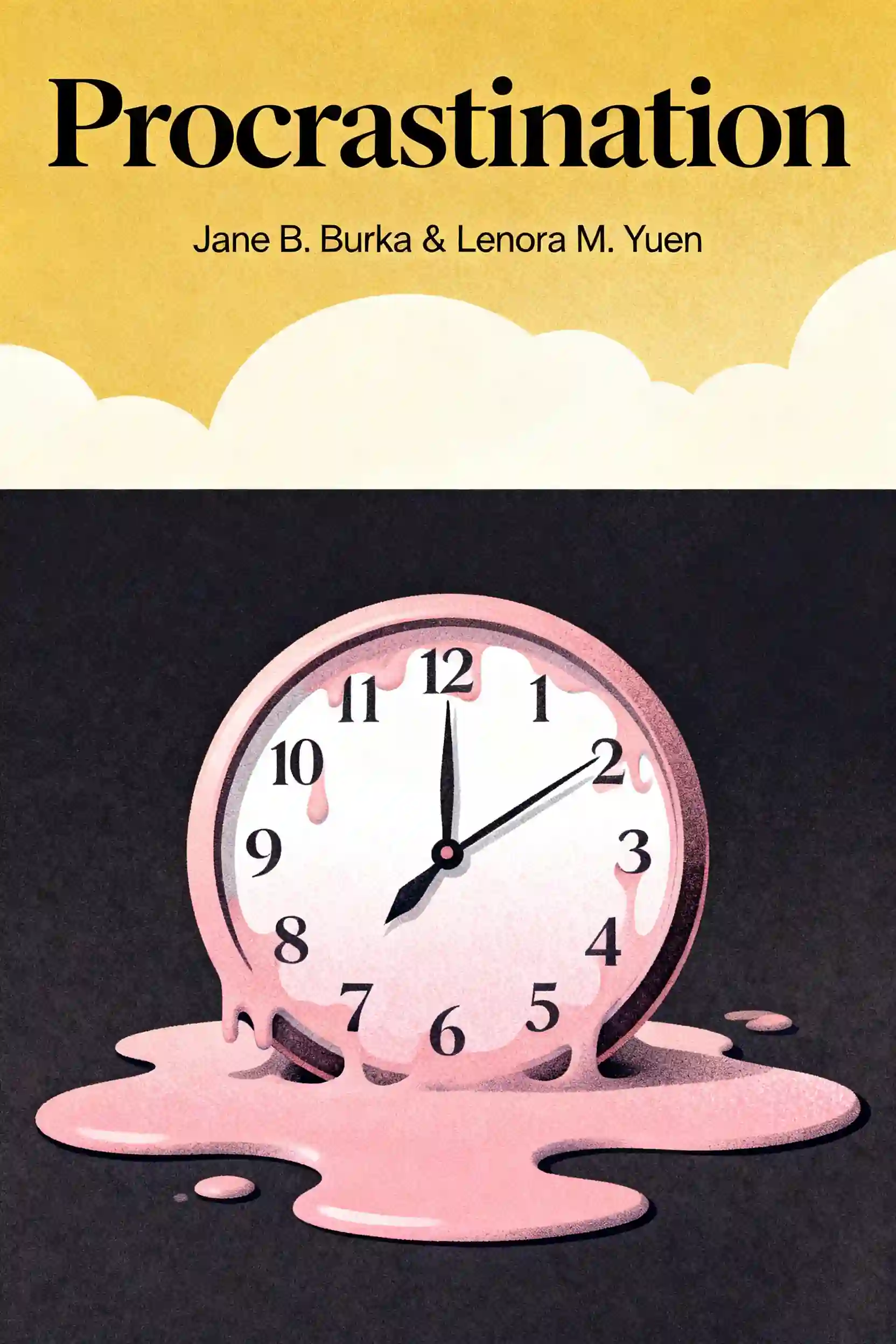
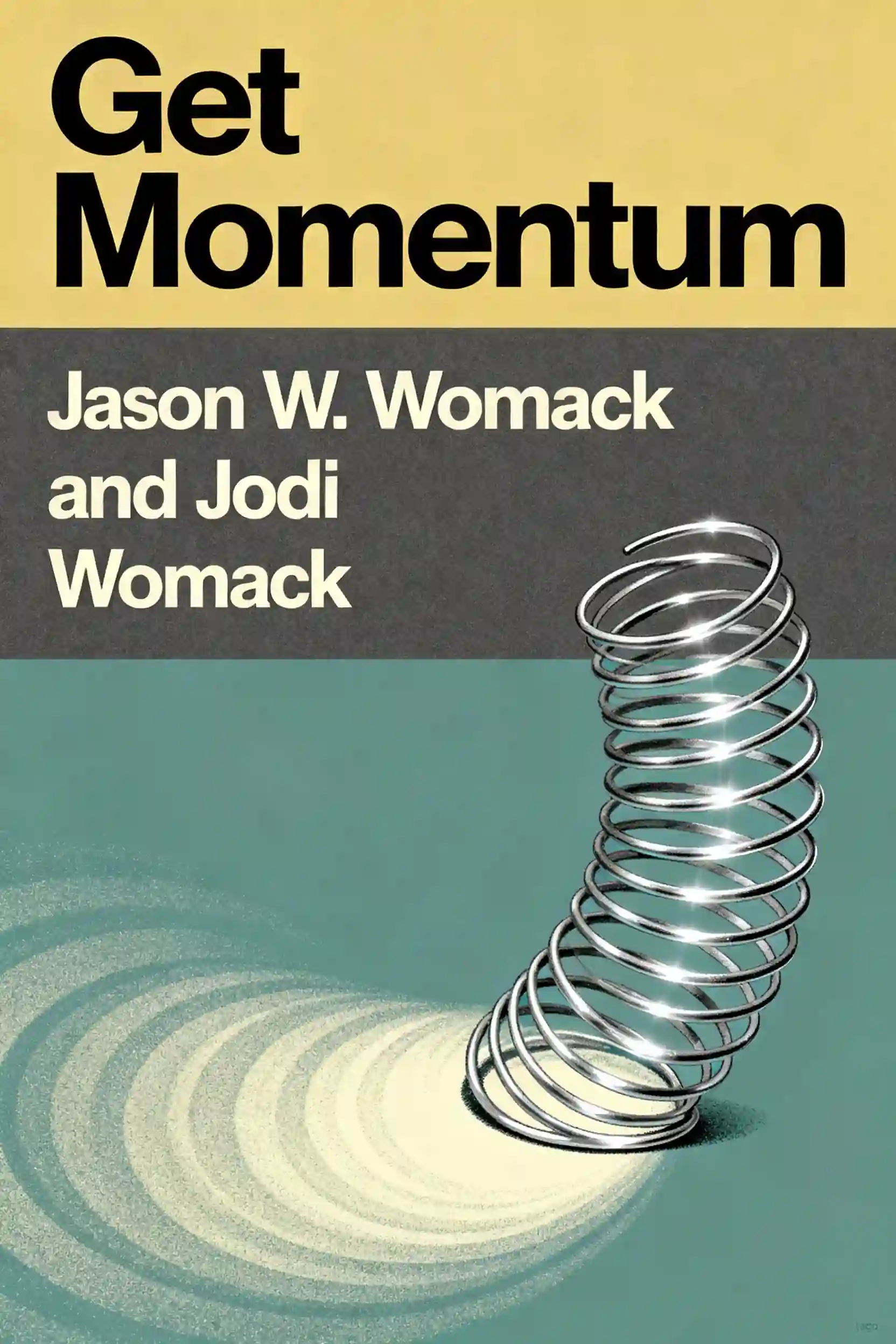
Frequently Asked Questions
Procrastination is not a character flaw or a sign of laziness; it is an emotional defense mechanism. Your brain’s limbic system, which is responsible for immediate mood repair, perceives a stressful or boring task as a literal threat. To protect you from this discomfort, it triggers an "amygdala hijack" that shuts down the logical prefrontal cortex, leading you to choose immediate rewards—like social media—over long-term goals.
Research shows that chronic procrastinators often fail to emotionally identify with their future selves, making it easy to offload stressful work onto "tomorrow-me." You can bridge this gap using "mental time travel." Spend 90 seconds vividly imagining your future self in two scenarios: one where the task remains unfinished and the stress has compounded, and another where the task is complete and you feel relieved. Making that future version of yourself feel "real" helps your brain prioritize long-term benefits.
The two-minute rule involves downscaling any daunting task into a version that takes only 120 seconds to start, such as "opening a document" instead of "writing a report." This works because it lowers the "activation energy" required to move from rest to motion, bypassing the limbic system's threat response. Once you start, the Zeigarnik Effect creates cognitive tension that naturally drives you to finish the "open loop" you just created.
Vague goals like "I'll work on this later" require constant decision-making, which exhausts your willpower and gives your brain chances to opt out. An "if-then" plan (or implementation intention) creates a specific trigger and an automatic response, such as: "If it is 9:00 AM and I have my coffee, then I will write the first line of the budget." This removes the need for conscious deliberation and turns the start of a task into a reflexive habit.
Many people believe self-criticism provides motivation, but it actually creates a "guilt-avoidance" loop. When you beat yourself up for procrastinating, you attach more negative emotions—like shame and self-loathing—to the task, making your brain even more likely to avoid it in the future. Forgiving yourself reduces this negative emotional charge, lowering your stress and allowing your logical prefrontal cortex to re-engage with the work.
Discover more

Stop procrastination
Stop procrastination
Procrastination is often an emotional regulation issue rather than a lack of time management. This plan is essential for professionals and students who feel stuck in a cycle of avoidance and want to transition from reactive stress to proactive high performance.

Beat Procrastination, Organize & Stay Focused
Beat Procrastination, Organize & Stay Focused
Procrastination is often a struggle with emotion regulation rather than a lack of willpower. This plan is essential for professionals and students who feel overwhelmed by their workload and need a science-backed system to regain control of their time and focus.

Understand the resistance before tasks
Understand the resistance before tasks
This plan is essential for professionals and students who struggle with chronic procrastination and the mental friction that precedes difficult work. It provides a deep dive into the psychological roots of avoidance, offering actionable CBT tools to help high-achievers reclaim their focus.
Act on small things I keep avoiding
Act on small things I keep avoiding
Many people struggle with procrastination not due to laziness, but because of how their brain processes perceived threats in small tasks. This plan is ideal for professionals and students who feel paralyzed by minor to-dos and want to transition from chronic avoidance to effortless action.

Learn, reduce anxiety, and boost productivity
Learn, reduce anxiety, and boost productivity
In an era of constant distraction and rising stress, the ability to regulate your nervous system while maintaining high performance is a vital skill. This plan is designed for professionals and students who want to replace anxiety-driven procrastination with calm, systematic productivity.
No be lazy and get up
No be lazy and get up
This learning plan is designed for anyone who struggles with procrastination, low energy, or difficulty maintaining consistent action toward their goals. It's especially valuable for those who feel stuck in cycles of temporary motivation followed by inaction, offering science-backed strategies to create lasting behavioral change. Whether you're battling morning sluggishness or struggling to follow through on important tasks, this program provides practical tools to transform intention into consistent action.
I want to be able to get through procrastination and manage my business well keep a nice habit building by also giving up some bad habits
I want to be able to get through procrastination and manage my business well keep a nice habit building by also giving up some bad habits
Procrastination and ineffective habits are common barriers to business success, costing entrepreneurs valuable time, opportunities, and mental energy. This learning plan combines psychological insights with practical business management strategies to help professionals overcome these challenges and create sustainable systems for long-term growth.
I want to be my productive and less lazy
I want to be my productive and less lazy
This learning plan is designed for anyone struggling with procrastination, distraction, or inconsistent productivity who wants to transform their work habits from the ground up. It's particularly valuable for professionals, students, entrepreneurs, and creatives who feel capable of more but find themselves stuck in cycles of avoidance and underperformance. By combining neuroscience, behavioral psychology, and proven performance strategies, this plan provides a comprehensive roadmap from understanding why you struggle to building lasting systems for sustained excellence.
From Columbia University alumni built in San Francisco
"Instead of endless scrolling, I just hit play on BeFreed. It saves me so much time."


"I never knew where to start with nonfiction—BeFreed’s book lists turned into podcasts gave me a clear path."


"Perfect balance between learning and entertainment. Finished ‘Thinking, Fast and Slow’ on my commute this week."
"Crazy how much I learned while walking the dog. BeFreed = small habits → big gains."
"Reading used to feel like a chore. Now it’s just part of my lifestyle."

"Feels effortless compared to reading. I’ve finished 6 books this month already."
"BeFreed turned my guilty doomscrolling into something that feels productive and inspiring."

"BeFreed turned my commute into learning time. 20-min podcasts are perfect for finishing books I never had time for."
"BeFreed replaced my podcast queue. Imagine Spotify for books — that’s it. 🙌"

"It is great for me to learn something from the book without reading it."
"The themed book list podcasts help me connect ideas across authors—like a guided audio journey."
"Makes me feel smarter every time before going to work"
From Columbia University alumni built in San Francisco
"Instead of endless scrolling, I just hit play on BeFreed. It saves me so much time."
"I never knew where to start with nonfiction—BeFreed’s book lists turned into podcasts gave me a clear path."
"Perfect balance between learning and entertainment. Finished ‘Thinking, Fast and Slow’ on my commute this week."
"Crazy how much I learned while walking the dog. BeFreed = small habits → big gains."
"Reading used to feel like a chore. Now it’s just part of my lifestyle."
"Feels effortless compared to reading. I’ve finished 6 books this month already."
"BeFreed turned my guilty doomscrolling into something that feels productive and inspiring."
"BeFreed turned my commute into learning time. 20-min podcasts are perfect for finishing books I never had time for."
"BeFreed replaced my podcast queue. Imagine Spotify for books — that’s it. 🙌"
"It is great for me to learn something from the book without reading it."
"The themed book list podcasts help me connect ideas across authors—like a guided audio journey."
"Makes me feel smarter every time before going to work"
"Instead of endless scrolling, I just hit play on BeFreed. It saves me so much time."
"I never knew where to start with nonfiction—BeFreed’s book lists turned into podcasts gave me a clear path."
"Perfect balance between learning and entertainment. Finished ‘Thinking, Fast and Slow’ on my commute this week."
"Crazy how much I learned while walking the dog. BeFreed = small habits → big gains."
"Reading used to feel like a chore. Now it’s just part of my lifestyle."
"Feels effortless compared to reading. I’ve finished 6 books this month already."
"BeFreed turned my guilty doomscrolling into something that feels productive and inspiring."
"BeFreed turned my commute into learning time. 20-min podcasts are perfect for finishing books I never had time for."
"BeFreed replaced my podcast queue. Imagine Spotify for books — that’s it. 🙌"
"It is great for me to learn something from the book without reading it."
"The themed book list podcasts help me connect ideas across authors—like a guided audio journey."
"Makes me feel smarter every time before going to work"
"Instead of endless scrolling, I just hit play on BeFreed. It saves me so much time."
"I never knew where to start with nonfiction—BeFreed’s book lists turned into podcasts gave me a clear path."
"Perfect balance between learning and entertainment. Finished ‘Thinking, Fast and Slow’ on my commute this week."
"Crazy how much I learned while walking the dog. BeFreed = small habits → big gains."
"Reading used to feel like a chore. Now it’s just part of my lifestyle."
"Feels effortless compared to reading. I’ve finished 6 books this month already."
"BeFreed turned my guilty doomscrolling into something that feels productive and inspiring."
"BeFreed turned my commute into learning time. 20-min podcasts are perfect for finishing books I never had time for."
"BeFreed replaced my podcast queue. Imagine Spotify for books — that’s it. 🙌"
"It is great for me to learn something from the book without reading it."
"The themed book list podcasts help me connect ideas across authors—like a guided audio journey."
"Makes me feel smarter every time before going to work"


