
Why No Contact is Necessary After a Breakup
Struggling to stop texting your ex? Learn why your brain treats a breakup like withdrawal and how silence helps you break the cycle to reclaim your power.

Best quote from Why No Contact is Necessary After a Breakup
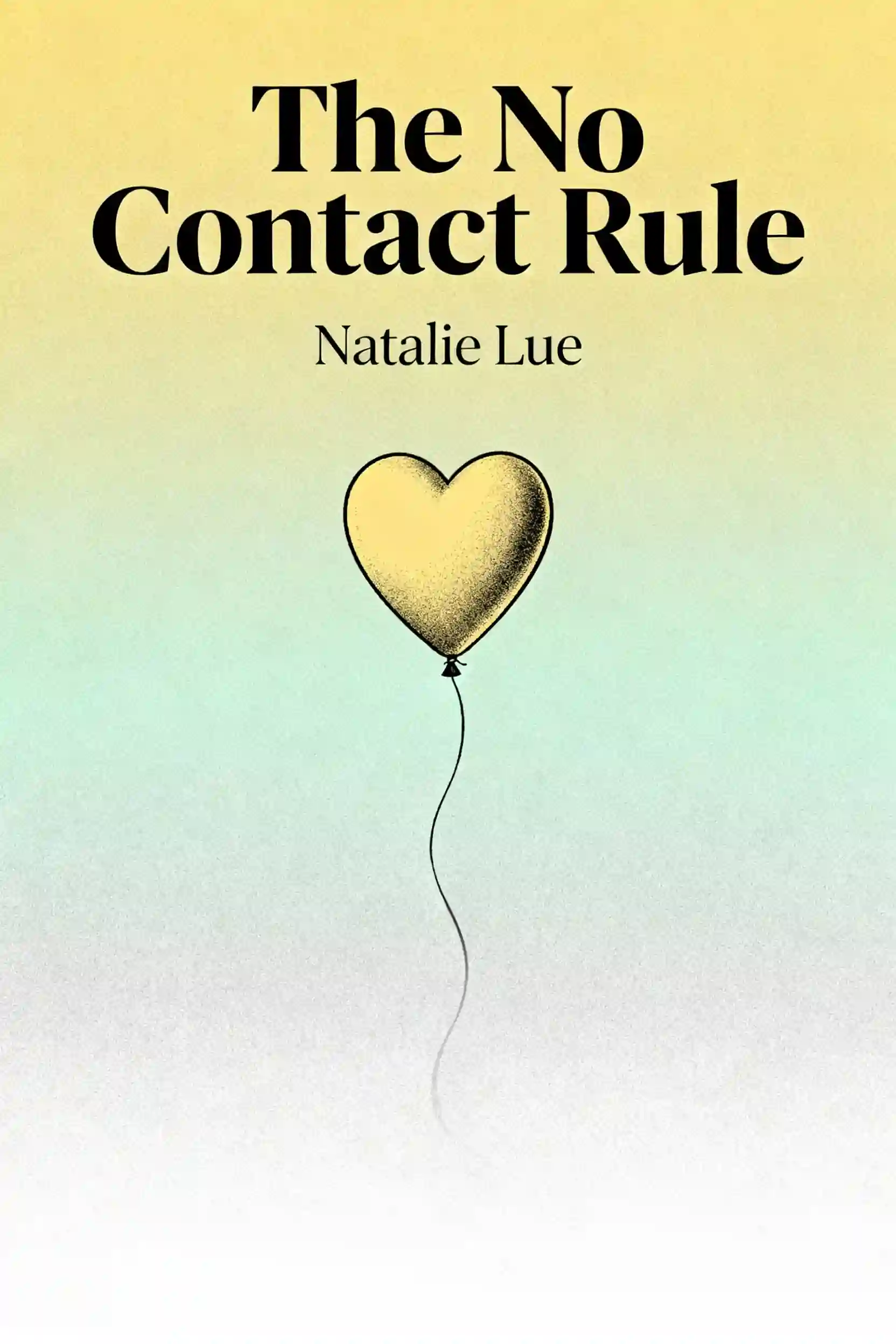
The No Contact Rule is a neurochemical detox that interrupts the addiction cycle, allowing your prefrontal cortex to come back online after being hijacked by the emotional limbic system. By creating silence, you move from a state of emergency back to a state of equilibrium, giving your brain the 21 to 90 days it needs to normalize cortisol and dopamine levels.

This audio lesson was created by a BeFreed community member
Why is no contact period crucial after break up

Frequently Asked Questions
According to research by Dr. Helen Fisher, the brain of someone going through a breakup looks nearly identical to a brain withdrawing from a drug like cocaine. When a relationship ends, the supply of "feel-good" chemicals like oxytocin and dopamine is abruptly cut off. This causes dopamine levels to plummet, leading to physical cravings, anxiety, and an obsessive urge to contact an ex-partner just to get a chemical "fix."
The No Contact Rule is a period of total silence—ideally lasting between 30 and 90 days—where you stop all communication and social media monitoring of an ex. This serves as a "neurochemical detox" that allows the body’s stress hormones, like cortisol, to drop and the prefrontal cortex to regain control over the emotional centers of the brain. By removing the "intermittent reinforcement" of occasional texts or social media updates, your brain receptors can finally recalibrate and break the addiction cycle.
The timeline for the "dumper" is often the reverse of the person who was left. Initially, the person who ended things may feel a spike in serotonin and a sense of "separation elation" or relief. However, after two to three months of total silence, that relief often fades and is replaced by an "oxytocin void." Without the validation of the other person reaching out, the dumper may experience "psychological reactance," where they begin to question their decision and feel the loss of the "option" to have that person in their life.
A trauma bond is a specific psychological attachment formed through a cycle of intense conflict followed by relief or "love-bombing." This creates a powerful addiction to the highs of reconciliation. In these cases, the nervous system becomes stuck in a "freeze" state, and the brain often filters out red flags to focus only on positive memories. Breaking a trauma bond requires strict no-contact and "digital hygiene"—such as blocking and deleting photos—to prevent the amygdala from being constantly triggered into a state of alarm.
Listeners can use the "3-2-1 method" to manage sudden urges: count backward from three, take two deep breaths, and perform one redirecting activity like exercise or calling a friend. Another effective tool is the "Why Jar," which involves writing down the reasons the relationship failed to counter the brain's tendency to romanticize the past. For those who must communicate due to kids or work, "Modified No Contact" is recommended, which involves keeping interactions strictly brief, neutral, and business-like.
Discover more

Recovering from breakup
Recovering from breakup
Breakups are among life's most painful experiences, triggering real neurological responses similar to physical pain and withdrawal. This learning plan provides a evidence-based, compassionate roadmap for anyone navigating the aftermath of a relationship ending, whether you're struggling with acute heartbreak or ready to build healthier patterns for the future. It's designed for those who want to heal thoroughly rather than simply move on, transforming loss into an opportunity for profound personal growth.

Move on from ex and date new people
Move on from ex and date new people
This plan is designed for anyone struggling to move past a breakup and wanting to break old relationship cycles. It provides a structured path from emotional healing to confident dating and secure attachment.

Post-breakup growth and dating guidance
Post-breakup growth and dating guidance
This plan is designed for individuals navigating the aftermath of a breakup who want to transform their pain into personal power. It bridges the gap between emotional healing and practical dating skills, making it ideal for anyone seeking to break old patterns and build a secure, lasting romantic future.

Build self-worth and let go of my ex
Build self-worth and let go of my ex
This plan is essential for anyone struggling to move on after a breakup and feeling a loss of self-identity. It provides a structured path to move from emotional dependency to a state of empowered, independent self-worth.
Navigate no-contact decision with parent
Navigate no-contact decision with parent
This guide provides a compassionate roadmap for individuals struggling with harmful parental relationships. It is designed for those seeking to protect their mental health by navigating the complex emotional and practical steps of going no-contact.
Fix toxic habits to win back my ex
Fix toxic habits to win back my ex
This plan is designed for individuals seeking to break cycles of conflict and personal dysfunction to save a meaningful relationship. It bridges the gap between psychological self-awareness and practical communication skills for those ready to undergo deep personal transformation.

i’d like to learn better on how to move on from a toxic relationship
i’d like to learn better on how to move on from a toxic relationship
Breaking free from toxic relationships requires understanding, healing, and rebuilding. This learning plan guides those struggling with unhealthy relationship patterns through recognition, recovery, and renewal, empowering them to create healthier connections while prioritizing their emotional wellbeing.
Get my ex back
Get my ex back
This plan is designed for individuals seeking to heal and improve themselves after a relationship ends. It provides a structured path from emotional recovery to strategic reconciliation for those wanting a second chance.
From Columbia University alumni built in San Francisco
"Instead of endless scrolling, I just hit play on BeFreed. It saves me so much time."


"I never knew where to start with nonfiction—BeFreed’s book lists turned into podcasts gave me a clear path."


"Perfect balance between learning and entertainment. Finished ‘Thinking, Fast and Slow’ on my commute this week."
"Crazy how much I learned while walking the dog. BeFreed = small habits → big gains."
"Reading used to feel like a chore. Now it’s just part of my lifestyle."

"Feels effortless compared to reading. I’ve finished 6 books this month already."
"BeFreed turned my guilty doomscrolling into something that feels productive and inspiring."

"BeFreed turned my commute into learning time. 20-min podcasts are perfect for finishing books I never had time for."
"BeFreed replaced my podcast queue. Imagine Spotify for books — that’s it. 🙌"

"It is great for me to learn something from the book without reading it."
"The themed book list podcasts help me connect ideas across authors—like a guided audio journey."
"Makes me feel smarter every time before going to work"
From Columbia University alumni built in San Francisco
"Instead of endless scrolling, I just hit play on BeFreed. It saves me so much time."
"I never knew where to start with nonfiction—BeFreed’s book lists turned into podcasts gave me a clear path."
"Perfect balance between learning and entertainment. Finished ‘Thinking, Fast and Slow’ on my commute this week."
"Crazy how much I learned while walking the dog. BeFreed = small habits → big gains."
"Reading used to feel like a chore. Now it’s just part of my lifestyle."
"Feels effortless compared to reading. I’ve finished 6 books this month already."
"BeFreed turned my guilty doomscrolling into something that feels productive and inspiring."
"BeFreed turned my commute into learning time. 20-min podcasts are perfect for finishing books I never had time for."
"BeFreed replaced my podcast queue. Imagine Spotify for books — that’s it. 🙌"
"It is great for me to learn something from the book without reading it."
"The themed book list podcasts help me connect ideas across authors—like a guided audio journey."
"Makes me feel smarter every time before going to work"
"Instead of endless scrolling, I just hit play on BeFreed. It saves me so much time."
"I never knew where to start with nonfiction—BeFreed’s book lists turned into podcasts gave me a clear path."
"Perfect balance between learning and entertainment. Finished ‘Thinking, Fast and Slow’ on my commute this week."
"Crazy how much I learned while walking the dog. BeFreed = small habits → big gains."
"Reading used to feel like a chore. Now it’s just part of my lifestyle."
"Feels effortless compared to reading. I’ve finished 6 books this month already."
"BeFreed turned my guilty doomscrolling into something that feels productive and inspiring."
"BeFreed turned my commute into learning time. 20-min podcasts are perfect for finishing books I never had time for."
"BeFreed replaced my podcast queue. Imagine Spotify for books — that’s it. 🙌"
"It is great for me to learn something from the book without reading it."
"The themed book list podcasts help me connect ideas across authors—like a guided audio journey."
"Makes me feel smarter every time before going to work"
"Instead of endless scrolling, I just hit play on BeFreed. It saves me so much time."
"I never knew where to start with nonfiction—BeFreed’s book lists turned into podcasts gave me a clear path."
"Perfect balance between learning and entertainment. Finished ‘Thinking, Fast and Slow’ on my commute this week."
"Crazy how much I learned while walking the dog. BeFreed = small habits → big gains."
"Reading used to feel like a chore. Now it’s just part of my lifestyle."
"Feels effortless compared to reading. I’ve finished 6 books this month already."
"BeFreed turned my guilty doomscrolling into something that feels productive and inspiring."
"BeFreed turned my commute into learning time. 20-min podcasts are perfect for finishing books I never had time for."
"BeFreed replaced my podcast queue. Imagine Spotify for books — that’s it. 🙌"
"It is great for me to learn something from the book without reading it."
"The themed book list podcasts help me connect ideas across authors—like a guided audio journey."
"Makes me feel smarter every time before going to work"


