
Avoidant breakup healing when you don't get closure
Struggling with the silence after a breakup? Understand the biology of avoidance and learn how to create your own closure without needing an ex's input.

Best quote from Avoidant breakup healing when you don't get closure
Their silence is their strategy, not my worth. It’s not that you aren't worth an explanation; it’s that they don't have the internal hardware to provide one right now without feeling like they’re going to disintegrate.

This audio lesson was created by a BeFreed community member
Coping with the aftermath of a relationship with an avoidant partner

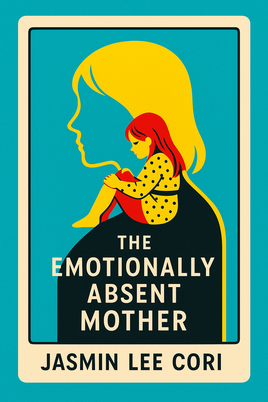
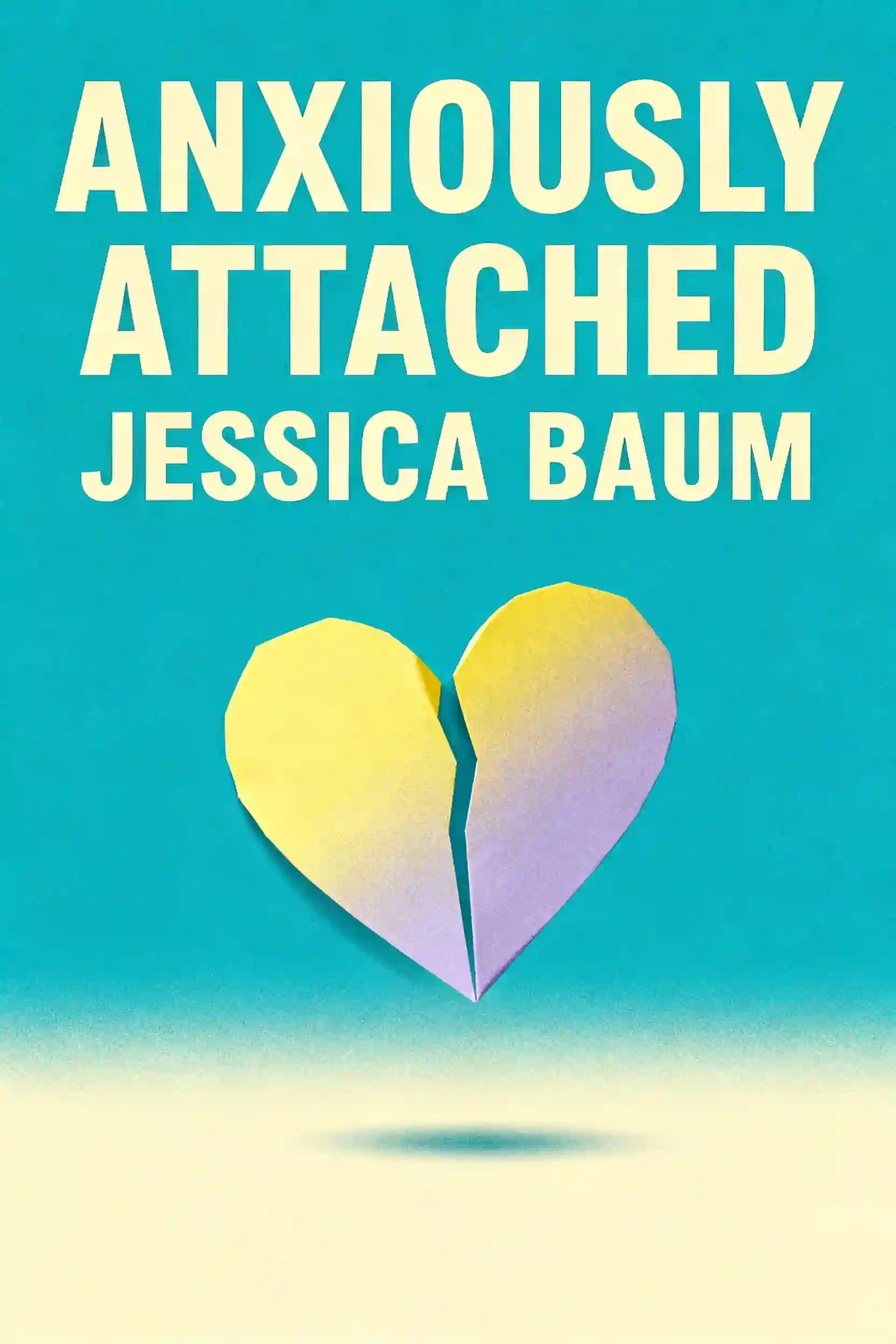
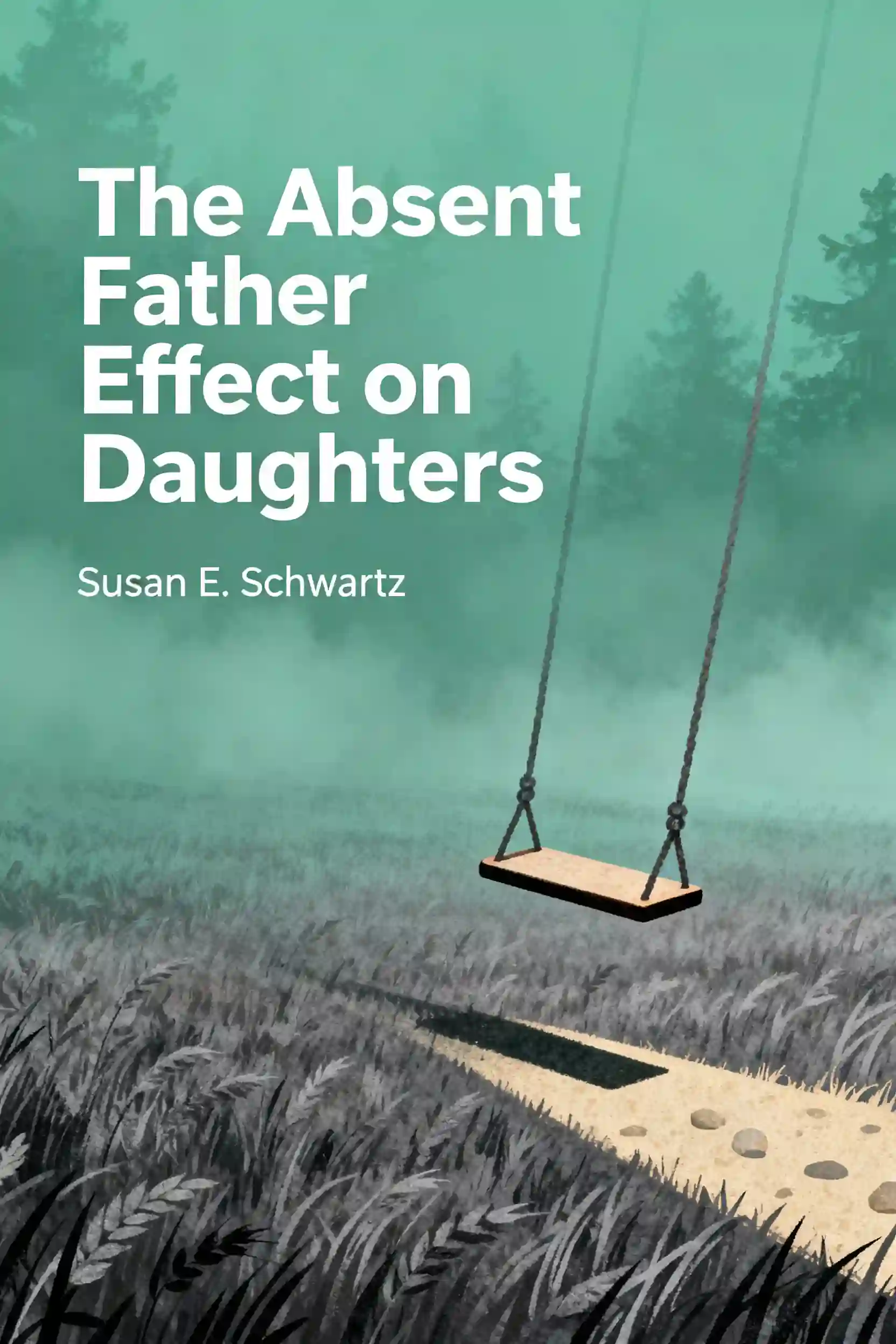

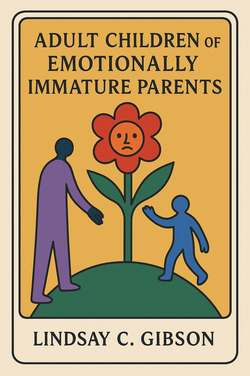
Frequently Asked Questions
This behavior is often a biological "deactivation strategy" rather than a personal choice or a lack of caring. For individuals with avoidant attachment, the brain’s amygdala perceives emotional intimacy as a threat, triggering a "circuit breaker" that shuts down attachment circuits to ensure survival. This leads to a state of hyper-rationality and numbing, where they may dive into new hobbies or relationships specifically to keep their "psychological bunker" closed and postpone the pain of grief.
Modern psychology suggests that grief is not a linear ladder but rather a spiral or waves in the ocean. You may revisit intense feelings of anger or sadness, but you are doing so from a higher level of understanding each time. These "waves" are often your brain attempting to reorganize its neural pathways and adjust to the loss of "biological regulation" that occurred when your nervous system was synced with your partner's.
This trap is a cycle where one partner’s need for connection triggers the other partner’s need for distance. When an anxious partner pursues reassurance, the avoidant partner feels "engulfed" and pulls away faster. This dynamic often creates a "trauma bond" fueled by intermittent reinforcement; the occasional "highs" of closeness create a dopamine loop in the brain similar to a gambling addiction, making the "lows" of withdrawal feel physically painful.
In an avoidant dynamic, the closure you seek likely doesn't exist in the other person's mind because their brain has partitioned off the emotional part of the story. True closure must be self-generated by depersonalizing the silence. It involves acknowledging that the relationship ended because the partner hit their internal limit for closeness, which is a reflection of their neurological wiring rather than your personal worth or "enoughness."
Earned security is the clinical term for individuals who did not have secure attachments in childhood but work to build a secure internal model in adulthood. This process involves "re-parenting" your nervous system, learning to tolerate vulnerability, and recalibrating your definition of love so that consistency feels attractive rather than "boring." It is achieved by choosing self-compassion and setting boundaries that prioritize your own peace over dysfunctional connections.
Discover more

Recovering from breakup
Recovering from breakup
Breakups are among life's most painful experiences, triggering real neurological responses similar to physical pain and withdrawal. This learning plan provides a evidence-based, compassionate roadmap for anyone navigating the aftermath of a relationship ending, whether you're struggling with acute heartbreak or ready to build healthier patterns for the future. It's designed for those who want to heal thoroughly rather than simply move on, transforming loss into an opportunity for profound personal growth.

Overcome avoidant attachment for better bonds
Overcome avoidant attachment for better bonds
Avoidant attachment patterns often create invisible barriers to meaningful relationships, causing emotional distance despite a desire for connection. This learning plan helps those who find themselves pulling away from intimacy, struggle with vulnerability, or notice patterns of self-sabotage in relationships.

Move through grief after 7-year breakup
Move through grief after 7-year breakup
Ending a long-term chapter requires more than just time; it requires a structured approach to emotional reconstruction. This plan is designed for individuals feeling lost after a multi-year breakup who need professional strategies to regain their identity and peace.

Heal & love myself after breakup anxiety
Heal & love myself after breakup anxiety
This learning plan is essential for anyone struggling with the paralyzing anxiety and loss of identity that often follows a significant breakup. It provides a structured path for individuals to transition from emotional overwhelm to a place of empowered self-love and stability.
Rebuild motivation after romantic rejection
Rebuild motivation after romantic rejection
Romantic rejection can be neurologically paralyzing, often stalling personal and professional progress. This plan is designed for anyone struggling to regain their drive after a breakup, providing a roadmap to transform emotional pain into self-actualization.

Embrace healthy love & singlehood contentment
Embrace healthy love & singlehood contentment
This learning plan is essential for anyone struggling with relationship anxiety, repeated patterns in dating, or feeling incomplete without a partner. It's particularly valuable for those healing from past relationships, entering the dating world after a break, or simply wanting to build healthier connection skills. By combining attachment theory, boundary-setting, and self-worth development, you'll gain the tools to create fulfilling relationships while feeling genuinely content on your own.
Heal abandonment trauma
Heal abandonment trauma
Abandonment trauma shapes how we relate to ourselves and others, often creating patterns of anxiety, fear of rejection, and difficulty trusting in relationships. This learning plan is designed for anyone who struggles with insecure attachment, fears of being left behind, or recognizes that childhood experiences continue to impact their adult relationships and self-worth.
Heal from emotionally unavailable parenting
Heal from emotionally unavailable parenting
This plan is designed for adults who grew up with emotionally distant or immature caregivers and struggle with self-worth or relationship patterns. It provides a structured path to move from survival-based coping mechanisms to a life of secure attachment and authentic connection.
From Columbia University alumni built in San Francisco
"Instead of endless scrolling, I just hit play on BeFreed. It saves me so much time."


"I never knew where to start with nonfiction—BeFreed’s book lists turned into podcasts gave me a clear path."


"Perfect balance between learning and entertainment. Finished ‘Thinking, Fast and Slow’ on my commute this week."
"Crazy how much I learned while walking the dog. BeFreed = small habits → big gains."
"Reading used to feel like a chore. Now it’s just part of my lifestyle."

"Feels effortless compared to reading. I’ve finished 6 books this month already."
"BeFreed turned my guilty doomscrolling into something that feels productive and inspiring."

"BeFreed turned my commute into learning time. 20-min podcasts are perfect for finishing books I never had time for."
"BeFreed replaced my podcast queue. Imagine Spotify for books — that’s it. 🙌"

"It is great for me to learn something from the book without reading it."
"The themed book list podcasts help me connect ideas across authors—like a guided audio journey."
"Makes me feel smarter every time before going to work"
From Columbia University alumni built in San Francisco
"Instead of endless scrolling, I just hit play on BeFreed. It saves me so much time."
"I never knew where to start with nonfiction—BeFreed’s book lists turned into podcasts gave me a clear path."
"Perfect balance between learning and entertainment. Finished ‘Thinking, Fast and Slow’ on my commute this week."
"Crazy how much I learned while walking the dog. BeFreed = small habits → big gains."
"Reading used to feel like a chore. Now it’s just part of my lifestyle."
"Feels effortless compared to reading. I’ve finished 6 books this month already."
"BeFreed turned my guilty doomscrolling into something that feels productive and inspiring."
"BeFreed turned my commute into learning time. 20-min podcasts are perfect for finishing books I never had time for."
"BeFreed replaced my podcast queue. Imagine Spotify for books — that’s it. 🙌"
"It is great for me to learn something from the book without reading it."
"The themed book list podcasts help me connect ideas across authors—like a guided audio journey."
"Makes me feel smarter every time before going to work"
"Instead of endless scrolling, I just hit play on BeFreed. It saves me so much time."
"I never knew where to start with nonfiction—BeFreed’s book lists turned into podcasts gave me a clear path."
"Perfect balance between learning and entertainment. Finished ‘Thinking, Fast and Slow’ on my commute this week."
"Crazy how much I learned while walking the dog. BeFreed = small habits → big gains."
"Reading used to feel like a chore. Now it’s just part of my lifestyle."
"Feels effortless compared to reading. I’ve finished 6 books this month already."
"BeFreed turned my guilty doomscrolling into something that feels productive and inspiring."
"BeFreed turned my commute into learning time. 20-min podcasts are perfect for finishing books I never had time for."
"BeFreed replaced my podcast queue. Imagine Spotify for books — that’s it. 🙌"
"It is great for me to learn something from the book without reading it."
"The themed book list podcasts help me connect ideas across authors—like a guided audio journey."
"Makes me feel smarter every time before going to work"
"Instead of endless scrolling, I just hit play on BeFreed. It saves me so much time."
"I never knew where to start with nonfiction—BeFreed’s book lists turned into podcasts gave me a clear path."
"Perfect balance between learning and entertainment. Finished ‘Thinking, Fast and Slow’ on my commute this week."
"Crazy how much I learned while walking the dog. BeFreed = small habits → big gains."
"Reading used to feel like a chore. Now it’s just part of my lifestyle."
"Feels effortless compared to reading. I’ve finished 6 books this month already."
"BeFreed turned my guilty doomscrolling into something that feels productive and inspiring."
"BeFreed turned my commute into learning time. 20-min podcasts are perfect for finishing books I never had time for."
"BeFreed replaced my podcast queue. Imagine Spotify for books — that’s it. 🙌"
"It is great for me to learn something from the book without reading it."
"The themed book list podcasts help me connect ideas across authors—like a guided audio journey."
"Makes me feel smarter every time before going to work"


