
When Memory Feels Broken: Dissociation After Trauma
Exploring the surprising gap between how trauma memories feel fragmented versus how they actually function, and what this means for healing and recovery.

Best quote from When Memory Feels Broken: Dissociation After Trauma
Dissociation and memory fragmentation are not signs of brokenness—they're signs of a nervous system that knew how to protect you when you needed it most.

This audio lesson was created by a BeFreed community member
Dissociation and memory recall after trauma

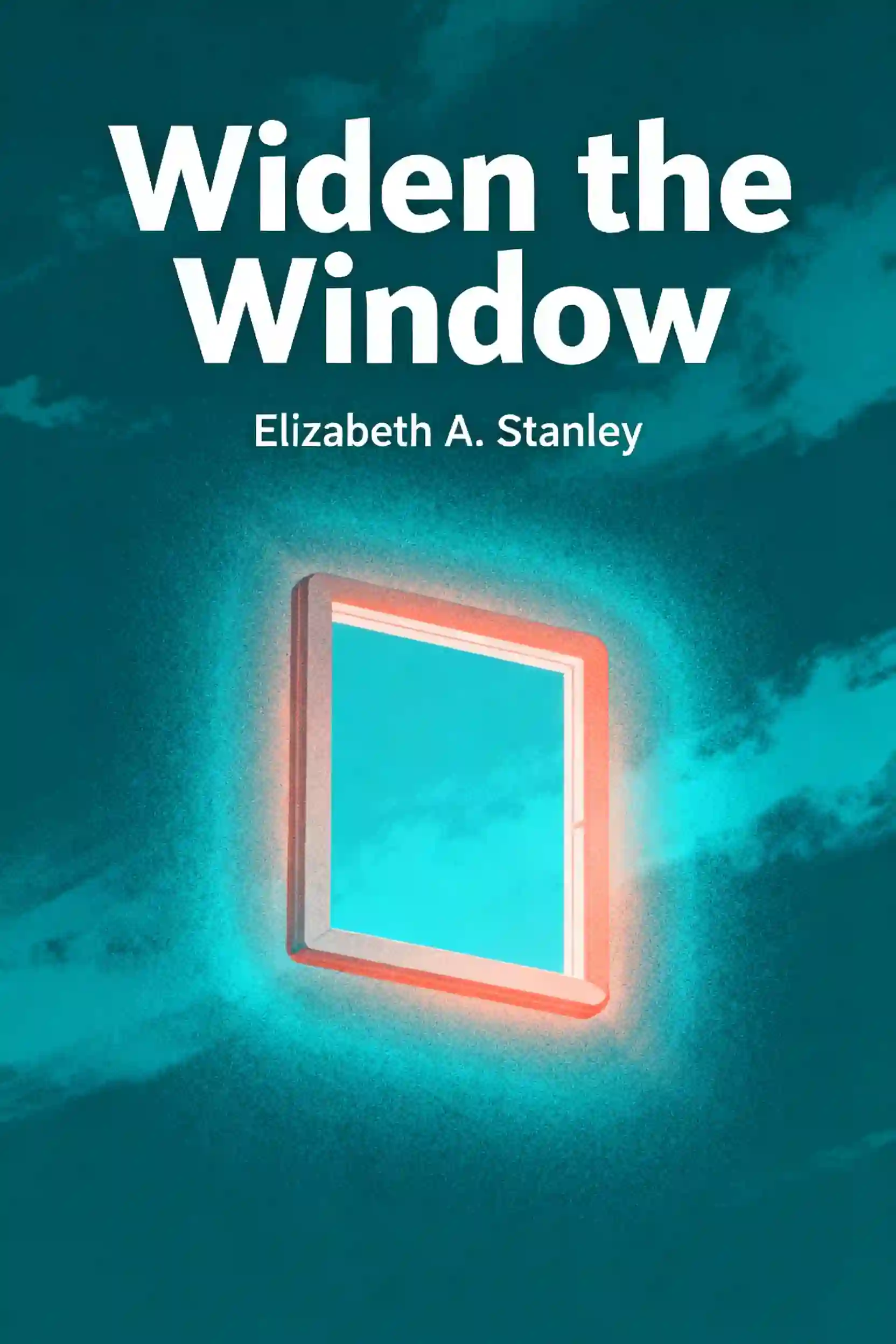

Discover more

Heal trauma to regain control
Heal trauma to regain control
This learning plan is essential for anyone struggling with the lasting effects of trauma who feels stuck in survival mode or disconnected from their body. It's particularly valuable for those who've tried traditional therapy but still experience triggers, hypervigilance, or emotional numbness, offering a comprehensive approach that addresses trauma where it lives—in the nervous system and body.

Heal trauma for better bonds
Heal trauma for better bonds
This learning plan is essential for anyone whose past experiences—whether childhood wounds, past relationships, or other traumas—continue to impact their ability to form healthy, secure connections. It's particularly valuable for those struggling with relationship anxiety, emotional avoidance, or repeating unhealthy patterns, offering a science-backed roadmap from understanding trauma's effects to building the secure, intimate relationships they deserve.

The Body Keeps the Score Summary & Key Takeaways: Treatment of Trauma
Explore key insights from The Body Keeps the Score—how trauma reshapes the brain and body, and how healing is possible through science and self-awareness.
BeFreed Team
Depression trauma
Depression trauma
This learning plan is designed for individuals experiencing depression linked to past trauma who want to understand the mind-body connection and heal at a deeper level. It's especially valuable for those who feel stuck in traditional talk therapy alone and are seeking holistic, evidence-based approaches that address both psychological and physiological aspects of healing. Whether you're beginning your recovery journey or looking to deepen existing practices, this plan offers comprehensive tools for lasting transformation.
Recovering from breakup
Recovering from breakup
Breakups are among life's most painful experiences, triggering real neurological responses similar to physical pain and withdrawal. This learning plan provides a evidence-based, compassionate roadmap for anyone navigating the aftermath of a relationship ending, whether you're struggling with acute heartbreak or ready to build healthier patterns for the future. It's designed for those who want to heal thoroughly rather than simply move on, transforming loss into an opportunity for profound personal growth.
Escape narc abuse & DID exploitation
Escape narc abuse & DID exploitation
This plan is essential for survivors of complex trauma who face the dual challenge of narcissistic abuse and dissociative identity. It provides a roadmap for those seeking to understand their neurological responses and safely transition from exploitation to empowered recovery.

Mental Health, Behavior & Memoirs
Mental Health, Behavior & Memoirs
This plan bridges clinical science with the human experience of recovery and growth. It is ideal for anyone seeking to break destructive patterns, heal from past trauma, or gain deeper empathy through the power of storytelling.

Heal from Bipolar Narcissist & Infidelity
Heal from Bipolar Narcissist & Infidelity
This plan is designed for individuals navigating the aftermath of complex betrayal trauma and emotional abuse. It provides a structured path to physiological healing and psychological empowerment for those ready to reclaim their identity.
From Columbia University alumni built in San Francisco
"Instead of endless scrolling, I just hit play on BeFreed. It saves me so much time."


"I never knew where to start with nonfiction—BeFreed’s book lists turned into podcasts gave me a clear path."


"Perfect balance between learning and entertainment. Finished ‘Thinking, Fast and Slow’ on my commute this week."
"Crazy how much I learned while walking the dog. BeFreed = small habits → big gains."
"Reading used to feel like a chore. Now it’s just part of my lifestyle."

"Feels effortless compared to reading. I’ve finished 6 books this month already."
"BeFreed turned my guilty doomscrolling into something that feels productive and inspiring."

"BeFreed turned my commute into learning time. 20-min podcasts are perfect for finishing books I never had time for."
"BeFreed replaced my podcast queue. Imagine Spotify for books — that’s it. 🙌"

"It is great for me to learn something from the book without reading it."
"The themed book list podcasts help me connect ideas across authors—like a guided audio journey."
"Makes me feel smarter every time before going to work"
From Columbia University alumni built in San Francisco
"Instead of endless scrolling, I just hit play on BeFreed. It saves me so much time."
"I never knew where to start with nonfiction—BeFreed’s book lists turned into podcasts gave me a clear path."
"Perfect balance between learning and entertainment. Finished ‘Thinking, Fast and Slow’ on my commute this week."
"Crazy how much I learned while walking the dog. BeFreed = small habits → big gains."
"Reading used to feel like a chore. Now it’s just part of my lifestyle."
"Feels effortless compared to reading. I’ve finished 6 books this month already."
"BeFreed turned my guilty doomscrolling into something that feels productive and inspiring."
"BeFreed turned my commute into learning time. 20-min podcasts are perfect for finishing books I never had time for."
"BeFreed replaced my podcast queue. Imagine Spotify for books — that’s it. 🙌"
"It is great for me to learn something from the book without reading it."
"The themed book list podcasts help me connect ideas across authors—like a guided audio journey."
"Makes me feel smarter every time before going to work"
"Instead of endless scrolling, I just hit play on BeFreed. It saves me so much time."
"I never knew where to start with nonfiction—BeFreed’s book lists turned into podcasts gave me a clear path."
"Perfect balance between learning and entertainment. Finished ‘Thinking, Fast and Slow’ on my commute this week."
"Crazy how much I learned while walking the dog. BeFreed = small habits → big gains."
"Reading used to feel like a chore. Now it’s just part of my lifestyle."
"Feels effortless compared to reading. I’ve finished 6 books this month already."
"BeFreed turned my guilty doomscrolling into something that feels productive and inspiring."
"BeFreed turned my commute into learning time. 20-min podcasts are perfect for finishing books I never had time for."
"BeFreed replaced my podcast queue. Imagine Spotify for books — that’s it. 🙌"
"It is great for me to learn something from the book without reading it."
"The themed book list podcasts help me connect ideas across authors—like a guided audio journey."
"Makes me feel smarter every time before going to work"
"Instead of endless scrolling, I just hit play on BeFreed. It saves me so much time."
"I never knew where to start with nonfiction—BeFreed’s book lists turned into podcasts gave me a clear path."
"Perfect balance between learning and entertainment. Finished ‘Thinking, Fast and Slow’ on my commute this week."
"Crazy how much I learned while walking the dog. BeFreed = small habits → big gains."
"Reading used to feel like a chore. Now it’s just part of my lifestyle."
"Feels effortless compared to reading. I’ve finished 6 books this month already."
"BeFreed turned my guilty doomscrolling into something that feels productive and inspiring."
"BeFreed turned my commute into learning time. 20-min podcasts are perfect for finishing books I never had time for."
"BeFreed replaced my podcast queue. Imagine Spotify for books — that’s it. 🙌"
"It is great for me to learn something from the book without reading it."
"The themed book list podcasts help me connect ideas across authors—like a guided audio journey."
"Makes me feel smarter every time before going to work"


