
Healing from a Trauma Bond When You Feel Replaced
Breaking a trauma bond is a physiological battle, not a lack of strength. Learn how to untangle survival-driven attachments and reclaim your sovereignty.

Best quote from Healing from a Trauma Bond When You Feel Replaced
The 'situationship' was a place where you were giving a 'scholarship' to someone who wasn't even enrolled in the school. The discard was actually your graduation.

This audio lesson was created by a BeFreed community member
Trying to heal from a trauma bond of a three year Situationship, where I was not chosen he chose the other woman whom he now is engaged to. I am beautiful high achieving going for my second degree of black belt have two masters degrees have been teaching for 27 years and training to mountain climb. I’m an excellent communicator and I’ve been like a therapist to this man this rejection stings so bad especially because my child just got out of the hospital and my ex just died help me i’m angry

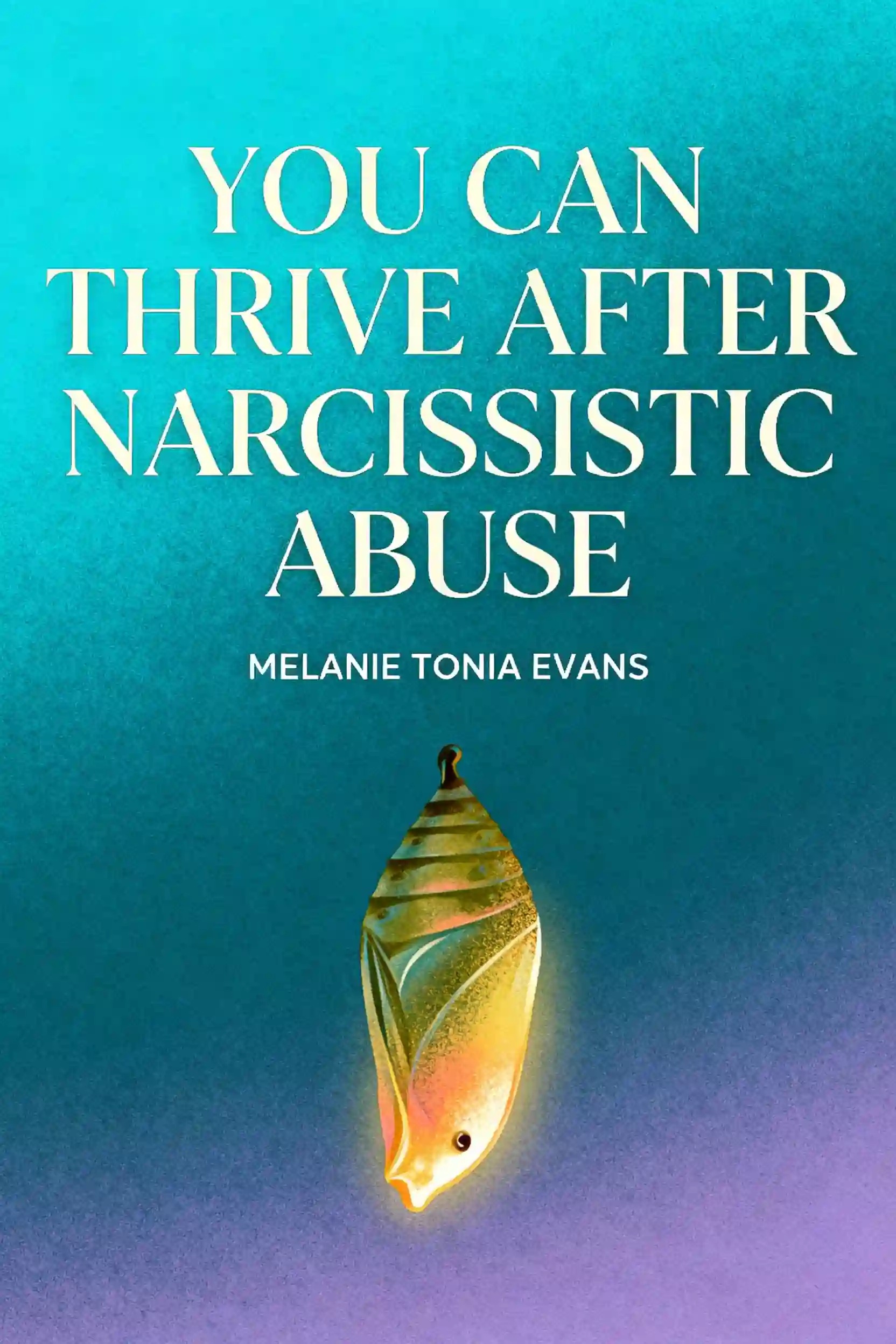
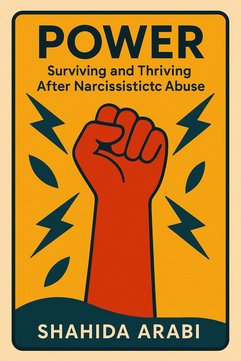
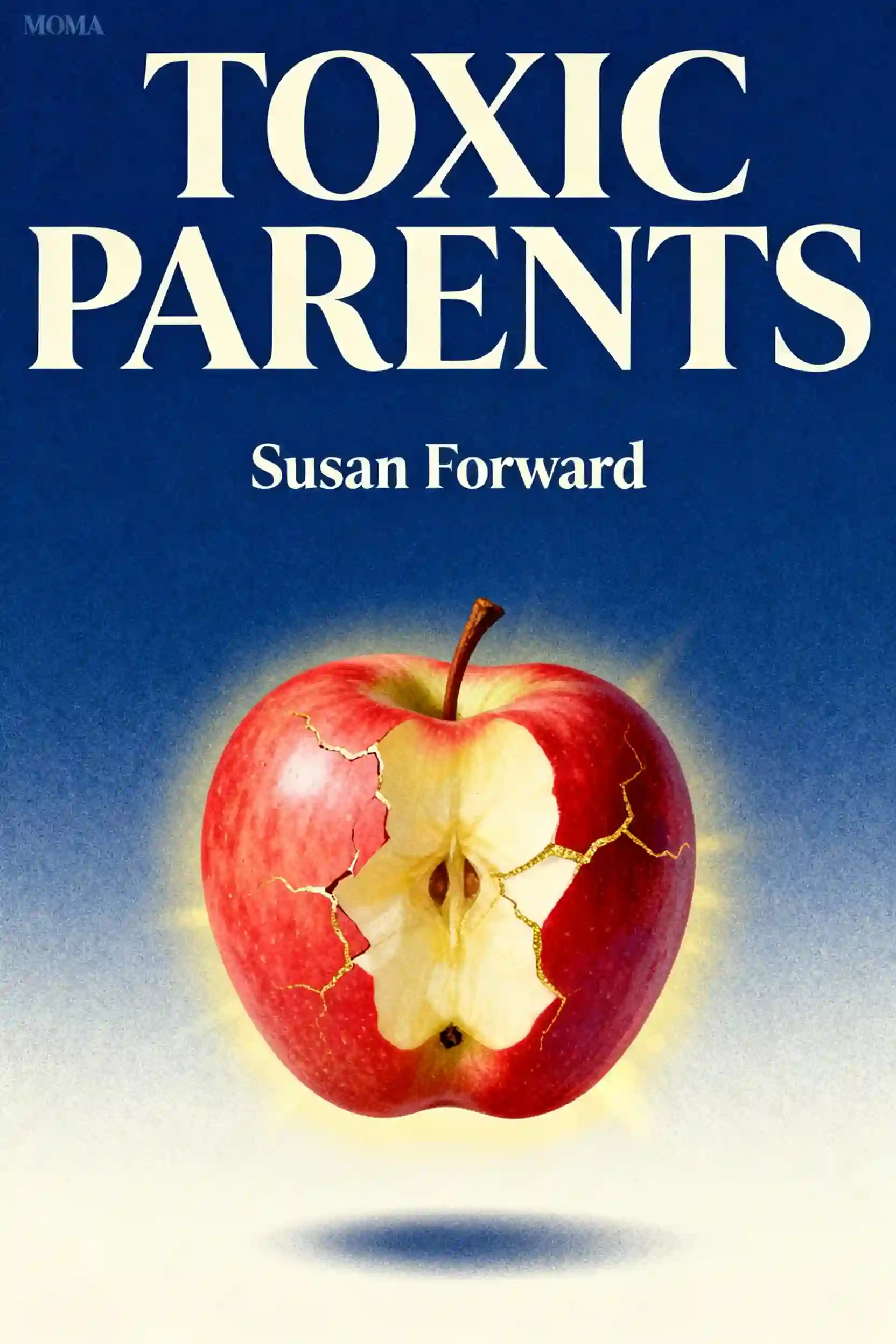
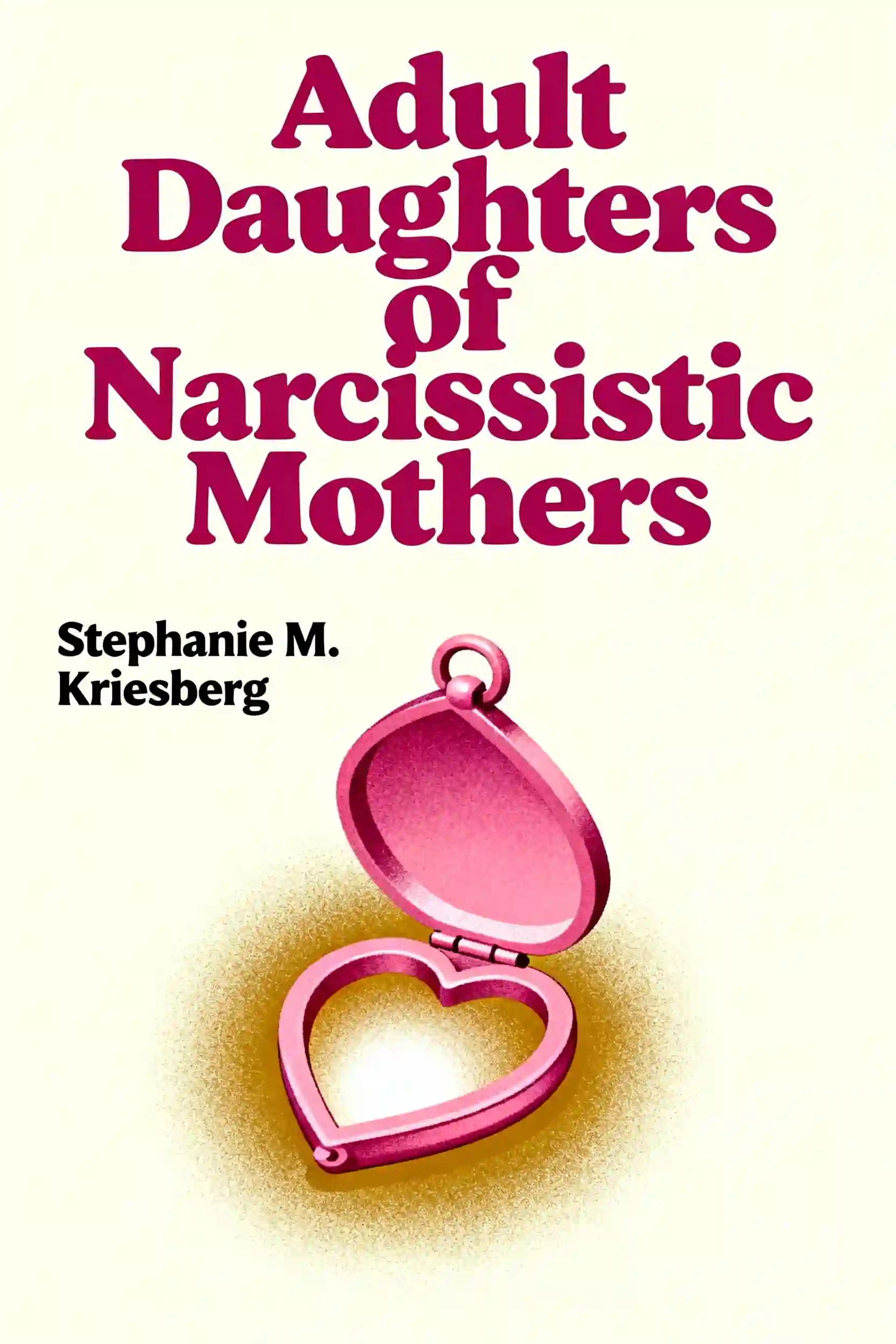
Frequently Asked Questions
Trauma bonds are not a reflection of a lack of intelligence; they are driven by the brain's survival wiring and neurobiology. These connections activate the same regions of the brain as a cocaine addiction, creating a physiological loop where the nervous system becomes addicted to "intermittent reinforcement." For high achievers, their natural grit and "push-through" mentality can actually work against them, as they may view a failing relationship as a project to be mastered or a problem that can be solved with better communication and more effort.
In the context of a trauma bond, anger is often a healthy and hopeful sign that the bond is cracking. It represents the "self" finally waking up and moving out of a "fawn" or "freeze" response into a protective "fight" mode. This anger serves as a tool for reclamation and a boundary-setting energy that recognizes an injustice has occurred. Rather than something to be suppressed, this anger can be used as fuel to stop providing emotional labor to someone who does not value it.
Research suggests that the brain requires approximately eleven weeks of total "no-contact" to begin recalibrating dopamine receptors. During this period, the individual may experience symptoms similar to physical withdrawal or a chemical detox, including physical pain, brain fog, and a "wired but exhausted" feeling. This timeframe is necessary to break the addiction to the cycle of stress and relief caused by the partner's hot-and-cold behavior.
When a partner jumps into a new relationship instantaneously, it is typically not because they found a better match, but because they require a new source of emotional regulation. In many cases, the previous partner—especially one who acted as a "therapist"—knew the truth behind their mask, which can trigger feelings of shame. They move toward someone new who only sees the "love-bombing" version of them and hasn't yet established high standards or deep insight into their patterns.
The first step is "naming" the dynamic accurately as a trauma bond or a devaluing situationship rather than just a complicated breakup. Practical recovery involves "No Contact" to stop the chemical reinforcement, as well as "Somatic Grounding" to help the nervous system feel safe. Creating an "Evidence of Devaluation" list can help counteract "euphoric recall"—the tendency to remember only the good times—while rebuilding an "Internal Compass" involves turning one's communication and caretaking skills inward to focus on personal needs and self-compassion.
Discover more

Heal trauma for better bonds
Heal trauma for better bonds
This learning plan is essential for anyone whose past experiences—whether childhood wounds, past relationships, or other traumas—continue to impact their ability to form healthy, secure connections. It's particularly valuable for those struggling with relationship anxiety, emotional avoidance, or repeating unhealthy patterns, offering a science-backed roadmap from understanding trauma's effects to building the secure, intimate relationships they deserve.

Heal trauma to regain control
Heal trauma to regain control
This learning plan is essential for anyone struggling with the lasting effects of trauma who feels stuck in survival mode or disconnected from their body. It's particularly valuable for those who've tried traditional therapy but still experience triggers, hypervigilance, or emotional numbness, offering a comprehensive approach that addresses trauma where it lives—in the nervous system and body.
Healing from childhood trauma
Healing from childhood trauma
This plan is essential for individuals seeking to break free from the lasting impact of early life adversity. It provides a structured path for those ready to move beyond survival mode toward emotional regulation and authentic self-reclamation.
Recover from betrayal & life-changing breakup
Recover from betrayal & life-changing breakup
Betrayal in intimate relationships can shatter your sense of self and security, leaving deep emotional wounds that require intentional healing. This learning plan provides evidence-based strategies for processing trauma, rebuilding self-worth, and creating a foundation for healthy relationships after experiencing significant betrayal.

Break unhealthy attachments
Break unhealthy attachments
Unhealthy attachments and codependency can trap you in cycles of emotional dependence and unfulfilling relationships. This learning plan helps anyone struggling with relationship patterns that diminish their sense of self, providing practical tools to break free and build healthier connections.
Self healing
Self healing
Self-healing is essential for anyone carrying unprocessed trauma, chronic self-criticism, or disconnection from their body and emotions. This learning plan offers a compassionate, structured path for those ready to understand their wounds, release stored pain, and cultivate the self-love necessary for genuine transformation and lasting peace.
Rebuilding my wife’s trust after betrayal.
Rebuilding my wife’s trust after betrayal.
Rebuilding trust after betrayal requires understanding, accountability, and consistent effort to heal deep emotional wounds. This learning plan guides individuals who have broken their partner's trust through a structured process of taking responsibility, implementing repair strategies, and developing the skills needed to rebuild a stronger, more authentic relationship.

Revenging a manipulator
Revenging a manipulator
This plan is essential for anyone seeking to break free from toxic cycles and reclaim their autonomy. It provides a strategic roadmap for victims of manipulation to transform into empowered survivors through psychological mastery and boundary setting.
From Columbia University alumni built in San Francisco
"Instead of endless scrolling, I just hit play on BeFreed. It saves me so much time."


"I never knew where to start with nonfiction—BeFreed’s book lists turned into podcasts gave me a clear path."


"Perfect balance between learning and entertainment. Finished ‘Thinking, Fast and Slow’ on my commute this week."
"Crazy how much I learned while walking the dog. BeFreed = small habits → big gains."
"Reading used to feel like a chore. Now it’s just part of my lifestyle."

"Feels effortless compared to reading. I’ve finished 6 books this month already."
"BeFreed turned my guilty doomscrolling into something that feels productive and inspiring."

"BeFreed turned my commute into learning time. 20-min podcasts are perfect for finishing books I never had time for."
"BeFreed replaced my podcast queue. Imagine Spotify for books — that’s it. 🙌"

"It is great for me to learn something from the book without reading it."
"The themed book list podcasts help me connect ideas across authors—like a guided audio journey."
"Makes me feel smarter every time before going to work"
From Columbia University alumni built in San Francisco
"Instead of endless scrolling, I just hit play on BeFreed. It saves me so much time."
"I never knew where to start with nonfiction—BeFreed’s book lists turned into podcasts gave me a clear path."
"Perfect balance between learning and entertainment. Finished ‘Thinking, Fast and Slow’ on my commute this week."
"Crazy how much I learned while walking the dog. BeFreed = small habits → big gains."
"Reading used to feel like a chore. Now it’s just part of my lifestyle."
"Feels effortless compared to reading. I’ve finished 6 books this month already."
"BeFreed turned my guilty doomscrolling into something that feels productive and inspiring."
"BeFreed turned my commute into learning time. 20-min podcasts are perfect for finishing books I never had time for."
"BeFreed replaced my podcast queue. Imagine Spotify for books — that’s it. 🙌"
"It is great for me to learn something from the book without reading it."
"The themed book list podcasts help me connect ideas across authors—like a guided audio journey."
"Makes me feel smarter every time before going to work"
"Instead of endless scrolling, I just hit play on BeFreed. It saves me so much time."
"I never knew where to start with nonfiction—BeFreed’s book lists turned into podcasts gave me a clear path."
"Perfect balance between learning and entertainment. Finished ‘Thinking, Fast and Slow’ on my commute this week."
"Crazy how much I learned while walking the dog. BeFreed = small habits → big gains."
"Reading used to feel like a chore. Now it’s just part of my lifestyle."
"Feels effortless compared to reading. I’ve finished 6 books this month already."
"BeFreed turned my guilty doomscrolling into something that feels productive and inspiring."
"BeFreed turned my commute into learning time. 20-min podcasts are perfect for finishing books I never had time for."
"BeFreed replaced my podcast queue. Imagine Spotify for books — that’s it. 🙌"
"It is great for me to learn something from the book without reading it."
"The themed book list podcasts help me connect ideas across authors—like a guided audio journey."
"Makes me feel smarter every time before going to work"
"Instead of endless scrolling, I just hit play on BeFreed. It saves me so much time."
"I never knew where to start with nonfiction—BeFreed’s book lists turned into podcasts gave me a clear path."
"Perfect balance between learning and entertainment. Finished ‘Thinking, Fast and Slow’ on my commute this week."
"Crazy how much I learned while walking the dog. BeFreed = small habits → big gains."
"Reading used to feel like a chore. Now it’s just part of my lifestyle."
"Feels effortless compared to reading. I’ve finished 6 books this month already."
"BeFreed turned my guilty doomscrolling into something that feels productive and inspiring."
"BeFreed turned my commute into learning time. 20-min podcasts are perfect for finishing books I never had time for."
"BeFreed replaced my podcast queue. Imagine Spotify for books — that’s it. 🙌"
"It is great for me to learn something from the book without reading it."
"The themed book list podcasts help me connect ideas across authors—like a guided audio journey."
"Makes me feel smarter every time before going to work"


