
Turning Regret Into Wisdom
Explore why 74% of people regret what they didn't do rather than what they did, and discover practical strategies to transform painful 'what ifs' into valuable life lessons and personal growth.

Best quote from Turning Regret Into Wisdom
Regret evolved as a learning mechanism; it is our brain's way of saying 'remember this lesson.' When we transform it from a destructive force into a roadmap for our values, it becomes one of our most valuable teachers for growth.

This audio lesson was created by a BeFreed community member
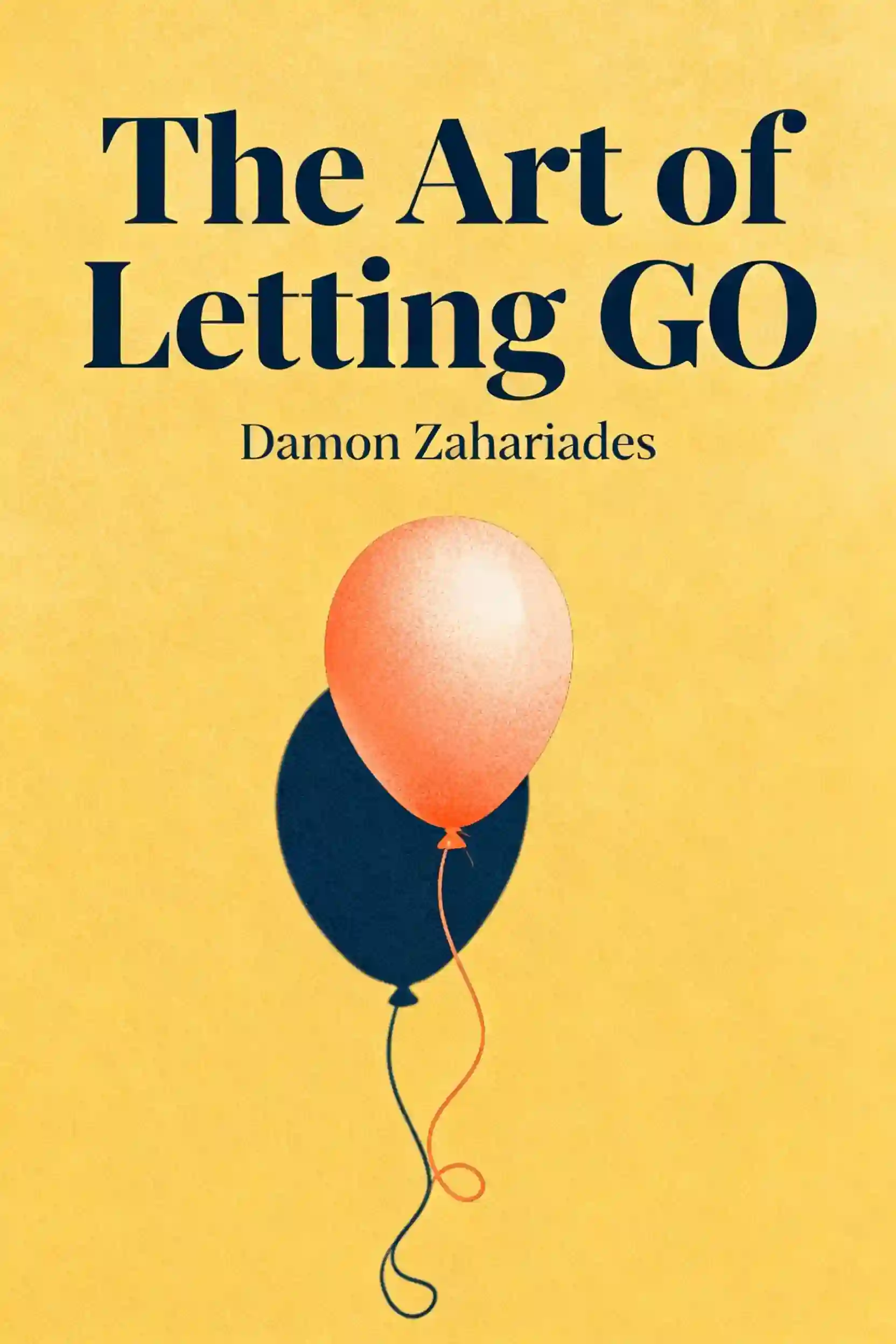
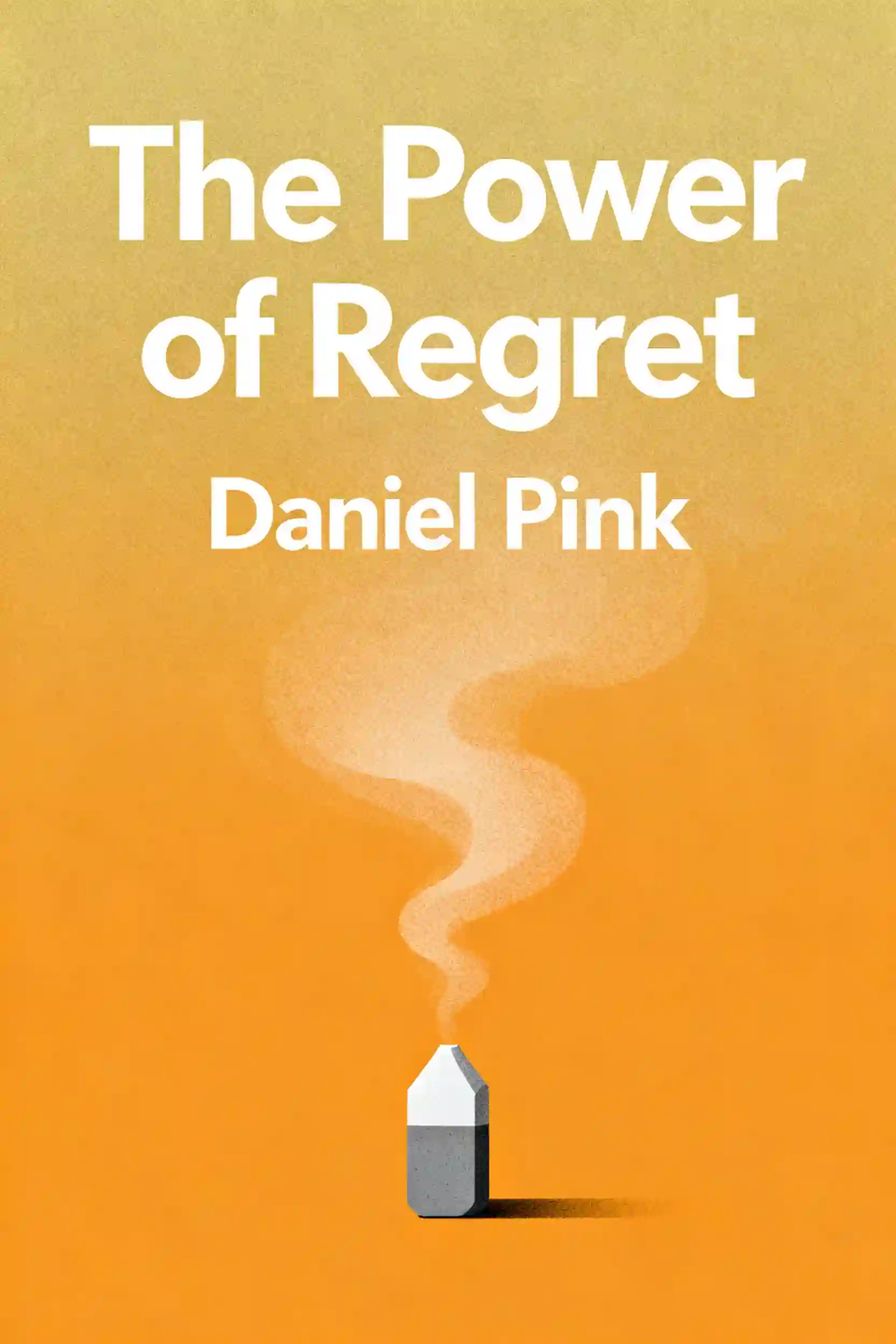
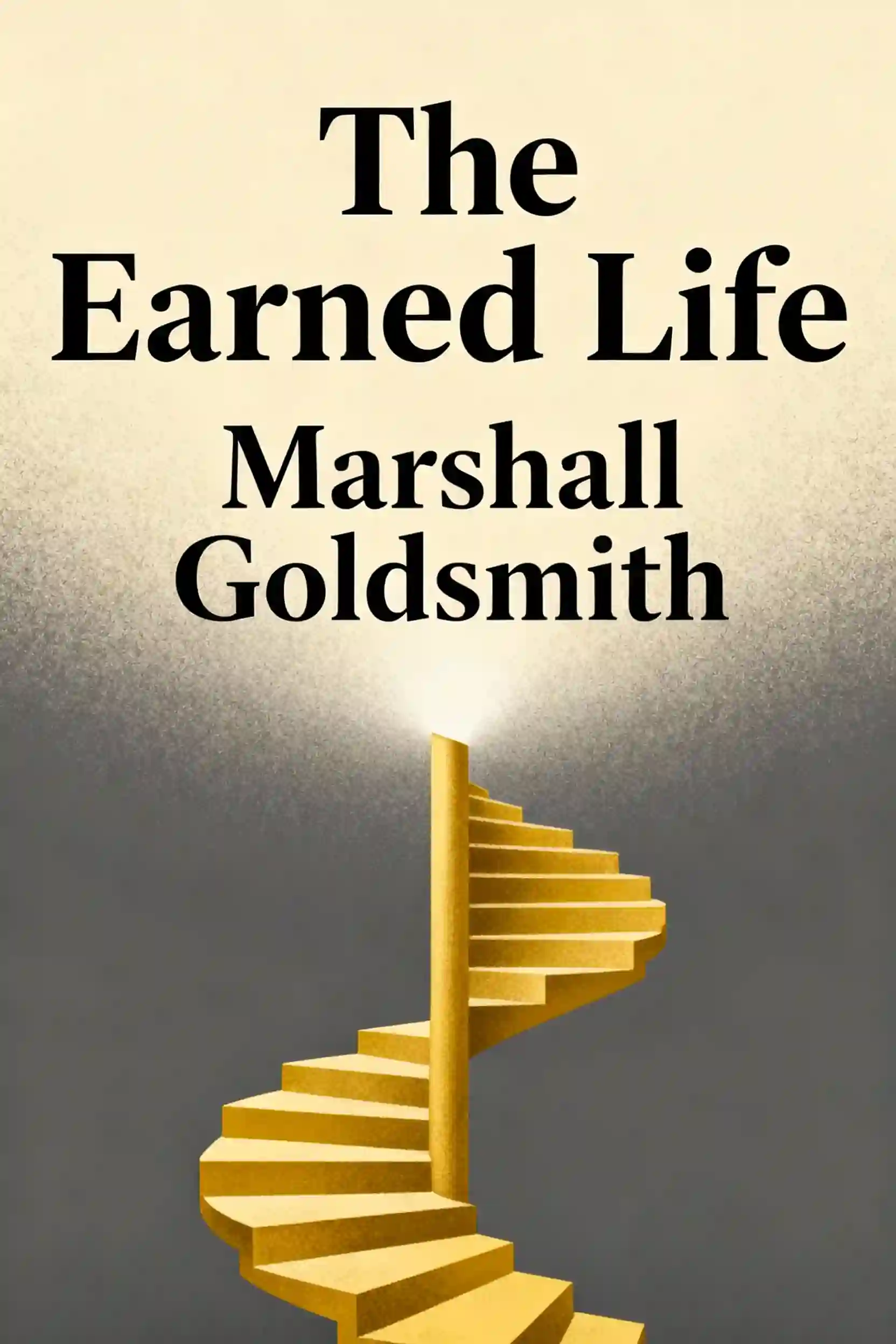
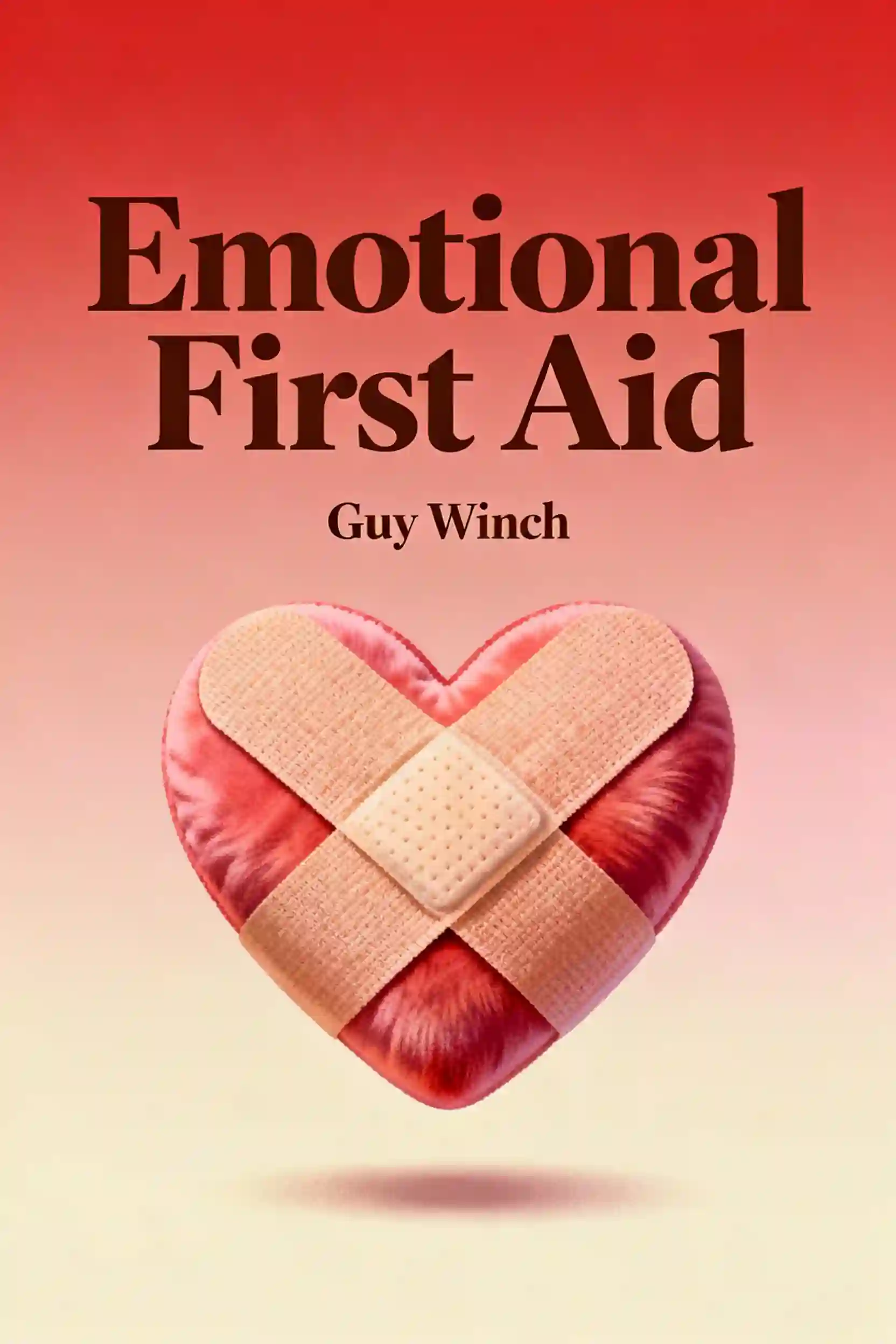
Dealing with regret

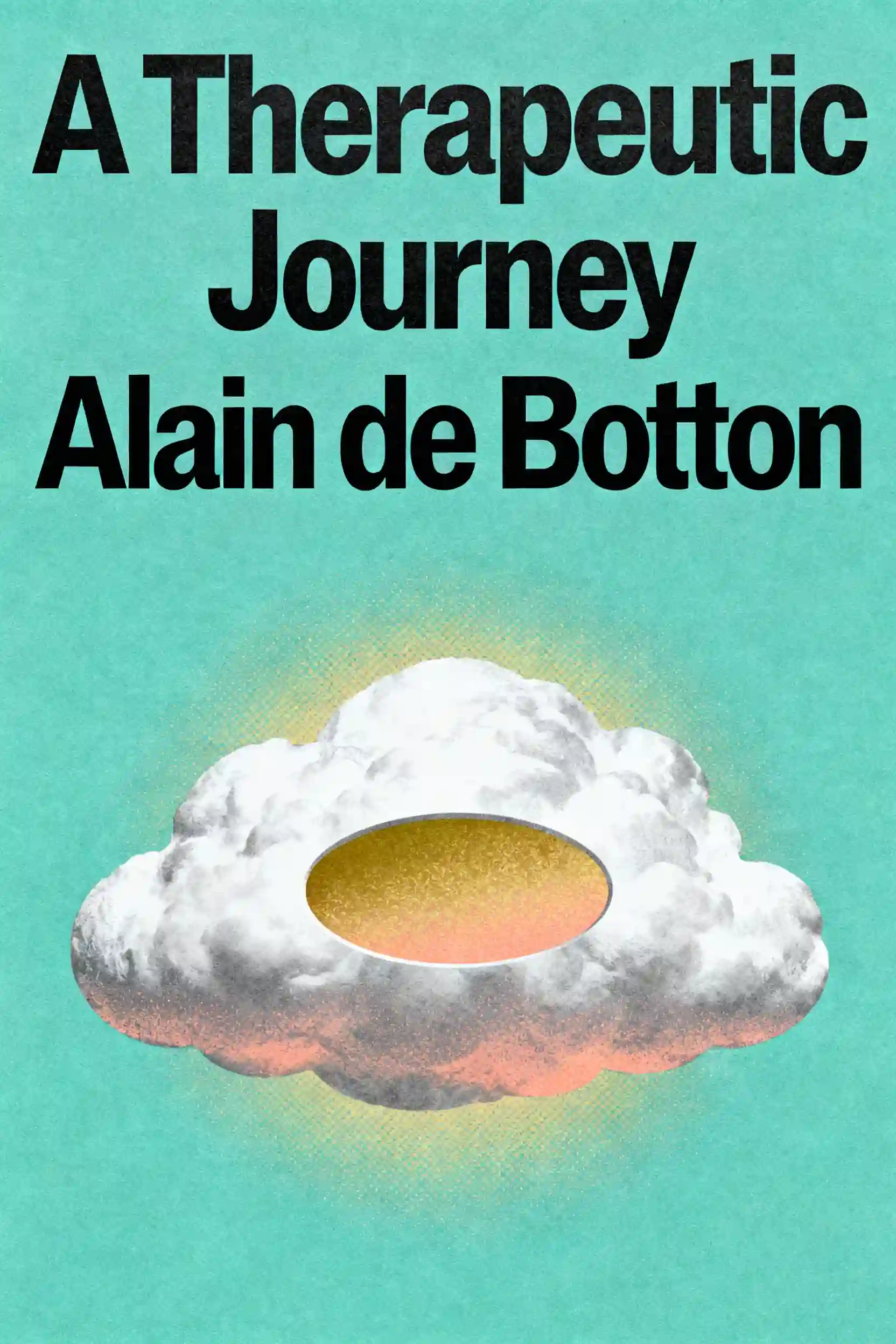
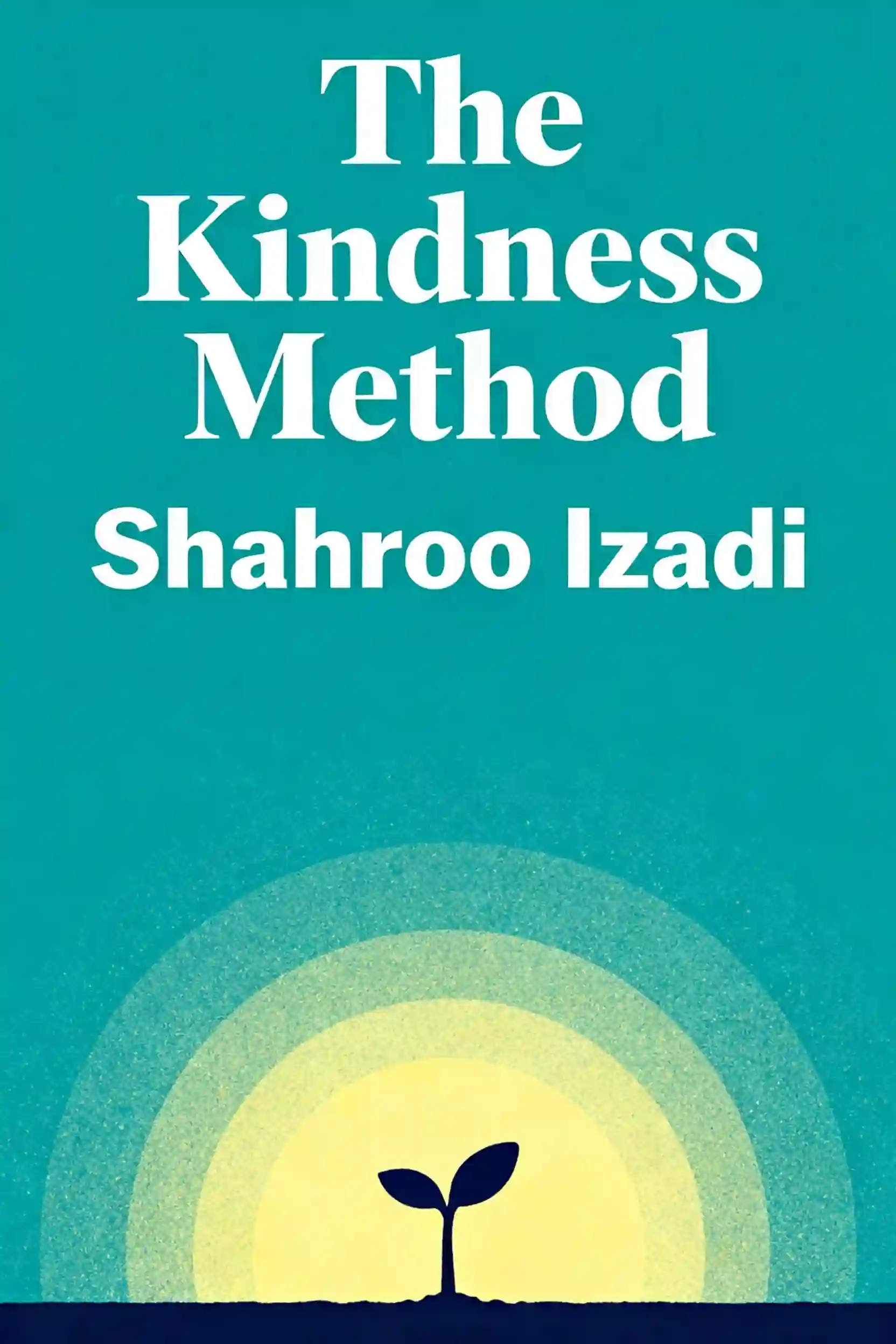
Discover more

Letting go
Letting go
This learning plan is essential for anyone feeling weighed down by past regrets, stagnant relationships, or an overactive need for control. It provides a roadmap for emotional liberation, making it ideal for individuals seeking to build resilience and find peace amidst life's transitions.

Stop Overthinking and Take Action
Stop Overthinking and Take Action
Overthinking traps millions in endless loops of analysis that prevent meaningful progress and cause unnecessary stress. This learning plan equips anyone struggling with decision paralysis or procrastination with practical tools to break free from mental gridlock and take consistent, purposeful action.
Wisdom: Knowing what I can and cannot change
Wisdom: Knowing what I can and cannot change
This plan is essential for anyone feeling overwhelmed by external pressures or emotional volatility. It provides a practical framework for professionals and individuals seeking to improve their decision-making and mental well-onbeing through timeless philosophical insights.

Stop emotional impulsivity in decisions
Stop emotional impulsivity in decisions
In high-pressure environments, emotional reactivity often leads to regrettable choices and damaged professional relationships. This plan is designed for leaders and professionals who want to master self-regulation and build systematic frameworks for objective decision-making.

How to not be sad about my upcoming death
How to not be sad about my upcoming death
This learning plan is designed for individuals seeking to transform existential dread into a catalyst for personal growth and peace. It provides a comprehensive approach for anyone looking to reconcile with mortality by blending modern psychology with ancient philosophical wisdom.

Overcome feeling I disappoint everyone
Overcome feeling I disappoint everyone
This learning plan is designed for individuals who struggle with persistent anxiety about making mistakes, fear others' judgment, or constantly feel they've disappointed people around them. It's particularly valuable for those caught in cycles of people-pleasing, over-apologizing, or avoiding situations due to worry about others' reactions—helping them break free from these exhausting patterns and build genuine confidence.
Reawaken: No wrong choice
Reawaken: No wrong choice
This learning plan is designed for anyone who feels paralyzed by decisions, constantly second-guesses their choices, or struggles with perfectionism and regret. It's particularly valuable for those seeking to move beyond fear-based decision-making and step into authentic, confident living that honors their true self.
Forgive past, parent well, organize better
Forgive past, parent well, organize better
This learning plan is designed for parents who carry regret about past mistakes and want to break the cycle while building a better future for their families. It's ideal for those feeling overwhelmed by competing demands of personal growth, parenting responsibilities, and daily productivity, who seek an integrated approach to healing and thriving rather than just surviving.
From Columbia University alumni built in San Francisco
"Instead of endless scrolling, I just hit play on BeFreed. It saves me so much time."


"I never knew where to start with nonfiction—BeFreed’s book lists turned into podcasts gave me a clear path."


"Perfect balance between learning and entertainment. Finished ‘Thinking, Fast and Slow’ on my commute this week."
"Crazy how much I learned while walking the dog. BeFreed = small habits → big gains."
"Reading used to feel like a chore. Now it’s just part of my lifestyle."

"Feels effortless compared to reading. I’ve finished 6 books this month already."
"BeFreed turned my guilty doomscrolling into something that feels productive and inspiring."

"BeFreed turned my commute into learning time. 20-min podcasts are perfect for finishing books I never had time for."
"BeFreed replaced my podcast queue. Imagine Spotify for books — that’s it. 🙌"

"It is great for me to learn something from the book without reading it."
"The themed book list podcasts help me connect ideas across authors—like a guided audio journey."
"Makes me feel smarter every time before going to work"
From Columbia University alumni built in San Francisco
"Instead of endless scrolling, I just hit play on BeFreed. It saves me so much time."
"I never knew where to start with nonfiction—BeFreed’s book lists turned into podcasts gave me a clear path."
"Perfect balance between learning and entertainment. Finished ‘Thinking, Fast and Slow’ on my commute this week."
"Crazy how much I learned while walking the dog. BeFreed = small habits → big gains."
"Reading used to feel like a chore. Now it’s just part of my lifestyle."
"Feels effortless compared to reading. I’ve finished 6 books this month already."
"BeFreed turned my guilty doomscrolling into something that feels productive and inspiring."
"BeFreed turned my commute into learning time. 20-min podcasts are perfect for finishing books I never had time for."
"BeFreed replaced my podcast queue. Imagine Spotify for books — that’s it. 🙌"
"It is great for me to learn something from the book without reading it."
"The themed book list podcasts help me connect ideas across authors—like a guided audio journey."
"Makes me feel smarter every time before going to work"
"Instead of endless scrolling, I just hit play on BeFreed. It saves me so much time."
"I never knew where to start with nonfiction—BeFreed’s book lists turned into podcasts gave me a clear path."
"Perfect balance between learning and entertainment. Finished ‘Thinking, Fast and Slow’ on my commute this week."
"Crazy how much I learned while walking the dog. BeFreed = small habits → big gains."
"Reading used to feel like a chore. Now it’s just part of my lifestyle."
"Feels effortless compared to reading. I’ve finished 6 books this month already."
"BeFreed turned my guilty doomscrolling into something that feels productive and inspiring."
"BeFreed turned my commute into learning time. 20-min podcasts are perfect for finishing books I never had time for."
"BeFreed replaced my podcast queue. Imagine Spotify for books — that’s it. 🙌"
"It is great for me to learn something from the book without reading it."
"The themed book list podcasts help me connect ideas across authors—like a guided audio journey."
"Makes me feel smarter every time before going to work"
"Instead of endless scrolling, I just hit play on BeFreed. It saves me so much time."
"I never knew where to start with nonfiction—BeFreed’s book lists turned into podcasts gave me a clear path."
"Perfect balance between learning and entertainment. Finished ‘Thinking, Fast and Slow’ on my commute this week."
"Crazy how much I learned while walking the dog. BeFreed = small habits → big gains."
"Reading used to feel like a chore. Now it’s just part of my lifestyle."
"Feels effortless compared to reading. I’ve finished 6 books this month already."
"BeFreed turned my guilty doomscrolling into something that feels productive and inspiring."
"BeFreed turned my commute into learning time. 20-min podcasts are perfect for finishing books I never had time for."
"BeFreed replaced my podcast queue. Imagine Spotify for books — that’s it. 🙌"
"It is great for me to learn something from the book without reading it."
"The themed book list podcasts help me connect ideas across authors—like a guided audio journey."
"Makes me feel smarter every time before going to work"


