

Best quote from Traffic stop rights and why talking too much hurts
The most powerful tool you have isn't a complex legal argument; it’s actually a few specific phrases that force the officer to make a choice. Be polite, but be firm: know which rung of the ladder you’re on, and don’t volunteer the wood and nails they need to build the next one.

This audio lesson was created by a BeFreed community member
What lawyers say you can do to protect your freedom at a traffic stop

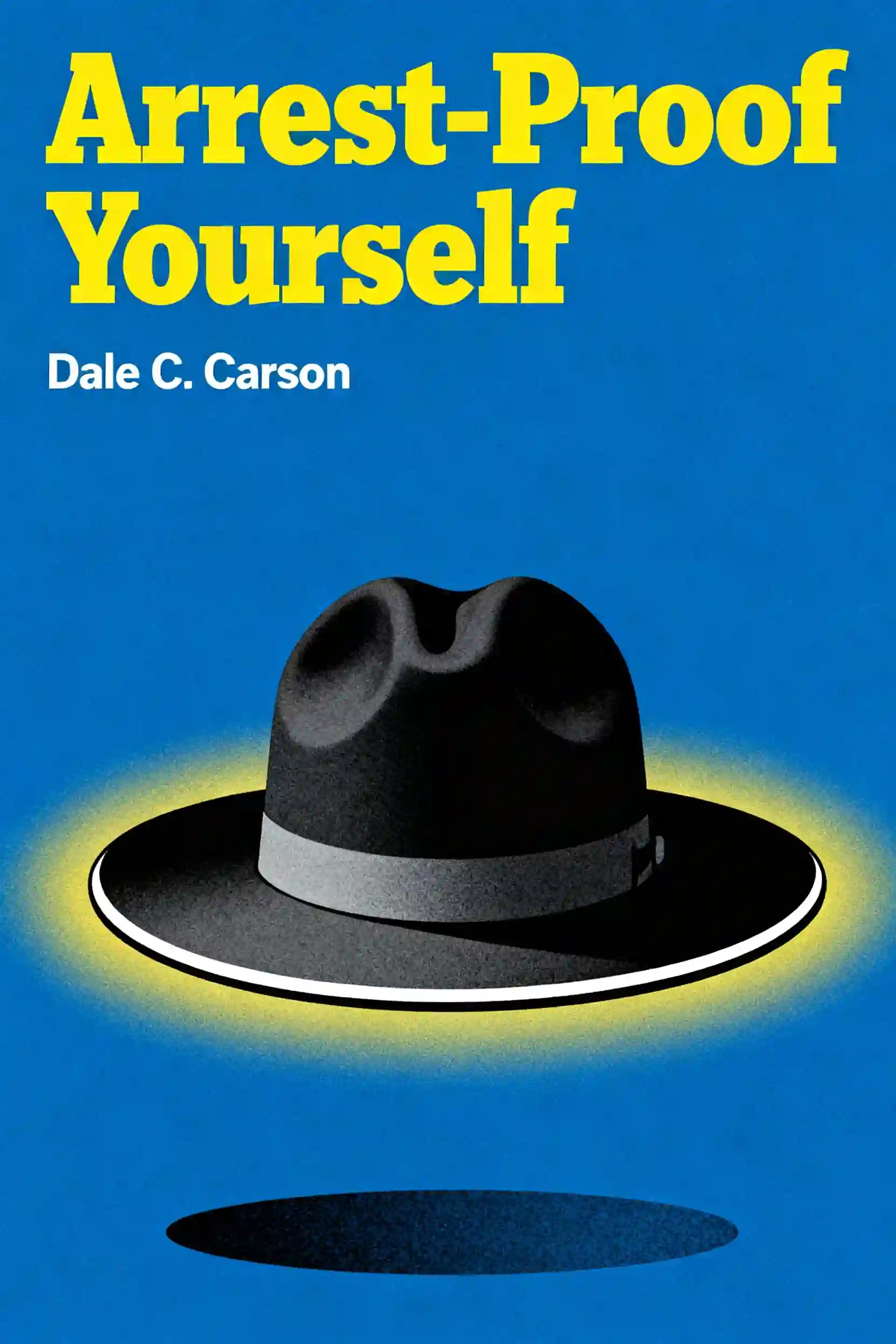
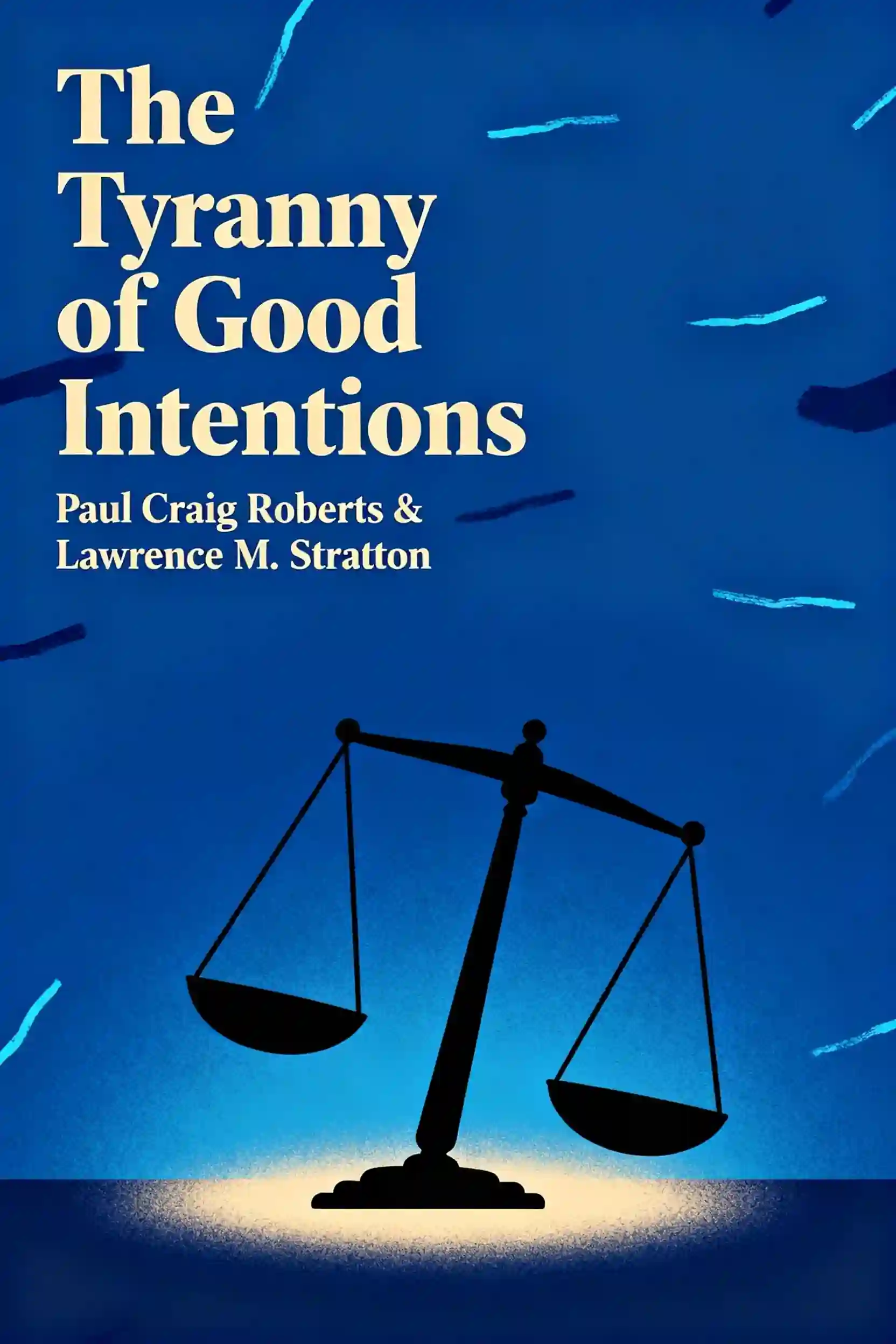



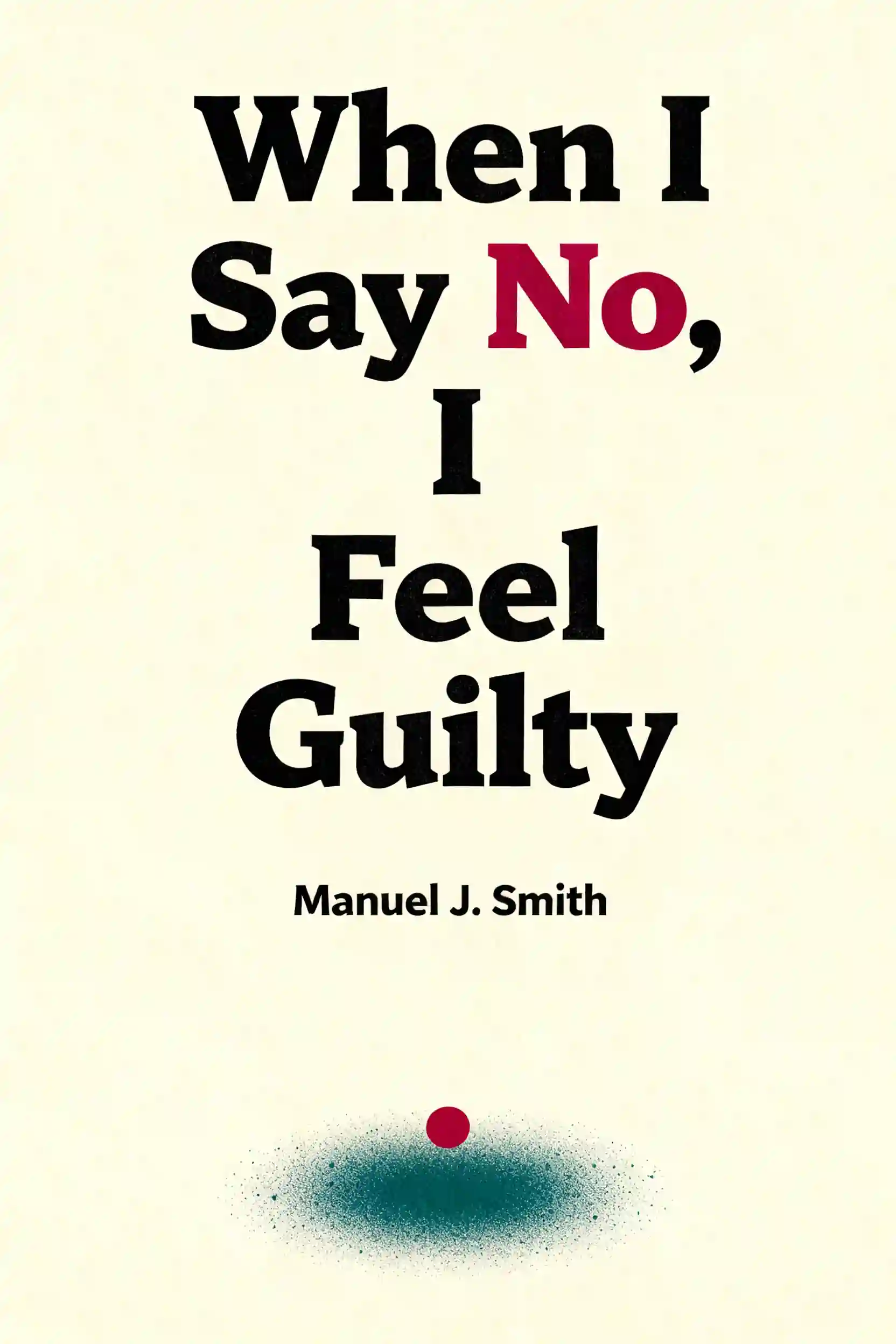
Frequently Asked Questions
The "Ladder of Engagement" describes the progression of police authority. Level 1 is a "Mere Inquiry" where the encounter is consensual, and you are legally free to leave and refuse to answer questions. Level 2 is a "Common Law Inquiry" based on founded suspicion; while officers can ask more invasive questions, you are still technically free to leave. Level 3 is a "Terry Stop," which is an actual detention based on reasonable suspicion that a crime has occurred or is about to occur; at this level, you are not free to leave and may be subjected to a frisk. Level 4 is a full arrest based on probable cause, meaning there are facts leading a reasonable person to believe you committed an offense.
Following the Supreme Court case Salinas v. Texas, simply staying quiet is no longer enough to protect your Fifth Amendment rights. If you are not under arrest and you go silent in response to an incriminating question without explicitly invoking your rights, that silence can be used in court as evidence of "consciousness of guilt." To be protected, you must verbally state that you are invoking your right to remain silent or, preferably, state that you will not speak without an attorney present.
Legal experts advise that you should never consent to a search, even if you believe your car is "clean." By consenting, you take legal responsibility for every item in the vehicle, including things left behind by previous owners or passengers that you may not know exist. Refusing a search is a neutral act that cannot be used as probable cause against you. If you clearly state "I do not consent to this search," it preserves your lawyer's ability to challenge the legality of the search later in court through a "Motion to Suppress."
Field Sobriety Exercises (like walking a line) and preliminary handheld breathalyzer tests (PBTs) are generally voluntary and are used by officers to build probable cause for an arrest. Many lawyers suggest refusing these because they are highly subjective and designed for failure. However, once you are lawfully arrested, "implied consent" laws apply. Refusing the official chemical test at the station usually results in automatic and severe penalties, such as a one-year license suspension and the refusal being used against you in court.
Yes, the First Amendment protects your right to record police officers performing their duties in public as long as you do not physically interfere with their work. In some jurisdictions, like New York, this is specifically codified in law. You should maintain a safe distance and can inform the officer you are recording for your records. Officers cannot confiscate your phone or delete your footage without a warrant, and having an objective video record can be vital for accountability and legal defense.
Discover more

Control the Conversation
Control the Conversation
The ability to guide and control conversations is essential in both professional and personal settings, determining success in negotiations, leadership, and relationships. This learning plan equips individuals with practical communication techniques to establish authority, overcome resistance, and ethically influence outcomes in any interaction.
Listen more, talk less in conversations
Listen more, talk less in conversations
Effective communication is often hindered by our urge to speak rather than understand. This plan is ideal for professionals and individuals seeking to improve their emotional intelligence and resolve conflicts through the power of active, mindful listening.

Learn behavior psych & control conversations
Learn behavior psych & control conversations
Understanding the mechanics of human behavior is essential for anyone looking to navigate complex social dynamics or professional negotiations. This plan is ideal for leaders, sales professionals, and communicators who want to master the art of ethical influence and conversational control.

How to keep a conversation going,
How to keep a conversation going,
Effective communication is the cornerstone of both professional success and personal fulfillment. This plan is designed for anyone looking to overcome social anxiety, improve their charisma, and build deeper connections through mastery of verbal and nonverbal cues.
Speak slower and clearer
Speak slower and clearer
Clear communication is a cornerstone of professional leadership and personal influence. This plan is designed for professionals, public speakers, and anyone looking to overcome rapid speech or mumbling to command respect in any room.

Never run out of things to say
Never run out of things to say
Conversation skills are the foundation of personal and professional success, yet many struggle with social anxiety and running out of things to say. This learning plan transforms hesitant communicators into confident conversationalists through practical techniques that build genuine connection and social fluency.

Learn manipulation patterns on your commute
Learn manipulation patterns on your commute
This plan is essential for anyone looking to safeguard their decision-making and navigate complex social dynamics with confidence. It is particularly beneficial for professionals and individuals who want to transform their commute into a masterclass on psychological awareness and ethical defense.
Set boundaries without over-explaining
Set boundaries without over-explaining
This plan is essential for individuals who struggle with the guilt of saying no or find themselves trapped in cycles of people-pleasing. It is designed for professionals and individuals looking to reclaim their time and energy by mastering assertive, justification-free communication.
From Columbia University alumni built in San Francisco
"Instead of endless scrolling, I just hit play on BeFreed. It saves me so much time."


"I never knew where to start with nonfiction—BeFreed’s book lists turned into podcasts gave me a clear path."


"Perfect balance between learning and entertainment. Finished ‘Thinking, Fast and Slow’ on my commute this week."
"Crazy how much I learned while walking the dog. BeFreed = small habits → big gains."
"Reading used to feel like a chore. Now it’s just part of my lifestyle."

"Feels effortless compared to reading. I’ve finished 6 books this month already."
"BeFreed turned my guilty doomscrolling into something that feels productive and inspiring."

"BeFreed turned my commute into learning time. 20-min podcasts are perfect for finishing books I never had time for."
"BeFreed replaced my podcast queue. Imagine Spotify for books — that’s it. 🙌"

"It is great for me to learn something from the book without reading it."
"The themed book list podcasts help me connect ideas across authors—like a guided audio journey."
"Makes me feel smarter every time before going to work"
From Columbia University alumni built in San Francisco
"Instead of endless scrolling, I just hit play on BeFreed. It saves me so much time."
"I never knew where to start with nonfiction—BeFreed’s book lists turned into podcasts gave me a clear path."
"Perfect balance between learning and entertainment. Finished ‘Thinking, Fast and Slow’ on my commute this week."
"Crazy how much I learned while walking the dog. BeFreed = small habits → big gains."
"Reading used to feel like a chore. Now it’s just part of my lifestyle."
"Feels effortless compared to reading. I’ve finished 6 books this month already."
"BeFreed turned my guilty doomscrolling into something that feels productive and inspiring."
"BeFreed turned my commute into learning time. 20-min podcasts are perfect for finishing books I never had time for."
"BeFreed replaced my podcast queue. Imagine Spotify for books — that’s it. 🙌"
"It is great for me to learn something from the book without reading it."
"The themed book list podcasts help me connect ideas across authors—like a guided audio journey."
"Makes me feel smarter every time before going to work"
"Instead of endless scrolling, I just hit play on BeFreed. It saves me so much time."
"I never knew where to start with nonfiction—BeFreed’s book lists turned into podcasts gave me a clear path."
"Perfect balance between learning and entertainment. Finished ‘Thinking, Fast and Slow’ on my commute this week."
"Crazy how much I learned while walking the dog. BeFreed = small habits → big gains."
"Reading used to feel like a chore. Now it’s just part of my lifestyle."
"Feels effortless compared to reading. I’ve finished 6 books this month already."
"BeFreed turned my guilty doomscrolling into something that feels productive and inspiring."
"BeFreed turned my commute into learning time. 20-min podcasts are perfect for finishing books I never had time for."
"BeFreed replaced my podcast queue. Imagine Spotify for books — that’s it. 🙌"
"It is great for me to learn something from the book without reading it."
"The themed book list podcasts help me connect ideas across authors—like a guided audio journey."
"Makes me feel smarter every time before going to work"
"Instead of endless scrolling, I just hit play on BeFreed. It saves me so much time."
"I never knew where to start with nonfiction—BeFreed’s book lists turned into podcasts gave me a clear path."
"Perfect balance between learning and entertainment. Finished ‘Thinking, Fast and Slow’ on my commute this week."
"Crazy how much I learned while walking the dog. BeFreed = small habits → big gains."
"Reading used to feel like a chore. Now it’s just part of my lifestyle."
"Feels effortless compared to reading. I’ve finished 6 books this month already."
"BeFreed turned my guilty doomscrolling into something that feels productive and inspiring."
"BeFreed turned my commute into learning time. 20-min podcasts are perfect for finishing books I never had time for."
"BeFreed replaced my podcast queue. Imagine Spotify for books — that’s it. 🙌"
"It is great for me to learn something from the book without reading it."
"The themed book list podcasts help me connect ideas across authors—like a guided audio journey."
"Makes me feel smarter every time before going to work"


