
Stop interrupting and become a better listener
Struggling to wait your turn in conversation? Learn how to manage the urge to interrupt and use memory anchors so you never forget your point again.

Best quote from Stop interrupting and become a better listener
Between a stimulus and your response, there is a space, and in that space lies our power to choose. The 3-second rule creates that space, transforming a conversation from a competition into a collaboration.

This audio lesson was created by a BeFreed community member
I would like to become a better listener and interrupt less. I tend to become excited, sometimes upset if someone has glossed over something attend to want to react immediately. I also worry about forgetting what I want to say if I wait until the other person is finished speaking.

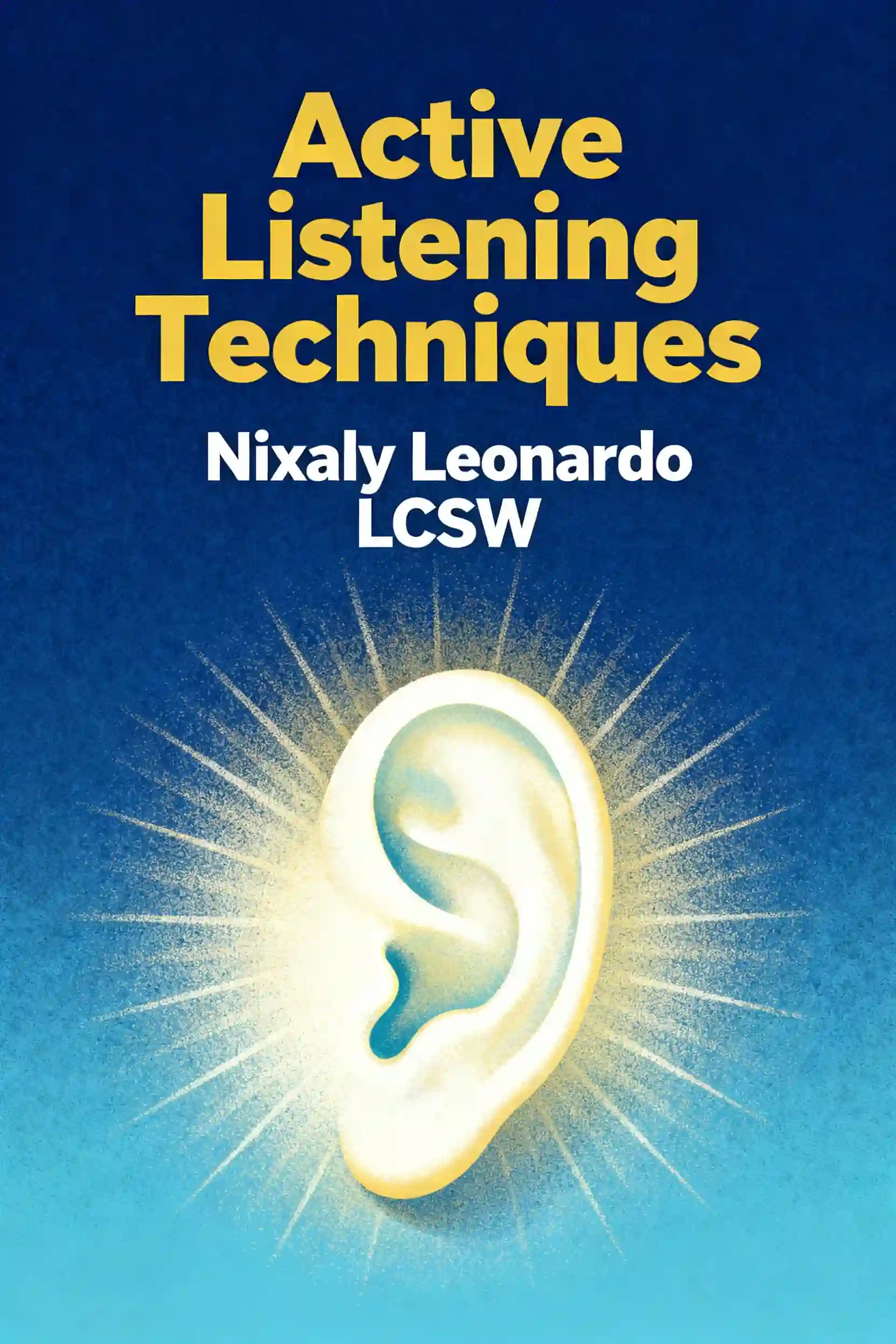
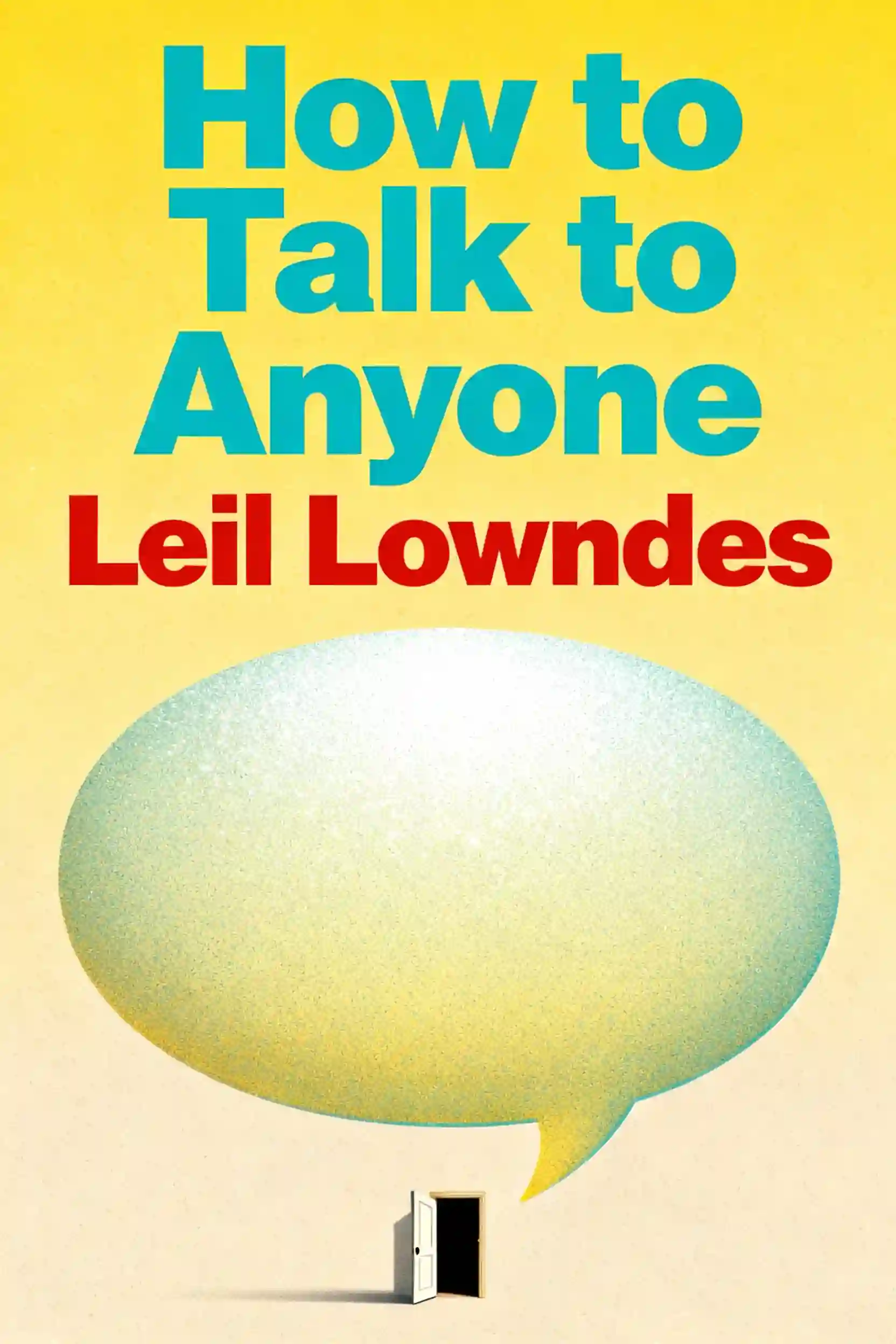
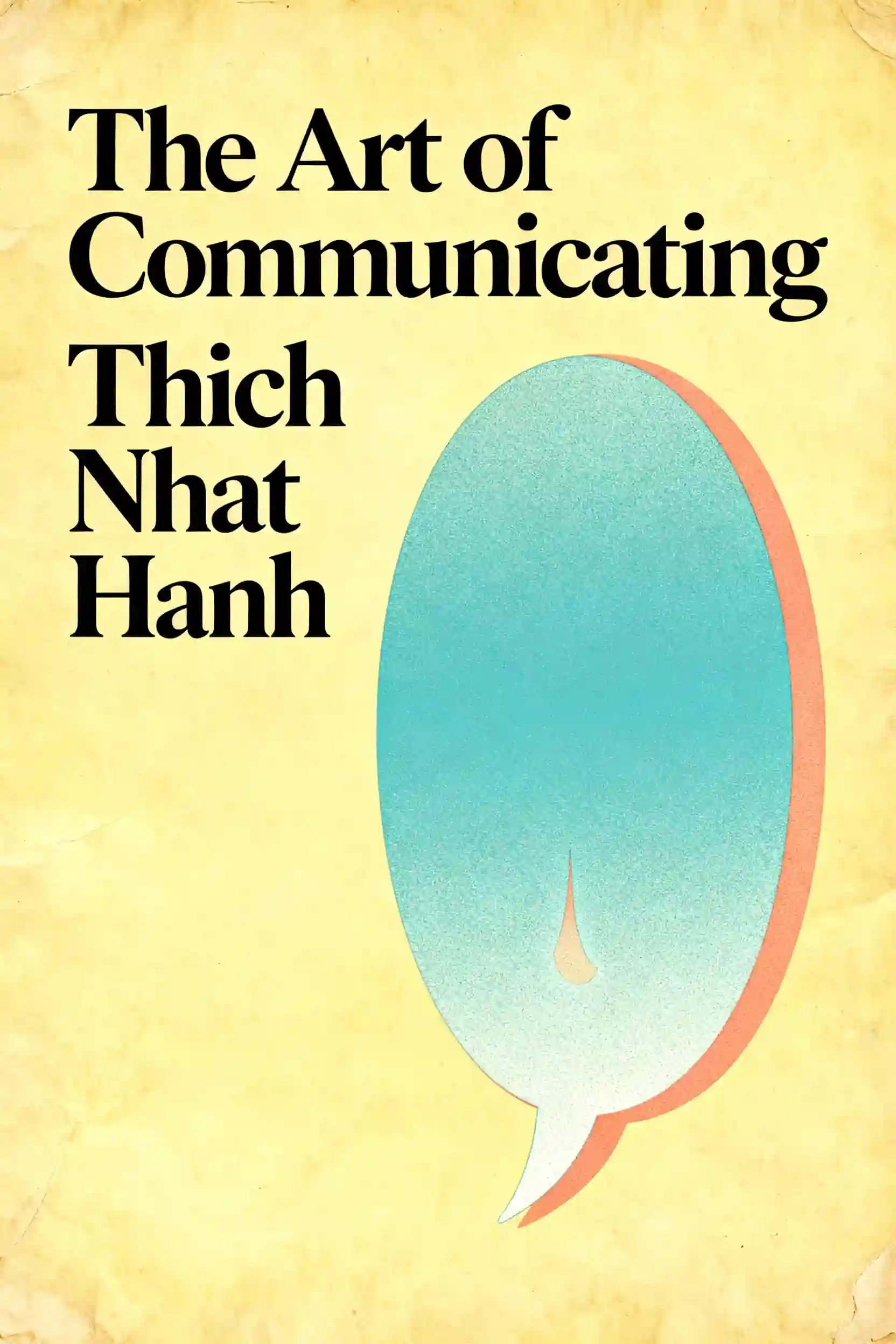
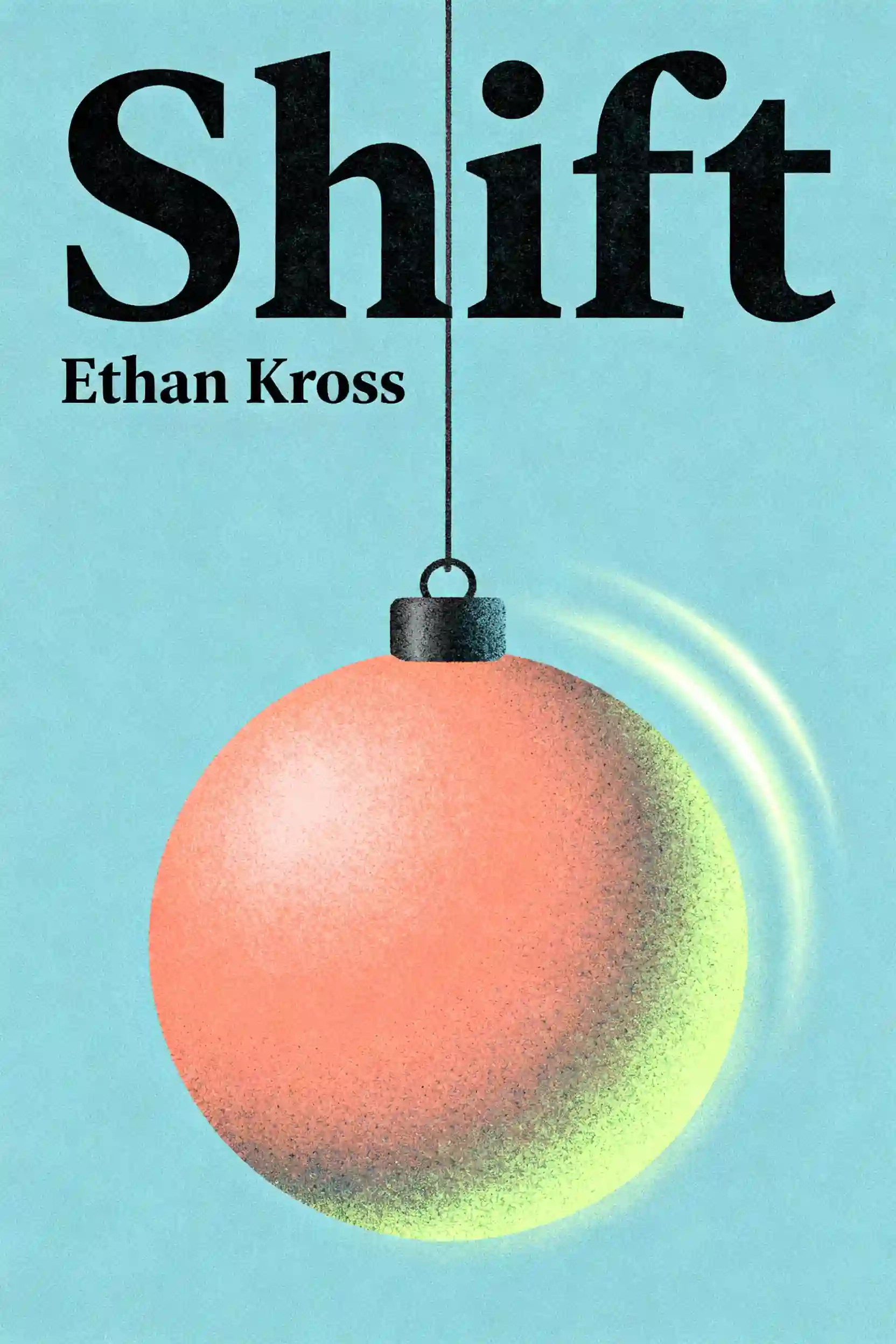
Frequently Asked Questions
This "interruptor’s impulse" is rooted in neuroscience, specifically a battle between the amygdala and the prefrontal cortex. When you feel disrespected, misunderstood, or even just overly excited, your brain’s alarm system perceives a "threat" to your ideas. This causes blood flow to shift away from the logical, reasoning part of your brain toward reactive centers, making the urge to speak feel like a matter of survival.
This anxiety is caused by "cognitive load," where your brain uses all its available mental RAM to store your response instead of processing what is being said. To solve this, you can use "memory anchors" by jotting down a single keyword on a notepad to "save" the thought for later. If you don't have a notepad, try using "bridging phrases" like, "I have a thought on that, but please finish what you were saying first," which tags the moment without hijacking the conversation.
The 3-second rule involves waiting for three full seconds after a speaker finishes before you respond. While it may feel like an eternity to you because your internal clock is revved up, research shows that listeners perceive these pauses as signs of empathy, competence, and cooperativeness. It proves to the speaker that you were actually processing their words rather than just waiting for your turn to vent.
The best approach is to "pause and pivot" by stopping immediately—even mid-word—and offering a graceful recovery. You can say, "I'm so sorry, I jumped in. Please continue." This act of vulnerability and real-time apology actually strengthens trust because it demonstrates that you value the other person's voice more than your own point.
You can channel your "interruptor’s energy" into the "Curious Question" method. Instead of blurting out a fix or a personal story, convert your impulse into a question that encourages the speaker to go deeper, such as, "What solutions have you already thought about?" This keeps the focus on the speaker's experience while allowing you to remain an active participant in the dialogue.
Discover more

Listen more, talk less in conversations
Listen more, talk less in conversations
Effective communication is often hindered by our urge to speak rather than understand. This plan is ideal for professionals and individuals seeking to improve their emotional intelligence and resolve conflicts through the power of active, mindful listening.

Become a more active listener
Become a more active listener
In an era of constant distraction, the ability to truly hear others is a rare and valuable leadership skill. This plan is designed for professionals and individuals looking to improve their communication, deepen their empathy, and build more meaningful connections through conscious presence.
Don’t be interrupted or overlooked
Don’t be interrupted or overlooked
This plan is essential for professionals who feel sidelined in meetings or overlooked for promotions. It provides the psychological tools and physical techniques needed to command respect and master workplace dynamics.
Learn to listen more and overshare less
Learn to listen more and overshare less
In an age of constant noise, the ability to truly listen is a rare and valuable social superpower. This plan is ideal for individuals looking to improve their social intelligence, build stronger rapport, and balance self-expression with active engagement.
Stop Distractions & Stay Focused!
Stop Distractions & Stay Focused!
In an age of constant digital noise, the ability to concentrate is a competitive advantage. This plan is designed for professionals and students who struggle with procrastination and want to master their attention through science-based techniques and environmental design.
Take control of whats in my head
Take control of whats in my head
In an era of constant distraction and mental fatigue, mastering your internal narrative is the ultimate competitive advantage. This plan is designed for high-performers and anyone feeling overwhelmed by intrusive thoughts, providing the cognitive tools necessary to reclaim focus and emotional stability.

Improve Time Management · 05-12 02:17:52
Improve Time Management · 05-12 02:17:52
In an era of constant distraction, mastering your schedule is a critical survival skill for professionals and students alike. This plan provides a comprehensive roadmap from foundational habits to advanced optimization systems for anyone seeking to regain control of their time.

i want to improve my memory and way of speaking to make my words more noticeable and bold
i want to improve my memory and way of speaking to make my words more noticeable and bold
Strong memory and bold communication are foundational skills that enhance professional credibility, social influence, and personal confidence. This learning plan helps anyone who wants to be more memorable in their interactions, whether they're giving presentations, leading meetings, or engaging in everyday conversations.
From Columbia University alumni built in San Francisco
"Instead of endless scrolling, I just hit play on BeFreed. It saves me so much time."


"I never knew where to start with nonfiction—BeFreed’s book lists turned into podcasts gave me a clear path."


"Perfect balance between learning and entertainment. Finished ‘Thinking, Fast and Slow’ on my commute this week."
"Crazy how much I learned while walking the dog. BeFreed = small habits → big gains."
"Reading used to feel like a chore. Now it’s just part of my lifestyle."

"Feels effortless compared to reading. I’ve finished 6 books this month already."
"BeFreed turned my guilty doomscrolling into something that feels productive and inspiring."

"BeFreed turned my commute into learning time. 20-min podcasts are perfect for finishing books I never had time for."
"BeFreed replaced my podcast queue. Imagine Spotify for books — that’s it. 🙌"

"It is great for me to learn something from the book without reading it."
"The themed book list podcasts help me connect ideas across authors—like a guided audio journey."
"Makes me feel smarter every time before going to work"
From Columbia University alumni built in San Francisco
"Instead of endless scrolling, I just hit play on BeFreed. It saves me so much time."
"I never knew where to start with nonfiction—BeFreed’s book lists turned into podcasts gave me a clear path."
"Perfect balance between learning and entertainment. Finished ‘Thinking, Fast and Slow’ on my commute this week."
"Crazy how much I learned while walking the dog. BeFreed = small habits → big gains."
"Reading used to feel like a chore. Now it’s just part of my lifestyle."
"Feels effortless compared to reading. I’ve finished 6 books this month already."
"BeFreed turned my guilty doomscrolling into something that feels productive and inspiring."
"BeFreed turned my commute into learning time. 20-min podcasts are perfect for finishing books I never had time for."
"BeFreed replaced my podcast queue. Imagine Spotify for books — that’s it. 🙌"
"It is great for me to learn something from the book without reading it."
"The themed book list podcasts help me connect ideas across authors—like a guided audio journey."
"Makes me feel smarter every time before going to work"
"Instead of endless scrolling, I just hit play on BeFreed. It saves me so much time."
"I never knew where to start with nonfiction—BeFreed’s book lists turned into podcasts gave me a clear path."
"Perfect balance between learning and entertainment. Finished ‘Thinking, Fast and Slow’ on my commute this week."
"Crazy how much I learned while walking the dog. BeFreed = small habits → big gains."
"Reading used to feel like a chore. Now it’s just part of my lifestyle."
"Feels effortless compared to reading. I’ve finished 6 books this month already."
"BeFreed turned my guilty doomscrolling into something that feels productive and inspiring."
"BeFreed turned my commute into learning time. 20-min podcasts are perfect for finishing books I never had time for."
"BeFreed replaced my podcast queue. Imagine Spotify for books — that’s it. 🙌"
"It is great for me to learn something from the book without reading it."
"The themed book list podcasts help me connect ideas across authors—like a guided audio journey."
"Makes me feel smarter every time before going to work"
"Instead of endless scrolling, I just hit play on BeFreed. It saves me so much time."
"I never knew where to start with nonfiction—BeFreed’s book lists turned into podcasts gave me a clear path."
"Perfect balance between learning and entertainment. Finished ‘Thinking, Fast and Slow’ on my commute this week."
"Crazy how much I learned while walking the dog. BeFreed = small habits → big gains."
"Reading used to feel like a chore. Now it’s just part of my lifestyle."
"Feels effortless compared to reading. I’ve finished 6 books this month already."
"BeFreed turned my guilty doomscrolling into something that feels productive and inspiring."
"BeFreed turned my commute into learning time. 20-min podcasts are perfect for finishing books I never had time for."
"BeFreed replaced my podcast queue. Imagine Spotify for books — that’s it. 🙌"
"It is great for me to learn something from the book without reading it."
"The themed book list podcasts help me connect ideas across authors—like a guided audio journey."
"Makes me feel smarter every time before going to work"


