
How to Identify and Navigate Toxic Work Environments
Learn how to identify signs of workplace toxicity and discover practical strategies for navigating hostile environments while protecting your professional boundaries.

Best quote from How to Identify and Navigate Toxic Work Environments
Leaving a toxic environment isn't giving up; it’s a strategic reallocation of your most valuable asset—your talent. You are essentially doing a 'hostile takeover' of your own career.

This audio lesson was created by a BeFreed community member
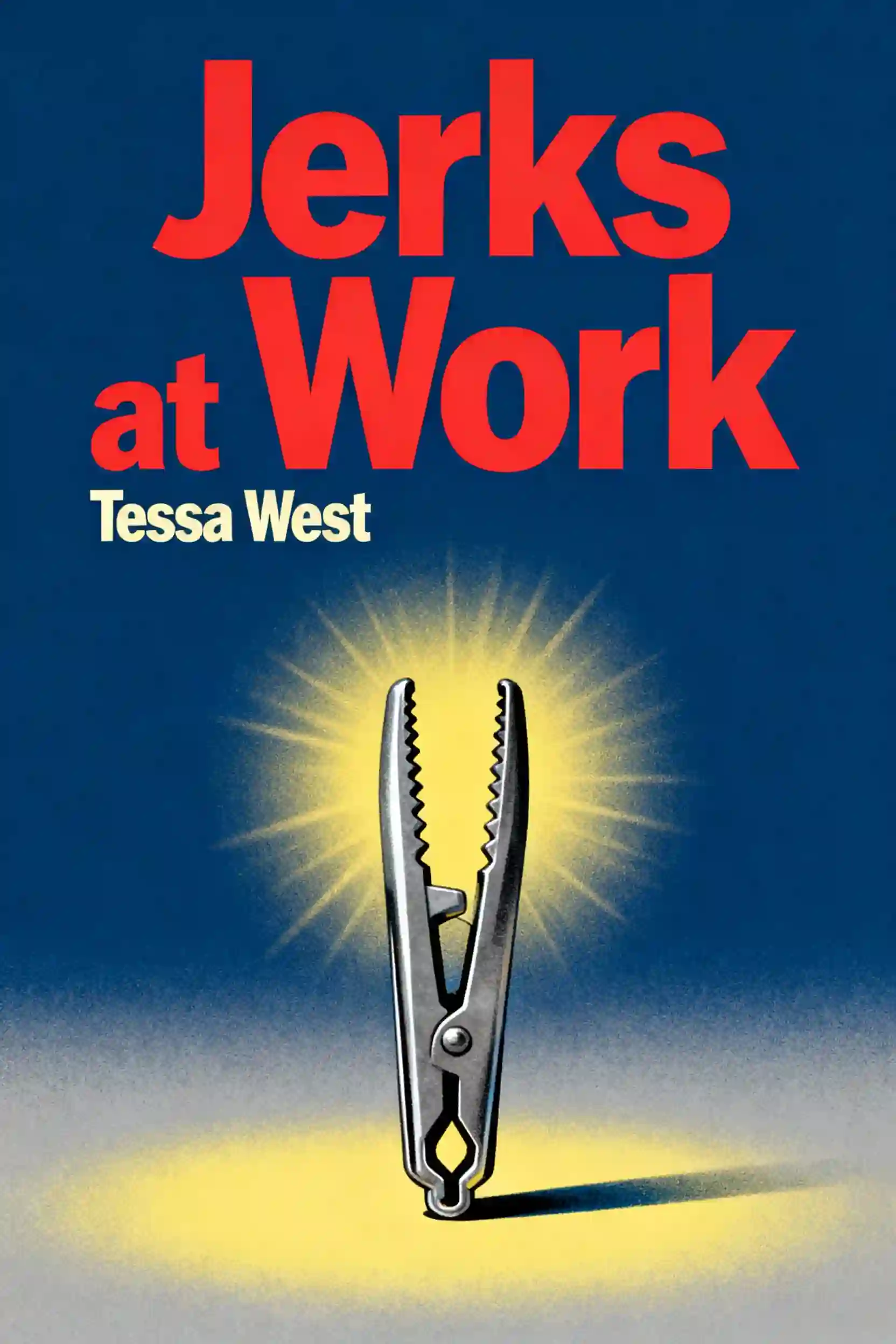
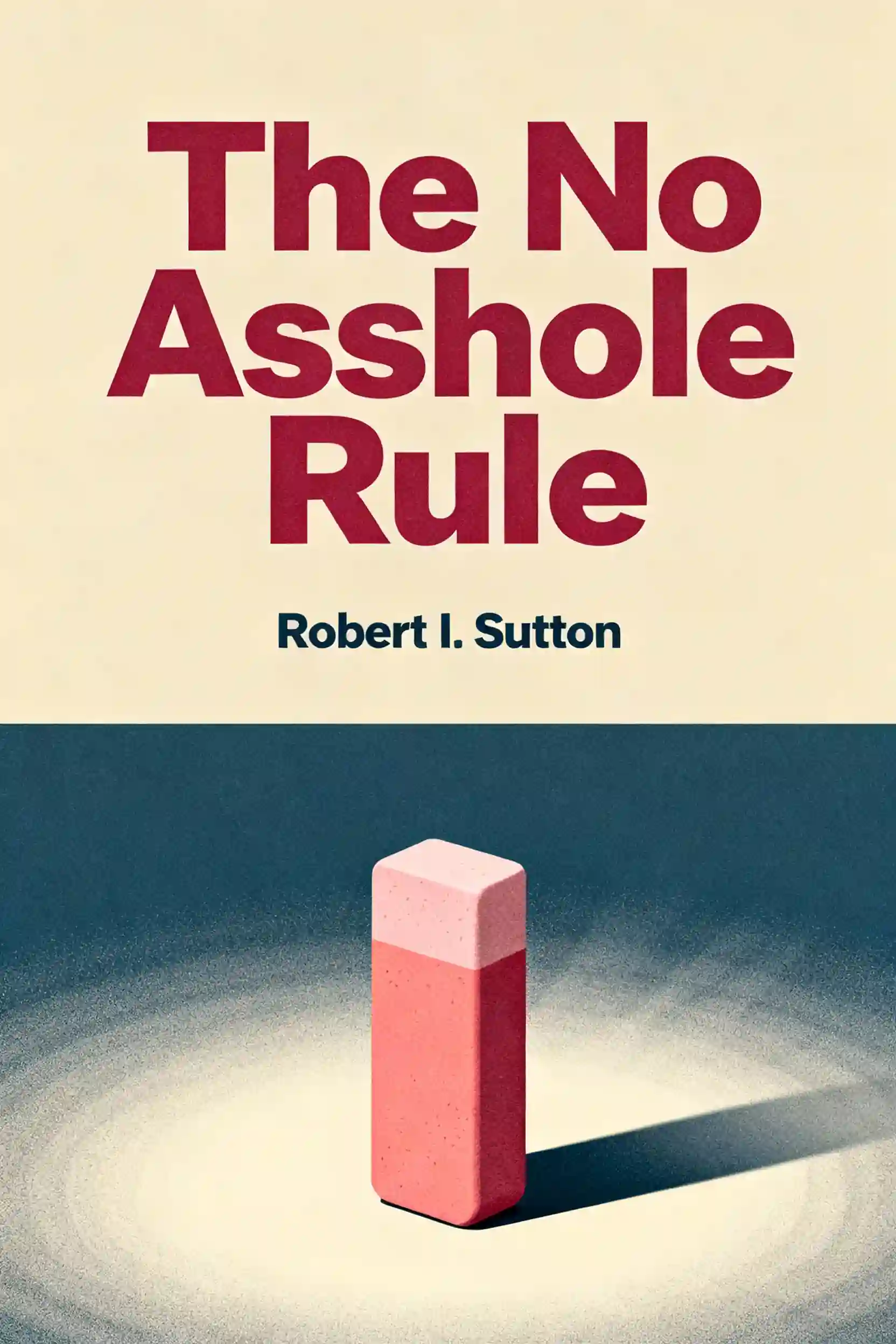
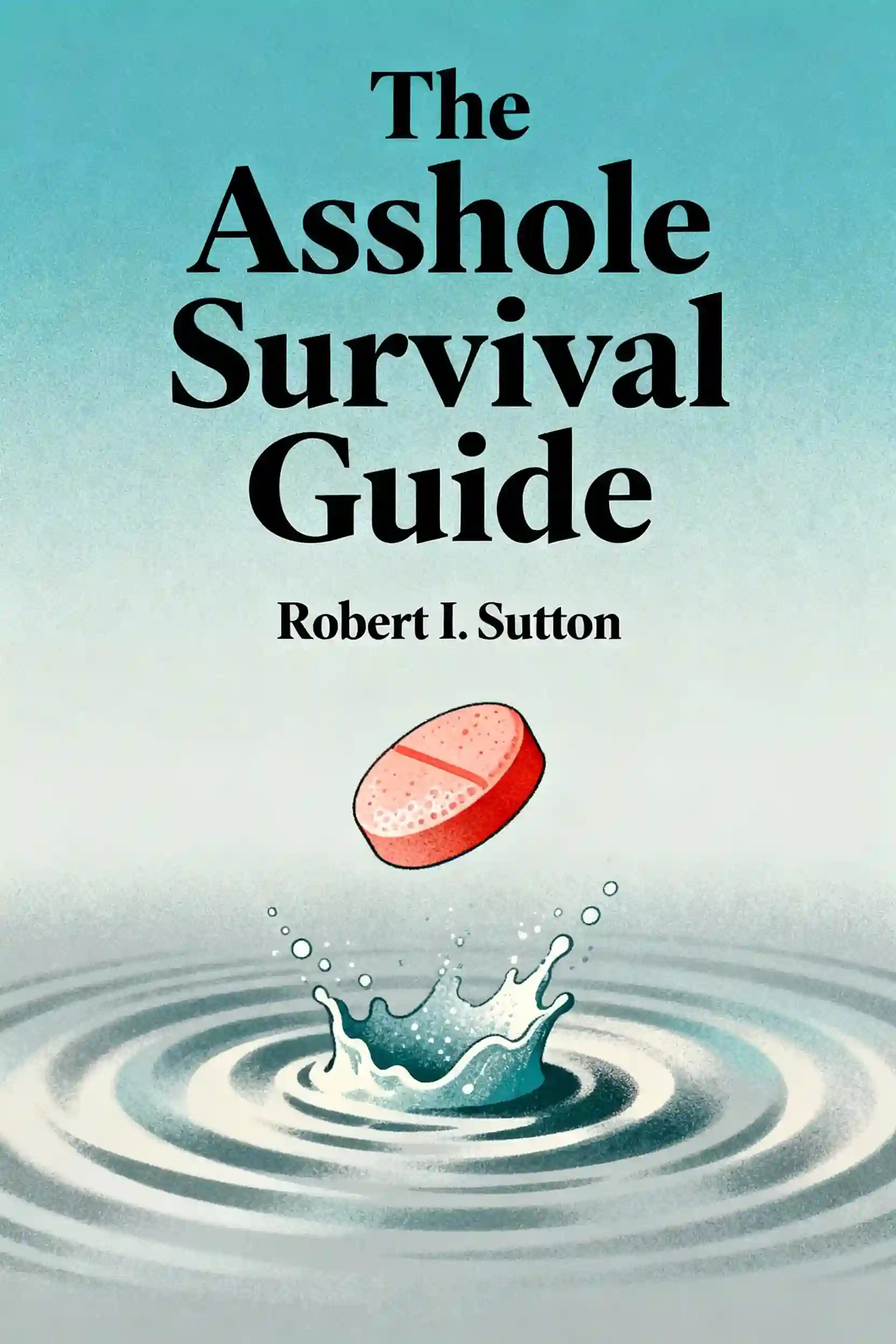
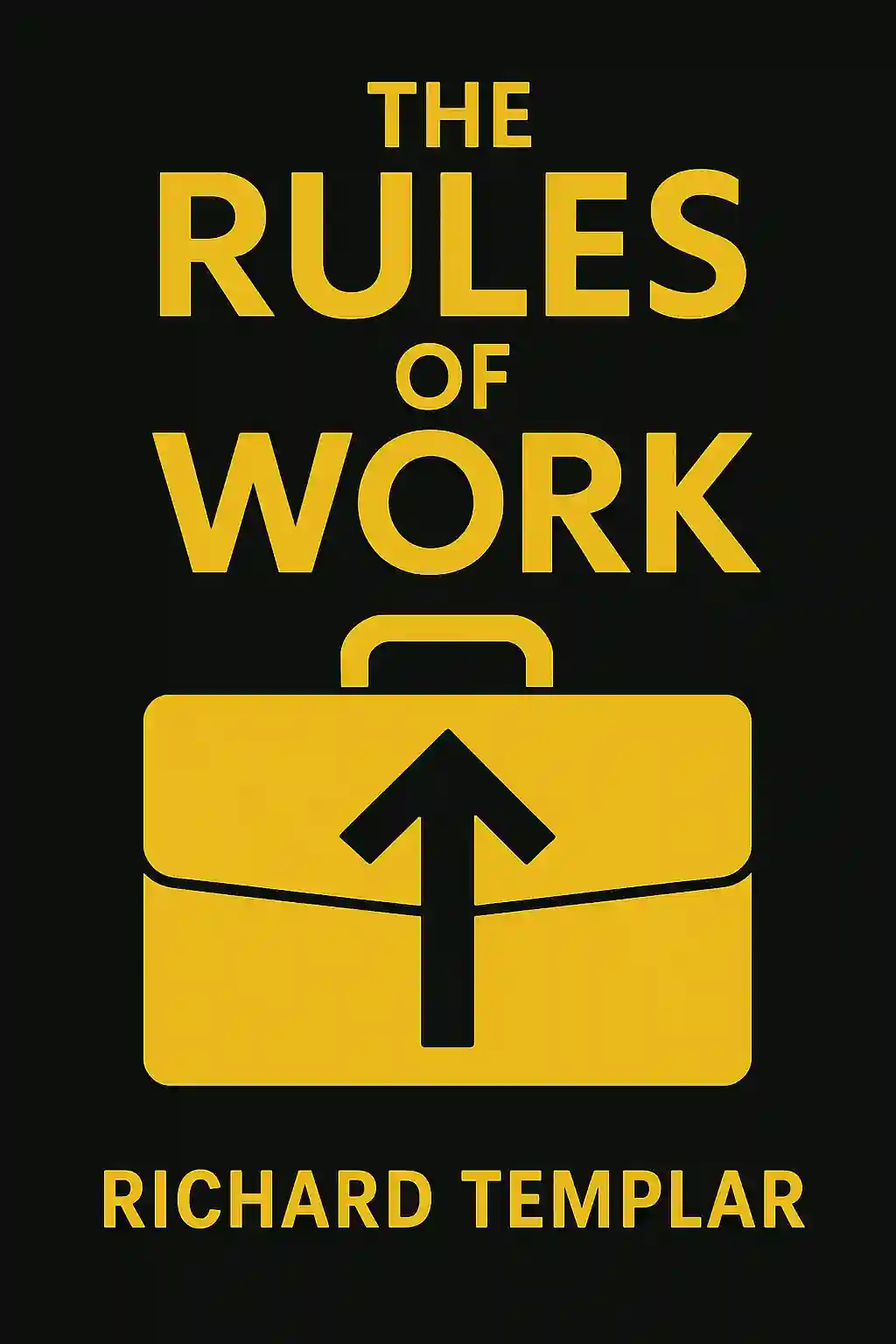
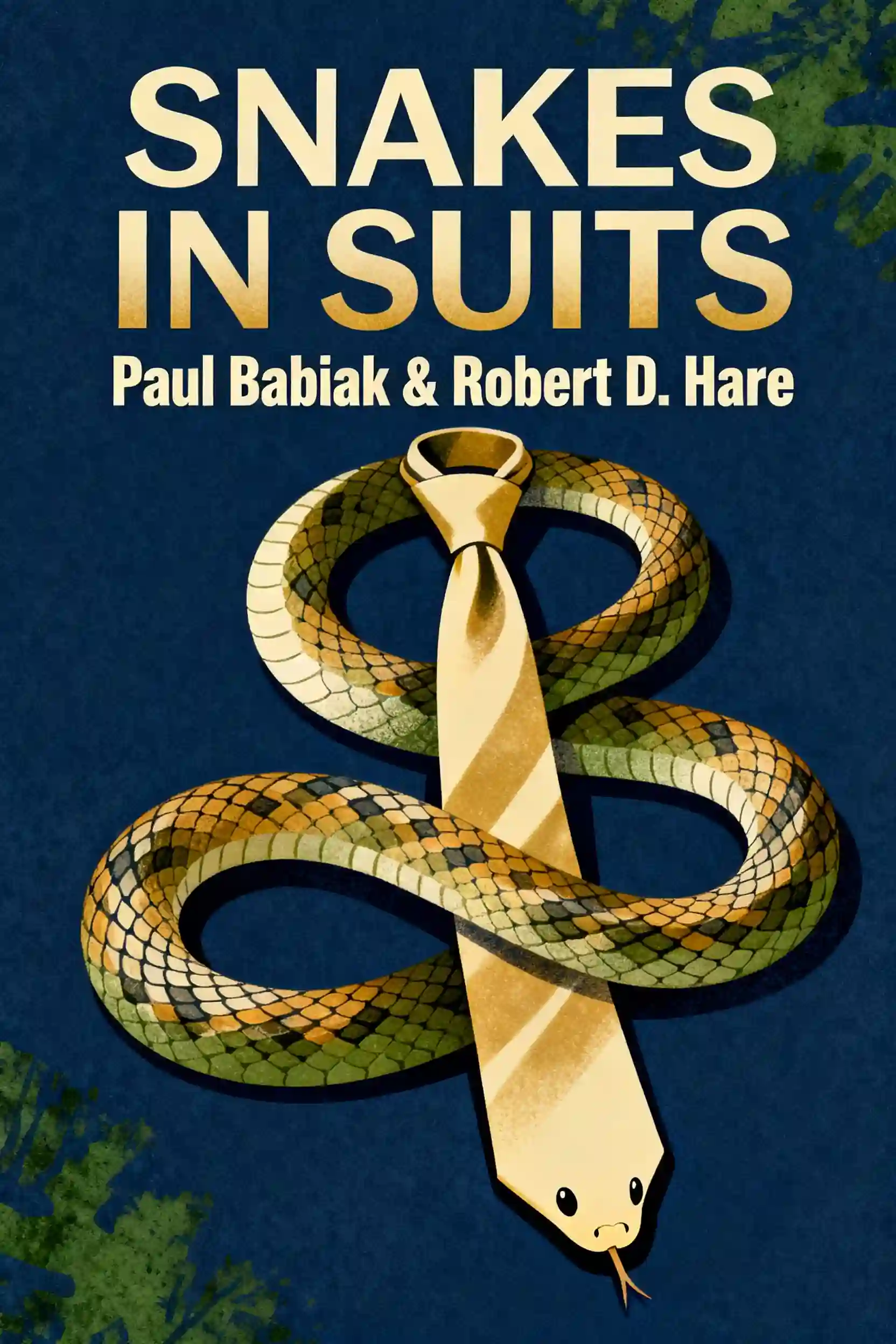
Write a concise 20-minute read on the topic of toxic work environments, focusing on how to identify signs of toxicity and strategies for navigating such environments effectively. Include practical tips, real-life examples, and actionable advice. Additionally, suggest a compelling and engaging title for the book that captures its essence.


Frequently Asked Questions
Identifying a toxic work environment often starts with recognizing patterns of poor communication, lack of trust, and constant stress. Common signs include high employee turnover, exclusionary behavior, and a lack of accountability among leadership. You might also notice a culture of fear where employees are afraid to speak up or share ideas. Recognizing these red flags early is essential for protecting your mental health and determining your next steps in your career journey.
Navigating a toxic job requires a focus on self-preservation and professional boundaries. Start by documenting your achievements and any negative interactions to maintain a clear record of your work and experiences. It is also helpful to limit your emotional investment in workplace drama and focus strictly on your core responsibilities. By maintaining a professional distance and seeking support from outside mentors, you can manage the daily stress while actively pursuing healthier career opportunities elsewhere.
Setting professional boundaries is a critical strategy for surviving a hostile work environment. Boundaries help you define what behavior is acceptable and protect your personal time from being consumed by workplace negativity. By clearly communicating your limits regarding workload and communication hours, you reduce the risk of burnout and maintain a sense of control. Establishing these guardrails allows you to stay focused on your career goals without letting a toxic culture dictate your self-worth or personal life.
To improve your experience in a difficult workplace culture, focus on building a support network of trusted colleagues who share your values. Engaging in regular self-care and professional development can also provide a sense of purpose outside of your immediate job stressors. Additionally, practicing assertive communication can help you address issues directly without escalating conflict. While you may not be able to change the entire organization, these actionable steps can help you regain agency and navigate the environment more effectively.
Discover more

Cope with toxic boss
Cope with toxic boss
Nearly half of employees report having worked under a toxic boss at some point in their careers, leading to stress, decreased productivity, and career stagnation. This learning plan provides practical strategies for professionals who need to navigate challenging leadership dynamics while protecting their wellbeing and career trajectory.
Manage toxic people & set healthy boundaries
Manage toxic people & set healthy boundaries
This plan is designed for individuals feeling drained by manipulative personalities or struggling to maintain personal space. It provides the essential tools to transition from being a victim of toxic patterns to a confident communicator with strong emotional safeguards.

Detach & leave toxic partner calmly
Detach & leave toxic partner calmly
This plan is essential for individuals feeling trapped in emotionally draining or manipulative relationships. It provides a structured, low-conflict roadmap for those needing to regain their autonomy and rebuild their lives with dignity.

Stop bully's lies and reclaim my reputation
Stop bully's lies and reclaim my reputation
Workplace manipulation can derail a career if left unaddressed. This plan is designed for professionals facing character assassination who need practical tools to neutralize toxicity and rebuild their professional authority.

Help my social anxiety at work
Help my social anxiety at work
Social anxiety at work can limit career growth, drain your energy, and prevent you from showcasing your true abilities. This learning plan is designed for professionals who find workplace interactions exhausting or stressful, whether you're navigating meetings, small talk, or day-to-day collaboration. By combining psychological insights with practical tools, you'll move beyond just coping to actually feeling confident and authentic in your work environment.
Burnout
Burnout
In an era of constant connectivity, understanding the biological roots of exhaustion is vital for long-term health. This plan is essential for professionals feeling depleted who want to transition from survival mode to sustainable high performance.

Overcome workplace anxiety
Overcome workplace anxiety
Workplace anxiety affects millions of professionals, impacting performance, career growth, and overall well-being. This learning plan is designed for anyone who experiences nervousness, self-doubt, or stress in professional settings—whether you're facing presentations, difficult conversations, or daily workplace pressures. By combining psychological insights with practical skills, you'll transform anxiety from a career obstacle into manageable energy that supports your professional success.
Manipulation
Manipulation
This plan is essential for anyone looking to navigate complex social dynamics and protect their mental well-being from predatory behavior. It is particularly beneficial for individuals recovering from toxic environments or professionals seeking to master ethical persuasion while maintaining strong personal boundaries.
From Columbia University alumni built in San Francisco
"Instead of endless scrolling, I just hit play on BeFreed. It saves me so much time."


"I never knew where to start with nonfiction—BeFreed’s book lists turned into podcasts gave me a clear path."


"Perfect balance between learning and entertainment. Finished ‘Thinking, Fast and Slow’ on my commute this week."
"Crazy how much I learned while walking the dog. BeFreed = small habits → big gains."
"Reading used to feel like a chore. Now it’s just part of my lifestyle."

"Feels effortless compared to reading. I’ve finished 6 books this month already."
"BeFreed turned my guilty doomscrolling into something that feels productive and inspiring."

"BeFreed turned my commute into learning time. 20-min podcasts are perfect for finishing books I never had time for."
"BeFreed replaced my podcast queue. Imagine Spotify for books — that’s it. 🙌"

"It is great for me to learn something from the book without reading it."
"The themed book list podcasts help me connect ideas across authors—like a guided audio journey."
"Makes me feel smarter every time before going to work"
From Columbia University alumni built in San Francisco
"Instead of endless scrolling, I just hit play on BeFreed. It saves me so much time."
"I never knew where to start with nonfiction—BeFreed’s book lists turned into podcasts gave me a clear path."
"Perfect balance between learning and entertainment. Finished ‘Thinking, Fast and Slow’ on my commute this week."
"Crazy how much I learned while walking the dog. BeFreed = small habits → big gains."
"Reading used to feel like a chore. Now it’s just part of my lifestyle."
"Feels effortless compared to reading. I’ve finished 6 books this month already."
"BeFreed turned my guilty doomscrolling into something that feels productive and inspiring."
"BeFreed turned my commute into learning time. 20-min podcasts are perfect for finishing books I never had time for."
"BeFreed replaced my podcast queue. Imagine Spotify for books — that’s it. 🙌"
"It is great for me to learn something from the book without reading it."
"The themed book list podcasts help me connect ideas across authors—like a guided audio journey."
"Makes me feel smarter every time before going to work"
"Instead of endless scrolling, I just hit play on BeFreed. It saves me so much time."
"I never knew where to start with nonfiction—BeFreed’s book lists turned into podcasts gave me a clear path."
"Perfect balance between learning and entertainment. Finished ‘Thinking, Fast and Slow’ on my commute this week."
"Crazy how much I learned while walking the dog. BeFreed = small habits → big gains."
"Reading used to feel like a chore. Now it’s just part of my lifestyle."
"Feels effortless compared to reading. I’ve finished 6 books this month already."
"BeFreed turned my guilty doomscrolling into something that feels productive and inspiring."
"BeFreed turned my commute into learning time. 20-min podcasts are perfect for finishing books I never had time for."
"BeFreed replaced my podcast queue. Imagine Spotify for books — that’s it. 🙌"
"It is great for me to learn something from the book without reading it."
"The themed book list podcasts help me connect ideas across authors—like a guided audio journey."
"Makes me feel smarter every time before going to work"
"Instead of endless scrolling, I just hit play on BeFreed. It saves me so much time."
"I never knew where to start with nonfiction—BeFreed’s book lists turned into podcasts gave me a clear path."
"Perfect balance between learning and entertainment. Finished ‘Thinking, Fast and Slow’ on my commute this week."
"Crazy how much I learned while walking the dog. BeFreed = small habits → big gains."
"Reading used to feel like a chore. Now it’s just part of my lifestyle."
"Feels effortless compared to reading. I’ve finished 6 books this month already."
"BeFreed turned my guilty doomscrolling into something that feels productive and inspiring."
"BeFreed turned my commute into learning time. 20-min podcasts are perfect for finishing books I never had time for."
"BeFreed replaced my podcast queue. Imagine Spotify for books — that’s it. 🙌"
"It is great for me to learn something from the book without reading it."
"The themed book list podcasts help me connect ideas across authors—like a guided audio journey."
"Makes me feel smarter every time before going to work"


