
Stopping Workplace Bullying and Toxic Leadership
Bullying is a clinical health hazard, not just office drama. Learn to spot subtle red flags and use a trauma-informed approach to protect your team.

Best quote from Stopping Workplace Bullying and Toxic Leadership
We have to stop thinking of workplace bullying as a personality clash and start seeing it as a clinical occupational health hazard. If there’s a gas leak, you don’t tell the workers to be more resilient; you fix the leak.

This audio lesson was created by a BeFreed community member
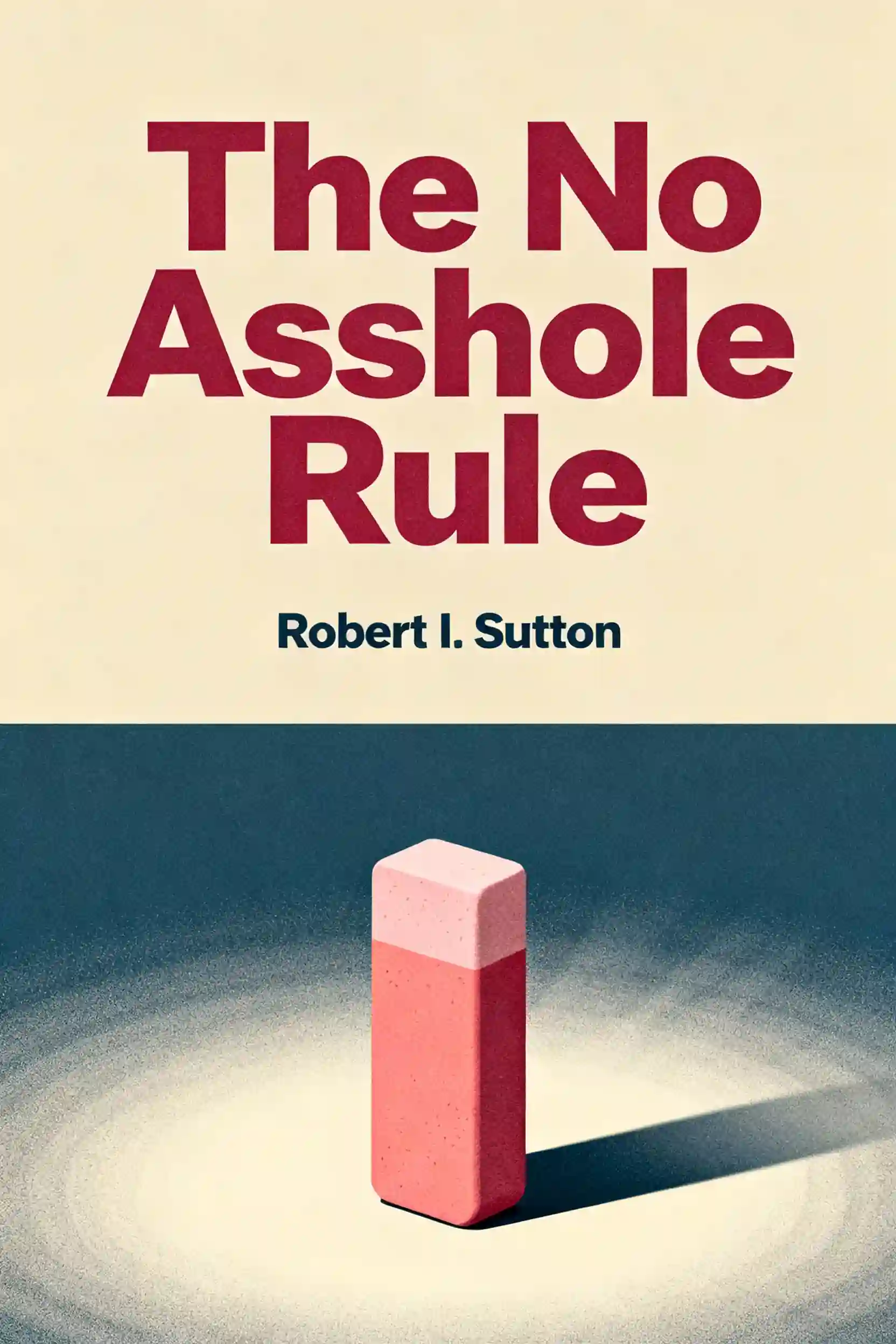
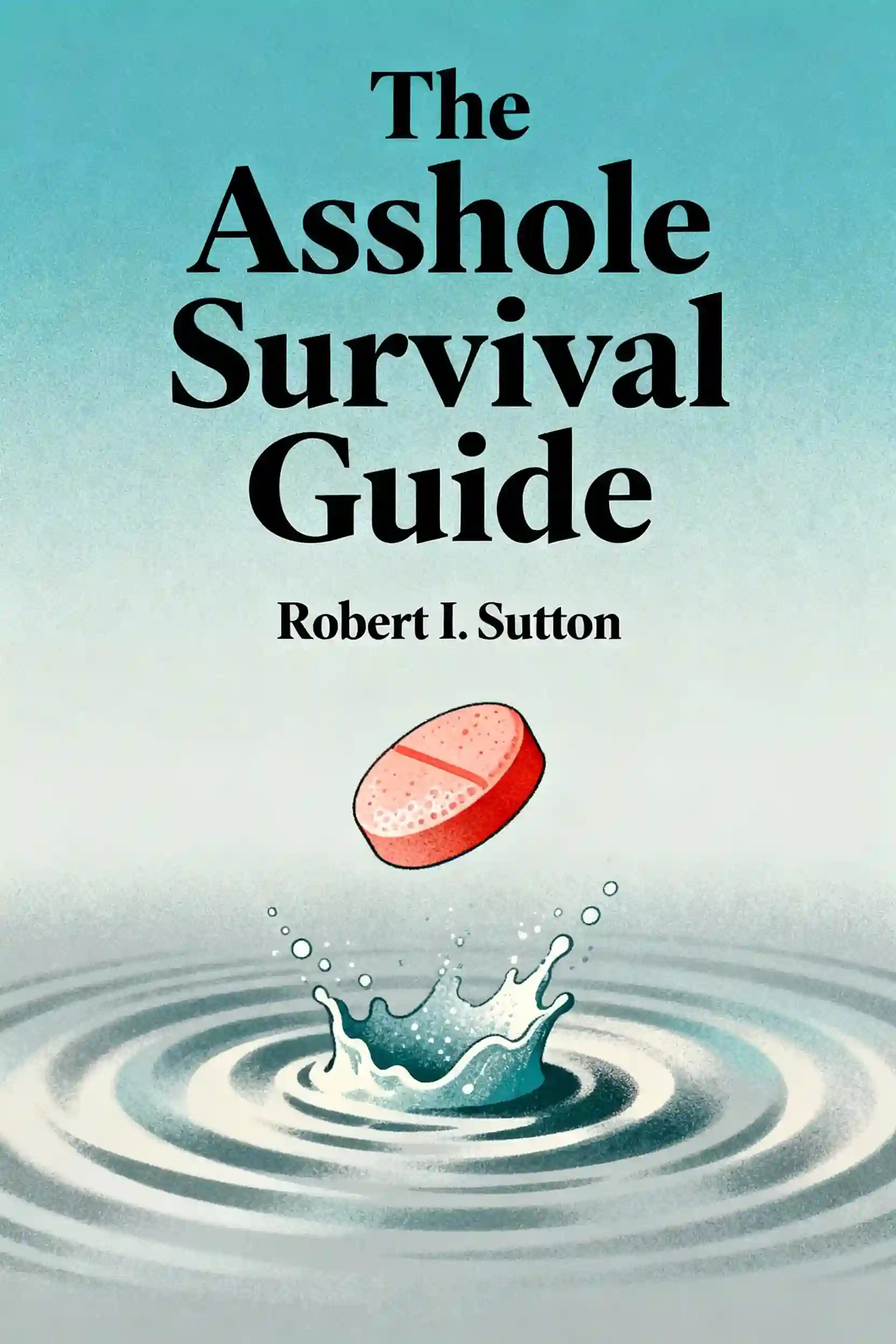
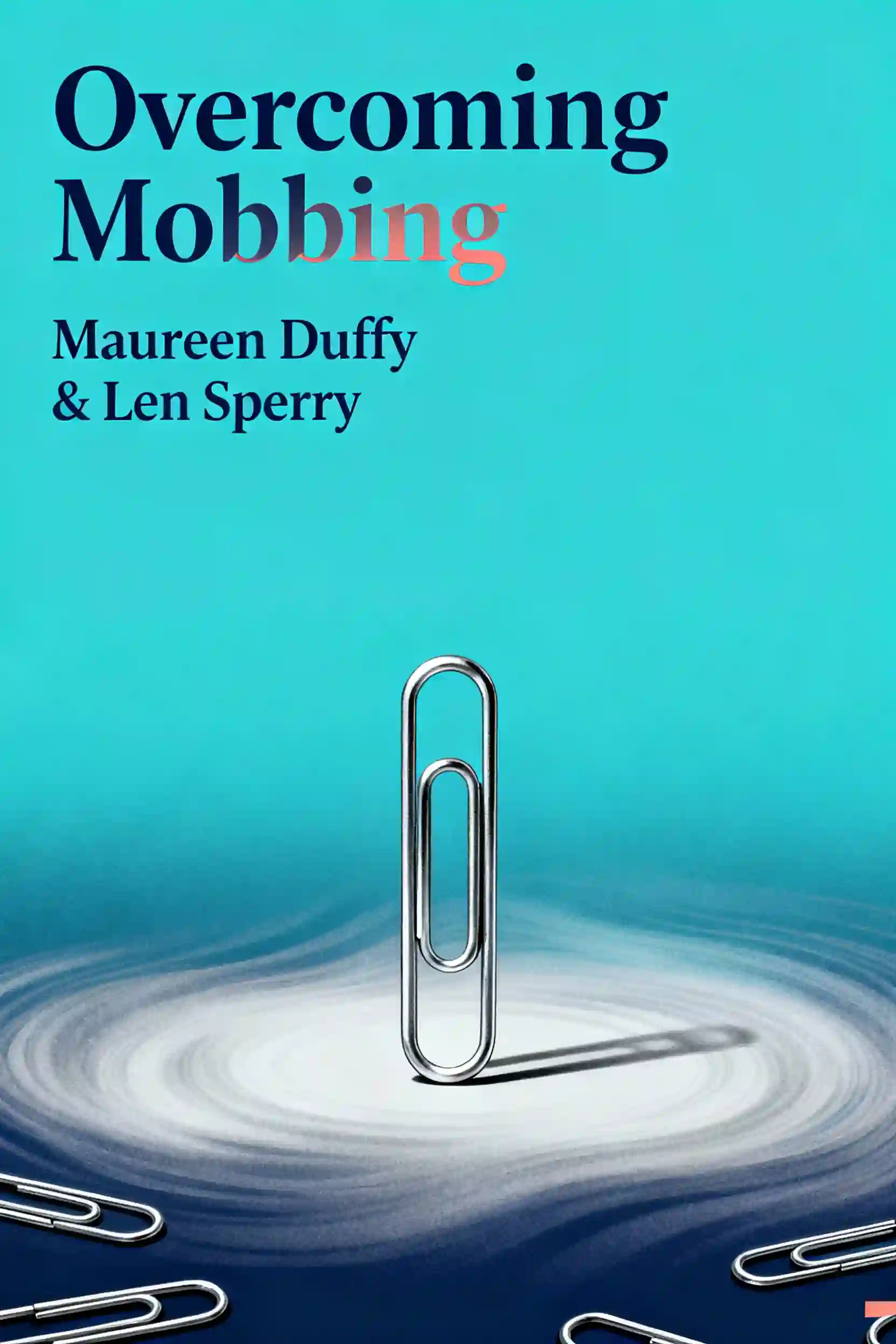
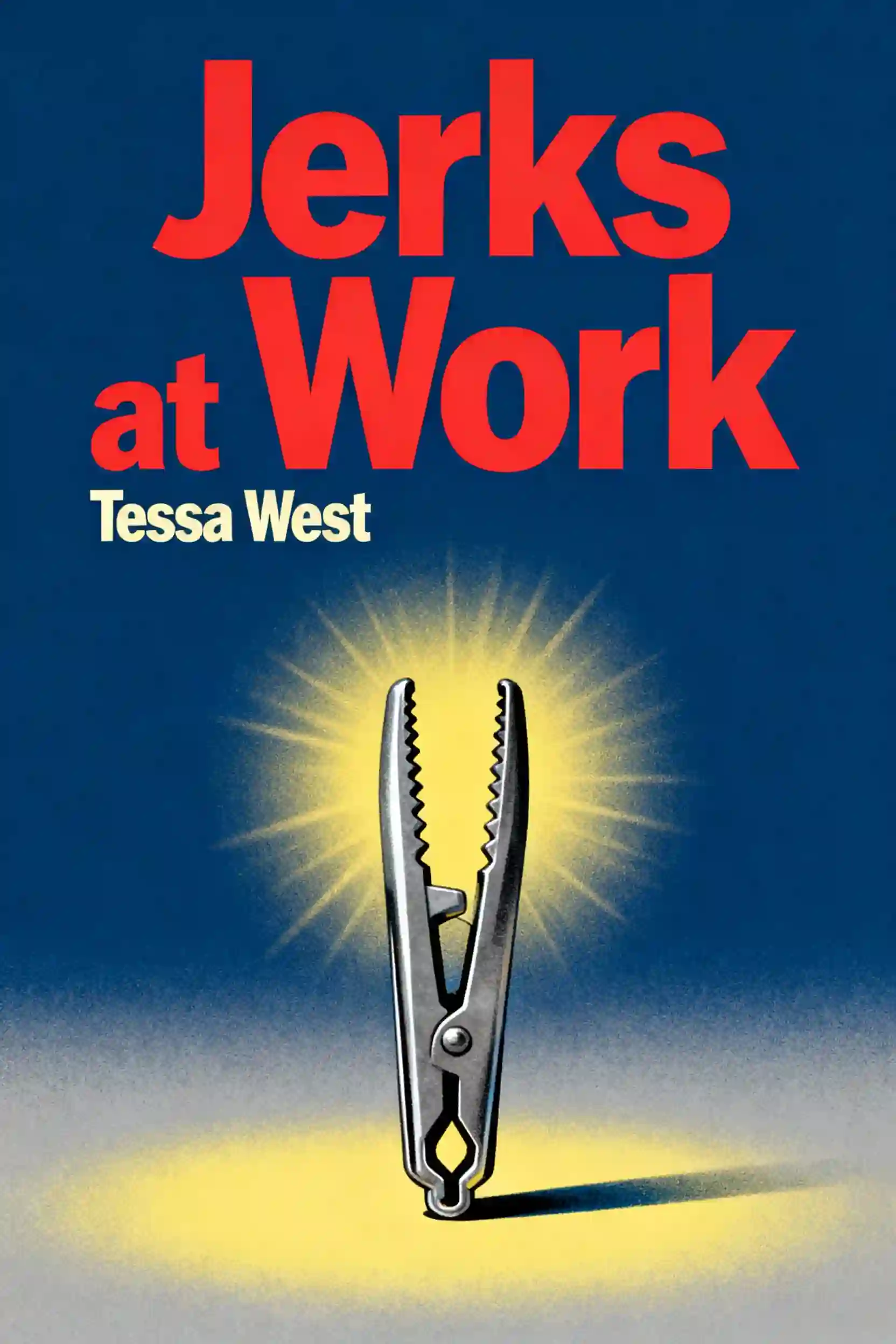
Workplace bullying what managers should know


Frequently Asked Questions
Bullying is classified as a clinical hazard because it triggers the body’s central stress response system, known as the HPA axis, into a state of chronic activation. This leads to actual physiological dysregulation, including sleep disturbances, cardiovascular problems, and cardiometabolic risks. Unlike simple personality clashes, bullying can mirror the outcomes of massive traumatic events, causing hypervigilance and an inability to reset the body's stress levels even during sleep.
The Psychosocial Safety Climate is the shared perception of how much an organization values the psychological health and safety of its employees compared to productivity. A high PSC acts as a "bully-proof" shield because it empowers both targets and witnesses to speak up early. In these environments, the "silent majority" is replaced by a culture of voice and protection, making it difficult for a bully to isolate a target or operate without consequences.
Subtle or "instrumental" bullying is often tactical and repeated, aimed at removing a perceived threat or maintaining dominance. While high standards focus on quality, subtle bullying involves "nitpicking" to create constant anxiety, withholding key information to set an employee up for failure, or using "just joking" as a defense for humiliation. Managers should look for patterns of unreasonable behavior, such as targeted micromanagement or intentional exclusion from digital communications, rather than isolated incidents of strictness.
The business case for a bully-proof culture is rooted in significant cost savings. Organizations with high levels of bullying face "presenteeism" costs—where employees are physically present but unproductive due to trauma—which can be six times higher than the cost of absenteeism. Additionally, replacing a professional lost to a toxic environment can cost up to 200% of their annual salary, and companies face uncapped legal risks from discrimination claims and damage to their employer brand on platforms like Glassdoor.
Trauma-informed leadership is a disciplined approach based on safety, trustworthiness, and empowerment. Practically, it means prioritizing predictability by providing clear meeting agendas, avoiding vague "we need to talk" messages, and offering employees choices to help them regain a sense of agency. It also involves handling investigations independently and transparently, ensuring that the process itself does not re-traumatize the individual, and providing reasonable accommodations during the recovery process.
Discover more

Cope with toxic boss
Cope with toxic boss
Nearly half of employees report having worked under a toxic boss at some point in their careers, leading to stress, decreased productivity, and career stagnation. This learning plan provides practical strategies for professionals who need to navigate challenging leadership dynamics while protecting their wellbeing and career trajectory.

Stop bully's lies and reclaim my reputation
Stop bully's lies and reclaim my reputation
Workplace manipulation can derail a career if left unaddressed. This plan is designed for professionals facing character assassination who need practical tools to neutralize toxicity and rebuild their professional authority.

Manage Toxic People & Set Firm Boundaries
Manage Toxic People & Set Firm Boundaries
This plan is essential for anyone feeling drained by manipulative relationships or struggling to maintain personal limits. It provides practical tools for professionals and individuals to regain control through assertive communication and emotional healing.
Build strong bonds in hostile settings
Build strong bonds in hostile settings
In increasingly polarized and high-stakes professional environments, the ability to maintain composure and build bridges is a critical leadership survival skill. This plan is designed for managers and professionals operating in toxic or high-conflict settings who need to turn resistance into cooperation.
Overcome workplace anxiety
Overcome workplace anxiety
Workplace anxiety affects millions of professionals, impacting performance, career growth, and overall well-being. This learning plan is designed for anyone who experiences nervousness, self-doubt, or stress in professional settings—whether you're facing presentations, difficult conversations, or daily workplace pressures. By combining psychological insights with practical skills, you'll transform anxiety from a career obstacle into manageable energy that supports your professional success.

Mindfulness, Leadership, Health & Recovery
Mindfulness, Leadership, Health & Recovery
This plan is essential for leaders facing burnout who need to integrate personal well-being with professional excellence. It is designed for executives and managers seeking to cultivate resilience, emotional intelligence, and sustainable health habits.
Leadership, Productivity & Creative Culture
Leadership, Productivity & Creative Culture
In an era of constant distraction and rapid change, leaders must balance high-output productivity with a culture that invites innovation. This plan is designed for emerging and established leaders looking to optimize their personal focus while building resilient, psychologically safe teams.

Mental Health, Leadership & Productivity
Mental Health, Leadership & Productivity
Modern leadership requires a balance of psychological resilience and operational efficiency to prevent burnout. This plan is designed for ambitious professionals and managers looking to integrate emotional intelligence with high-output productivity systems.
From Columbia University alumni built in San Francisco
"Instead of endless scrolling, I just hit play on BeFreed. It saves me so much time."


"I never knew where to start with nonfiction—BeFreed’s book lists turned into podcasts gave me a clear path."


"Perfect balance between learning and entertainment. Finished ‘Thinking, Fast and Slow’ on my commute this week."
"Crazy how much I learned while walking the dog. BeFreed = small habits → big gains."
"Reading used to feel like a chore. Now it’s just part of my lifestyle."

"Feels effortless compared to reading. I’ve finished 6 books this month already."
"BeFreed turned my guilty doomscrolling into something that feels productive and inspiring."

"BeFreed turned my commute into learning time. 20-min podcasts are perfect for finishing books I never had time for."
"BeFreed replaced my podcast queue. Imagine Spotify for books — that’s it. 🙌"

"It is great for me to learn something from the book without reading it."
"The themed book list podcasts help me connect ideas across authors—like a guided audio journey."
"Makes me feel smarter every time before going to work"
From Columbia University alumni built in San Francisco
"Instead of endless scrolling, I just hit play on BeFreed. It saves me so much time."
"I never knew where to start with nonfiction—BeFreed’s book lists turned into podcasts gave me a clear path."
"Perfect balance between learning and entertainment. Finished ‘Thinking, Fast and Slow’ on my commute this week."
"Crazy how much I learned while walking the dog. BeFreed = small habits → big gains."
"Reading used to feel like a chore. Now it’s just part of my lifestyle."
"Feels effortless compared to reading. I’ve finished 6 books this month already."
"BeFreed turned my guilty doomscrolling into something that feels productive and inspiring."
"BeFreed turned my commute into learning time. 20-min podcasts are perfect for finishing books I never had time for."
"BeFreed replaced my podcast queue. Imagine Spotify for books — that’s it. 🙌"
"It is great for me to learn something from the book without reading it."
"The themed book list podcasts help me connect ideas across authors—like a guided audio journey."
"Makes me feel smarter every time before going to work"
"Instead of endless scrolling, I just hit play on BeFreed. It saves me so much time."
"I never knew where to start with nonfiction—BeFreed’s book lists turned into podcasts gave me a clear path."
"Perfect balance between learning and entertainment. Finished ‘Thinking, Fast and Slow’ on my commute this week."
"Crazy how much I learned while walking the dog. BeFreed = small habits → big gains."
"Reading used to feel like a chore. Now it’s just part of my lifestyle."
"Feels effortless compared to reading. I’ve finished 6 books this month already."
"BeFreed turned my guilty doomscrolling into something that feels productive and inspiring."
"BeFreed turned my commute into learning time. 20-min podcasts are perfect for finishing books I never had time for."
"BeFreed replaced my podcast queue. Imagine Spotify for books — that’s it. 🙌"
"It is great for me to learn something from the book without reading it."
"The themed book list podcasts help me connect ideas across authors—like a guided audio journey."
"Makes me feel smarter every time before going to work"
"Instead of endless scrolling, I just hit play on BeFreed. It saves me so much time."
"I never knew where to start with nonfiction—BeFreed’s book lists turned into podcasts gave me a clear path."
"Perfect balance between learning and entertainment. Finished ‘Thinking, Fast and Slow’ on my commute this week."
"Crazy how much I learned while walking the dog. BeFreed = small habits → big gains."
"Reading used to feel like a chore. Now it’s just part of my lifestyle."
"Feels effortless compared to reading. I’ve finished 6 books this month already."
"BeFreed turned my guilty doomscrolling into something that feels productive and inspiring."
"BeFreed turned my commute into learning time. 20-min podcasts are perfect for finishing books I never had time for."
"BeFreed replaced my podcast queue. Imagine Spotify for books — that’s it. 🙌"
"It is great for me to learn something from the book without reading it."
"The themed book list podcasts help me connect ideas across authors—like a guided audio journey."
"Makes me feel smarter every time before going to work"


