

Best quote from The Iranian Revolution and how it changed the world
The Shah had the hardware of a superpower but the software of an absolute autocrat. He wanted the prestige of a modern state but skipped the foundation of political legitimacy.

This audio lesson was created by a BeFreed community member
Tell me about the history of the Iranian revolution

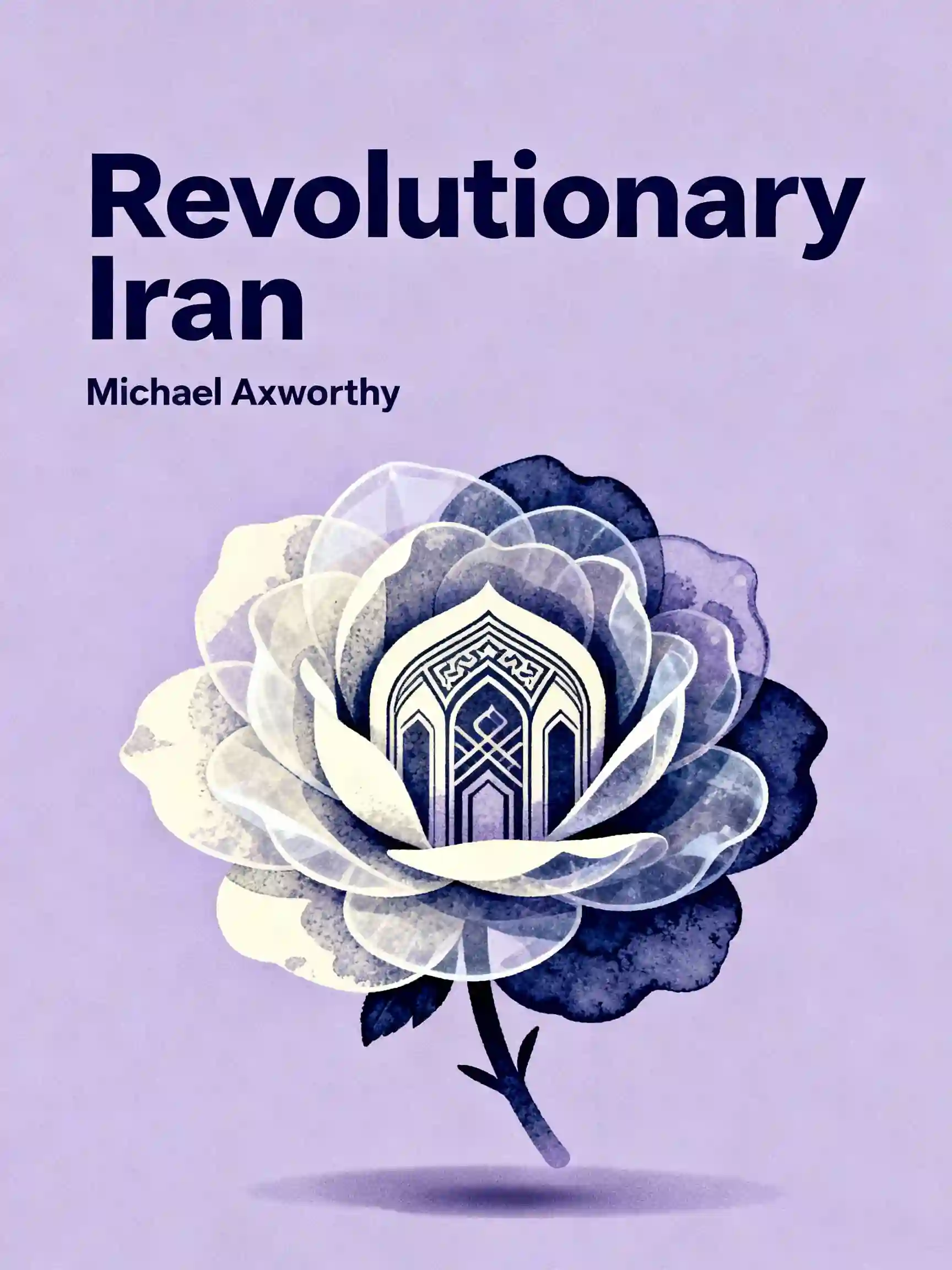
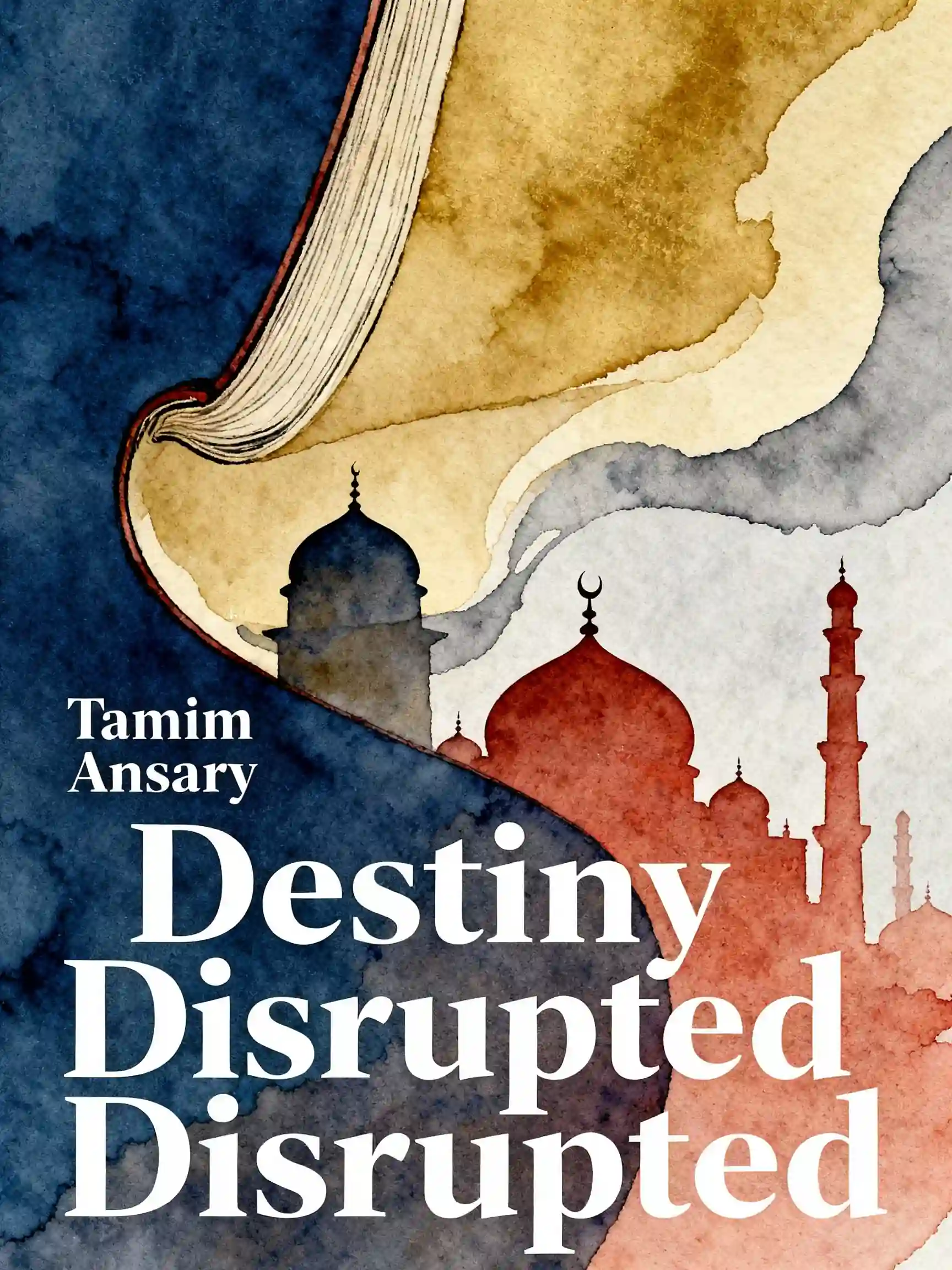
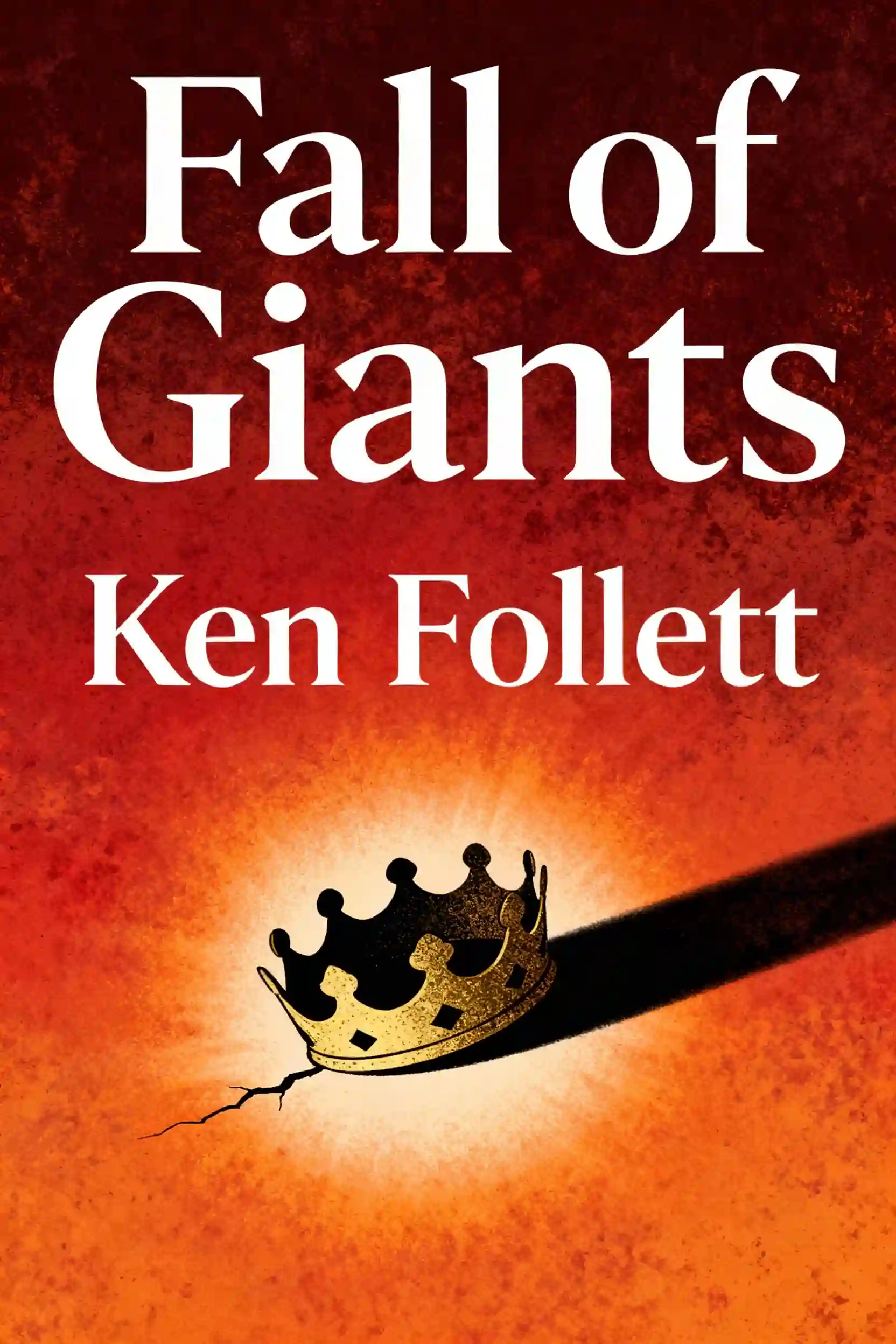
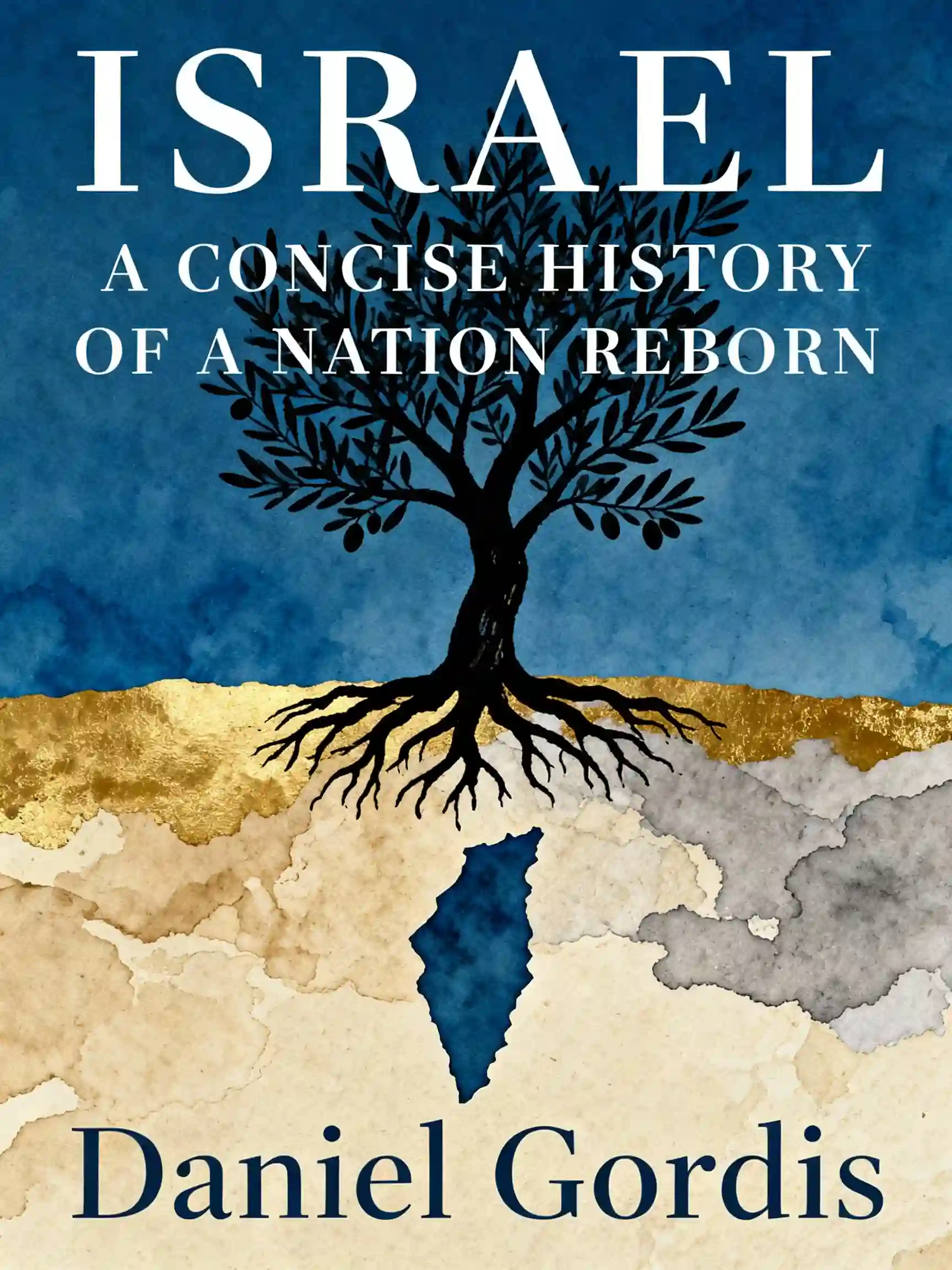
Frequently Asked Questions
Khomeini utilized a low-tech but highly effective "social media" strategy by recording his sermons on cassette tapes. These tapes were smuggled into Iran and duplicated by the thousands in mosques and bazaars. Because the Shah’s secret police, SAVAK, focused on controlling traditional media like radio and newspapers, they were unable to stop the decentralized, person-to-person distribution of these tapes, which allowed Khomeini’s voice to reach every neighborhood in the country.
The revolution followed a unique heartbeat rooted in Shia religious tradition, where a memorial service is held 40 days after a person’s death. In 1978, when government forces killed protesters, it triggered a mourning ceremony 40 days later. These ceremonies often turned into new protests where more people were killed, leading to even larger memorials 40 days after that. This self-sustaining loop of escalation paralyzed the government and made the movement impossible to suppress.
The opposition to the Shah was a diverse "unlikely coalition" of students, Marxists, and merchants who were united by a single negative goal: toppling the monarchy. Khomeini practiced "strategic ambiguity," promising social justice to the poor and sovereignty to nationalists while downplaying his radical "Guardianship of the Jurist" doctrine. Secular groups mistakenly viewed him as a symbolic figurehead who would retire to a scholarly life once the Shah was gone, failing to realize he was building a parallel state infrastructure.
The hostage crisis served as a domestic power play that radicalized the revolution and eliminated political moderates. By backing the students who seized the embassy, Khomeini tapped into intense anti-imperialist sentiment, which forced the resignation of the secular provisional government. This "Second Revolution" allowed hardliners to frame any desire for Western-style democracy as treason, providing the political cover needed to pass a new constitution that granted the Supreme Leader absolute power.
While the post-1979 regime is socially conservative, it invested heavily in rural literacy and healthcare to prove its legitimacy. This resulted in a highly educated population where women now make up over 60 percent of university students. This has created a structural disconnect: the regime successfully educated a sophisticated middle class that now feels suffocated by the very clerical restrictions and social laws—such as the mandatory hijab—that the government continues to enforce.
Discover more

Explore Iran's historical & modern evolution
Explore Iran's historical & modern evolution
Iran represents one of the world's oldest continuous civilizations with profound influence on global history, yet is often misunderstood through contemporary geopolitical lenses. This learning plan provides crucial historical context and cultural insights for anyone interested in Middle Eastern politics, international relations, or cultural studies.

Long-term impact of Iran-US-Israel conflict
Long-term impact of Iran-US-Israel conflict
This plan provides a critical lens into the geopolitical tensions shaping the modern world. It is essential for students of international relations, policymakers, and global investors seeking to understand how this conflict influences global stability.
US-Iran Conflict: Past, Present & Future
US-Iran Conflict: Past, Present & Future
This plan is essential for anyone seeking to understand the most volatile relationship in modern geopolitics. It is ideal for students of international relations, policy professionals, or curious citizens wanting to look beyond the headlines at the roots of Middle Eastern conflict.

Iran Israel war latest situation and analysis
Iran Israel war latest situation and analysis
The Iran-Israel conflict represents one of the most volatile and consequential geopolitical tensions in today's world, with potential to reshape regional and global security. This learning plan benefits diplomacy professionals, international relations students, journalists, and informed citizens seeking to understand the conflict beyond headlines.
Understand china history
Understand china history
This plan offers a vital perspective on China's trajectory from an ancient empire to a modern global leader. It is ideal for students, professionals, and history enthusiasts seeking to understand the historical forces driving today's geopolitical landscape.

Empires & Power
Empires & Power
This plan offers a deep dive into the mechanics of global dominance, bridging historical precedents with modern geopolitics. It is essential for students of history, political science, or international business seeking to understand how power is built and lost.
History of the world wars
History of the world wars
This learning plan provides essential context for understanding the modern world, as the two world wars fundamentally transformed global politics, economics, and society in ways that still resonate today. It's ideal for history enthusiasts, students of international relations, educators, and anyone seeking to comprehend how 20th-century conflicts shaped current geopolitical dynamics, humanitarian law, and our collective responsibility to prevent future atrocities.

More history
More history
This plan provides a comprehensive overview of the human experience, connecting ancient foundations to modern geopolitical shifts. It is ideal for lifelong learners and students who want to develop a sophisticated understanding of how the past informs our present world.
From Columbia University alumni built in San Francisco
"Instead of endless scrolling, I just hit play on BeFreed. It saves me so much time."


"I never knew where to start with nonfiction—BeFreed’s book lists turned into podcasts gave me a clear path."


"Perfect balance between learning and entertainment. Finished ‘Thinking, Fast and Slow’ on my commute this week."
"Crazy how much I learned while walking the dog. BeFreed = small habits → big gains."
"Reading used to feel like a chore. Now it’s just part of my lifestyle."

"Feels effortless compared to reading. I’ve finished 6 books this month already."
"BeFreed turned my guilty doomscrolling into something that feels productive and inspiring."

"BeFreed turned my commute into learning time. 20-min podcasts are perfect for finishing books I never had time for."
"BeFreed replaced my podcast queue. Imagine Spotify for books — that’s it. 🙌"

"It is great for me to learn something from the book without reading it."
"The themed book list podcasts help me connect ideas across authors—like a guided audio journey."
"Makes me feel smarter every time before going to work"
From Columbia University alumni built in San Francisco
"Instead of endless scrolling, I just hit play on BeFreed. It saves me so much time."
"I never knew where to start with nonfiction—BeFreed’s book lists turned into podcasts gave me a clear path."
"Perfect balance between learning and entertainment. Finished ‘Thinking, Fast and Slow’ on my commute this week."
"Crazy how much I learned while walking the dog. BeFreed = small habits → big gains."
"Reading used to feel like a chore. Now it’s just part of my lifestyle."
"Feels effortless compared to reading. I’ve finished 6 books this month already."
"BeFreed turned my guilty doomscrolling into something that feels productive and inspiring."
"BeFreed turned my commute into learning time. 20-min podcasts are perfect for finishing books I never had time for."
"BeFreed replaced my podcast queue. Imagine Spotify for books — that’s it. 🙌"
"It is great for me to learn something from the book without reading it."
"The themed book list podcasts help me connect ideas across authors—like a guided audio journey."
"Makes me feel smarter every time before going to work"
"Instead of endless scrolling, I just hit play on BeFreed. It saves me so much time."
"I never knew where to start with nonfiction—BeFreed’s book lists turned into podcasts gave me a clear path."
"Perfect balance between learning and entertainment. Finished ‘Thinking, Fast and Slow’ on my commute this week."
"Crazy how much I learned while walking the dog. BeFreed = small habits → big gains."
"Reading used to feel like a chore. Now it’s just part of my lifestyle."
"Feels effortless compared to reading. I’ve finished 6 books this month already."
"BeFreed turned my guilty doomscrolling into something that feels productive and inspiring."
"BeFreed turned my commute into learning time. 20-min podcasts are perfect for finishing books I never had time for."
"BeFreed replaced my podcast queue. Imagine Spotify for books — that’s it. 🙌"
"It is great for me to learn something from the book without reading it."
"The themed book list podcasts help me connect ideas across authors—like a guided audio journey."
"Makes me feel smarter every time before going to work"
"Instead of endless scrolling, I just hit play on BeFreed. It saves me so much time."
"I never knew where to start with nonfiction—BeFreed’s book lists turned into podcasts gave me a clear path."
"Perfect balance between learning and entertainment. Finished ‘Thinking, Fast and Slow’ on my commute this week."
"Crazy how much I learned while walking the dog. BeFreed = small habits → big gains."
"Reading used to feel like a chore. Now it’s just part of my lifestyle."
"Feels effortless compared to reading. I’ve finished 6 books this month already."
"BeFreed turned my guilty doomscrolling into something that feels productive and inspiring."
"BeFreed turned my commute into learning time. 20-min podcasts are perfect for finishing books I never had time for."
"BeFreed replaced my podcast queue. Imagine Spotify for books — that’s it. 🙌"
"It is great for me to learn something from the book without reading it."
"The themed book list podcasts help me connect ideas across authors—like a guided audio journey."
"Makes me feel smarter every time before going to work"


