
The Happiness Treadmill: Why Good Things Stop Feeling Good
Explore the psychology behind why promotions, purchases, and achievements lose their shine so quickly, and discover the surprising exceptions that might actually stick.

Best quote from The Happiness Treadmill: Why Good Things Stop Feeling Good
Your brain isn't actually designed to keep you happy; it's designed to keep you motivated. If you felt permanently amazing after achieving something, you'd have no drive to keep going.

This audio lesson was created by a BeFreed community member
Give me a podcast about happiness and hedonic adaptation


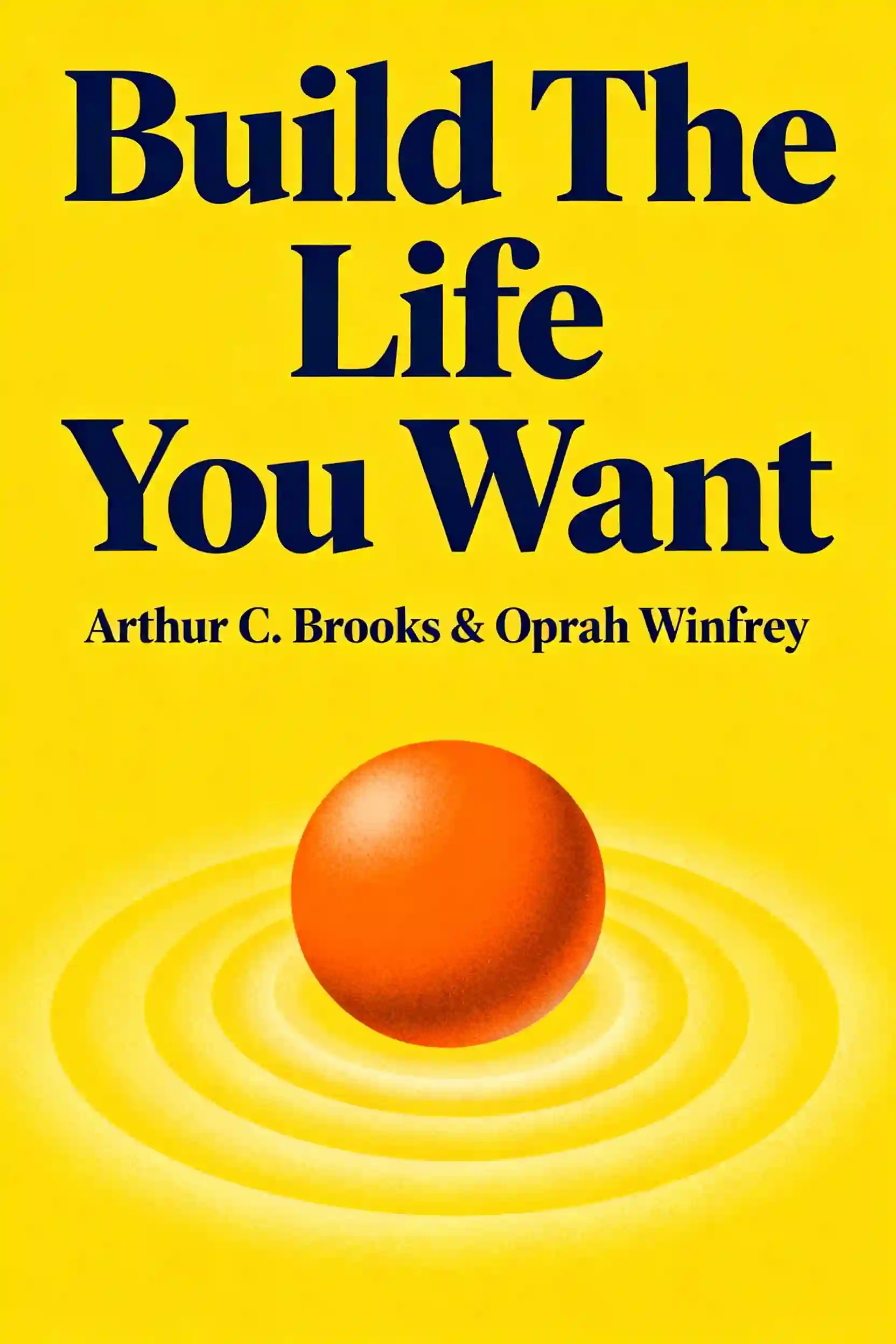
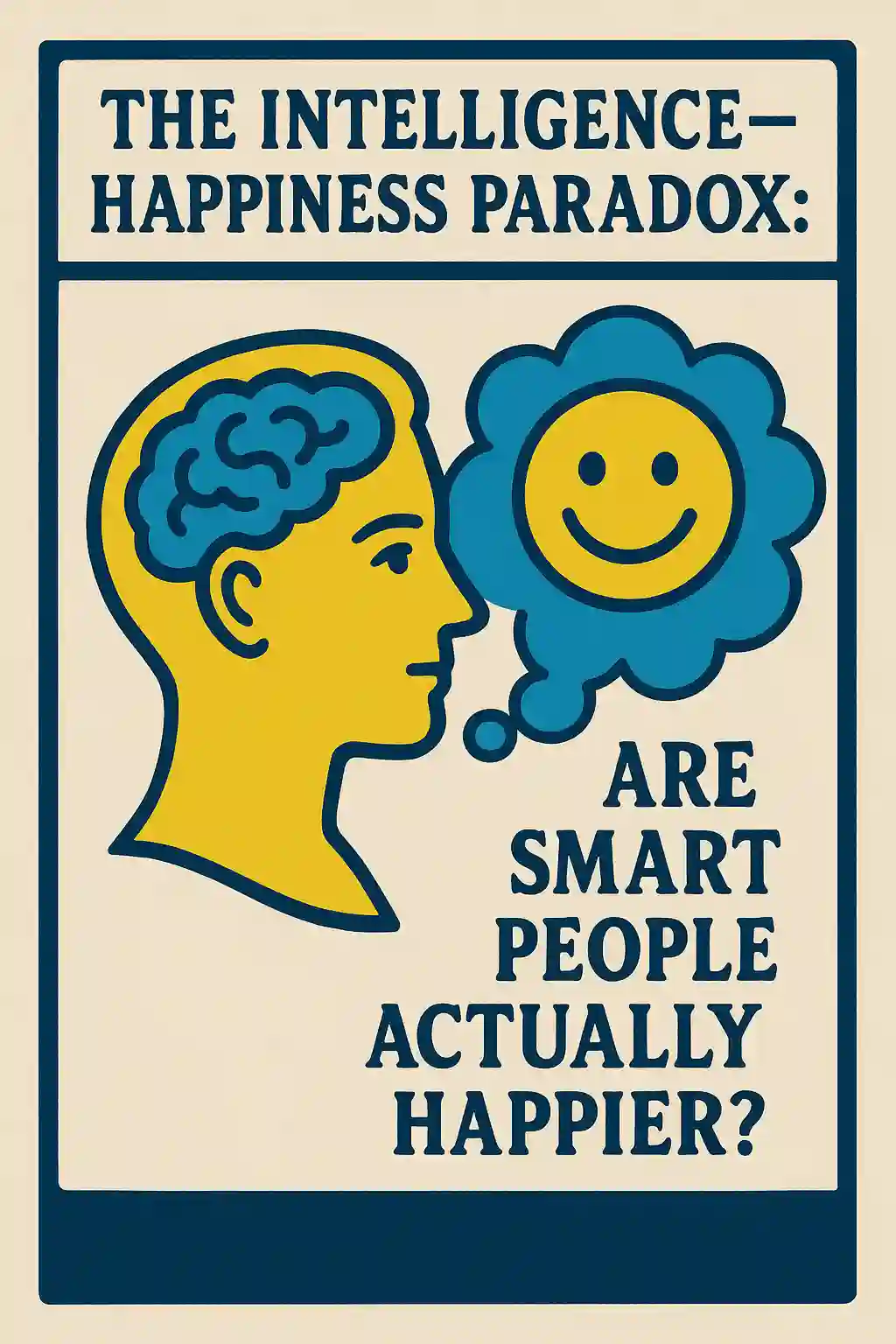
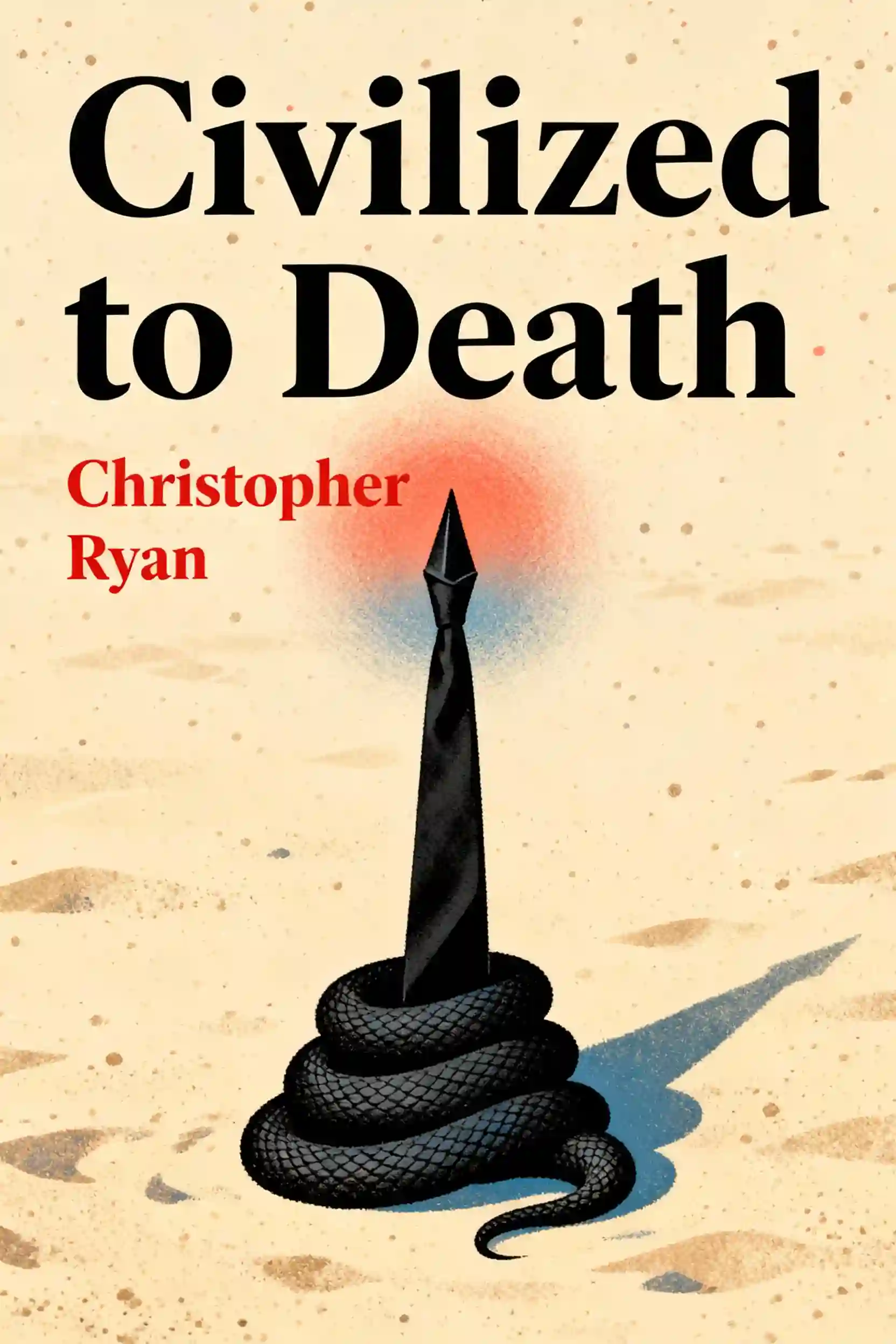
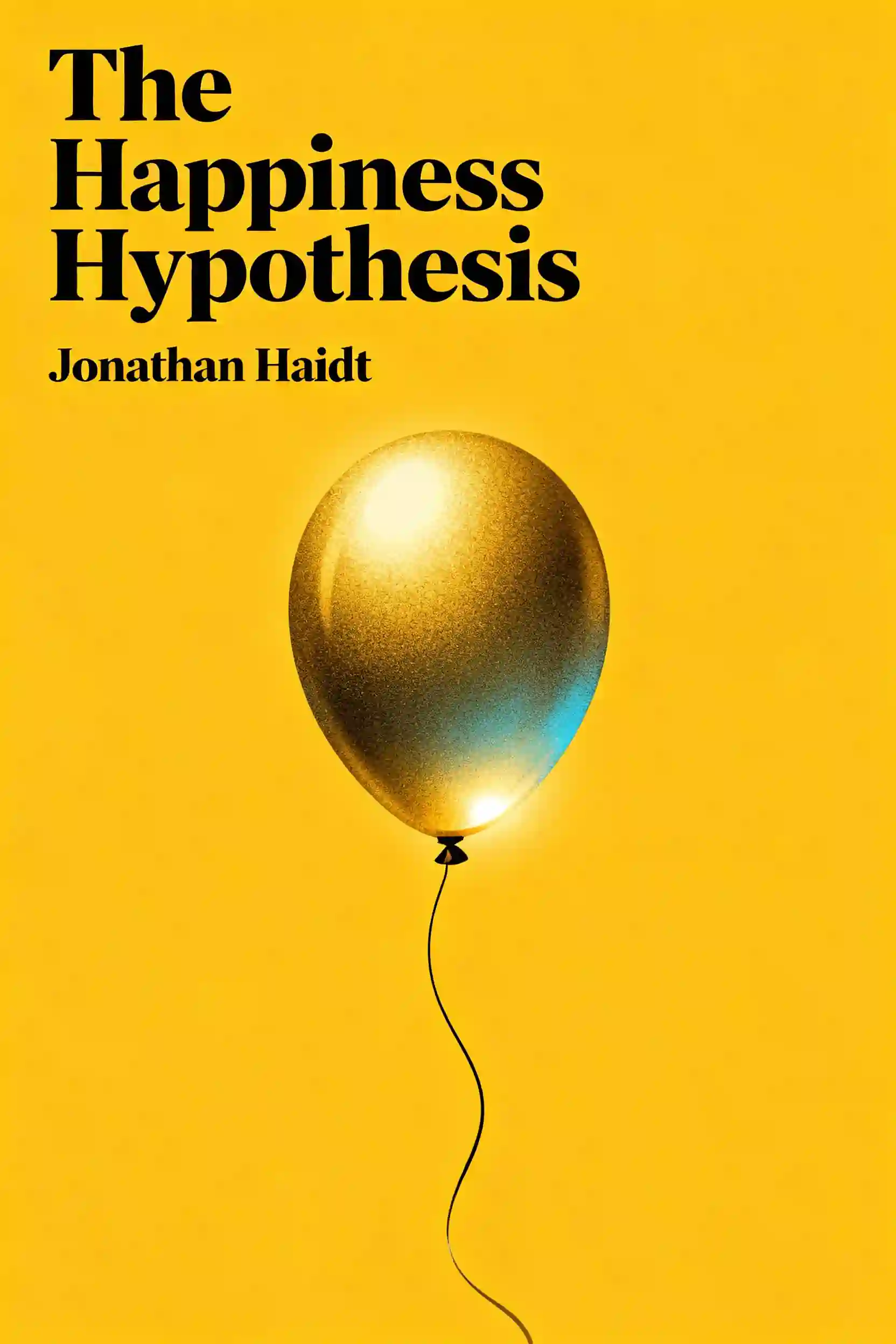
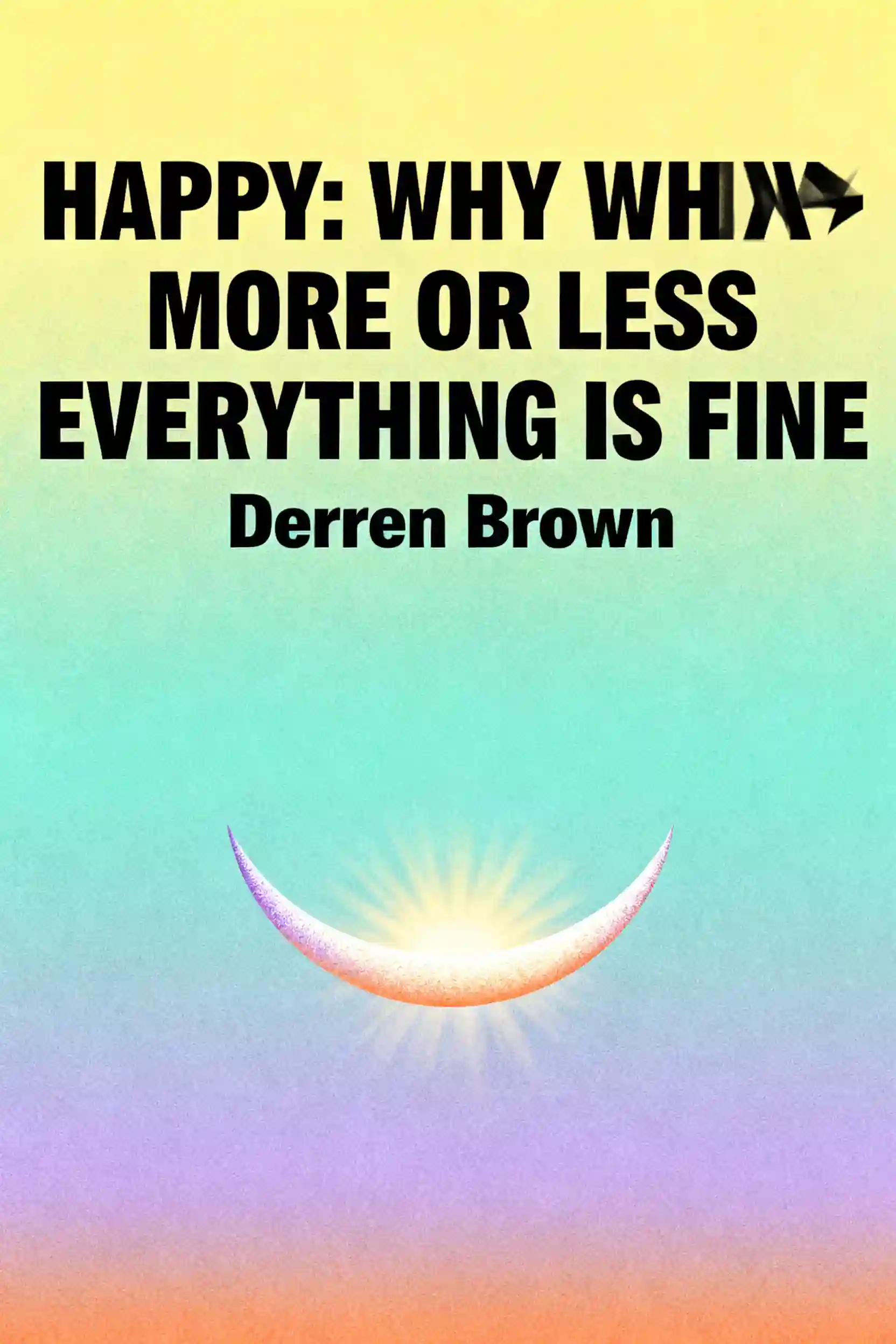
Discover more

How to be happy
The text outlines a comprehensive guide to enhancing happiness through evidence-based practices, focusing on emotion, engagement, relationships, meaning, accomplishment, and daily rituals.
BeFreed team

Habits, Psychology & Self-Improvement
Habits, Psychology & Self-Improvement
This plan bridges the gap between behavioral science and practical application for anyone feeling stuck in unproductive cycles. It is ideal for high-achievers and individuals looking to master their mindset and build the discipline required for long-term excellence.

Live Mindfully & Happily
Live Mindfully & Happily
In an era of constant distraction and burnout, this plan provides a structured bridge between ancient mindfulness and modern positive psychology. It is ideal for high-achievers and anyone seeking to transition from superficial happiness to a life of deep, sustainable fulfillment.

Beat Apathy: Find Joy & Purposeful Discipline
Beat Apathy: Find Joy & Purposeful Discipline
Modern burnout often stems from a lack of alignment between our daily actions and our deeper sense of purpose. This plan is designed for anyone feeling stuck in a cycle of procrastination or emotional numbness, offering a science-backed roadmap to reclaim motivation and structured consistency.
Values that increase happiness
Values that increase happiness
This learning plan synthesizes cutting-edge research on what truly drives human happiness, moving beyond quick-fix solutions to explore the deeper values and connections that create lasting well-being. Ideal for anyone seeking evidence-based approaches to improve life satisfaction, develop meaningful relationships, and align their daily choices with their core values.

Happiness and depression
Happiness and depression
This learning plan is essential for anyone seeking to move beyond temporary fixes toward a deep, scientific understanding of their emotional health. It is designed for individuals looking to master their mental state and build a sustainable foundation for lasting happiness and resilience.
Find happiness in all aspects
Find happiness in all aspects
This learning plan is essential for anyone seeking lasting fulfillment beyond temporary pleasure or surface-level positivity. It's ideal for individuals feeling stuck, unfulfilled, or wanting to build a more meaningful life grounded in scientific research and practical application. Whether you're navigating life transitions, seeking deeper relationships, or wanting to understand what truly drives human well-being, this plan provides actionable frameworks for sustainable happiness.
Create joy with better habits
Create joy with better habits
This learning plan combines neuroscience, positive psychology, and behavior design to help anyone seeking more consistent happiness and fulfillment in their daily life. It's ideal for professionals feeling stuck in routines, individuals experiencing burnout, or anyone wanting to move beyond fleeting pleasures to build sustainable wellbeing through scientifically-backed strategies.
From Columbia University alumni built in San Francisco
"Instead of endless scrolling, I just hit play on BeFreed. It saves me so much time."


"I never knew where to start with nonfiction—BeFreed’s book lists turned into podcasts gave me a clear path."


"Perfect balance between learning and entertainment. Finished ‘Thinking, Fast and Slow’ on my commute this week."
"Crazy how much I learned while walking the dog. BeFreed = small habits → big gains."
"Reading used to feel like a chore. Now it’s just part of my lifestyle."

"Feels effortless compared to reading. I’ve finished 6 books this month already."
"BeFreed turned my guilty doomscrolling into something that feels productive and inspiring."

"BeFreed turned my commute into learning time. 20-min podcasts are perfect for finishing books I never had time for."
"BeFreed replaced my podcast queue. Imagine Spotify for books — that’s it. 🙌"

"It is great for me to learn something from the book without reading it."
"The themed book list podcasts help me connect ideas across authors—like a guided audio journey."
"Makes me feel smarter every time before going to work"
From Columbia University alumni built in San Francisco
"Instead of endless scrolling, I just hit play on BeFreed. It saves me so much time."
"I never knew where to start with nonfiction—BeFreed’s book lists turned into podcasts gave me a clear path."
"Perfect balance between learning and entertainment. Finished ‘Thinking, Fast and Slow’ on my commute this week."
"Crazy how much I learned while walking the dog. BeFreed = small habits → big gains."
"Reading used to feel like a chore. Now it’s just part of my lifestyle."
"Feels effortless compared to reading. I’ve finished 6 books this month already."
"BeFreed turned my guilty doomscrolling into something that feels productive and inspiring."
"BeFreed turned my commute into learning time. 20-min podcasts are perfect for finishing books I never had time for."
"BeFreed replaced my podcast queue. Imagine Spotify for books — that’s it. 🙌"
"It is great for me to learn something from the book without reading it."
"The themed book list podcasts help me connect ideas across authors—like a guided audio journey."
"Makes me feel smarter every time before going to work"
"Instead of endless scrolling, I just hit play on BeFreed. It saves me so much time."
"I never knew where to start with nonfiction—BeFreed’s book lists turned into podcasts gave me a clear path."
"Perfect balance between learning and entertainment. Finished ‘Thinking, Fast and Slow’ on my commute this week."
"Crazy how much I learned while walking the dog. BeFreed = small habits → big gains."
"Reading used to feel like a chore. Now it’s just part of my lifestyle."
"Feels effortless compared to reading. I’ve finished 6 books this month already."
"BeFreed turned my guilty doomscrolling into something that feels productive and inspiring."
"BeFreed turned my commute into learning time. 20-min podcasts are perfect for finishing books I never had time for."
"BeFreed replaced my podcast queue. Imagine Spotify for books — that’s it. 🙌"
"It is great for me to learn something from the book without reading it."
"The themed book list podcasts help me connect ideas across authors—like a guided audio journey."
"Makes me feel smarter every time before going to work"
"Instead of endless scrolling, I just hit play on BeFreed. It saves me so much time."
"I never knew where to start with nonfiction—BeFreed’s book lists turned into podcasts gave me a clear path."
"Perfect balance between learning and entertainment. Finished ‘Thinking, Fast and Slow’ on my commute this week."
"Crazy how much I learned while walking the dog. BeFreed = small habits → big gains."
"Reading used to feel like a chore. Now it’s just part of my lifestyle."
"Feels effortless compared to reading. I’ve finished 6 books this month already."
"BeFreed turned my guilty doomscrolling into something that feels productive and inspiring."
"BeFreed turned my commute into learning time. 20-min podcasts are perfect for finishing books I never had time for."
"BeFreed replaced my podcast queue. Imagine Spotify for books — that’s it. 🙌"
"It is great for me to learn something from the book without reading it."
"The themed book list podcasts help me connect ideas across authors—like a guided audio journey."
"Makes me feel smarter every time before going to work"


