
10 Happiness Habits That Actually Work
Most people stay at the same happiness level for decades. Learn the science-backed habits that help you break the cycle and boost your joy baseline.

Best quote from 10 Happiness Habits That Actually Work
Happiness isn’t something that happens to us—it’s something we practice. It’s a skill, and when we lean into the forty percent of our well-being determined by intentional activities, we can actually outperform our genetics.

This audio lesson was created by a BeFreed community member
10 best tips for being happy


Frequently Asked Questions
The Happiness Pie Chart is a scientific model that breaks down the factors influencing our well-being into three distinct slices. Research suggests that approximately 50% of our happiness is determined by our genetic set point or temperament, while surprisingly, life circumstances like income, housing, and marital status only account for about 10%. The remaining 40% is determined by intentional activities—our daily habits, mindset, and the choices we make. This means that nearly half of our happiness is a skill that can be practiced and improved regardless of our circumstances or genetics.
Data from 2026 indicates that regular physical activity can boost well-being by about 12%, whereas doubling your salary typically only provides a 10% boost. Exercise acts as a "triple threat" for the brain: it functions as "Miracle-Gro" by releasing endorphins and BDNF to improve brain function, it builds a sense of mastery and self-efficacy, and it serves as a distraction that breaks cycles of stress. Unlike a raise, which people quickly adapt to through "hedonic adaptation," exercise provides a consistent biological and psychological foundation for joy.
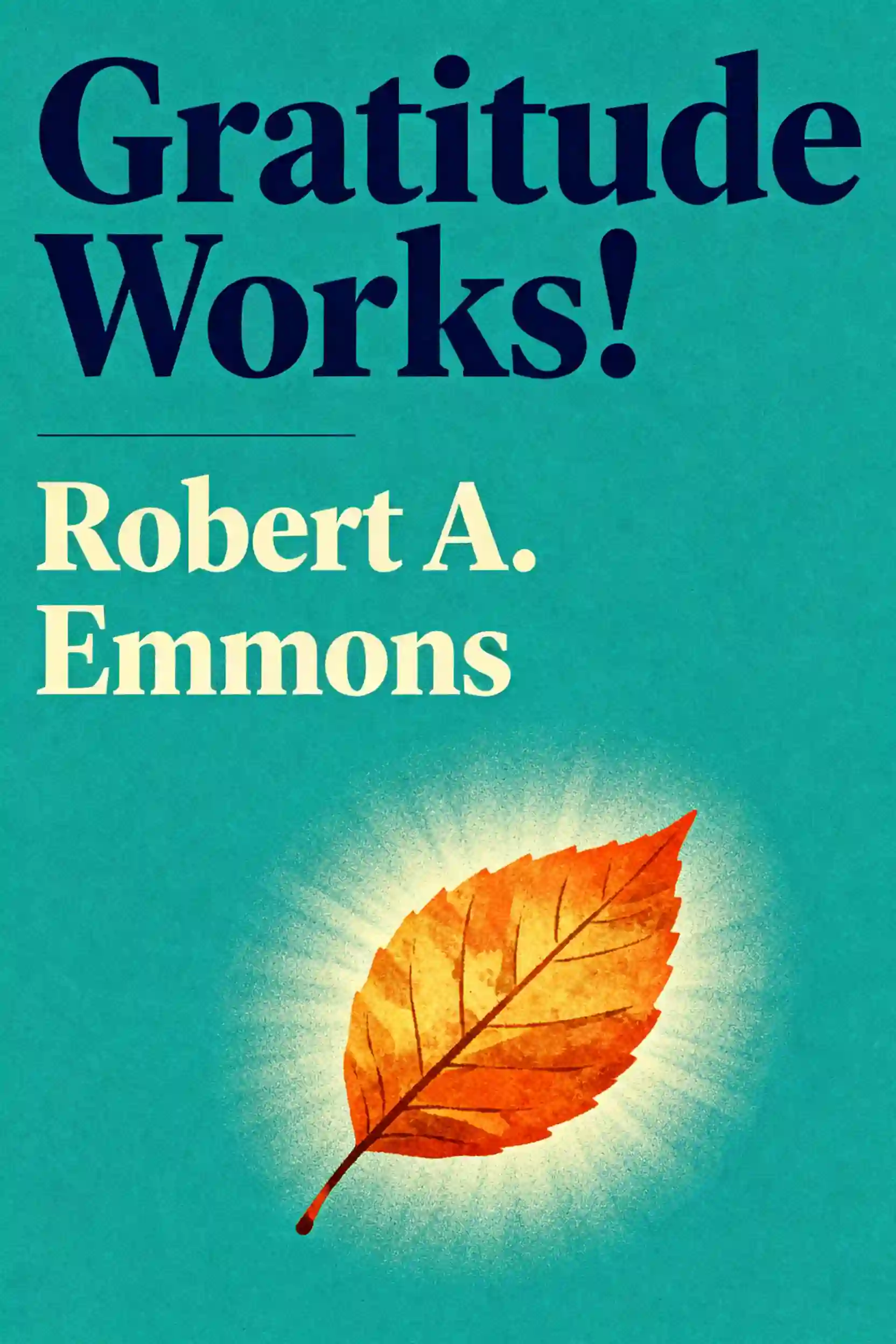
The key to a successful gratitude practice is specificity and savoring rather than just listing items. Instead of writing down general things like "coffee," you should describe specific details, such as the smell of the steam in the morning light, to trigger a genuine emotional response. Additionally, you can use "counterfactual thinking," which involves mentally subtracting a positive element from your life—like imagining you never met your best friend—to break through hedonic adaptation and make your current reality feel more precious.
These terms describe how we react to other people's good news, which significantly impacts the quality of our relationships. A Passive-Constructive response is a simple, understated acknowledgement like "That’s great, congrats!" In contrast, an Active-Constructive response involves leaning in, asking for specific details, and helping the person relive the joy of the event. Because the quality of our social connections is the strongest predictor of long-term health and happiness, using active responses helps build the deep emotional intimacy required for a higher happiness baseline.
While passive leisure like scrolling social media or watching television feels like relaxation, it often fails to improve our mood because it lacks engagement. "Flow" occurs when we are deeply immersed in a challenge that matches our skill level, such as gardening, playing an instrument, or tackling a complex work task. While we are evolved to seek out easy, energy-saving activities, our higher brains require the active engagement found in flow states to achieve a deep sense of fulfillment and flourish.
Discover more

How to be happy
The text outlines a comprehensive guide to enhancing happiness through evidence-based practices, focusing on emotion, engagement, relationships, meaning, accomplishment, and daily rituals.
BeFreed team

Mindful habits for joy
Mindful habits for joy
This learning plan is designed for anyone seeking to move beyond temporary mood boosts to create genuine, lasting happiness through intentional practice. It's particularly valuable for those feeling overwhelmed by modern life's pace, struggling with stress or negative thinking patterns, or simply wanting to deepen their sense of purpose and daily joy. Whether you're new to mindfulness or looking to establish more consistent well-being habits, this structured approach provides actionable, science-backed strategies for sustainable transformation.

Values that increase happiness
Values that increase happiness
This learning plan synthesizes cutting-edge research on what truly drives human happiness, moving beyond quick-fix solutions to explore the deeper values and connections that create lasting well-being. Ideal for anyone seeking evidence-based approaches to improve life satisfaction, develop meaningful relationships, and align their daily choices with their core values.

Happiness and depression
Happiness and depression
This learning plan is essential for anyone seeking to move beyond temporary fixes toward a deep, scientific understanding of their emotional health. It is designed for individuals looking to master their mental state and build a sustainable foundation for lasting happiness and resilience.

Habits, Self-Improvement & Mental Health
Habits, Self-Improvement & Mental Health
This learning plan is essential for anyone feeling stuck in negative cycles or overwhelmed by daily stress. It provides a comprehensive roadmap for individuals seeking to rebuild their identity through science-based habits and emotional mastery.

Boost joy & social confidence
Boost joy & social confidence
Social confidence and genuine happiness are foundational to both personal fulfillment and professional success, yet many people struggle with anxiety, superficial connections, or fleeting joy. This learning plan is ideal for anyone who wants to feel more comfortable in social situations, build deeper relationships, or discover sustainable sources of happiness beyond temporary pleasures.

Build unbreakable, permanent habits
Build unbreakable, permanent habits
This plan is essential for anyone struggling with consistency or burnout, moving beyond fleeting motivation toward scientific systems. It is designed for high-achievers and habit-seekers who want to re-engineer their identity and environment for effortless, long-term success.
Create joy with better habits
Create joy with better habits
This learning plan combines neuroscience, positive psychology, and behavior design to help anyone seeking more consistent happiness and fulfillment in their daily life. It's ideal for professionals feeling stuck in routines, individuals experiencing burnout, or anyone wanting to move beyond fleeting pleasures to build sustainable wellbeing through scientifically-backed strategies.
From Columbia University alumni built in San Francisco
"Instead of endless scrolling, I just hit play on BeFreed. It saves me so much time."


"I never knew where to start with nonfiction—BeFreed’s book lists turned into podcasts gave me a clear path."


"Perfect balance between learning and entertainment. Finished ‘Thinking, Fast and Slow’ on my commute this week."
"Crazy how much I learned while walking the dog. BeFreed = small habits → big gains."
"Reading used to feel like a chore. Now it’s just part of my lifestyle."

"Feels effortless compared to reading. I’ve finished 6 books this month already."
"BeFreed turned my guilty doomscrolling into something that feels productive and inspiring."

"BeFreed turned my commute into learning time. 20-min podcasts are perfect for finishing books I never had time for."
"BeFreed replaced my podcast queue. Imagine Spotify for books — that’s it. 🙌"

"It is great for me to learn something from the book without reading it."
"The themed book list podcasts help me connect ideas across authors—like a guided audio journey."
"Makes me feel smarter every time before going to work"
From Columbia University alumni built in San Francisco
"Instead of endless scrolling, I just hit play on BeFreed. It saves me so much time."
"I never knew where to start with nonfiction—BeFreed’s book lists turned into podcasts gave me a clear path."
"Perfect balance between learning and entertainment. Finished ‘Thinking, Fast and Slow’ on my commute this week."
"Crazy how much I learned while walking the dog. BeFreed = small habits → big gains."
"Reading used to feel like a chore. Now it’s just part of my lifestyle."
"Feels effortless compared to reading. I’ve finished 6 books this month already."
"BeFreed turned my guilty doomscrolling into something that feels productive and inspiring."
"BeFreed turned my commute into learning time. 20-min podcasts are perfect for finishing books I never had time for."
"BeFreed replaced my podcast queue. Imagine Spotify for books — that’s it. 🙌"
"It is great for me to learn something from the book without reading it."
"The themed book list podcasts help me connect ideas across authors—like a guided audio journey."
"Makes me feel smarter every time before going to work"
"Instead of endless scrolling, I just hit play on BeFreed. It saves me so much time."
"I never knew where to start with nonfiction—BeFreed’s book lists turned into podcasts gave me a clear path."
"Perfect balance between learning and entertainment. Finished ‘Thinking, Fast and Slow’ on my commute this week."
"Crazy how much I learned while walking the dog. BeFreed = small habits → big gains."
"Reading used to feel like a chore. Now it’s just part of my lifestyle."
"Feels effortless compared to reading. I’ve finished 6 books this month already."
"BeFreed turned my guilty doomscrolling into something that feels productive and inspiring."
"BeFreed turned my commute into learning time. 20-min podcasts are perfect for finishing books I never had time for."
"BeFreed replaced my podcast queue. Imagine Spotify for books — that’s it. 🙌"
"It is great for me to learn something from the book without reading it."
"The themed book list podcasts help me connect ideas across authors—like a guided audio journey."
"Makes me feel smarter every time before going to work"
"Instead of endless scrolling, I just hit play on BeFreed. It saves me so much time."
"I never knew where to start with nonfiction—BeFreed’s book lists turned into podcasts gave me a clear path."
"Perfect balance between learning and entertainment. Finished ‘Thinking, Fast and Slow’ on my commute this week."
"Crazy how much I learned while walking the dog. BeFreed = small habits → big gains."
"Reading used to feel like a chore. Now it’s just part of my lifestyle."
"Feels effortless compared to reading. I’ve finished 6 books this month already."
"BeFreed turned my guilty doomscrolling into something that feels productive and inspiring."
"BeFreed turned my commute into learning time. 20-min podcasts are perfect for finishing books I never had time for."
"BeFreed replaced my podcast queue. Imagine Spotify for books — that’s it. 🙌"
"It is great for me to learn something from the book without reading it."
"The themed book list podcasts help me connect ideas across authors—like a guided audio journey."
"Makes me feel smarter every time before going to work"


