
The 26-Year War: Russia and the Global Order
Explore the dramatic shift from U.S. primacy to a fractured multipolar world. We analyze how Russia’s long-term revisionism and the rise of digital hegemony are dismantling global governance and rewriting the rules of international power.

Best quote from The 26-Year War: Russia and the Global Order
We’re in this weird interregnum where the old order is fading, but no one else has actually stepped up to provide a credible alternative global order. It’s a shift from a rule-based mindset to a deal-based mindset where power, force, and strength become the iron laws.

This audio lesson was created by a BeFreed community member
Geopolitics of the last 26 years

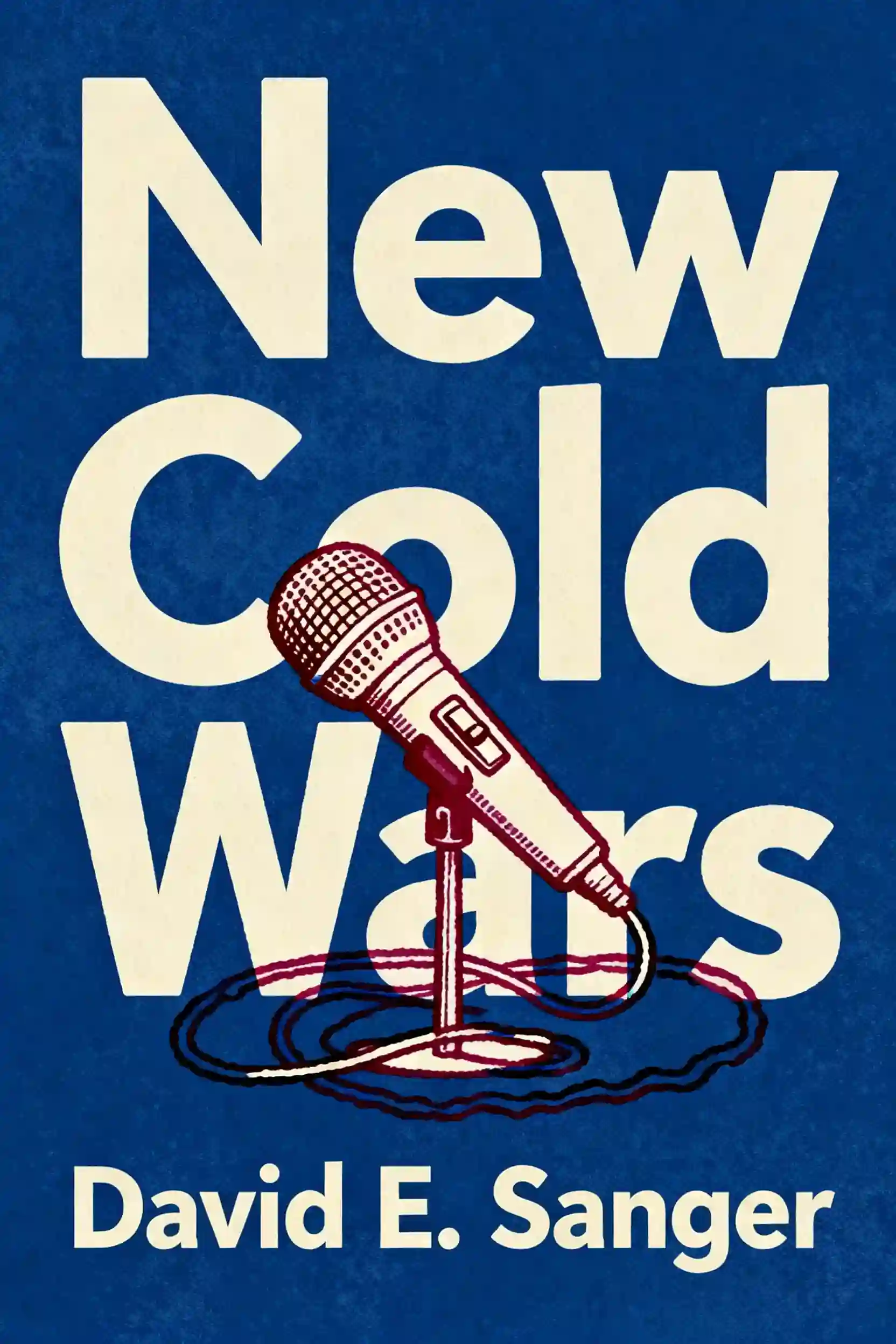
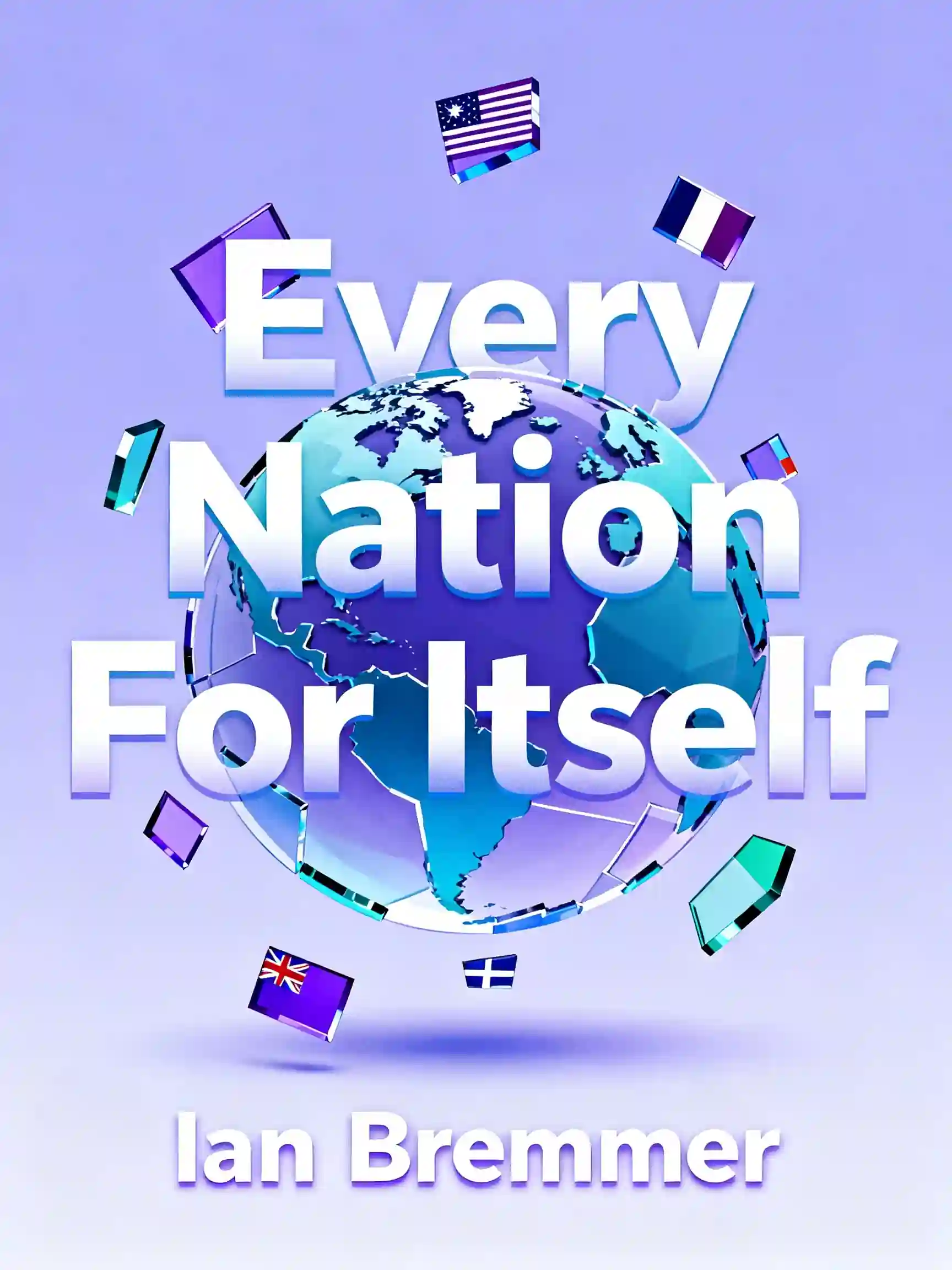
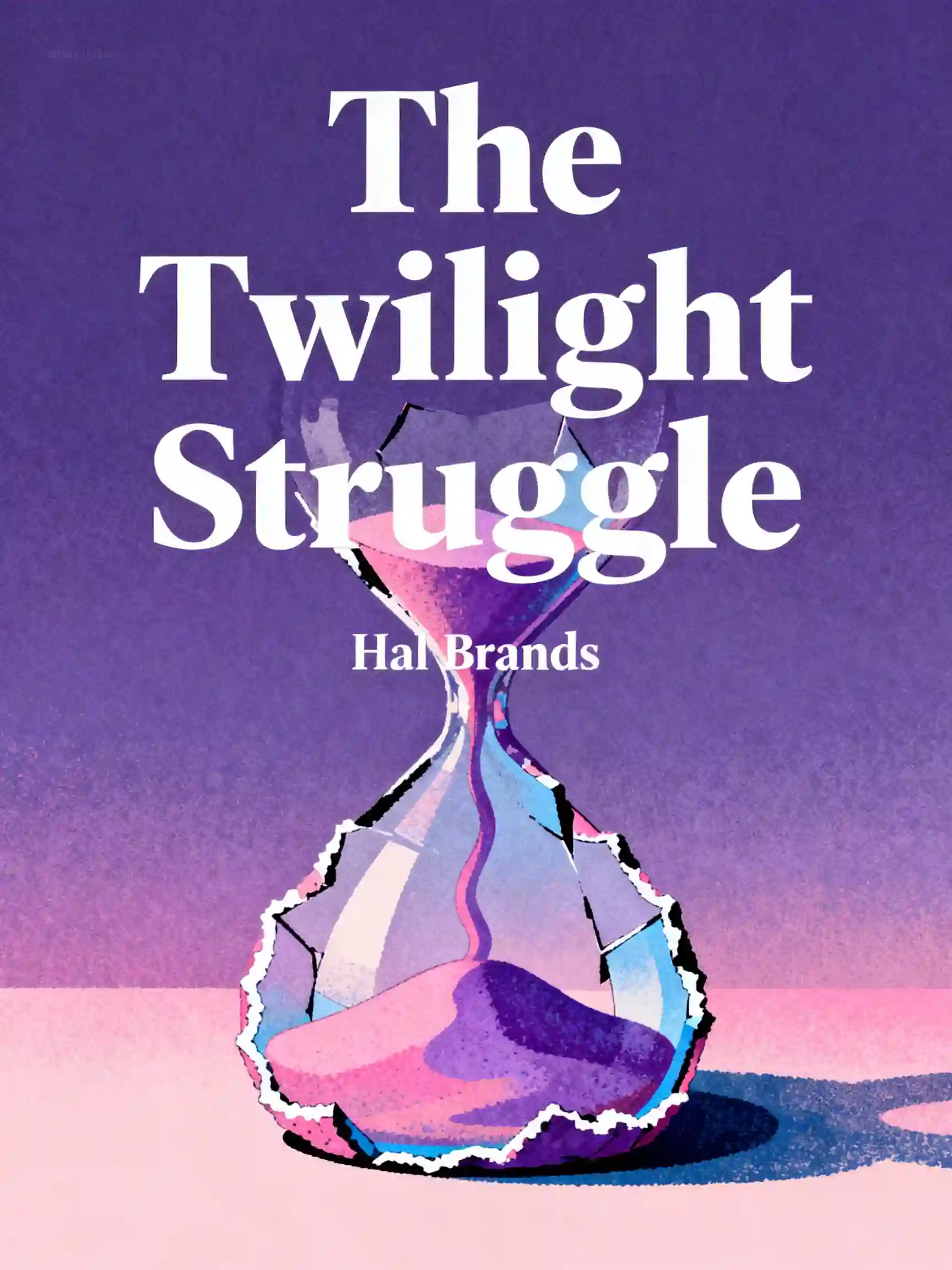
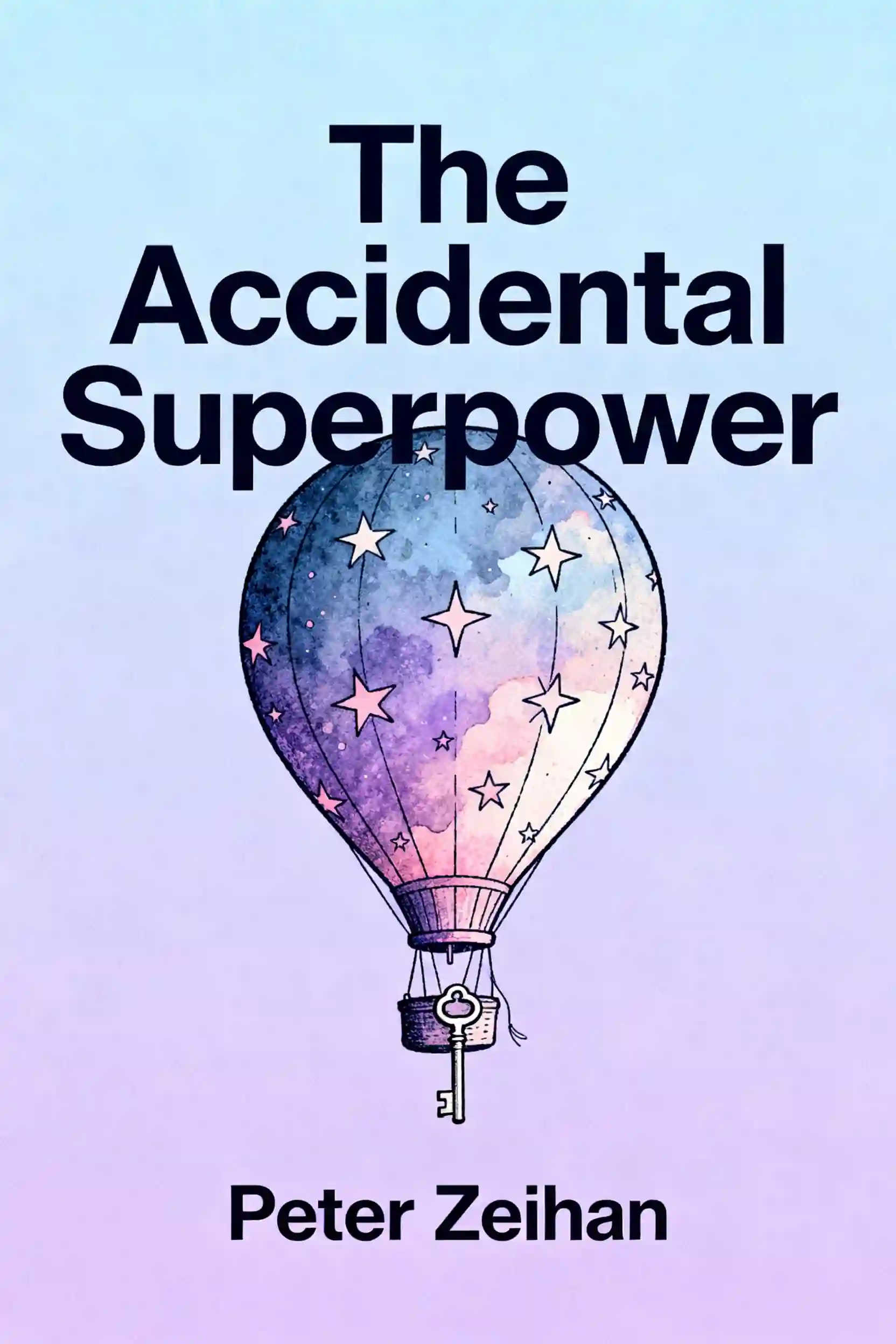
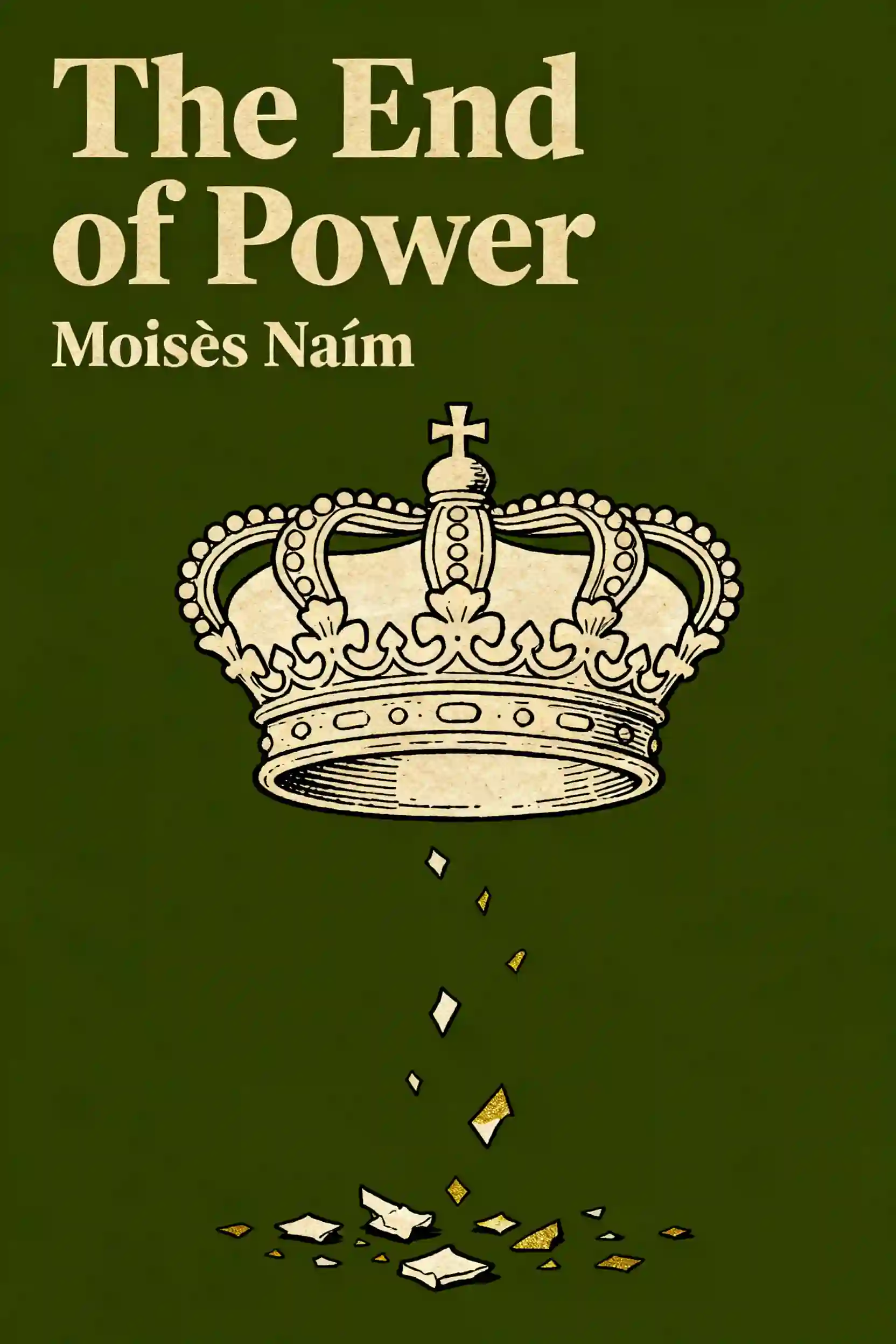
Frequently Asked Questions
The "unipolar delusion" refers to the period following the Cold War when the United States was the sole "hyperpower," leading to an assumption that Western values and the rules-based order were the permanent, universal destination for all nations. This created a trap of certainty where leaders believed economic integration, such as bringing China into the WTO, would naturally lead to political liberalization. The world is now in an "interregnum"—a transitional period where the old U.S.-led order is fading and the world is becoming more "entropic" or chaotic, but a new, credible global system has not yet been established to replace it.
After decades of focusing on a "borderless world" driven by globalization, there has been a massive psychological shift back toward territory and "sacred soil." This is evidenced by the rise in interstate conflicts over land, such as the Russia-Ukraine war and disputes in the South China Sea. Modern geopolitics is increasingly defined by a "geography of resentment," where leaders reject international law in favor of historical claims to homelands. This shift has forced a move away from global governance toward "minilateral" regional security groups, like AUKUS or the Quad, as nations draw literal and figurative lines in the sand to protect their interests.
While "non-alignment" was a Cold War-era strategy of staying out of great power conflicts, "multi-alignment" is a sophisticated modern strategy used by middle powers like India, Turkey, and Saudi Arabia to engage with all sides simultaneously. These nations refuse to pick a single side, instead turning their strategic assets—like minerals or geography—into bargaining chips to get the best deals from the U.S., China, and Russia. This approach shifts the global dynamic from a "rules-based" mindset to a "deal-based" or "contractual" mindset, where cooperation is determined by immediate national interest and return on investment rather than shared ideological values.
AI is viewed as the "strategic accelerator" and the primary infrastructure of future power, impacting everything from economic competitiveness to military surveillance. Unlike the multipolar political world, technology is moving toward a "bipolarity" or a "Digital Iron Curtain," where nations must choose between competing ecosystems—typically American market-led models or Chinese state-controlled models. This race for "AI supremacy" creates new risks, such as "Mutually Assured AI Malfunction" (MAIM) and the use of generative AI for "epistemic hegemony," where the ability to shape narratives and define reality becomes a weaponized tool of national dominance.
As grand architectures like the UN Security Council and the WTO become less functional, peace-making has shifted toward "pragmatic peace" led by middle-power mediators like Qatar and Turkey. These new brokers focus on "deal-driven" mediation and "quick fixes" like ceasefires rather than long-term democratic norms or transitional justice. This is mirrored by the U.S. shift toward "unfettered power" and "minilateralism," exemplified by initiatives like the "Board of Peace," which prioritizes specific security demands and transactional outcomes over the constraints of traditional international law.
Discover more

World wars
World wars
This learning plan provides essential context for understanding modern geopolitics, international institutions, and the dangers of nationalism and extremism. It's ideal for anyone seeking to comprehend how the 20th century's conflicts shaped current global power structures, human rights frameworks, and collective approaches to preventing large-scale warfare.

US foreign policy and international relations
US foreign policy and international relations
This plan provides a vital lens for understanding how the US navigates global power shifts and historical crises. It is ideal for aspiring diplomats, political analysts, or anyone seeking to decode today's headlines through the lens of geopolitics and strategy.
Study geopolitics from 1840 to present day
Study geopolitics from 1840 to present day
Understanding modern geopolitics requires knowledge of the historical forces that shaped our current global order. This learning plan provides crucial context for anyone interested in international relations, political science, or global affairs, tracing the evolution from imperial competition to today's complex power dynamics.

Learn about geopolitics deeply
Learn about geopolitics deeply
This plan provides a comprehensive framework for understanding the forces that drive global instability and cooperation. It is ideal for aspiring diplomats, policy analysts, or anyone seeking to decode the complex power dynamics between modern superpowers.

Long-term impact of Iran-US-Israel conflict
Long-term impact of Iran-US-Israel conflict
This plan provides a critical lens into the geopolitical tensions shaping the modern world. It is essential for students of international relations, policymakers, and global investors seeking to understand how this conflict influences global stability.
history of soviet union
history of soviet union
Understanding the Soviet Union is essential for anyone looking to grasp the roots of modern global conflicts and political ideologies. This plan is ideal for history enthusiasts and students seeking a clear, chronological path through the USSR's rise and fall.

The Best War Books
Understand global conflict with the most gripping books on wars—strategy, survival, and history that shaped our world.
BeFreed team

Deepen world and U.S. history knowledge
Deepen world and U.S. history knowledge
This plan offers a comprehensive overview of the forces that shaped our modern world, from ancient foundations to 20th-century conflicts. It is ideal for students, history buffs, or anyone seeking to master historical analysis and understand the origins of today's global landscape.
From Columbia University alumni built in San Francisco
"Instead of endless scrolling, I just hit play on BeFreed. It saves me so much time."


"I never knew where to start with nonfiction—BeFreed’s book lists turned into podcasts gave me a clear path."


"Perfect balance between learning and entertainment. Finished ‘Thinking, Fast and Slow’ on my commute this week."
"Crazy how much I learned while walking the dog. BeFreed = small habits → big gains."
"Reading used to feel like a chore. Now it’s just part of my lifestyle."

"Feels effortless compared to reading. I’ve finished 6 books this month already."
"BeFreed turned my guilty doomscrolling into something that feels productive and inspiring."

"BeFreed turned my commute into learning time. 20-min podcasts are perfect for finishing books I never had time for."
"BeFreed replaced my podcast queue. Imagine Spotify for books — that’s it. 🙌"

"It is great for me to learn something from the book without reading it."
"The themed book list podcasts help me connect ideas across authors—like a guided audio journey."
"Makes me feel smarter every time before going to work"
From Columbia University alumni built in San Francisco
"Instead of endless scrolling, I just hit play on BeFreed. It saves me so much time."
"I never knew where to start with nonfiction—BeFreed’s book lists turned into podcasts gave me a clear path."
"Perfect balance between learning and entertainment. Finished ‘Thinking, Fast and Slow’ on my commute this week."
"Crazy how much I learned while walking the dog. BeFreed = small habits → big gains."
"Reading used to feel like a chore. Now it’s just part of my lifestyle."
"Feels effortless compared to reading. I’ve finished 6 books this month already."
"BeFreed turned my guilty doomscrolling into something that feels productive and inspiring."
"BeFreed turned my commute into learning time. 20-min podcasts are perfect for finishing books I never had time for."
"BeFreed replaced my podcast queue. Imagine Spotify for books — that’s it. 🙌"
"It is great for me to learn something from the book without reading it."
"The themed book list podcasts help me connect ideas across authors—like a guided audio journey."
"Makes me feel smarter every time before going to work"
"Instead of endless scrolling, I just hit play on BeFreed. It saves me so much time."
"I never knew where to start with nonfiction—BeFreed’s book lists turned into podcasts gave me a clear path."
"Perfect balance between learning and entertainment. Finished ‘Thinking, Fast and Slow’ on my commute this week."
"Crazy how much I learned while walking the dog. BeFreed = small habits → big gains."
"Reading used to feel like a chore. Now it’s just part of my lifestyle."
"Feels effortless compared to reading. I’ve finished 6 books this month already."
"BeFreed turned my guilty doomscrolling into something that feels productive and inspiring."
"BeFreed turned my commute into learning time. 20-min podcasts are perfect for finishing books I never had time for."
"BeFreed replaced my podcast queue. Imagine Spotify for books — that’s it. 🙌"
"It is great for me to learn something from the book without reading it."
"The themed book list podcasts help me connect ideas across authors—like a guided audio journey."
"Makes me feel smarter every time before going to work"
"Instead of endless scrolling, I just hit play on BeFreed. It saves me so much time."
"I never knew where to start with nonfiction—BeFreed’s book lists turned into podcasts gave me a clear path."
"Perfect balance between learning and entertainment. Finished ‘Thinking, Fast and Slow’ on my commute this week."
"Crazy how much I learned while walking the dog. BeFreed = small habits → big gains."
"Reading used to feel like a chore. Now it’s just part of my lifestyle."
"Feels effortless compared to reading. I’ve finished 6 books this month already."
"BeFreed turned my guilty doomscrolling into something that feels productive and inspiring."
"BeFreed turned my commute into learning time. 20-min podcasts are perfect for finishing books I never had time for."
"BeFreed replaced my podcast queue. Imagine Spotify for books — that’s it. 🙌"
"It is great for me to learn something from the book without reading it."
"The themed book list podcasts help me connect ideas across authors—like a guided audio journey."
"Makes me feel smarter every time before going to work"


