
The New Face of Global Warfare
Explore the legal complexities and devastating human toll of the 2026 Iran conflict. This episode breaks down why modern wars are rarely declared and how they reshape our global social fabric.

Best quote from The New Face of Global Warfare
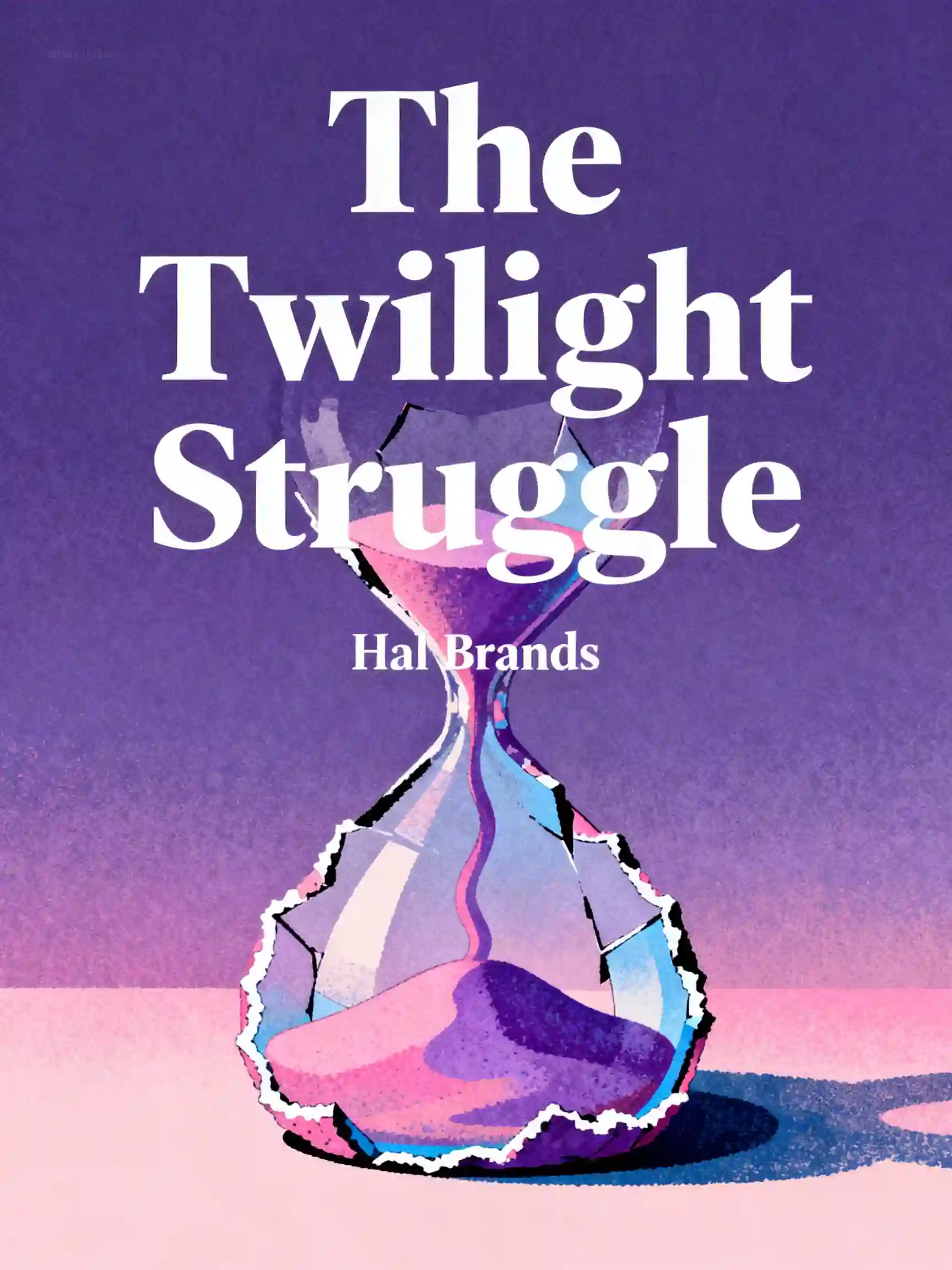
Peace isn't just the absence of war; it's the presence of equality. When you shift from an exclusionary setup to a more inclusive one—introducing power-sharing and ending discrimination—the probability of conflict drops significantly.

This audio lesson was created by a BeFreed community member
about war

Frequently Asked Questions
While the term "war" is used colloquially to describe the massive scale of mobilization, casualties, and destruction, the legal reality is often different. In the United States, for example, there has not been a formal declaration of war by Congress since 1942. Modern conflicts are frequently conducted as large-scale military engagements without the traditional legal formalities used in the early 20th century.
Interstate conflict refers to traditional warfare between two or more different countries, such as the tension between the US and Iran. Intrastate conflict, which has become the dominant form of violence in the 21st century, refers to internal struggles like civil wars. This category also includes "non-state conflicts," where organized groups or militias fight each other without government involvement, and "one-sided violence," where armed groups target unarmed civilians.
Ethnic conflict has declined largely due to a "regime of accommodation," where more countries adopted inclusive power-sharing models and granted regional autonomy to minorities. However, a "third wave" of civil war has emerged since 2010, driven by non-ethnic, transnational extremist ideologies. Groups like ISIS use radical ideology rather than ethnic identity to recruit fighters across borders, exploiting weak state capacity and modern technology to mobilize followers.
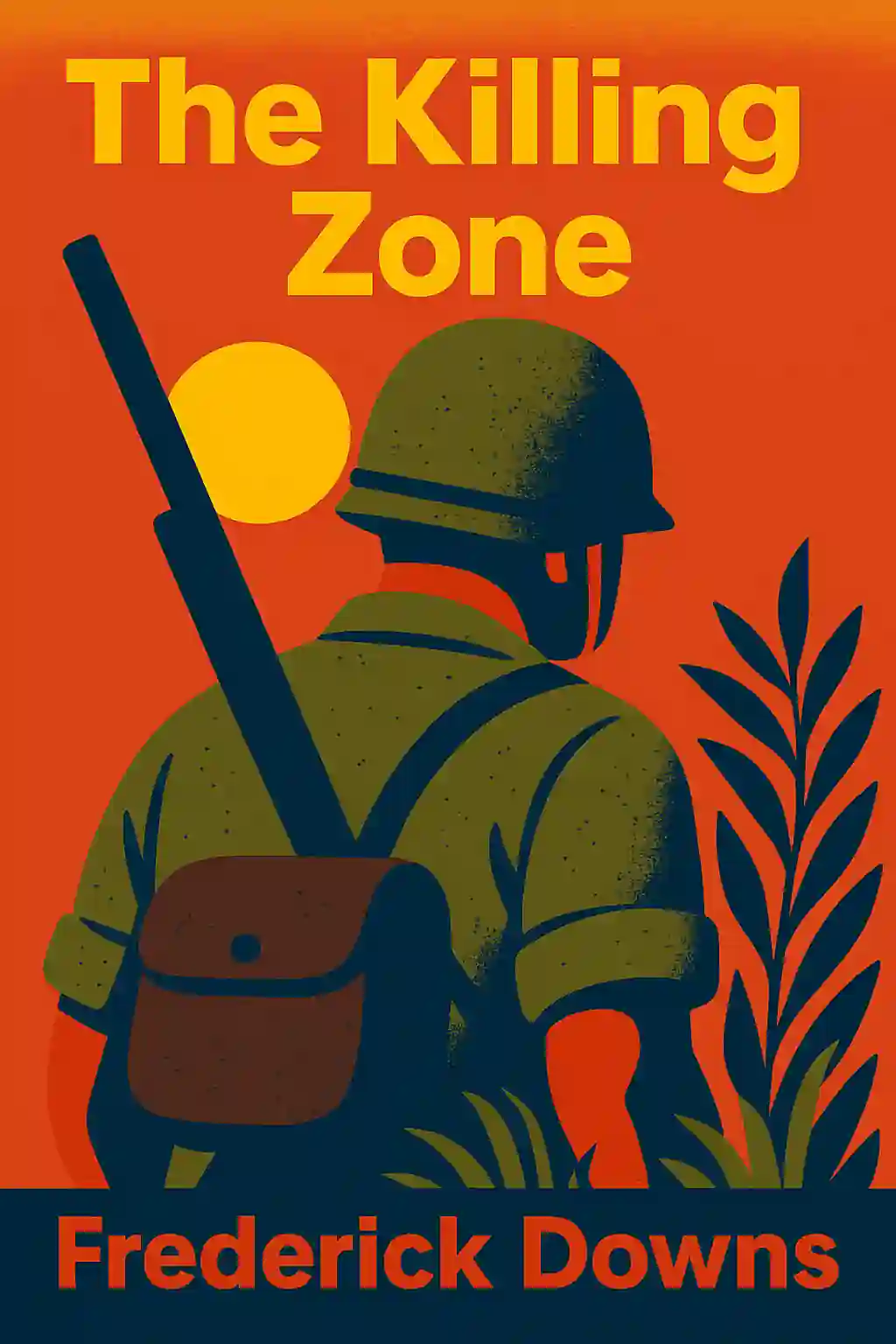
Civil war dismantles the foundations of society through both direct destruction and long-term indirect effects. Beyond the immediate loss of infrastructure like schools and hospitals, war leads to a "conflict trap" characterized by massive capital flight and a "brain drain" of educated professionals. The indirect toll is often higher than battle deaths, as the breakdown of sanitation and healthcare systems leads to the reemergence of diseases like polio and cholera, while the loss of social trust makes future cooperation difficult.
The most effective prevention is inclusive governance that ensures no specific group feels excluded or discriminated against. Research shows that when a country moves toward power-sharing and equality, the probability of conflict drops significantly. On a global scale, this involves maintaining international pressure for democratic norms, involving women in peace negotiations, and addressing the "no other way out" problem by providing peaceful avenues for political participation and economic opportunity.
Discover more

Long-term impact of Iran-US-Israel conflict
Long-term impact of Iran-US-Israel conflict
This plan provides a critical lens into the geopolitical tensions shaping the modern world. It is essential for students of international relations, policymakers, and global investors seeking to understand how this conflict influences global stability.

Iran Israel war latest situation and analysis
Iran Israel war latest situation and analysis
The Iran-Israel conflict represents one of the most volatile and consequential geopolitical tensions in today's world, with potential to reshape regional and global security. This learning plan benefits diplomacy professionals, international relations students, journalists, and informed citizens seeking to understand the conflict beyond headlines.
US-Iran Conflict: Past, Present & Future
US-Iran Conflict: Past, Present & Future
This plan is essential for anyone seeking to understand the most volatile relationship in modern geopolitics. It is ideal for students of international relations, policy professionals, or curious citizens wanting to look beyond the headlines at the roots of Middle Eastern conflict.
War
War
This learning plan provides a comprehensive look at the evolution of conflict, from ancient strategy to modern technological warfare. It is essential for history enthusiasts, political science students, and anyone seeking to understand the profound psychological and societal impacts of global combat.
Learn about world war 2
Learn about world war 2
World War II fundamentally reshaped human history and continues to influence global politics, culture, and society today. This learning plan provides essential historical context for understanding current international relations while exploring the profound human stories and ethical questions that make this period critically relevant for students, history enthusiasts, and anyone seeking to understand our world's recent past.

Study military & world hist
Study military & world hist
This learning path is essential for anyone seeking to understand how conflict has shaped human civilization and continues to influence our modern world. It's ideal for history enthusiasts, students of international relations, military professionals, policy analysts, or anyone wanting to grasp the strategic forces that drive global events. By connecting ancient warfare principles to contemporary geopolitics, this plan provides the contextual knowledge needed to interpret current affairs and future challenges.

Learn about geopolitics deeply
Learn about geopolitics deeply
This plan provides a comprehensive framework for understanding the forces that drive global instability and cooperation. It is ideal for aspiring diplomats, policy analysts, or anyone seeking to decode the complex power dynamics between modern superpowers.

Abdulahi: US Army in Afghanistan & Iraq
Abdulahi: US Army in Afghanistan & Iraq
This learning plan offers a comprehensive look at modern warfare through the lens of the US Army's experiences in the Middle East. It is essential for military historians, aspiring defense professionals, and anyone seeking to understand the profound human and strategic complexities of 21st-century combat.
From Columbia University alumni built in San Francisco
"Instead of endless scrolling, I just hit play on BeFreed. It saves me so much time."


"I never knew where to start with nonfiction—BeFreed’s book lists turned into podcasts gave me a clear path."


"Perfect balance between learning and entertainment. Finished ‘Thinking, Fast and Slow’ on my commute this week."
"Crazy how much I learned while walking the dog. BeFreed = small habits → big gains."
"Reading used to feel like a chore. Now it’s just part of my lifestyle."

"Feels effortless compared to reading. I’ve finished 6 books this month already."
"BeFreed turned my guilty doomscrolling into something that feels productive and inspiring."

"BeFreed turned my commute into learning time. 20-min podcasts are perfect for finishing books I never had time for."
"BeFreed replaced my podcast queue. Imagine Spotify for books — that’s it. 🙌"

"It is great for me to learn something from the book without reading it."
"The themed book list podcasts help me connect ideas across authors—like a guided audio journey."
"Makes me feel smarter every time before going to work"
From Columbia University alumni built in San Francisco
"Instead of endless scrolling, I just hit play on BeFreed. It saves me so much time."
"I never knew where to start with nonfiction—BeFreed’s book lists turned into podcasts gave me a clear path."
"Perfect balance between learning and entertainment. Finished ‘Thinking, Fast and Slow’ on my commute this week."
"Crazy how much I learned while walking the dog. BeFreed = small habits → big gains."
"Reading used to feel like a chore. Now it’s just part of my lifestyle."
"Feels effortless compared to reading. I’ve finished 6 books this month already."
"BeFreed turned my guilty doomscrolling into something that feels productive and inspiring."
"BeFreed turned my commute into learning time. 20-min podcasts are perfect for finishing books I never had time for."
"BeFreed replaced my podcast queue. Imagine Spotify for books — that’s it. 🙌"
"It is great for me to learn something from the book without reading it."
"The themed book list podcasts help me connect ideas across authors—like a guided audio journey."
"Makes me feel smarter every time before going to work"
"Instead of endless scrolling, I just hit play on BeFreed. It saves me so much time."
"I never knew where to start with nonfiction—BeFreed’s book lists turned into podcasts gave me a clear path."
"Perfect balance between learning and entertainment. Finished ‘Thinking, Fast and Slow’ on my commute this week."
"Crazy how much I learned while walking the dog. BeFreed = small habits → big gains."
"Reading used to feel like a chore. Now it’s just part of my lifestyle."
"Feels effortless compared to reading. I’ve finished 6 books this month already."
"BeFreed turned my guilty doomscrolling into something that feels productive and inspiring."
"BeFreed turned my commute into learning time. 20-min podcasts are perfect for finishing books I never had time for."
"BeFreed replaced my podcast queue. Imagine Spotify for books — that’s it. 🙌"
"It is great for me to learn something from the book without reading it."
"The themed book list podcasts help me connect ideas across authors—like a guided audio journey."
"Makes me feel smarter every time before going to work"
"Instead of endless scrolling, I just hit play on BeFreed. It saves me so much time."
"I never knew where to start with nonfiction—BeFreed’s book lists turned into podcasts gave me a clear path."
"Perfect balance between learning and entertainment. Finished ‘Thinking, Fast and Slow’ on my commute this week."
"Crazy how much I learned while walking the dog. BeFreed = small habits → big gains."
"Reading used to feel like a chore. Now it’s just part of my lifestyle."
"Feels effortless compared to reading. I’ve finished 6 books this month already."
"BeFreed turned my guilty doomscrolling into something that feels productive and inspiring."
"BeFreed turned my commute into learning time. 20-min podcasts are perfect for finishing books I never had time for."
"BeFreed replaced my podcast queue. Imagine Spotify for books — that’s it. 🙌"
"It is great for me to learn something from the book without reading it."
"The themed book list podcasts help me connect ideas across authors—like a guided audio journey."
"Makes me feel smarter every time before going to work"


