
Stop racing thoughts with longer exhales
Struggling with late-night anxiety? Learn how a simple breathing shift and the 'not now' technique can calm your nervous system for better sleep.

Best quote from Stop racing thoughts with longer exhales
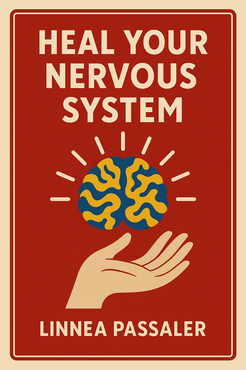
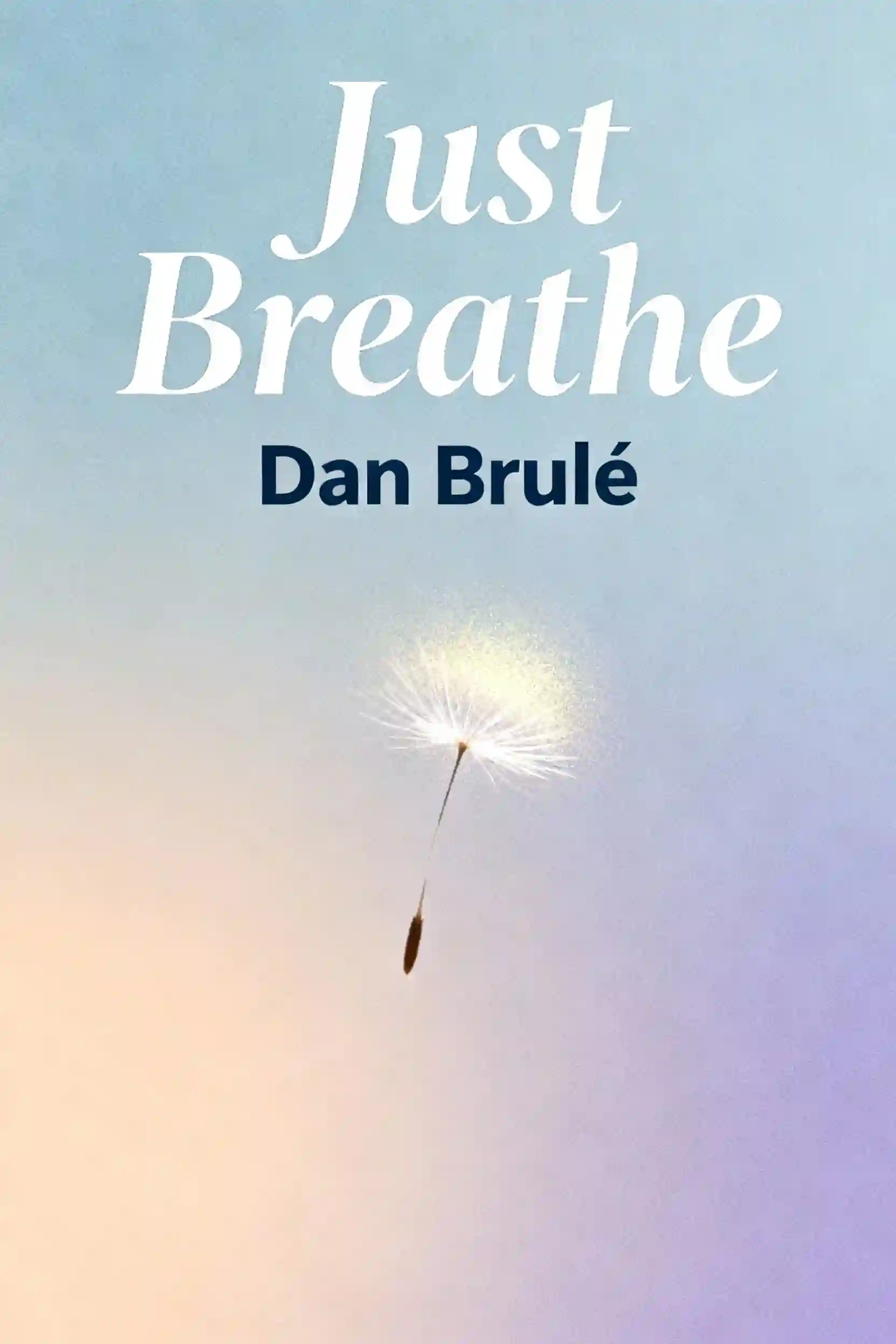
When you exhale longer than you inhale, you’re hitting the brakes on your nervous system. By making the body slow down, the mind has no choice but to follow.

This audio lesson was created by a BeFreed community member
: **“Slow body, slow mind” breathing** - Breathe in slowly through your nose for 4 - Breathe out slowly through your mouth for 6 - Do it about 10 times Longer exhales help your body calm down. If your thoughts pop up, don’t fight them. Just gently say in your head, *“Not now. Tomorrow.”* And go back to the breathing. You can also turn on something light and funny (like Fuller House) very quiet

Frequently Asked Questions
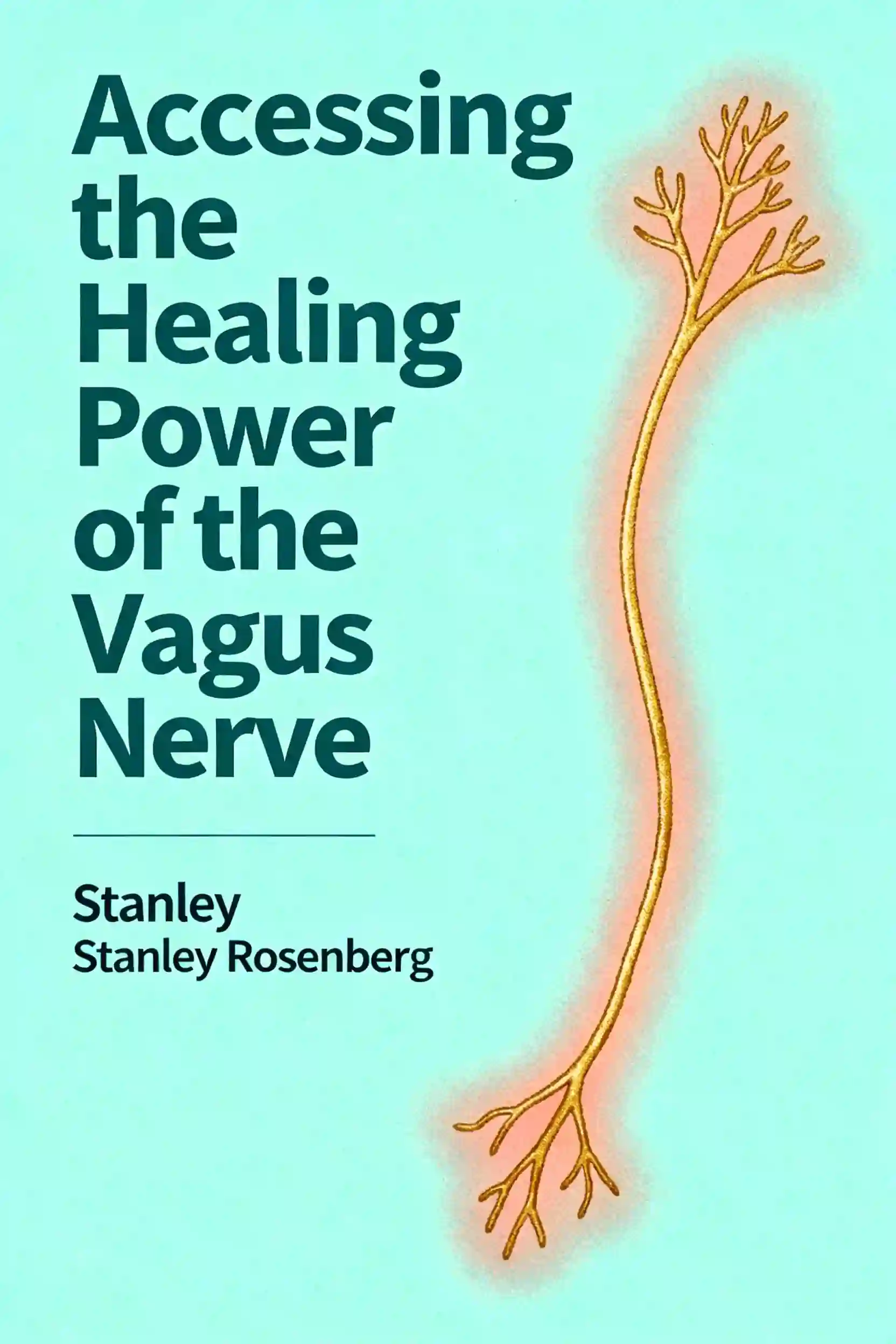
The 4-6 breathing rhythm is a technique where you inhale through the nose for four counts and exhale for six counts. The magic lies in the extended exhale because it stimulates the vagus nerve, which acts as the main highway for the parasympathetic nervous system—the "rest and digest" wing of your body. While inhaling slightly speeds up the heart rate, a longer exhale acts like a brake, signaling the heart rate to steady and muscles to release, effectively "downshifting" the nervous system into a state of calm.
This is a cognitive defusion strategy used to handle mental noise without trying to forcefully suppress it. Instead of arguing with a stressful thought—which often gives it more energy—you acknowledge the thought and politely postpone it. By saying "Not now, tomorrow," you create psychological distance and signal to your nervous system that the issue is not an immediate emergency. This allows the thought to exist like a "leaf on a stream" without letting it dominate your current awareness or prevent sleep.
Silence can sometimes act as a vacuum that an anxious brain fills with its worst fears. Low-stakes, familiar "comfort media" serves as a "cognitive anchor" or "social pink noise." Because these shows are predictable and positive, they provide cues of safety to the brain, suggesting that the environment is secure and friendly. The key is to keep the volume very low so it acts as a background texture rather than something that engages the "thinking brain" or requires active plot tracking.
CO2 is not just a waste product; it is the primary messenger that tells your body how to use oxygen. When you are anxious and over-breathe, you blow off too much CO2, which actually causes oxygen to stay "stuck" in your blood cells instead of reaching your brain and tissues. By practicing slow exhales and brief pauses, you build CO2 tolerance, training your brain's chemoreceptors to be less "twitchy." This reduces the "air hunger" or tight-chested sensation often associated with panic and ensures your brain is properly oxygenated for mental clarity.
These techniques are highly effective during the day through what the script calls "micro-sets." Taking just one minute to perform four or five reps of the 4-6 rhythm can act as a "cool-down bridge" between stressful tasks, preventing "stress debt" from building up. Integrating these breaths into a daily routine—such as while brewing coffee or after a tough meeting—helps build a "resilience muscle," making it easier for the nervous system to bounce back from real-time stressors and reducing the likelihood of a 2 a.m. anxiety spiral.
Discover more

Sleep and anxiety
Sleep and anxiety
This plan is essential for anyone trapped in the cycle of nighttime worry and daytime fatigue. It provides a science-based roadmap for professionals and individuals looking to regain control over their mental health and physical recovery through actionable cognitive tools.

Breathing and relaxing
Breathing and relaxing
In an era of chronic stress, understanding the physiological connection between breath and calm is essential for long-term health. This plan is ideal for professionals and individuals seeking science-backed methods to regulate their stress response and improve daily focus.

Stop overthinking negative thoughts
Stop overthinking negative thoughts
This plan is essential for anyone struggling with persistent worry or the paralyzing effects of a loud inner critic. It combines clinical cognitive tools with mindfulness and neuroscience to help professionals and individuals regain control over their mental well-being.
I want to learn how to fall asleep quickly
I want to learn how to fall asleep quickly
Modern stress and digital distractions have disrupted our natural ability to rest, making sleep onset a common struggle. This guide is essential for professionals and restless sleepers who want to master the science of relaxation and reclaim their nights through proven psychological and environmental shifts.

Calm my nervous system down
Calm my nervous system down
This learning plan is essential for anyone experiencing chronic stress, anxiety, or feeling constantly on edge in today's demanding world. It's particularly valuable for those who've tried traditional stress management but need deeper, science-backed approaches that address the root nervous system dysregulation. Whether you're dealing with trauma, burnout, or simply want to feel more grounded and peaceful, these skills provide a comprehensive path to lasting calm.

Sleep more to improve mental health
Sleep more to improve mental health
Quality sleep is the biological foundation of emotional stability and cognitive function. This plan is designed for anyone struggling with burnout, anxiety, or poor rest who wants to leverage neuroscience to reclaim their mental health.

Quiet my mind
Quiet my mind
In an era of constant distraction, mastering your internal environment is essential for mental health and productivity. This plan is designed for overthinkers and busy professionals seeking to transition from a state of mental noise to a life of sustained, unshakeable tranquility.
Last longer in bed
Last longer in bed
This learning plan is designed for individuals seeking to overcome performance anxiety and physical tension by mastering the mind-body connection. It provides a holistic approach to intimacy that benefits anyone looking to build lasting confidence and deeper emotional resonance with their partner.
From Columbia University alumni built in San Francisco
"Instead of endless scrolling, I just hit play on BeFreed. It saves me so much time."


"I never knew where to start with nonfiction—BeFreed’s book lists turned into podcasts gave me a clear path."


"Perfect balance between learning and entertainment. Finished ‘Thinking, Fast and Slow’ on my commute this week."
"Crazy how much I learned while walking the dog. BeFreed = small habits → big gains."
"Reading used to feel like a chore. Now it’s just part of my lifestyle."

"Feels effortless compared to reading. I’ve finished 6 books this month already."
"BeFreed turned my guilty doomscrolling into something that feels productive and inspiring."

"BeFreed turned my commute into learning time. 20-min podcasts are perfect for finishing books I never had time for."
"BeFreed replaced my podcast queue. Imagine Spotify for books — that’s it. 🙌"

"It is great for me to learn something from the book without reading it."
"The themed book list podcasts help me connect ideas across authors—like a guided audio journey."
"Makes me feel smarter every time before going to work"
From Columbia University alumni built in San Francisco
"Instead of endless scrolling, I just hit play on BeFreed. It saves me so much time."
"I never knew where to start with nonfiction—BeFreed’s book lists turned into podcasts gave me a clear path."
"Perfect balance between learning and entertainment. Finished ‘Thinking, Fast and Slow’ on my commute this week."
"Crazy how much I learned while walking the dog. BeFreed = small habits → big gains."
"Reading used to feel like a chore. Now it’s just part of my lifestyle."
"Feels effortless compared to reading. I’ve finished 6 books this month already."
"BeFreed turned my guilty doomscrolling into something that feels productive and inspiring."
"BeFreed turned my commute into learning time. 20-min podcasts are perfect for finishing books I never had time for."
"BeFreed replaced my podcast queue. Imagine Spotify for books — that’s it. 🙌"
"It is great for me to learn something from the book without reading it."
"The themed book list podcasts help me connect ideas across authors—like a guided audio journey."
"Makes me feel smarter every time before going to work"
"Instead of endless scrolling, I just hit play on BeFreed. It saves me so much time."
"I never knew where to start with nonfiction—BeFreed’s book lists turned into podcasts gave me a clear path."
"Perfect balance between learning and entertainment. Finished ‘Thinking, Fast and Slow’ on my commute this week."
"Crazy how much I learned while walking the dog. BeFreed = small habits → big gains."
"Reading used to feel like a chore. Now it’s just part of my lifestyle."
"Feels effortless compared to reading. I’ve finished 6 books this month already."
"BeFreed turned my guilty doomscrolling into something that feels productive and inspiring."
"BeFreed turned my commute into learning time. 20-min podcasts are perfect for finishing books I never had time for."
"BeFreed replaced my podcast queue. Imagine Spotify for books — that’s it. 🙌"
"It is great for me to learn something from the book without reading it."
"The themed book list podcasts help me connect ideas across authors—like a guided audio journey."
"Makes me feel smarter every time before going to work"
"Instead of endless scrolling, I just hit play on BeFreed. It saves me so much time."
"I never knew where to start with nonfiction—BeFreed’s book lists turned into podcasts gave me a clear path."
"Perfect balance between learning and entertainment. Finished ‘Thinking, Fast and Slow’ on my commute this week."
"Crazy how much I learned while walking the dog. BeFreed = small habits → big gains."
"Reading used to feel like a chore. Now it’s just part of my lifestyle."
"Feels effortless compared to reading. I’ve finished 6 books this month already."
"BeFreed turned my guilty doomscrolling into something that feels productive and inspiring."
"BeFreed turned my commute into learning time. 20-min podcasts are perfect for finishing books I never had time for."
"BeFreed replaced my podcast queue. Imagine Spotify for books — that’s it. 🙌"
"It is great for me to learn something from the book without reading it."
"The themed book list podcasts help me connect ideas across authors—like a guided audio journey."
"Makes me feel smarter every time before going to work"


