
Stop racing thoughts from ruining your sleep
Struggling to quiet your mind after gaming or late-night study? Learn how to manage cognitive arousal and build a routine that makes early mornings easier.

Best quote from Stop racing thoughts from ruining your sleep
Sleep is actually studying; it is during sleep that your brain moves information from short-term to long-term memory. If you stay up all night to cram, you’re basically filling a bucket with a hole in the bottom.

This audio lesson was created by a BeFreed community member
Trouble with sleeping how not to toss and turn throughout the whole night and overthinking I have been staying up late with college classwork or I've been up by gaming all of the time I want to go to bed on time and wake up early like 6:30 am

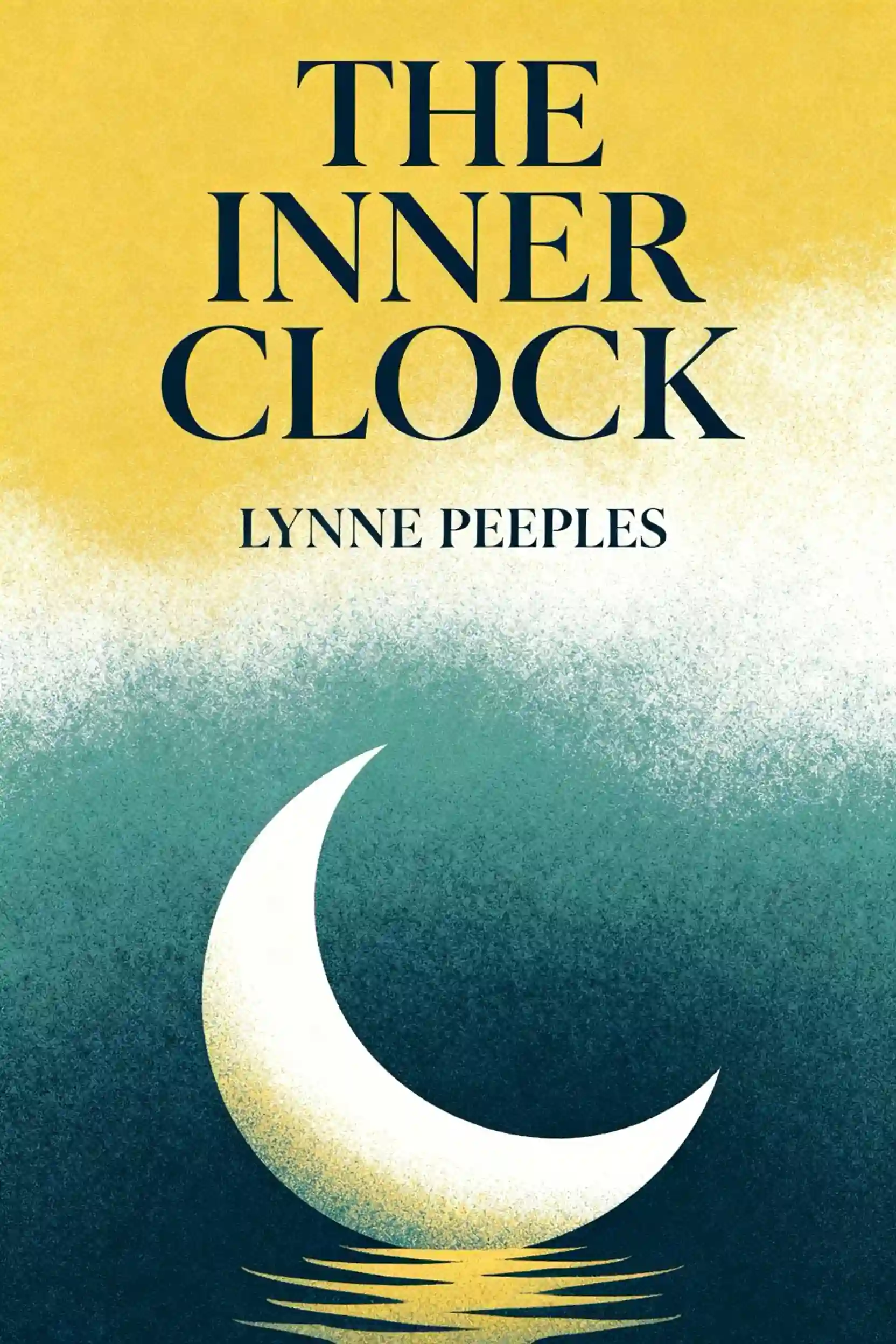
Frequently Asked Questions
Delayed Sleep Phase Disorder is a genuine circadian rhythm disorder where an individual’s internal body clock is shifted significantly later than societal norms. For students and gamers, this isn't merely a lack of discipline; it is a biological misalignment where the body may not begin releasing melatonin until the early morning hours. This makes attempting to sleep at a "normal" time feel impossible because the brain is effectively in its biological "afternoon," leading to racing thoughts and a "zombie-like" state when trying to wake up for early classes.
Screens disrupt sleep through two primary pathways: light and cognitive arousal. LED monitors emit high concentrations of blue light that trigger specialized cells in the eyes to send a "start" signal to the brain, suppressing melatonin production. Simultaneously, the high-stakes nature of gaming activates the sympathetic nervous system, releasing cortisol and adrenaline. This "fight-or-flight" mode keeps the brain in a state of emergency, making it biologically difficult to transition into the "rest and digest" state required for sleep.
A consistent wake-up time, paired with bright light exposure within thirty minutes of rising, acts as a reset button for the internal clock. This morning light signals the brain to stop melatonin and sets a biological timer for sleep pressure to peak roughly sixteen hours later. Even if a listener has had a poor night of sleep, maintaining the same wake-up time prevents "social jetlag" and stops the circadian rhythm from drifting even later, which would only reinforce the cycle of insomnia.
Cognitive shuffling is a mental exercise designed to trick the brain into a "micro-dreaming" state by scrambling logical thoughts. To practice it, you pick a neutral word like "BEDTIME" and visualize various unrelated objects starting with the first letter (e.g., Bear, Balloon, Bicycle) for several seconds each before moving to the next letter. Because these images are random and non-threatening, the brain is unable to continue "worrying" or "planning," mimicking the fragmented thought patterns that naturally occur just as we drift off to sleep.
Contrary to popular belief, melatonin is a "phase-shifting" hormone rather than a sedative. To pull a sleep schedule earlier, research suggests taking a very low dose (0.3 to 0.5 milligrams) four to six hours before the desired bedtime, rather than right at lights-out. This early dose signals to the brain that "evening" has begun much sooner than the body expects. When paired with bright morning light, this creates a "pincer move" that forcefully but gently advances the circadian rhythm over several weeks.
Discover more

I want to learn how to fall asleep quickly
I want to learn how to fall asleep quickly
Modern stress and digital distractions have disrupted our natural ability to rest, making sleep onset a common struggle. This guide is essential for professionals and restless sleepers who want to master the science of relaxation and reclaim their nights through proven psychological and environmental shifts.

Stop overthinking and bypass mental noise
Stop overthinking and bypass mental noise
In an era of constant information overload, many professionals and students find themselves paralyzed by chronic overthinking and anxiety. This plan offers a structured path for anyone seeking to regain control over their focus, reduce stress, and transform their relationship with their inner dialogue.
How to stop overthinking everything
How to stop overthinking everything
In an era of information overload, many professionals and students find themselves paralyzed by chronic rumination and indecision. This plan is designed for anyone feeling mentally exhausted by their own thoughts, offering science-backed strategies to transition from passive worrying to proactive action.

Quiet my mind
Quiet my mind
In an era of constant distraction, mastering your internal environment is essential for mental health and productivity. This plan is designed for overthinkers and busy professionals seeking to transition from a state of mental noise to a life of sustained, unshakeable tranquility.
Be calmer and Stop doom scrolling
Be calmer and Stop doom scrolling
This plan is designed for individuals feeling overwhelmed by digital noise and chronic stress. It provides a scientific framework to break compulsive habits and replace them with intentional, mindful routines for lasting mental peace.

Mindfulness, Sleep & Productivity Focus
Mindfulness, Sleep & Productivity Focus
In an era of constant distraction and burnout, the intersection of mental clarity and physical recovery is essential for professional longevity. This plan is designed for high-performers and knowledge workers seeking to bridge the gap between restorative rest and intense cognitive output.
Mindfulness, remove brain fog
Mindfulness, remove brain fog
This plan is essential for professionals and students struggling with cognitive overload and mental fatigue in a digital age. It provides a structured path from basic mindfulness to advanced cognitive mastery, making it ideal for anyone seeking peak mental performance and inner peace.

Sleep, Fitness & Mindfulness Recovery
Sleep, Fitness & Mindfulness Recovery
In an era of chronic stress and burnout, mastering the science of recovery is essential for sustainable high performance. This plan is designed for athletes, professionals, and wellness seekers who want to synchronize their biological rhythms with smart training and mental clarity.
From Columbia University alumni built in San Francisco
"Instead of endless scrolling, I just hit play on BeFreed. It saves me so much time."


"I never knew where to start with nonfiction—BeFreed’s book lists turned into podcasts gave me a clear path."


"Perfect balance between learning and entertainment. Finished ‘Thinking, Fast and Slow’ on my commute this week."
"Crazy how much I learned while walking the dog. BeFreed = small habits → big gains."
"Reading used to feel like a chore. Now it’s just part of my lifestyle."

"Feels effortless compared to reading. I’ve finished 6 books this month already."
"BeFreed turned my guilty doomscrolling into something that feels productive and inspiring."

"BeFreed turned my commute into learning time. 20-min podcasts are perfect for finishing books I never had time for."
"BeFreed replaced my podcast queue. Imagine Spotify for books — that’s it. 🙌"

"It is great for me to learn something from the book without reading it."
"The themed book list podcasts help me connect ideas across authors—like a guided audio journey."
"Makes me feel smarter every time before going to work"
From Columbia University alumni built in San Francisco
"Instead of endless scrolling, I just hit play on BeFreed. It saves me so much time."
"I never knew where to start with nonfiction—BeFreed’s book lists turned into podcasts gave me a clear path."
"Perfect balance between learning and entertainment. Finished ‘Thinking, Fast and Slow’ on my commute this week."
"Crazy how much I learned while walking the dog. BeFreed = small habits → big gains."
"Reading used to feel like a chore. Now it’s just part of my lifestyle."
"Feels effortless compared to reading. I’ve finished 6 books this month already."
"BeFreed turned my guilty doomscrolling into something that feels productive and inspiring."
"BeFreed turned my commute into learning time. 20-min podcasts are perfect for finishing books I never had time for."
"BeFreed replaced my podcast queue. Imagine Spotify for books — that’s it. 🙌"
"It is great for me to learn something from the book without reading it."
"The themed book list podcasts help me connect ideas across authors—like a guided audio journey."
"Makes me feel smarter every time before going to work"
"Instead of endless scrolling, I just hit play on BeFreed. It saves me so much time."
"I never knew where to start with nonfiction—BeFreed’s book lists turned into podcasts gave me a clear path."
"Perfect balance between learning and entertainment. Finished ‘Thinking, Fast and Slow’ on my commute this week."
"Crazy how much I learned while walking the dog. BeFreed = small habits → big gains."
"Reading used to feel like a chore. Now it’s just part of my lifestyle."
"Feels effortless compared to reading. I’ve finished 6 books this month already."
"BeFreed turned my guilty doomscrolling into something that feels productive and inspiring."
"BeFreed turned my commute into learning time. 20-min podcasts are perfect for finishing books I never had time for."
"BeFreed replaced my podcast queue. Imagine Spotify for books — that’s it. 🙌"
"It is great for me to learn something from the book without reading it."
"The themed book list podcasts help me connect ideas across authors—like a guided audio journey."
"Makes me feel smarter every time before going to work"
"Instead of endless scrolling, I just hit play on BeFreed. It saves me so much time."
"I never knew where to start with nonfiction—BeFreed’s book lists turned into podcasts gave me a clear path."
"Perfect balance between learning and entertainment. Finished ‘Thinking, Fast and Slow’ on my commute this week."
"Crazy how much I learned while walking the dog. BeFreed = small habits → big gains."
"Reading used to feel like a chore. Now it’s just part of my lifestyle."
"Feels effortless compared to reading. I’ve finished 6 books this month already."
"BeFreed turned my guilty doomscrolling into something that feels productive and inspiring."
"BeFreed turned my commute into learning time. 20-min podcasts are perfect for finishing books I never had time for."
"BeFreed replaced my podcast queue. Imagine Spotify for books — that’s it. 🙌"
"It is great for me to learn something from the book without reading it."
"The themed book list podcasts help me connect ideas across authors—like a guided audio journey."
"Makes me feel smarter every time before going to work"


