
Freshman Statistics at Oregon State University: Course Overview
Explore the freshman statistics curriculum at Oregon State University. Learn about data analysis, probability basics, and how these concepts apply to chemistry.

Best quote from Freshman Statistics at Oregon State University: Course Overview
In the lab, you know that a single measurement is never the whole truth; it is a snapshot of a process that is subject to various forces of noise and variability. Your daughter is going to spend her first year learning how to characterize that noise with mathematical precision.

This audio lesson was created by a BeFreed community member
My kids enrolled in a freshman level statistics course at Oregon State University. I have background in chemistry. Tell me about the things she’ll be learning and give me a refresher as well.

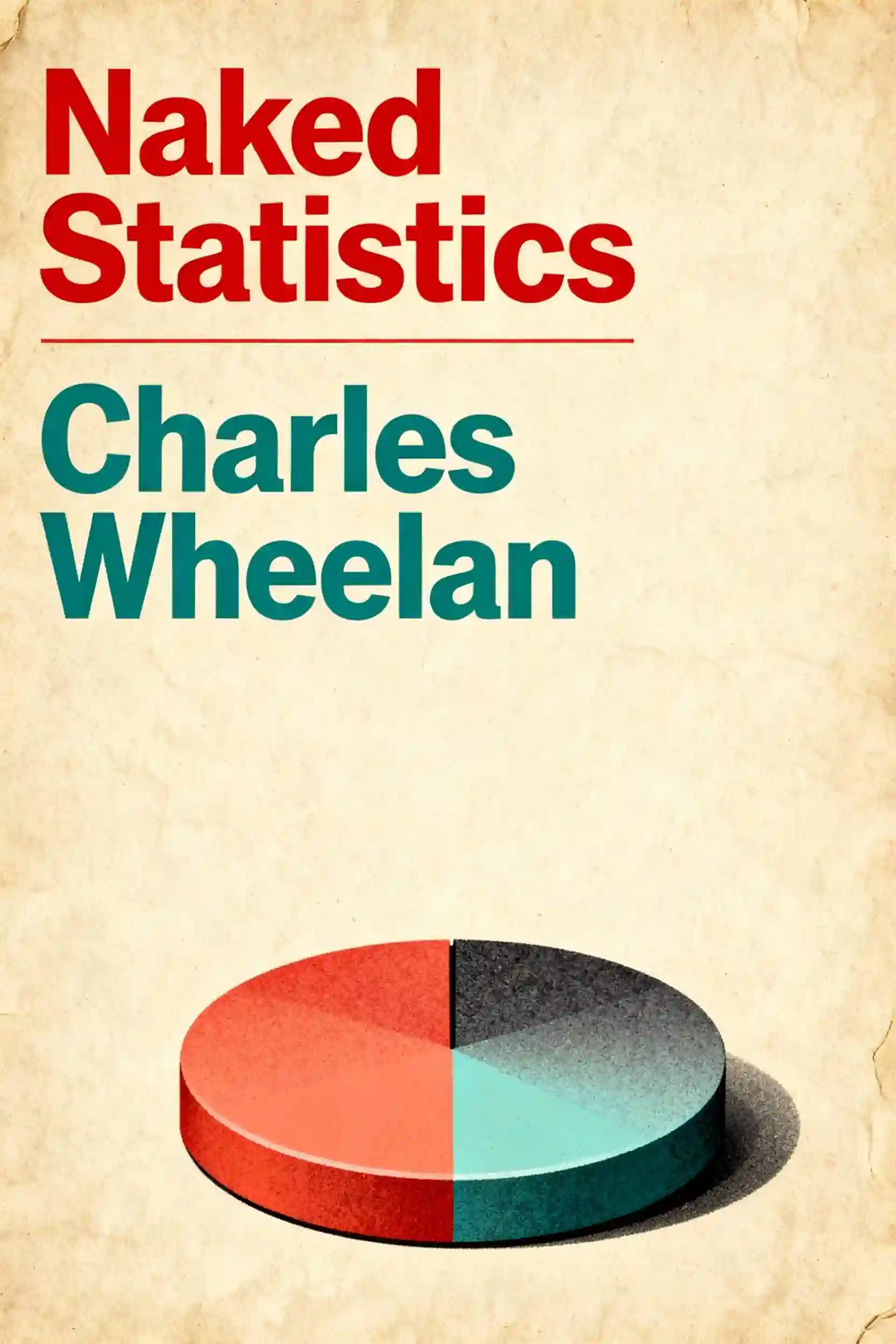
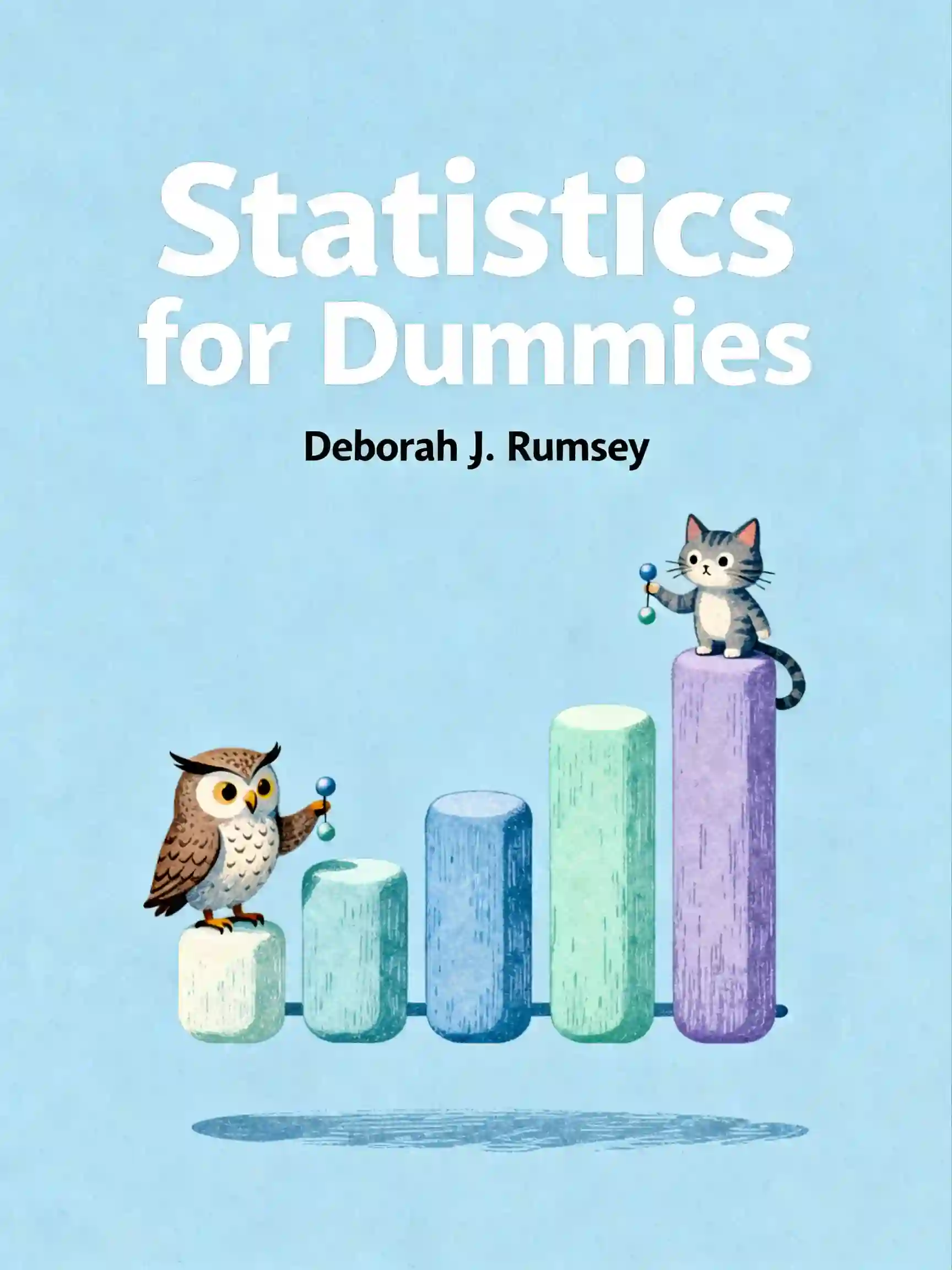
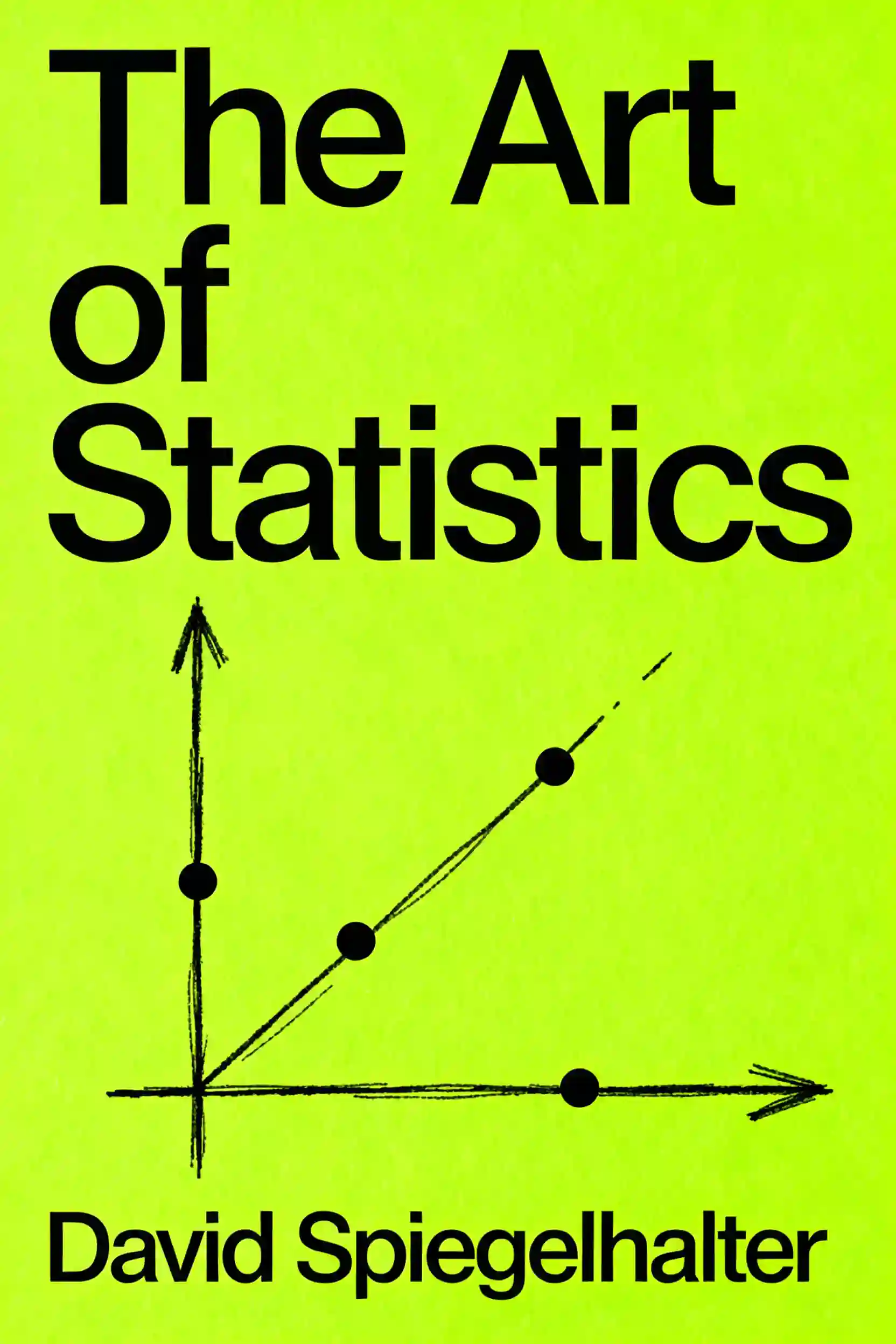
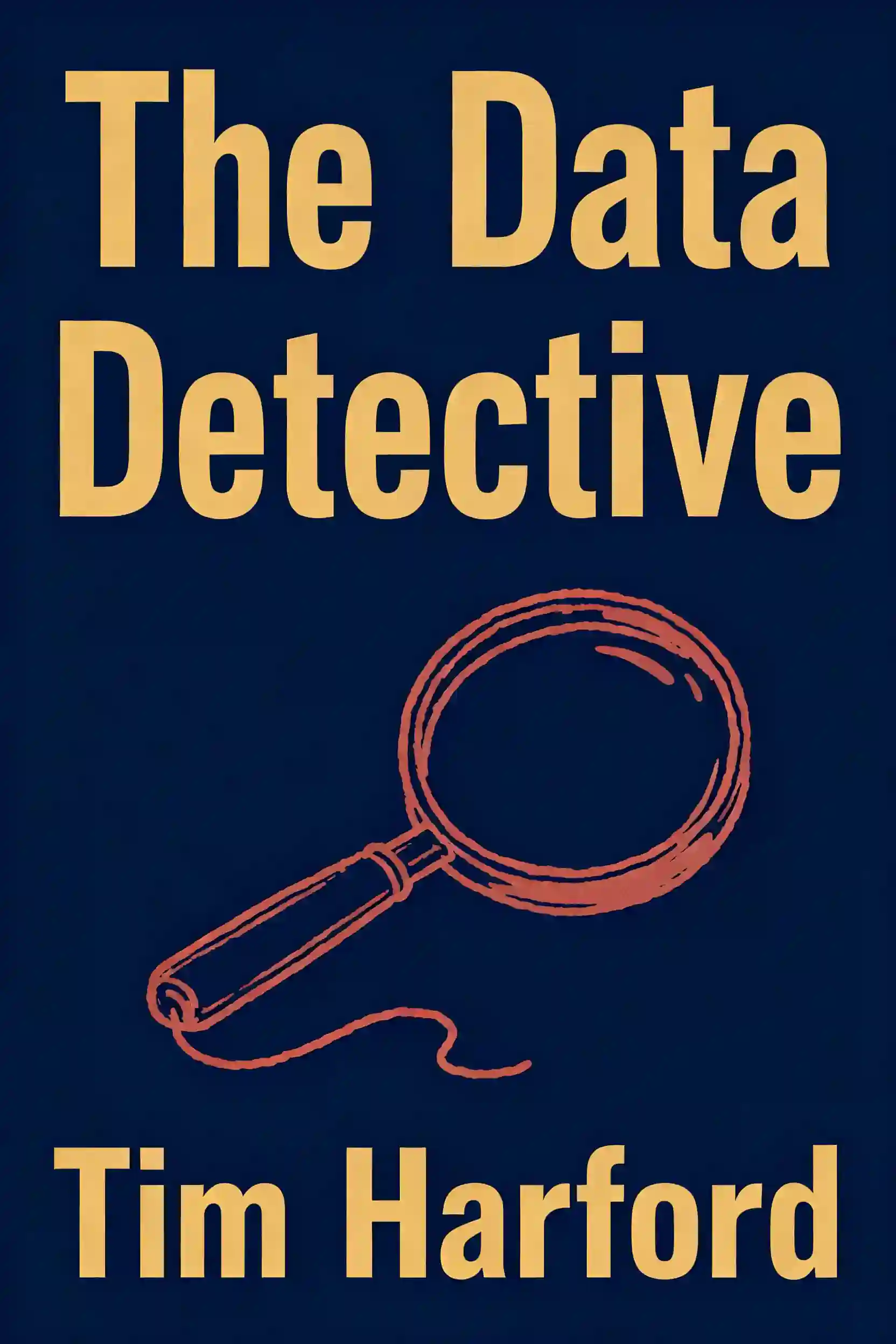
Frequently Asked Questions
A typical freshman statistics course at Oregon State University introduces students to the fundamental principles of data analysis and probability basics. Students learn how to collect, organize, and interpret numerical data, which is essential for scientific inquiry. The curriculum generally covers descriptive statistics, sampling distributions, hypothesis testing, and confidence intervals. These foundational skills prepare students for more advanced quantitative research in various fields, including the physical sciences and social sciences.
For those with a background in chemistry, introductory statistics is highly relevant as it provides the tools for experimental design and error analysis. In chemistry, data analysis is used to determine the precision and accuracy of laboratory measurements and to validate experimental results. Understanding probability basics helps in interpreting molecular behavior and reaction rates. This OSU statistics course bridges the gap between raw experimental data and meaningful scientific conclusions, reinforcing concepts often used in chemical research.
The core objectives of this Oregon State University course include mastering data visualization techniques and understanding the logic behind statistical inference. Students are taught how to use software or calculators to perform calculations that reveal patterns within datasets. By the end of the term, students should be able to evaluate the strength of evidence in scientific studies and communicate their findings effectively. This ensures they have a solid quantitative foundation for their remaining undergraduate years at OSU.
Discover more

Master Statistics for Data Analytics
Master Statistics for Data Analytics
This learning plan bridges the gap between theoretical math and practical business application, making it essential for aspiring data professionals. It is ideal for analysts and decision-makers who need to move beyond basic reporting to advanced predictive modeling and causal analysis.

I want to learn statistics, as a beginner
I want to learn statistics, as a beginner
This plan provides a comprehensive path from basic numeracy to advanced predictive modeling. It is ideal for professionals and students who need to transform raw data into actionable insights using modern analytical tools.
Math for Stats, Probability & ML
Math for Stats, Probability & ML
This learning plan bridges the gap between theoretical mathematics and practical implementation in data science and AI. It is ideal for aspiring data scientists or engineers who want to move beyond using libraries and truly understand the logic driving machine learning models.

Learn about maths and chemistry
Learn about maths and chemistry
This comprehensive plan bridges the gap between abstract mathematical logic and the physical reality of chemical reactions. It is ideal for students or professionals seeking to master data analysis, molecular science, and the quantum foundations of the natural world.

Science and math
Science and math
This plan bridges the gap between abstract mathematical logic and the physical world, providing a rigorous foundation for scientific literacy. It is ideal for curious minds or students seeking to understand the fundamental laws of nature through empirical evidence and cutting-edge theory.

Math
Math
This learning plan is essential for anyone looking to bridge the gap between basic arithmetic and high-level theoretical physics. It benefits students, professionals, and curious minds who want to master data analysis while discovering the hidden beauty of the mathematical universe.
Become a Data Analyst & Strong Programmer
Become a Data Analyst & Strong Programmer
This comprehensive plan bridges the gap between theoretical statistics and practical software engineering. It is ideal for aspiring data professionals who want to build a rigorous technical foundation while mastering the end-to-end analytics workflow.
Science: Chem, Phys, Bio & Space
Science: Chem, Phys, Bio & Space
This comprehensive science overview bridges the gap between the microscopic world of atoms and the vast expanse of the cosmos. It is ideal for curious minds seeking to understand the fundamental laws of physics, the chemistry of life, and our place in the universe.
From Columbia University alumni built in San Francisco
"Instead of endless scrolling, I just hit play on BeFreed. It saves me so much time."


"I never knew where to start with nonfiction—BeFreed’s book lists turned into podcasts gave me a clear path."


"Perfect balance between learning and entertainment. Finished ‘Thinking, Fast and Slow’ on my commute this week."
"Crazy how much I learned while walking the dog. BeFreed = small habits → big gains."
"Reading used to feel like a chore. Now it’s just part of my lifestyle."

"Feels effortless compared to reading. I’ve finished 6 books this month already."
"BeFreed turned my guilty doomscrolling into something that feels productive and inspiring."

"BeFreed turned my commute into learning time. 20-min podcasts are perfect for finishing books I never had time for."
"BeFreed replaced my podcast queue. Imagine Spotify for books — that’s it. 🙌"

"It is great for me to learn something from the book without reading it."
"The themed book list podcasts help me connect ideas across authors—like a guided audio journey."
"Makes me feel smarter every time before going to work"
From Columbia University alumni built in San Francisco
"Instead of endless scrolling, I just hit play on BeFreed. It saves me so much time."
"I never knew where to start with nonfiction—BeFreed’s book lists turned into podcasts gave me a clear path."
"Perfect balance between learning and entertainment. Finished ‘Thinking, Fast and Slow’ on my commute this week."
"Crazy how much I learned while walking the dog. BeFreed = small habits → big gains."
"Reading used to feel like a chore. Now it’s just part of my lifestyle."
"Feels effortless compared to reading. I’ve finished 6 books this month already."
"BeFreed turned my guilty doomscrolling into something that feels productive and inspiring."
"BeFreed turned my commute into learning time. 20-min podcasts are perfect for finishing books I never had time for."
"BeFreed replaced my podcast queue. Imagine Spotify for books — that’s it. 🙌"
"It is great for me to learn something from the book without reading it."
"The themed book list podcasts help me connect ideas across authors—like a guided audio journey."
"Makes me feel smarter every time before going to work"
"Instead of endless scrolling, I just hit play on BeFreed. It saves me so much time."
"I never knew where to start with nonfiction—BeFreed’s book lists turned into podcasts gave me a clear path."
"Perfect balance between learning and entertainment. Finished ‘Thinking, Fast and Slow’ on my commute this week."
"Crazy how much I learned while walking the dog. BeFreed = small habits → big gains."
"Reading used to feel like a chore. Now it’s just part of my lifestyle."
"Feels effortless compared to reading. I’ve finished 6 books this month already."
"BeFreed turned my guilty doomscrolling into something that feels productive and inspiring."
"BeFreed turned my commute into learning time. 20-min podcasts are perfect for finishing books I never had time for."
"BeFreed replaced my podcast queue. Imagine Spotify for books — that’s it. 🙌"
"It is great for me to learn something from the book without reading it."
"The themed book list podcasts help me connect ideas across authors—like a guided audio journey."
"Makes me feel smarter every time before going to work"
"Instead of endless scrolling, I just hit play on BeFreed. It saves me so much time."
"I never knew where to start with nonfiction—BeFreed’s book lists turned into podcasts gave me a clear path."
"Perfect balance between learning and entertainment. Finished ‘Thinking, Fast and Slow’ on my commute this week."
"Crazy how much I learned while walking the dog. BeFreed = small habits → big gains."
"Reading used to feel like a chore. Now it’s just part of my lifestyle."
"Feels effortless compared to reading. I’ve finished 6 books this month already."
"BeFreed turned my guilty doomscrolling into something that feels productive and inspiring."
"BeFreed turned my commute into learning time. 20-min podcasts are perfect for finishing books I never had time for."
"BeFreed replaced my podcast queue. Imagine Spotify for books — that’s it. 🙌"
"It is great for me to learn something from the book without reading it."
"The themed book list podcasts help me connect ideas across authors—like a guided audio journey."
"Makes me feel smarter every time before going to work"


