
Psychology of money and why behavior beats math
Managing money feels like a math problem, but your brain treats it like an emotion. Learn how to fix financial habits by mastering your behavior.

Best quote from Psychology of money and why behavior beats math
Doing well with money isn't about how smart you are; it's about how you behave. It’s rarely about the numbers on the spreadsheet; it’s about the psychological blueprints that actually drive our spending and saving habits.

This audio lesson was created by a BeFreed community member
Psychology of money

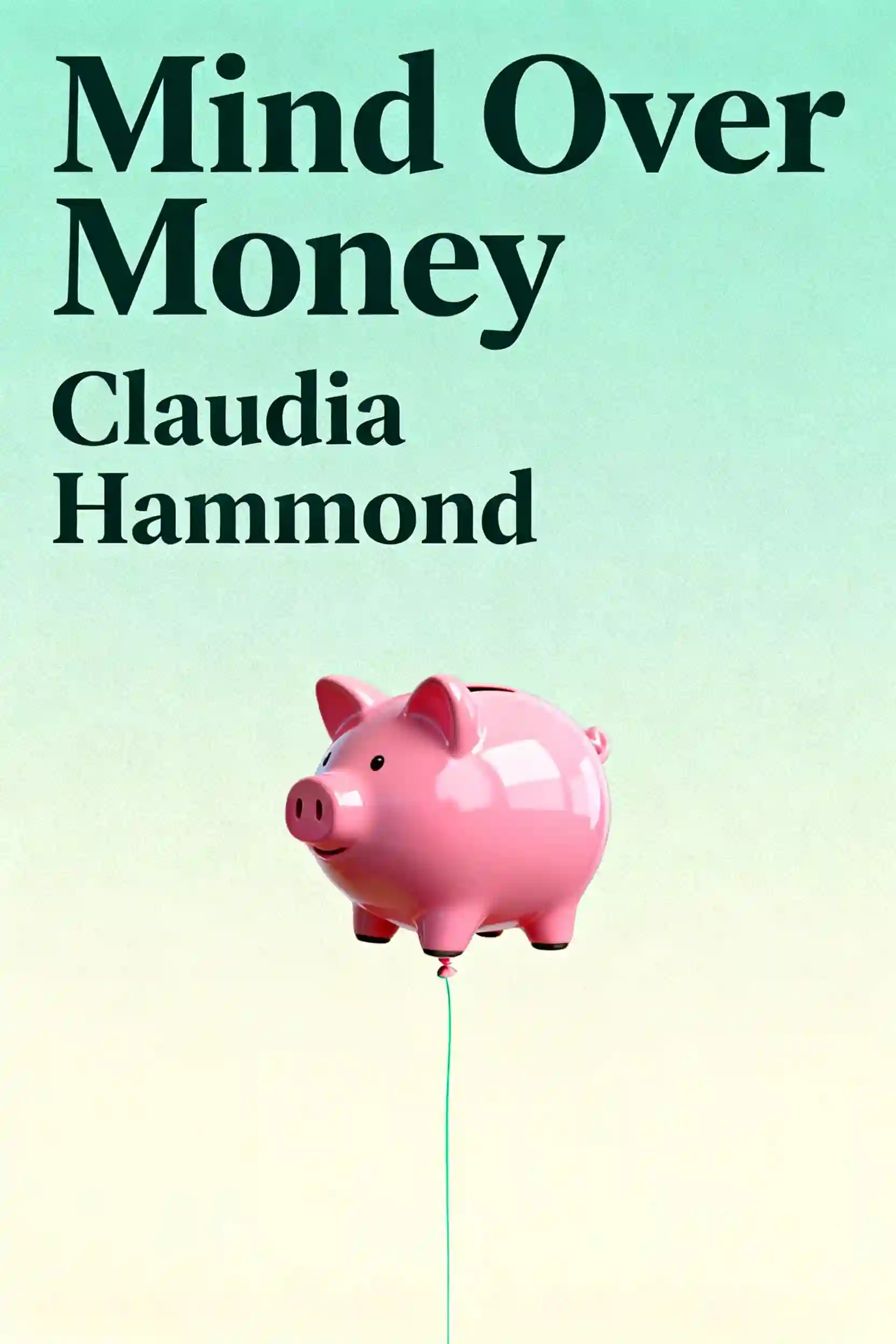
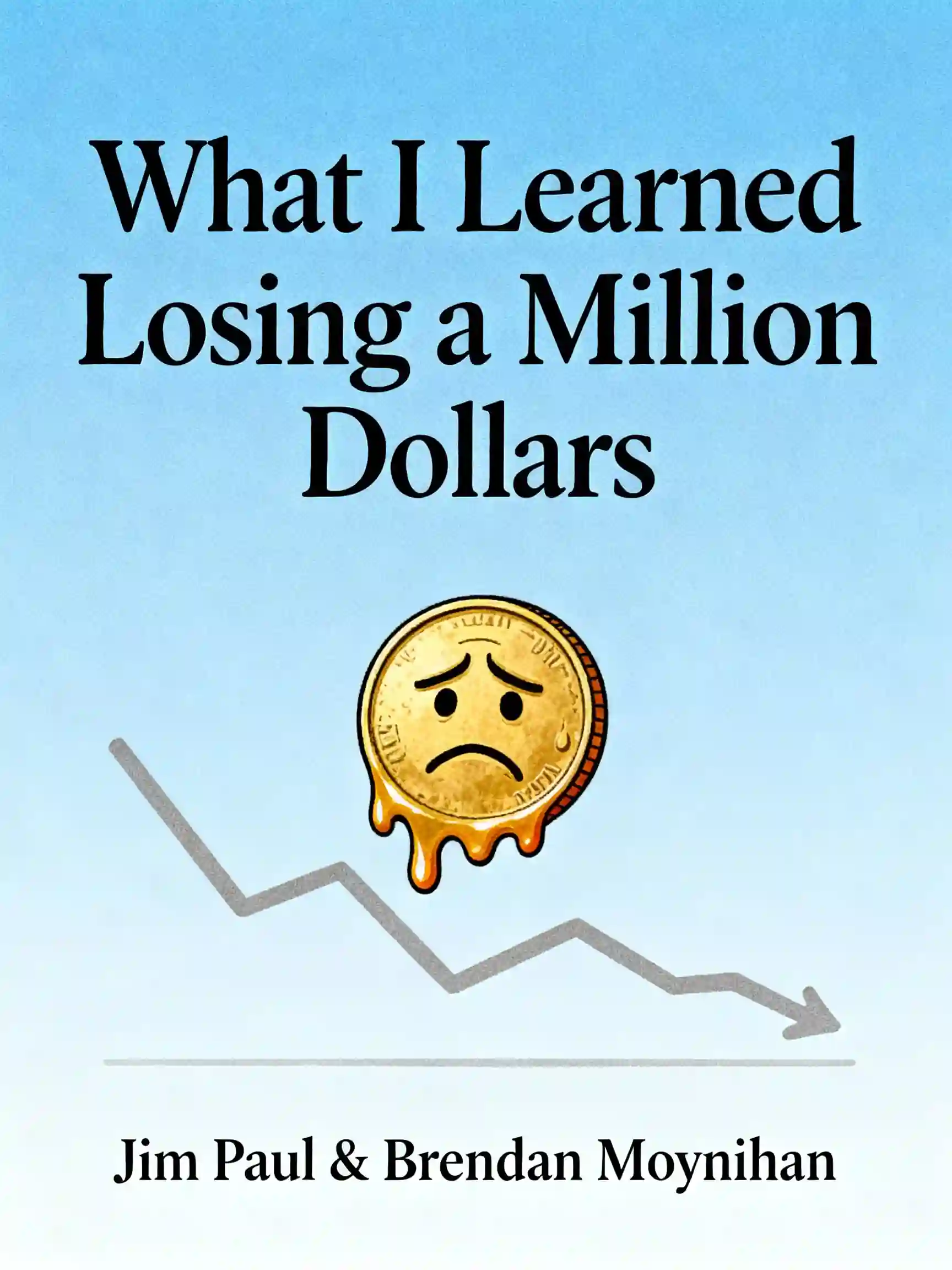
Frequently Asked Questions
As illustrated by the story of Ronald Read, a janitor who saved millions, and the high-flying executive who went bankrupt, doing well with money is less about "math" and more about how you behave. Traditional economics assumes humans are rational "money machines," but in reality, our financial decisions are often driven by System 1 thinking, which is fast, emotional, and intuitive. Because our brains use ancient survival shortcuts that aren't designed for modern markets, a person’s ability to manage their own psychological biases is a greater predictor of wealth than their IQ or professional status.
Brain glitches are cognitive biases like "loss aversion," where the pain of losing money is twice as powerful as the joy of gaining it, or "present bias," where we value small immediate rewards over larger future goals. Another common glitch is "mental accounting," where we treat money differently based on its source—such as treating a tax refund as "free money" to be spent impulsively rather than as standard income. These subconscious patterns often lead us to make mathematically nonsensical decisions, such as keeping high-interest debt while maintaining a low-interest "vacation fund."
Research suggests that childhood financial instability can "re-wire" the brain, making the amygdala hyper-sensitive to money as a survival threat. This "long shadow of scarcity" can lead to adult behaviors that seem irrational, such as an inability to spend money even when wealthy, or "survivor's guilt" when outperforming one's family socioeconomically. These behaviors were often rational survival strategies in a chaotic childhood home, but they can persist as "armor" that causes stress, burnout, or hypervigilance in adulthood.
A behavioral firebreak is a system designed to stop emotional impulses from damaging your long-term financial health. Examples include the "24-hour rule" for large purchases to allow emotions to cool, or automating investments so that "status quo bias" works in your favor. You can also "front-load" your rationality by creating an Investment Policy Statement (IPS) while you are calm, which dictates exactly how you will react during a market crash so you don't have to make panicked decisions in the heat of the moment.
Time transforms the market from a "voting machine" based on popularity and sentiment into a "weighing machine" based on actual business value. By extending your time horizon to decades rather than days, you reduce the frequency of "opportunities to panic" caused by short-term volatility. This perspective allows an investor to view market drawdowns as the "admission price" for long-term gains rather than as permanent threats to survival, helping them override the instinct to sell at the bottom during periods of maximum pessimism.
Discover more

Money, psychology and human behavior
Money, psychology and human behavior
This learning plan bridges the gap between knowing what to do with money and actually doing it by addressing the psychological roots of financial behavior. It's ideal for anyone who has struggled with money decisions despite understanding basic financial principles, professionals seeking to improve their financial outcomes, and individuals curious about why they repeat the same financial patterns. Whether you're an investor, saver, or simply want to make smarter money choices, understanding the psychology behind your decisions is the key to lasting financial transformation.

Money scripts and behavioral finance
Money scripts and behavioral finance
This learning plan is essential for anyone who finds themselves repeating poor financial patterns despite knowing better. It bridges the gap between financial knowledge and actual behavior, making it ideal for investors, spenders, and professionals seeking to master their money mindset.

Behavior, Culture, Psych & Financial Freedom
Behavior, Culture, Psych & Financial Freedom
This learning plan bridges the gap between behavioral science and personal finance to reveal why we act the way we do with money. It is ideal for individuals seeking to master their financial future by understanding the deep-rooted psychological and cultural forces that drive human behavior.
Mind, Money & Health: Human Behavior Science
Mind, Money & Health: Human Behavior Science
Understanding the science behind human behavior provides powerful insights for improving decision-making across life's most important domains. This learning plan equips professionals, students, and self-improvers with practical behavioral science tools to optimize their mental processes, financial decisions, and health habits.
Build stronger money mindset
Build stronger money mindset
This learning plan addresses the critical gap between knowing what to do with money and actually doing it—a gap that keeps most people from building wealth regardless of their income. It's designed for anyone who feels stuck in their financial life, experiences anxiety around money, or knows they should be doing better financially but can't seem to break through their own behavioral patterns.

Finance, Self-Improvement & Psychology Study
Finance, Self-Improvement & Psychology Study
This plan bridges the gap between financial literacy and behavioral science, recognizing that true wealth requires both tactical knowledge and mental mastery. It is ideal for individuals seeking to optimize their financial future while simultaneously pursuing peak personal performance and psychological well-being.
Neuroscience, Finance & Mental Health Study
Neuroscience, Finance & Mental Health Study
This study bridges the gap between biological brain function, psychological behavior, and financial stability. It is ideal for individuals seeking to master their emotional regulation while simultaneously improving their relationship with money and long-term financial health.

Psych, Habits, Finance & Business Strategy
Psych, Habits, Finance & Business Strategy
This learning plan bridges the gap between cognitive psychology and practical success by addressing the mental barriers to wealth and efficiency. It is designed for professionals and entrepreneurs looking to optimize their personal habits and business strategies through data-driven behavioral insights.
From Columbia University alumni built in San Francisco
"Instead of endless scrolling, I just hit play on BeFreed. It saves me so much time."


"I never knew where to start with nonfiction—BeFreed’s book lists turned into podcasts gave me a clear path."


"Perfect balance between learning and entertainment. Finished ‘Thinking, Fast and Slow’ on my commute this week."
"Crazy how much I learned while walking the dog. BeFreed = small habits → big gains."
"Reading used to feel like a chore. Now it’s just part of my lifestyle."

"Feels effortless compared to reading. I’ve finished 6 books this month already."
"BeFreed turned my guilty doomscrolling into something that feels productive and inspiring."

"BeFreed turned my commute into learning time. 20-min podcasts are perfect for finishing books I never had time for."
"BeFreed replaced my podcast queue. Imagine Spotify for books — that’s it. 🙌"

"It is great for me to learn something from the book without reading it."
"The themed book list podcasts help me connect ideas across authors—like a guided audio journey."
"Makes me feel smarter every time before going to work"
From Columbia University alumni built in San Francisco
"Instead of endless scrolling, I just hit play on BeFreed. It saves me so much time."
"I never knew where to start with nonfiction—BeFreed’s book lists turned into podcasts gave me a clear path."
"Perfect balance between learning and entertainment. Finished ‘Thinking, Fast and Slow’ on my commute this week."
"Crazy how much I learned while walking the dog. BeFreed = small habits → big gains."
"Reading used to feel like a chore. Now it’s just part of my lifestyle."
"Feels effortless compared to reading. I’ve finished 6 books this month already."
"BeFreed turned my guilty doomscrolling into something that feels productive and inspiring."
"BeFreed turned my commute into learning time. 20-min podcasts are perfect for finishing books I never had time for."
"BeFreed replaced my podcast queue. Imagine Spotify for books — that’s it. 🙌"
"It is great for me to learn something from the book without reading it."
"The themed book list podcasts help me connect ideas across authors—like a guided audio journey."
"Makes me feel smarter every time before going to work"
"Instead of endless scrolling, I just hit play on BeFreed. It saves me so much time."
"I never knew where to start with nonfiction—BeFreed’s book lists turned into podcasts gave me a clear path."
"Perfect balance between learning and entertainment. Finished ‘Thinking, Fast and Slow’ on my commute this week."
"Crazy how much I learned while walking the dog. BeFreed = small habits → big gains."
"Reading used to feel like a chore. Now it’s just part of my lifestyle."
"Feels effortless compared to reading. I’ve finished 6 books this month already."
"BeFreed turned my guilty doomscrolling into something that feels productive and inspiring."
"BeFreed turned my commute into learning time. 20-min podcasts are perfect for finishing books I never had time for."
"BeFreed replaced my podcast queue. Imagine Spotify for books — that’s it. 🙌"
"It is great for me to learn something from the book without reading it."
"The themed book list podcasts help me connect ideas across authors—like a guided audio journey."
"Makes me feel smarter every time before going to work"
"Instead of endless scrolling, I just hit play on BeFreed. It saves me so much time."
"I never knew where to start with nonfiction—BeFreed’s book lists turned into podcasts gave me a clear path."
"Perfect balance between learning and entertainment. Finished ‘Thinking, Fast and Slow’ on my commute this week."
"Crazy how much I learned while walking the dog. BeFreed = small habits → big gains."
"Reading used to feel like a chore. Now it’s just part of my lifestyle."
"Feels effortless compared to reading. I’ve finished 6 books this month already."
"BeFreed turned my guilty doomscrolling into something that feels productive and inspiring."
"BeFreed turned my commute into learning time. 20-min podcasts are perfect for finishing books I never had time for."
"BeFreed replaced my podcast queue. Imagine Spotify for books — that’s it. 🙌"
"It is great for me to learn something from the book without reading it."
"The themed book list podcasts help me connect ideas across authors—like a guided audio journey."
"Makes me feel smarter every time before going to work"


