
Non-duality and the illusion of being a separate self
We feel like a separate 'I' inside our heads, but ancient philosophy suggests otherwise. Discover how to see through this illusion and find clarity.

Best quote from Non-duality and the illusion of being a separate self
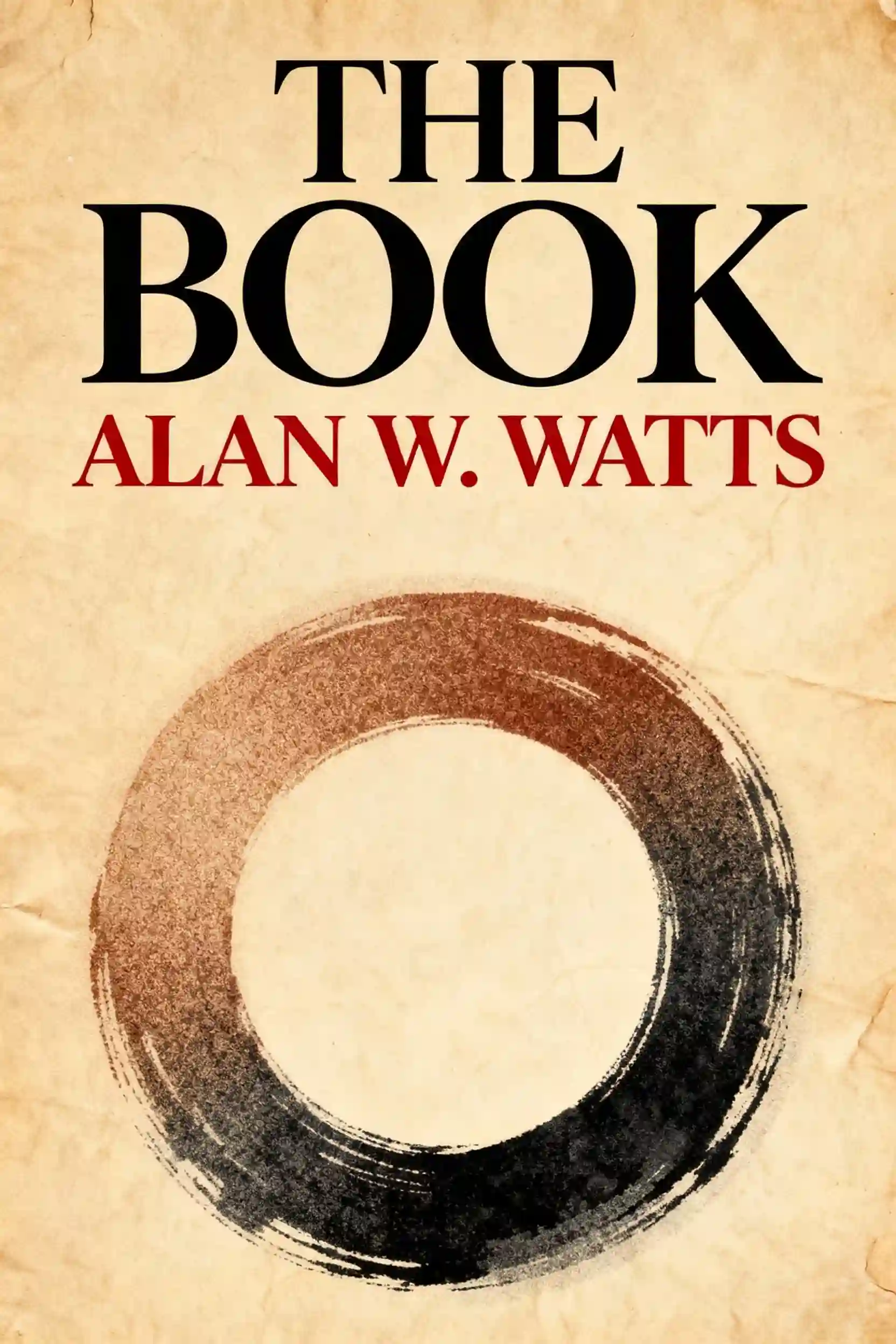
You aren't a drop in the ocean; you are the ocean in a drop. Your innermost, private sense of being is the exact same being that underlies the entire universe.

This audio lesson was created by a BeFreed community member
Non-duality


Frequently Asked Questions
Superimposition, or adhyasa, is a core concept in Advaita Vedanta used to explain how we misperceive reality. It is often illustrated by the analogy of a movie projected onto a screen; we become so absorbed in the drama, car chases, and emotions of the film that we forget the screen itself is stationary and unaffected by the images. In daily life, we superimpose our changing thoughts, names, and social roles onto our steady, underlying awareness, mistakenly believing these temporary "movie" qualities are our true identity.
Neti Neti translates to "not this, not this" and is a systematic process of elimination used to find the true self. A practitioner examines various layers of their identity—such as the physical body, shifting emotions, and passing thoughts—and concludes that because these things can be observed as objects, they cannot be the observing subject. By peeling away these layers like an onion, the individual eventually reaches a point of pure, objectless awareness that cannot be negated, which the texts identify as the "Witness" or Atman.
In the non-dual perspective, ethics shift from a set of external "shoulds" to a spontaneous expression of unity. While the "absolute" reality (paramarthika) sees no separation, the "transactional" reality (vyavaharika) is where we live and interact. If an individual realizes that they and others are essentially the same undivided consciousness, harming another person becomes equivalent to harming oneself. Compassion then becomes a natural byproduct of seeing clearly rather than a forced moral duty.
The "Advaita shuffle" refers to the pitfall of using non-dual concepts as an intellectual excuse to avoid personal responsibility or emotional processing. This happens when someone claims "there is no me" to justify harmful behavior or to ignore the suffering of others. To prevent this, traditional teachings emphasize prerequisites like mental control and moral purification, ensuring that the insight into non-duality is grounded in a "luminous presence" and universal compassion rather than a cold, nihilistic detachment.
Modern neuroscience, particularly the study of the brain's Default Mode Network (DMN), suggests that the "I" is a narrative construction rather than a physical center in the brain. This aligns with the "REBUS" hypothesis, which views the brain as a prediction machine that creates a "self-model" to filter sensory data. Non-dual experiences are seen as a relaxation of these high-level "priors," allowing raw reality to flow in without being processed through the lens of a separate ego, resulting in the feeling of "oceanic boundlessness."
Discover more

Explore Identity, Mind, Body & Philosophy
Explore Identity, Mind, Body & Philosophy
This curriculum bridges the gap between abstract philosophy and practical self-awareness for anyone seeking deeper personal clarity. It is ideal for thinkers, wellness practitioners, and lifelong learners wanting to understand the intersection of neurobiology and ancient wisdom.

Deconstruct Religion for Non-Dual Pantheism
Deconstruct Religion for Non-Dual Pantheism
This plan is essential for individuals seeking to reconcile their spiritual intuition with a rational, nature-centered worldview. It serves those transitioning out of traditional dogma who want to explore profound philosophical unity and non-dual awareness.
Knowing my self
Knowing my self
In an era of constant distraction, understanding one's internal landscape is essential for emotional resilience and personal growth. This plan is designed for individuals seeking to transition from reactive living to a life of conscious, value-driven authenticity.

Mastering Consciousness & Identity Shift
Mastering Consciousness & Identity Shift
This plan bridges the gap between ancient mindfulness and modern neuroscience for those seeking profound personal evolution. It is ideal for individuals ready to move beyond surface-level habits to fundamentally rewire their sense of self.

Self-Discovery via Esotericism & Psychology
Self-Discovery via Esotericism & Psychology
This plan bridges the gap between empirical psychology and ancient mystical traditions for a holistic approach to self-realization. It is ideal for seekers who want to combine analytical depth work with symbolic esoteric wisdom to live more authentically.
Master Self, Mind, Science & Human Connection
Master Self, Mind, Science & Human Connection
In an era of digital distraction, understanding the intersection of neuroscience and self-awareness is vital for personal growth. This plan is designed for individuals seeking to bridge the gap between scientific knowledge and emotional mastery to enhance their relationships and mental well-being.

Find and understand myself and happiness
Find and understand myself and happiness
In an era of constant external pressure, understanding one's internal landscape is essential for mental health and success. This plan is designed for individuals seeking to move beyond surface-level pleasure toward a life of genuine purpose and psychological resilience.
Center myself and be comfortable in nothing
Center myself and be comfortable in nothing
This plan is designed for individuals feeling overwhelmed by constant mental noise and external pressures. It provides a structured path to mastering inner stillness and non-attachment, making it ideal for anyone seeking emotional resilience and a deeper connection to their own presence.
From Columbia University alumni built in San Francisco
"Instead of endless scrolling, I just hit play on BeFreed. It saves me so much time."


"I never knew where to start with nonfiction—BeFreed’s book lists turned into podcasts gave me a clear path."


"Perfect balance between learning and entertainment. Finished ‘Thinking, Fast and Slow’ on my commute this week."
"Crazy how much I learned while walking the dog. BeFreed = small habits → big gains."
"Reading used to feel like a chore. Now it’s just part of my lifestyle."

"Feels effortless compared to reading. I’ve finished 6 books this month already."
"BeFreed turned my guilty doomscrolling into something that feels productive and inspiring."

"BeFreed turned my commute into learning time. 20-min podcasts are perfect for finishing books I never had time for."
"BeFreed replaced my podcast queue. Imagine Spotify for books — that’s it. 🙌"

"It is great for me to learn something from the book without reading it."
"The themed book list podcasts help me connect ideas across authors—like a guided audio journey."
"Makes me feel smarter every time before going to work"
From Columbia University alumni built in San Francisco
"Instead of endless scrolling, I just hit play on BeFreed. It saves me so much time."
"I never knew where to start with nonfiction—BeFreed’s book lists turned into podcasts gave me a clear path."
"Perfect balance between learning and entertainment. Finished ‘Thinking, Fast and Slow’ on my commute this week."
"Crazy how much I learned while walking the dog. BeFreed = small habits → big gains."
"Reading used to feel like a chore. Now it’s just part of my lifestyle."
"Feels effortless compared to reading. I’ve finished 6 books this month already."
"BeFreed turned my guilty doomscrolling into something that feels productive and inspiring."
"BeFreed turned my commute into learning time. 20-min podcasts are perfect for finishing books I never had time for."
"BeFreed replaced my podcast queue. Imagine Spotify for books — that’s it. 🙌"
"It is great for me to learn something from the book without reading it."
"The themed book list podcasts help me connect ideas across authors—like a guided audio journey."
"Makes me feel smarter every time before going to work"
"Instead of endless scrolling, I just hit play on BeFreed. It saves me so much time."
"I never knew where to start with nonfiction—BeFreed’s book lists turned into podcasts gave me a clear path."
"Perfect balance between learning and entertainment. Finished ‘Thinking, Fast and Slow’ on my commute this week."
"Crazy how much I learned while walking the dog. BeFreed = small habits → big gains."
"Reading used to feel like a chore. Now it’s just part of my lifestyle."
"Feels effortless compared to reading. I’ve finished 6 books this month already."
"BeFreed turned my guilty doomscrolling into something that feels productive and inspiring."
"BeFreed turned my commute into learning time. 20-min podcasts are perfect for finishing books I never had time for."
"BeFreed replaced my podcast queue. Imagine Spotify for books — that’s it. 🙌"
"It is great for me to learn something from the book without reading it."
"The themed book list podcasts help me connect ideas across authors—like a guided audio journey."
"Makes me feel smarter every time before going to work"
"Instead of endless scrolling, I just hit play on BeFreed. It saves me so much time."
"I never knew where to start with nonfiction—BeFreed’s book lists turned into podcasts gave me a clear path."
"Perfect balance between learning and entertainment. Finished ‘Thinking, Fast and Slow’ on my commute this week."
"Crazy how much I learned while walking the dog. BeFreed = small habits → big gains."
"Reading used to feel like a chore. Now it’s just part of my lifestyle."
"Feels effortless compared to reading. I’ve finished 6 books this month already."
"BeFreed turned my guilty doomscrolling into something that feels productive and inspiring."
"BeFreed turned my commute into learning time. 20-min podcasts are perfect for finishing books I never had time for."
"BeFreed replaced my podcast queue. Imagine Spotify for books — that’s it. 🙌"
"It is great for me to learn something from the book without reading it."
"The themed book list podcasts help me connect ideas across authors—like a guided audio journey."
"Makes me feel smarter every time before going to work"


