
Memory training to stop forgetting what you read
We forget 90% of what we learn within a week. Discover how to use cognitive reps and strategic spacing to build a brain that actually retains info.

Best quote from Memory training to stop forgetting what you read
Intelligence isn't a fixed trait; it's an active practice. You have the power to steer your own neurobiology by shifting from a passive observer to an active participant in your own learning.

This audio lesson was created by a BeFreed community member
Intelligence training plan. Improving memory of things I read or of zoom meetings I am in.

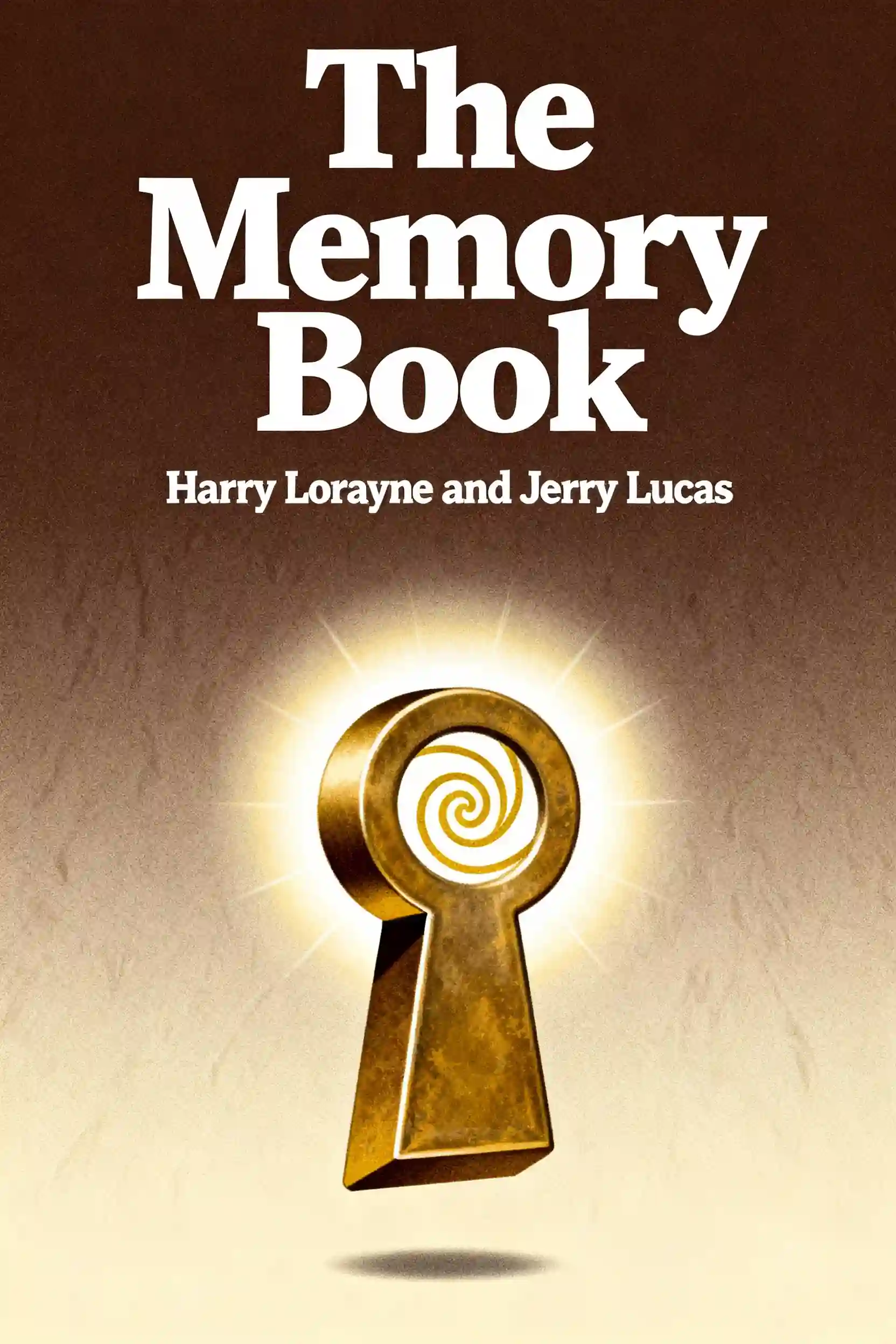
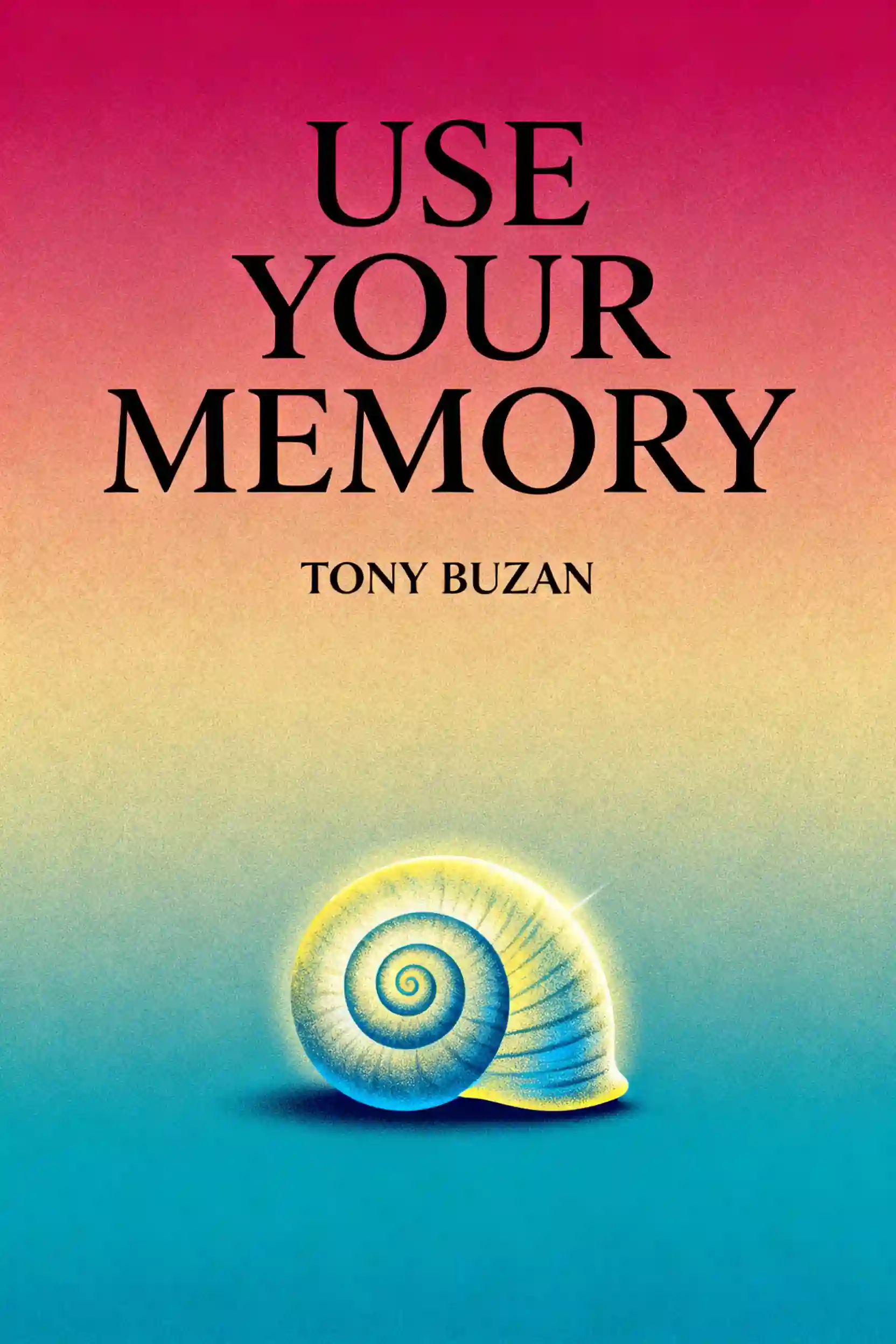
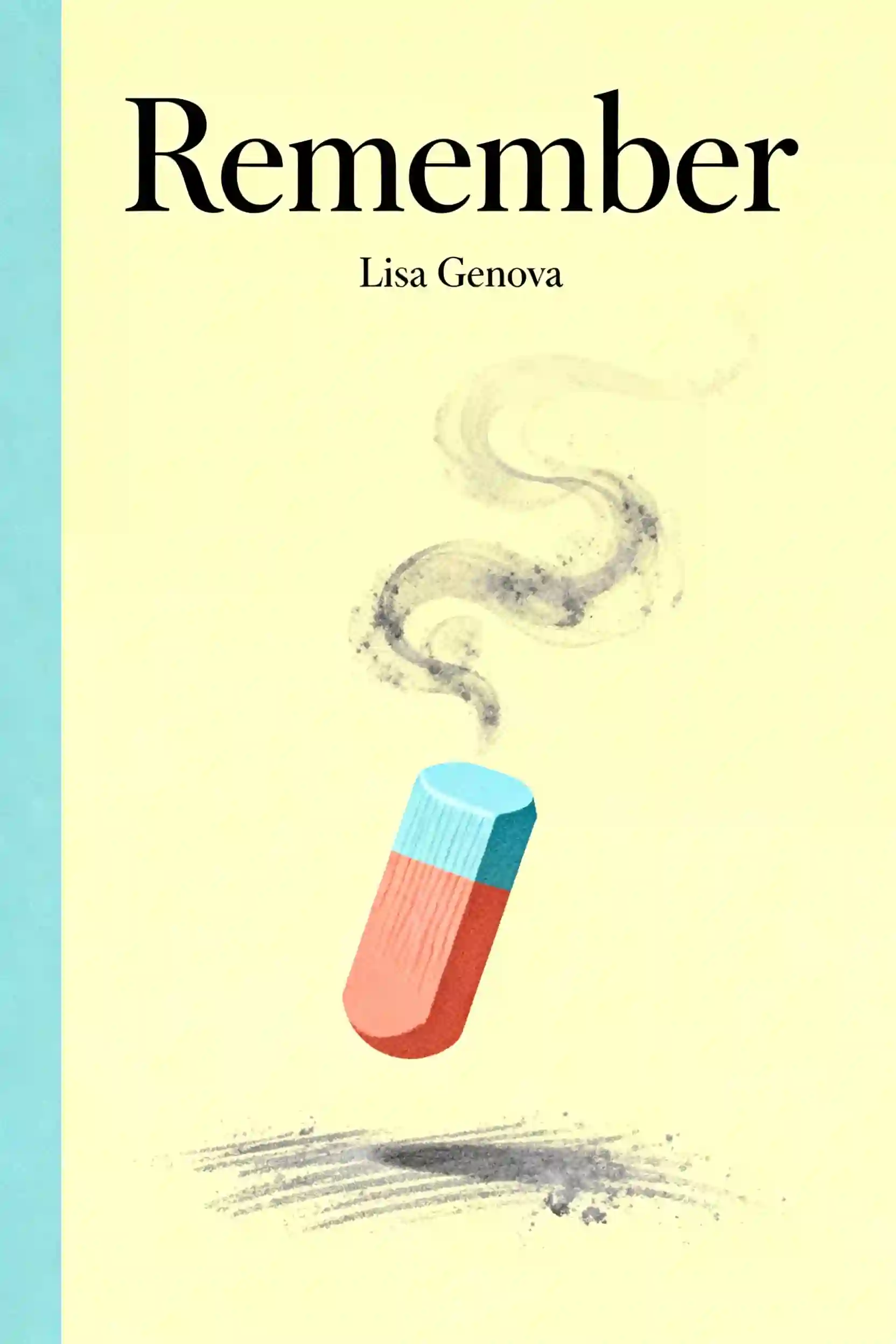
![MAKE IT STICK , BROWN, PETER C. [Hardcover] HARVARD UNIVERSITY PRESS](https://d1y2du6z1jfm9e.cloudfront.net/covers/a3c49b6b-abd7-4c1b-afb2-09b323ee76c0/image_resized.webp)
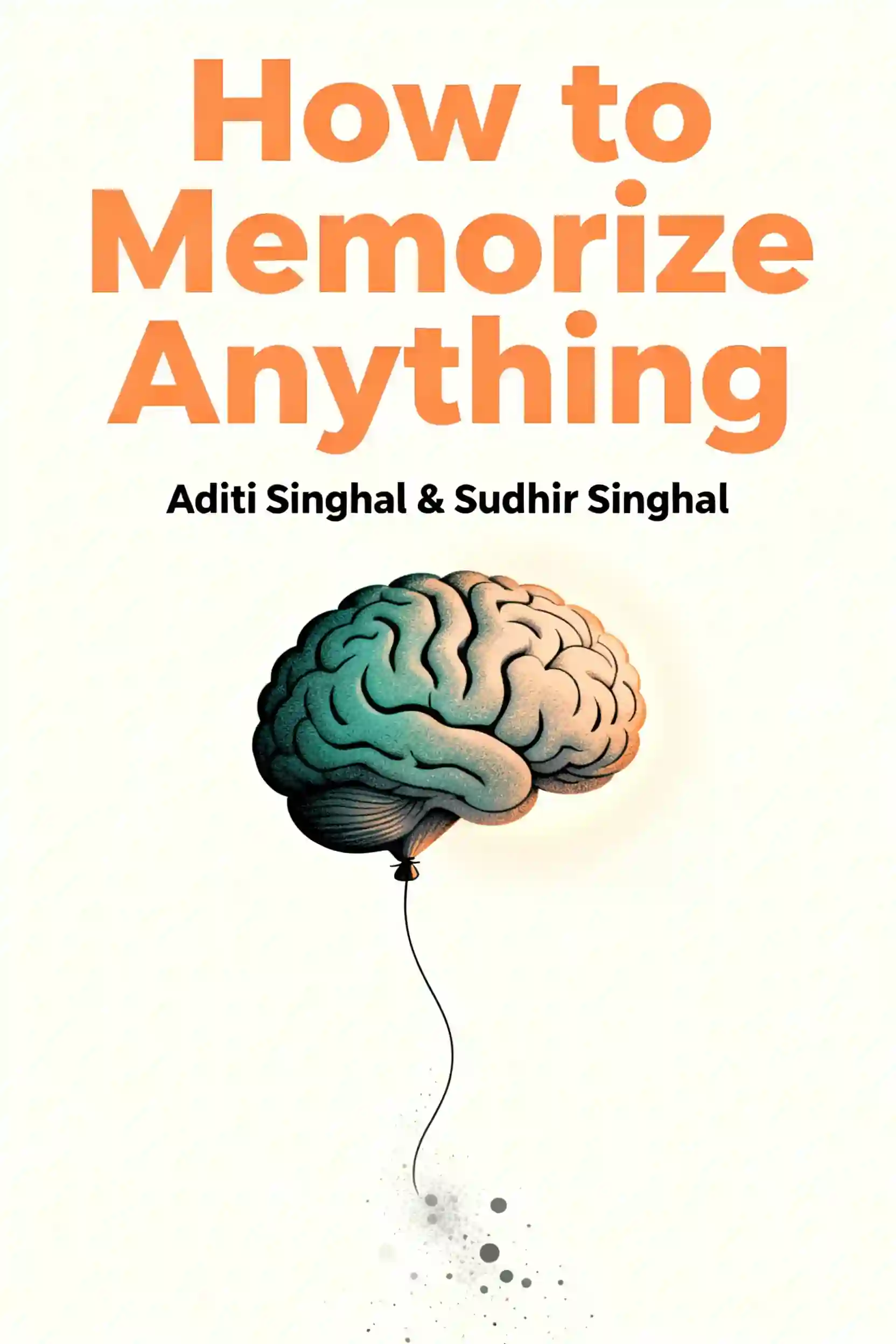
Frequently Asked Questions
The fluency illusion occurs when you process information—such as nodding along during a meeting or reading a book—and feel like you are mastering the material because it makes sense in the moment. However, your brain is actually just processing language without forming a durable memory. Because the information isn't being actively encoded, research shows we typically forget about 70% of new information within 24 hours and up to 90% within a week.
Working memory acts like the "RAM" of your brain, but for most adults, it can only hold about seven items (plus or minus two) at once. When a fast-paced Zoom call or dense article exceeds this tiny capacity, it causes "cognitive overload." This triggers a stress response in the anterior cingulate cortex, flooding the hippocampus with cortisol, which actually disrupts the neural pathways needed to move that information into long-term storage.
Passive review, like rereading, reinforces the fluency illusion by making material look familiar without strengthening the retrieval pathway. Active Retrieval requires you to force your brain to struggle to pull information out of memory, a concept known as "desirable difficulty." This effortful search signals to the brain that the information is important, helping to wire it in and potentially increasing retention by 50% compared to restudying.
The Method of Loci, or a "Memory Palace," is a technique that hacks our evolutionary hardwiring for spatial navigation to store data. By mapping out a familiar physical path (like your home) and "binding" information to specific stations using vivid, exaggerated, and multi-sensory imagery, you engage the hippocampus and parahippocampal gyrus. This spatial-visual encoding is far more durable than memorizing words alone and bypasses the easily overloaded phonological loop of working memory.
Exercise triggers the production of BDNF (Brain-Derived Neurotrophic Factor), often called "Miracle-Gro for the brain," which promotes the birth of new neurons and strengthens synaptic connections. Sleep is essential for "consolidation," the process where the hippocampus replays the day's learning and ships it to the cortex for permanent storage. Skipping sleep can reduce the ability to form new memories by 40% because it cancels the "save" command for the brain's daily work.
Discover more

Memory
Memory
In an age of information overload, the ability to retain and recall knowledge is a critical competitive advantage. This plan is ideal for students, professionals, and lifelong learners looking to transition from forgetfulness to high-performance mental storage using science-backed methods.

Memory improvement
Memory improvement
This plan is essential for anyone looking to overcome forgetfulness and master the art of rapid learning. Students, professionals, and lifelong learners will benefit from these science-backed techniques to enhance cognitive performance.

Summarize books read for better recall
Summarize books read for better recall
This plan is essential for lifelong learners and professionals who struggle to retain the vast amount of information they consume. It provides a systematic bridge between passive reading and active knowledge application through science-backed memory techniques.
Develop near-perfect memory
Develop near-perfect memory
Memory is not fixed but a skill that can be dramatically improved through proven techniques. This learning plan benefits students, professionals, and anyone seeking to enhance cognitive performance by transforming ordinary memory into an exceptional tool for learning and daily life.

Getting a photographic memory
Getting a photographic memory
This plan is essential for students, professionals, and lifelong learners who want to transcend natural cognitive limits. It bridges the gap between biological memory and elite performance by teaching the exact systems used by memory champions.

Study better, efficiently & build habits
Study better, efficiently & build habits
Traditional study methods often ignore how the brain actually processes information, leading to burnout and poor retention. This plan is essential for students and lifelong learners who want to master complex subjects faster by applying the science of memory and habit architecture.
Improve my memory and learning productivity
Improve my memory and learning productivity
This learning plan is essential for students, professionals, and lifelong learners who feel overwhelmed by information overload. It bridges the gap between cognitive science and practical application, providing a roadmap for anyone looking to sharpen their intellect and master new subjects faster.

Read faster and smarter to build skills.
Read faster and smarter to build skills.
In an era of information overload, the ability to rapidly process and retain knowledge is a critical competitive advantage. This plan is designed for professionals, students, and lifelong learners who need to master complex subjects quickly and transition from surface-level reading to deep expertise.
From Columbia University alumni built in San Francisco
"Instead of endless scrolling, I just hit play on BeFreed. It saves me so much time."


"I never knew where to start with nonfiction—BeFreed’s book lists turned into podcasts gave me a clear path."


"Perfect balance between learning and entertainment. Finished ‘Thinking, Fast and Slow’ on my commute this week."
"Crazy how much I learned while walking the dog. BeFreed = small habits → big gains."
"Reading used to feel like a chore. Now it’s just part of my lifestyle."

"Feels effortless compared to reading. I’ve finished 6 books this month already."
"BeFreed turned my guilty doomscrolling into something that feels productive and inspiring."

"BeFreed turned my commute into learning time. 20-min podcasts are perfect for finishing books I never had time for."
"BeFreed replaced my podcast queue. Imagine Spotify for books — that’s it. 🙌"

"It is great for me to learn something from the book without reading it."
"The themed book list podcasts help me connect ideas across authors—like a guided audio journey."
"Makes me feel smarter every time before going to work"
From Columbia University alumni built in San Francisco
"Instead of endless scrolling, I just hit play on BeFreed. It saves me so much time."
"I never knew where to start with nonfiction—BeFreed’s book lists turned into podcasts gave me a clear path."
"Perfect balance between learning and entertainment. Finished ‘Thinking, Fast and Slow’ on my commute this week."
"Crazy how much I learned while walking the dog. BeFreed = small habits → big gains."
"Reading used to feel like a chore. Now it’s just part of my lifestyle."
"Feels effortless compared to reading. I’ve finished 6 books this month already."
"BeFreed turned my guilty doomscrolling into something that feels productive and inspiring."
"BeFreed turned my commute into learning time. 20-min podcasts are perfect for finishing books I never had time for."
"BeFreed replaced my podcast queue. Imagine Spotify for books — that’s it. 🙌"
"It is great for me to learn something from the book without reading it."
"The themed book list podcasts help me connect ideas across authors—like a guided audio journey."
"Makes me feel smarter every time before going to work"
"Instead of endless scrolling, I just hit play on BeFreed. It saves me so much time."
"I never knew where to start with nonfiction—BeFreed’s book lists turned into podcasts gave me a clear path."
"Perfect balance between learning and entertainment. Finished ‘Thinking, Fast and Slow’ on my commute this week."
"Crazy how much I learned while walking the dog. BeFreed = small habits → big gains."
"Reading used to feel like a chore. Now it’s just part of my lifestyle."
"Feels effortless compared to reading. I’ve finished 6 books this month already."
"BeFreed turned my guilty doomscrolling into something that feels productive and inspiring."
"BeFreed turned my commute into learning time. 20-min podcasts are perfect for finishing books I never had time for."
"BeFreed replaced my podcast queue. Imagine Spotify for books — that’s it. 🙌"
"It is great for me to learn something from the book without reading it."
"The themed book list podcasts help me connect ideas across authors—like a guided audio journey."
"Makes me feel smarter every time before going to work"
"Instead of endless scrolling, I just hit play on BeFreed. It saves me so much time."
"I never knew where to start with nonfiction—BeFreed’s book lists turned into podcasts gave me a clear path."
"Perfect balance between learning and entertainment. Finished ‘Thinking, Fast and Slow’ on my commute this week."
"Crazy how much I learned while walking the dog. BeFreed = small habits → big gains."
"Reading used to feel like a chore. Now it’s just part of my lifestyle."
"Feels effortless compared to reading. I’ve finished 6 books this month already."
"BeFreed turned my guilty doomscrolling into something that feels productive and inspiring."
"BeFreed turned my commute into learning time. 20-min podcasts are perfect for finishing books I never had time for."
"BeFreed replaced my podcast queue. Imagine Spotify for books — that’s it. 🙌"
"It is great for me to learn something from the book without reading it."
"The themed book list podcasts help me connect ideas across authors—like a guided audio journey."
"Makes me feel smarter every time before going to work"


![MAKE IT STICK , BROWN, PETER C. [Hardcover] HARVARD UNIVERSITY PRESS](/_next/image?url=https%3A%2F%2Fd3lvzgn0lx7rb2.cloudfront.net%2Fcovers%2Fa3c49b6b-abd7-4c1b-afb2-09b323ee76c0%2Fimage_resized.webp&w=1024&q=50)


