
Max Weber y la jaula de hierro del trabajo
Nia y Miles analizan cómo la burocracia y la ética del rendimiento nos atrapan, revelando las raíces del burnout para recuperar nuestra libertad.

Best quote from Max Weber y la jaula de hierro del trabajo
La verdadera pregunta no es cómo ser más eficientes, sino qué estamos dispuestos a sacrificar de nuestra propia alma para mantener en marcha una maquinaria que ya no recuerda por qué empezó a girar.

This audio lesson was created by a BeFreed community member
Explica la sociología de Max Weber: la acción social, los tipos de dominación, la burocracia y su tesis sobre la ética protestante y el capitalismo. Conecta con el mundo corporativo actual, el culto a la productividad y el burnout moderno. Tono reflexivo y académico con ejemplos de la vida laboral cotidiana.

Frequently Asked Questions
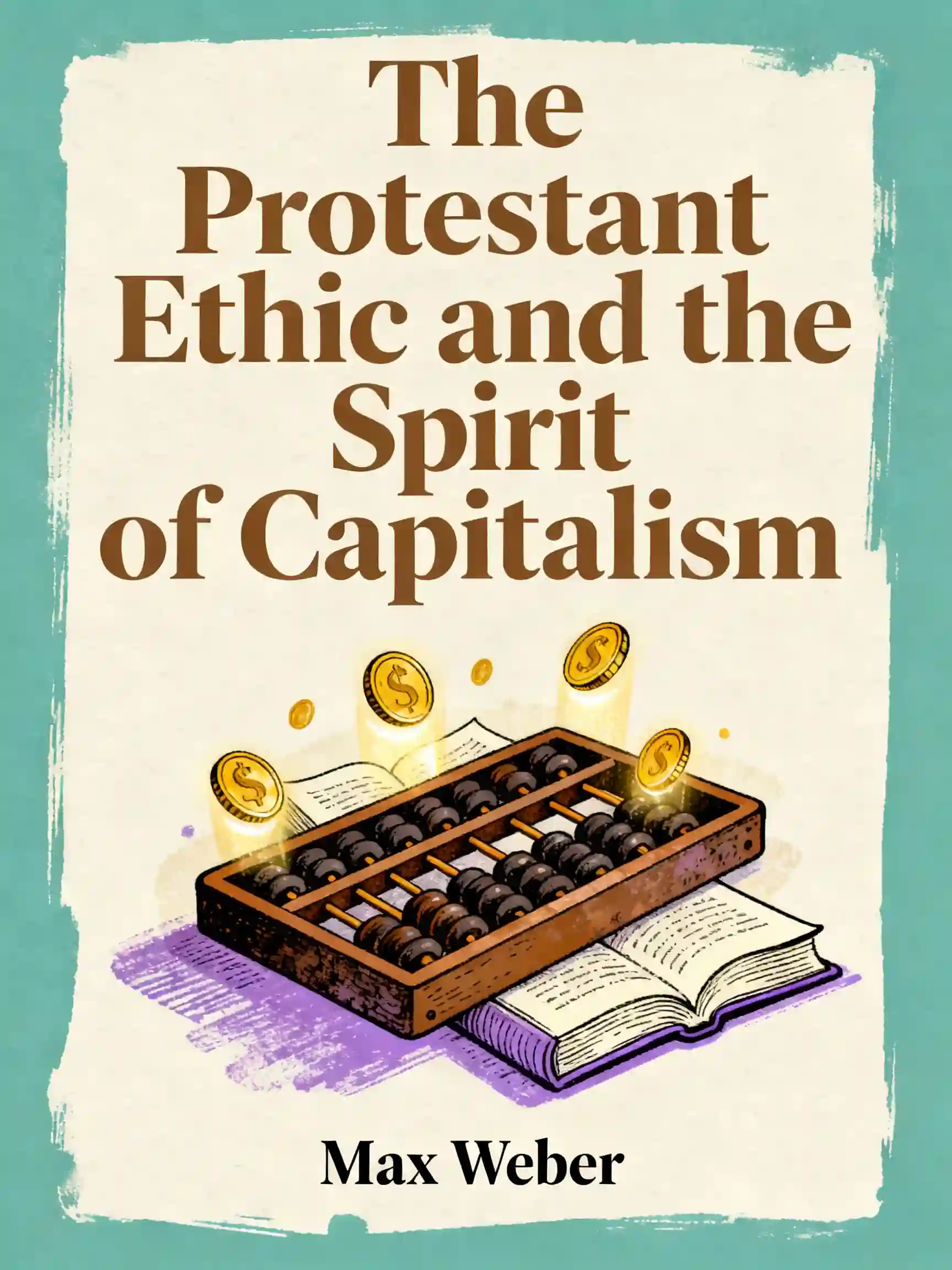
The "iron cage" is a concept by Max Weber describing how modern society has become trapped in a system of pure calculation, rationality, and bureaucracy. Originally, the drive to work hard was fueled by religious values—specifically the Protestant ethic where labor was seen as a path to salvation. However, as the religious spirit faded, the rigid structure remained. Today, we live in a "mechanized petrification" where we are forced to follow rules and seek maximum efficiency not for spiritual reasons, but because the economic system demands it to survive.
In Weber’s sociology, power is simply the ability to impose one's will on others. Domination, however, is the probability of finding voluntary obedience because the subordinates believe the command is legitimate. The script highlights three types of domination: traditional (based on custom and lineage), charismatic (based on the extraordinary qualities of a leader), and rational-legal. The latter is the foundation of modern offices, where we obey managers not because of who they are as people, but because of the impersonal rules and statutes that grant them their positions.
The script explains that our current obsession with productivity stems from the "Protestant ethic." For early Calvinists, professional success was viewed as a sign of divine election and salvation. This turned work into an "ascetic" duty where wasting time was considered a grave sin. While modern society is largely secular, we have inherited this internal "invisible puritan" that makes us feel guilty when we are not being productive, even though the original religious goal has disappeared.
Understanding Weber’s theories allows employees to recognize that the pressure for constant efficiency is a structural issue rather than a personal failure. By viewing the office as a "rational-legal" association rather than a family or a religious community, workers can practice a form of "ethical resistance." This involves separating their personal identity and values from their professional role, fulfilling their contractual duties without surrendering their "soul" or spontaneity to the bureaucratic machine.
Discover more

Maximize work productivity
Maximize work productivity
In today's distraction-filled world, the ability to work productively has become a crucial competitive advantage. This learning plan provides practical frameworks and techniques for professionals seeking to accomplish more meaningful work in less time while maintaining their wellbeing.

Resúmeme el libro mentira
Resúmeme el libro mentira
Este plan es esencial para quienes buscan protegerse de manipulaciones y mejorar su inteligencia emocional. Es ideal para profesionales de ventas, seguridad o cualquier persona interesada en descifrar la psicología del comportamiento humano.

Modern Work Politics: Machiavelli & 48 Laws
Modern Work Politics: Machiavelli & 48 Laws
In high-stakes corporate environments, technical skill alone rarely guarantees advancement. This plan is designed for ambitious professionals who need to master the unspoken rules of influence and power dynamics to secure their seat at the table.
Boost My Productivity
Boost My Productivity
This plan is designed for professionals and creators struggling with burnout and cognitive overload. It provides a structured path to move from chaotic daily reactive work to high-leverage systems that prioritize deep work and strategic automation.
Liderazgo, carrera y confianza profesional
Liderazgo, carrera y confianza profesional
Este plan es ideal para profesionales que buscan ascender a roles directivos fortaleciendo su marca personal y capacidad de influencia. Proporciona las herramientas necesarias para transformar el liderazgo individual en un motor de cambio organizacional.

Explore Human Behavior, Society & Innovation
Explore Human Behavior, Society & Innovation
This plan bridges the gap between individual psychology and large-scale societal evolution to explain how the modern world actually works. It is ideal for leaders, innovators, and curious minds looking to master the intersection of human behavior and systemic change.

Master Habits, Focus & Energy to Beat Burnout
Master Habits, Focus & Energy to Beat Burnout
In today's always-on digital environment, burnout has become increasingly common as boundaries between work and life blur. This learning plan equips professionals and knowledge workers with science-backed strategies to reclaim their energy, attention, and productivity without sacrificing wellbeing.
Burnout
Burnout
In an era of constant connectivity, understanding the biological roots of exhaustion is vital for long-term health. This plan is essential for professionals feeling depleted who want to transition from survival mode to sustainable high performance.
From Columbia University alumni built in San Francisco
"Instead of endless scrolling, I just hit play on BeFreed. It saves me so much time."


"I never knew where to start with nonfiction—BeFreed’s book lists turned into podcasts gave me a clear path."


"Perfect balance between learning and entertainment. Finished ‘Thinking, Fast and Slow’ on my commute this week."
"Crazy how much I learned while walking the dog. BeFreed = small habits → big gains."
"Reading used to feel like a chore. Now it’s just part of my lifestyle."

"Feels effortless compared to reading. I’ve finished 6 books this month already."
"BeFreed turned my guilty doomscrolling into something that feels productive and inspiring."

"BeFreed turned my commute into learning time. 20-min podcasts are perfect for finishing books I never had time for."
"BeFreed replaced my podcast queue. Imagine Spotify for books — that’s it. 🙌"

"It is great for me to learn something from the book without reading it."
"The themed book list podcasts help me connect ideas across authors—like a guided audio journey."
"Makes me feel smarter every time before going to work"
From Columbia University alumni built in San Francisco
"Instead of endless scrolling, I just hit play on BeFreed. It saves me so much time."
"I never knew where to start with nonfiction—BeFreed’s book lists turned into podcasts gave me a clear path."
"Perfect balance between learning and entertainment. Finished ‘Thinking, Fast and Slow’ on my commute this week."
"Crazy how much I learned while walking the dog. BeFreed = small habits → big gains."
"Reading used to feel like a chore. Now it’s just part of my lifestyle."
"Feels effortless compared to reading. I’ve finished 6 books this month already."
"BeFreed turned my guilty doomscrolling into something that feels productive and inspiring."
"BeFreed turned my commute into learning time. 20-min podcasts are perfect for finishing books I never had time for."
"BeFreed replaced my podcast queue. Imagine Spotify for books — that’s it. 🙌"
"It is great for me to learn something from the book without reading it."
"The themed book list podcasts help me connect ideas across authors—like a guided audio journey."
"Makes me feel smarter every time before going to work"
"Instead of endless scrolling, I just hit play on BeFreed. It saves me so much time."
"I never knew where to start with nonfiction—BeFreed’s book lists turned into podcasts gave me a clear path."
"Perfect balance between learning and entertainment. Finished ‘Thinking, Fast and Slow’ on my commute this week."
"Crazy how much I learned while walking the dog. BeFreed = small habits → big gains."
"Reading used to feel like a chore. Now it’s just part of my lifestyle."
"Feels effortless compared to reading. I’ve finished 6 books this month already."
"BeFreed turned my guilty doomscrolling into something that feels productive and inspiring."
"BeFreed turned my commute into learning time. 20-min podcasts are perfect for finishing books I never had time for."
"BeFreed replaced my podcast queue. Imagine Spotify for books — that’s it. 🙌"
"It is great for me to learn something from the book without reading it."
"The themed book list podcasts help me connect ideas across authors—like a guided audio journey."
"Makes me feel smarter every time before going to work"
"Instead of endless scrolling, I just hit play on BeFreed. It saves me so much time."
"I never knew where to start with nonfiction—BeFreed’s book lists turned into podcasts gave me a clear path."
"Perfect balance between learning and entertainment. Finished ‘Thinking, Fast and Slow’ on my commute this week."
"Crazy how much I learned while walking the dog. BeFreed = small habits → big gains."
"Reading used to feel like a chore. Now it’s just part of my lifestyle."
"Feels effortless compared to reading. I’ve finished 6 books this month already."
"BeFreed turned my guilty doomscrolling into something that feels productive and inspiring."
"BeFreed turned my commute into learning time. 20-min podcasts are perfect for finishing books I never had time for."
"BeFreed replaced my podcast queue. Imagine Spotify for books — that’s it. 🙌"
"It is great for me to learn something from the book without reading it."
"The themed book list podcasts help me connect ideas across authors—like a guided audio journey."
"Makes me feel smarter every time before going to work"


