
Mastering Your Vocabulary: From Passive Recognition to Active Eloquence
Stop relying on clichés and start speaking with precision. Learn science-backed techniques like spaced repetition and etymological roots to transform your passive word bank into a powerful daily communication tool.

Best quote from Mastering Your Vocabulary: From Passive Recognition to Active Eloquence
The baseline is moving from passive exposure to active, meaningful engagement—what cognitive psychologists call the 'depth of processing hypothesis.' Think of your brain like a forest: if you just drop a seed on the surface, it’s probably going to blow away, but if you dig a hole and connect it to an existing root system, that word is going to grow and stay put.

This audio lesson was created by a BeFreed community member
I want to increase my vocabulary

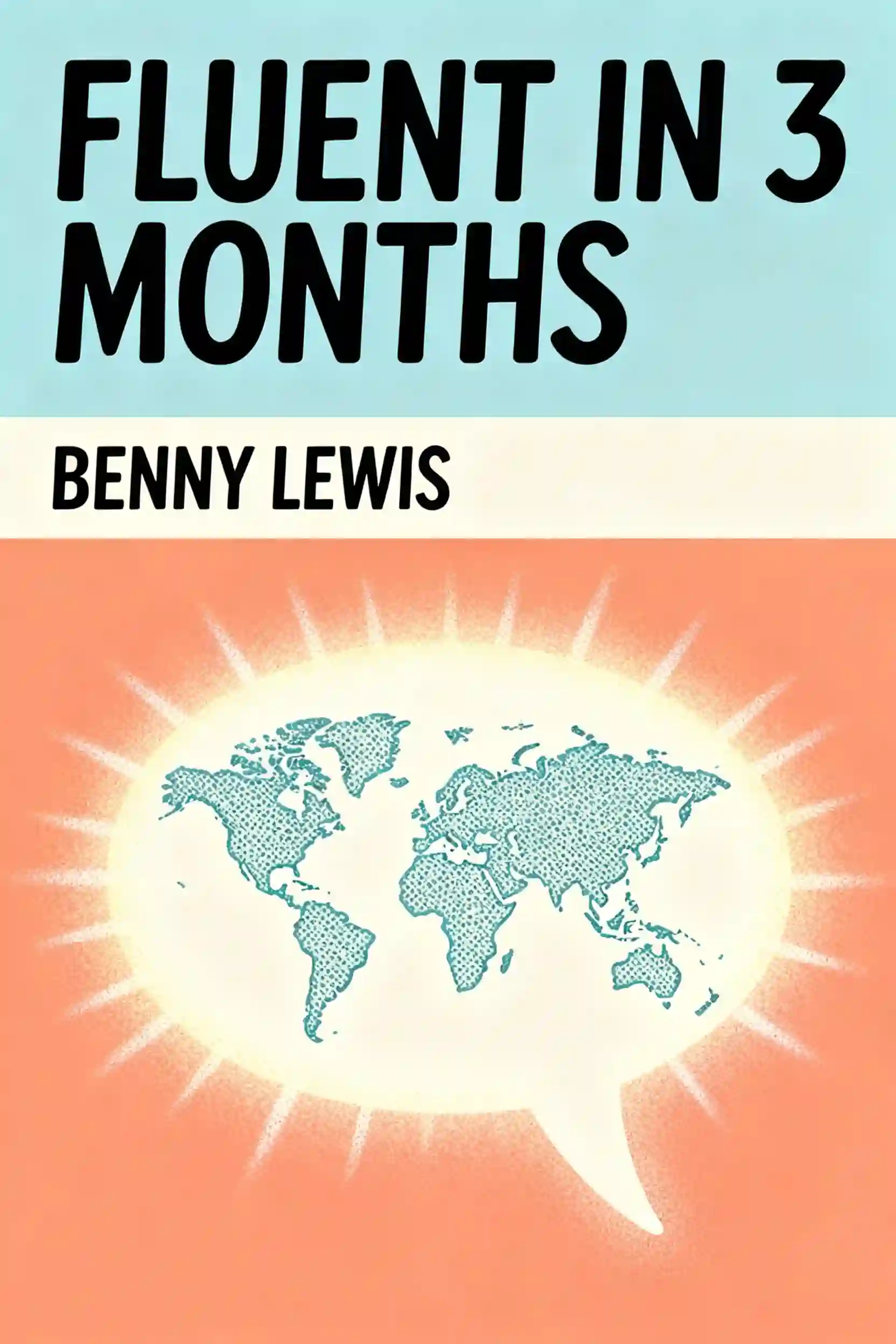
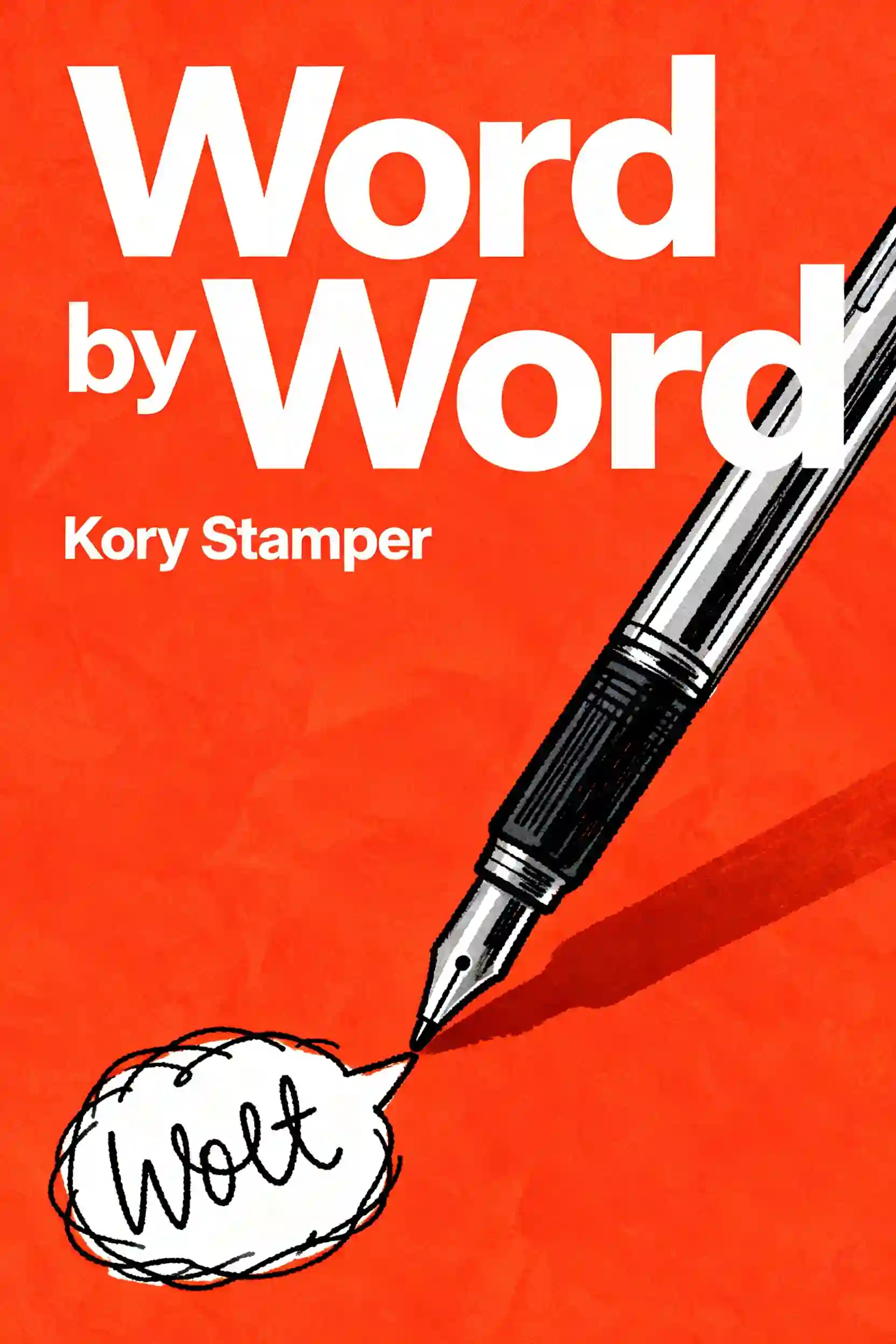

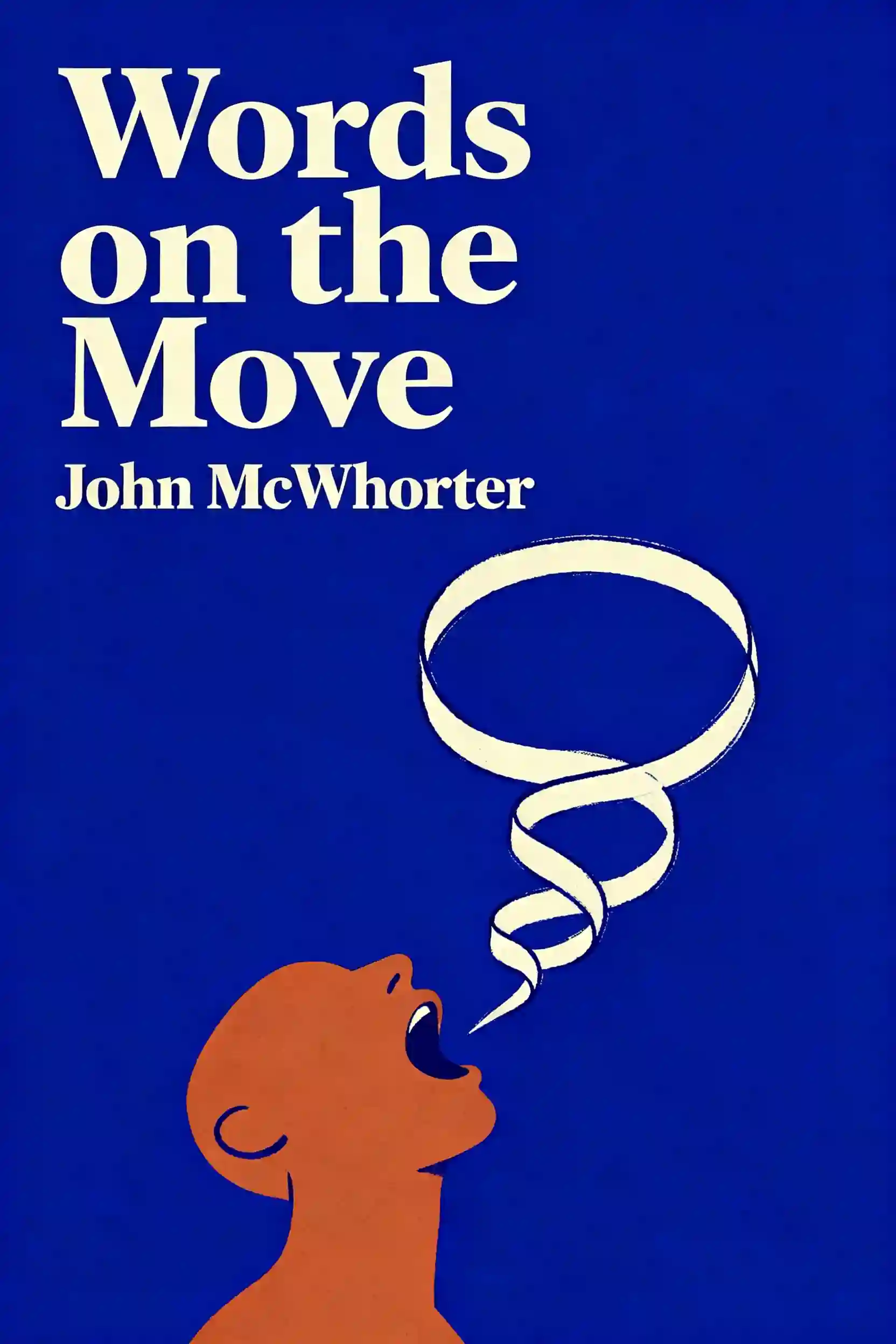
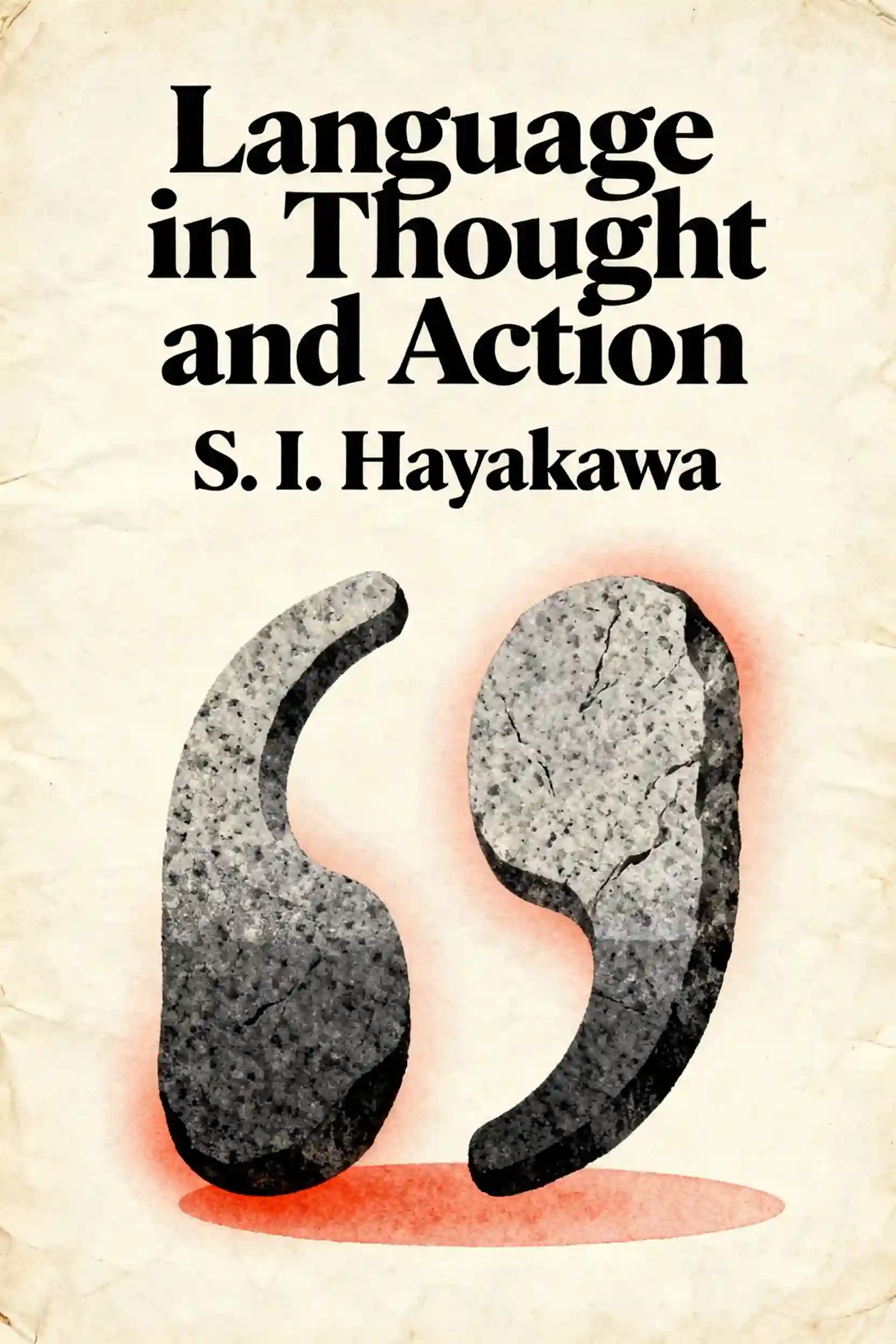
![MAKE IT STICK , BROWN, PETER C. [Hardcover] HARVARD UNIVERSITY PRESS](https://d1y2du6z1jfm9e.cloudfront.net/covers/a3c49b6b-abd7-4c1b-afb2-09b323ee76c0/image_resized.webp)
Frequently Asked Questions
Brute force memorization, such as staring at long lists of random words, fails because it relies on shallow recognition rather than actual mastery. This method fights against human biology by treating information as isolated data points. According to the depth of processing hypothesis, the brain retains information best when it is actively engaged and connected to existing "root systems" or neural pathways. Without creating these meaningful connections or "digging a hole" for the seed of a new word, the information is quickly lost to the forgetting curve.
SRS is a timing-based learning method that uses an algorithm to prompt the recall of a word exactly when a learner is most likely to forget it. By interrupting the "forgetting curve" at specific intervals—such as one day, then four days, then two weeks later—the system strengthens neural pathways and moves information from short-term memory to long-term storage. This approach is more efficient than traditional study because it focuses mental energy on "leaky" memories rather than wasting time on words the learner already knows perfectly.
Etymology serves as a "universal key" because a vast majority of English words are derived from Latin and Greek roots. By mastering common prefixes, suffixes, and roots, learners can decode the underlying logic of unfamiliar words rather than memorizing them as random strings of letters. For example, knowing that the root "gen" means "to be born" helps a learner understand the connection between "generate," "generous," and "genius." This systematic approach allows for exponential vocabulary growth by unlocking entire families of related words.
Receptive vocabulary refers to the words a person can understand when reading or listening, while productive vocabulary consists of the words they can actually use correctly when speaking or writing. Receptive vocabulary typically grows one and a half times faster than productive vocabulary, often leading to a gap where a person feels they are using "baby talk" despite understanding complex texts. Bridging this gap requires active retrieval, such as using target words in social conversations or through "reverse translation" exercises, which encode the words through sound and real-time pressure.
To make words stick, learners should move beyond simple definitions and use "multi-sensory" hooks. This includes the Keyword Method, where a learner creates a bizarre visual image based on a "sound-alike" word, or the Memory Palace technique, which involves mentally placing words in a familiar physical location. Additionally, learning words in "lexical chunks" (common phrases) and creating personalized example sentences tied to sensory memories or personal hobbies helps the brain tag the information as important and relevant rather than random data.
Discover more

Master Public Speaking & Vocabulary Skills
Master Public Speaking & Vocabulary Skills
This plan is essential for professionals looking to command authority and communicate with impact. It is ideal for aspiring leaders and executives who want to combine linguistic precision with powerful storytelling to drive results.
Master eloquence & style
Master eloquence & style
This learning plan is essential for anyone who wants to wield language as a powerful tool for influence and expression. Whether you're a professional communicator, leader, writer, or public speaker, mastering eloquence and style will elevate your ability to persuade, inspire, and leave lasting impressions. These timeless skills translate across all domains where clear, compelling communication drives success.

Mindful speech & rich vocab
Mindful speech & rich vocab
Effective communication is the cornerstone of leadership, relationships, and personal influence, yet most people never receive formal training in the art of mindful speech and vocabulary mastery. This learning plan is ideal for professionals, leaders, writers, educators, and anyone seeking to transform how they express themselves and connect with others through the strategic use of language.

Master Reading, Writing & Pronunciation
Master Reading, Writing & Pronunciation
Effective communication is the cornerstone of professional and personal success, yet few master the synergy between reading, writing, and speaking. This plan is designed for individuals looking to refine their presence and clarity, from foundational literacy to advanced vocal command.

Become more productive, more eloquent
Become more productive, more eloquent
In today’s competitive landscape, the ability to manage your time effectively while articulating ideas persuasively is the ultimate power move. This plan is designed for professionals and aspiring leaders who need to bridge the gap between high-output productivity and elite-level communication.
i want to improve my memory and way of speaking to make my words more noticeable and bold
i want to improve my memory and way of speaking to make my words more noticeable and bold
Strong memory and bold communication are foundational skills that enhance professional credibility, social influence, and personal confidence. This learning plan helps anyone who wants to be more memorable in their interactions, whether they're giving presentations, leading meetings, or engaging in everyday conversations.
Expand English word knowledge
Expand English word knowledge
A rich vocabulary is the foundation of effective communication, critical thinking, and professional success. This learning plan is ideal for students, professionals, writers, and lifelong learners who want to express themselves more clearly, understand complex texts, and unlock the full power of language in both personal and professional contexts.

Be organized and improve English vocabulary
Be organized and improve English vocabulary
This plan is designed for professionals and students who struggle with clutter and limited expression. It bridges the gap between structural efficiency and linguistic eloquence, making it ideal for anyone looking to boost their productivity and communication impact simultaneously.
From Columbia University alumni built in San Francisco
"Instead of endless scrolling, I just hit play on BeFreed. It saves me so much time."


"I never knew where to start with nonfiction—BeFreed’s book lists turned into podcasts gave me a clear path."


"Perfect balance between learning and entertainment. Finished ‘Thinking, Fast and Slow’ on my commute this week."
"Crazy how much I learned while walking the dog. BeFreed = small habits → big gains."
"Reading used to feel like a chore. Now it’s just part of my lifestyle."

"Feels effortless compared to reading. I’ve finished 6 books this month already."
"BeFreed turned my guilty doomscrolling into something that feels productive and inspiring."

"BeFreed turned my commute into learning time. 20-min podcasts are perfect for finishing books I never had time for."
"BeFreed replaced my podcast queue. Imagine Spotify for books — that’s it. 🙌"

"It is great for me to learn something from the book without reading it."
"The themed book list podcasts help me connect ideas across authors—like a guided audio journey."
"Makes me feel smarter every time before going to work"
From Columbia University alumni built in San Francisco
"Instead of endless scrolling, I just hit play on BeFreed. It saves me so much time."
"I never knew where to start with nonfiction—BeFreed’s book lists turned into podcasts gave me a clear path."
"Perfect balance between learning and entertainment. Finished ‘Thinking, Fast and Slow’ on my commute this week."
"Crazy how much I learned while walking the dog. BeFreed = small habits → big gains."
"Reading used to feel like a chore. Now it’s just part of my lifestyle."
"Feels effortless compared to reading. I’ve finished 6 books this month already."
"BeFreed turned my guilty doomscrolling into something that feels productive and inspiring."
"BeFreed turned my commute into learning time. 20-min podcasts are perfect for finishing books I never had time for."
"BeFreed replaced my podcast queue. Imagine Spotify for books — that’s it. 🙌"
"It is great for me to learn something from the book without reading it."
"The themed book list podcasts help me connect ideas across authors—like a guided audio journey."
"Makes me feel smarter every time before going to work"
"Instead of endless scrolling, I just hit play on BeFreed. It saves me so much time."
"I never knew where to start with nonfiction—BeFreed’s book lists turned into podcasts gave me a clear path."
"Perfect balance between learning and entertainment. Finished ‘Thinking, Fast and Slow’ on my commute this week."
"Crazy how much I learned while walking the dog. BeFreed = small habits → big gains."
"Reading used to feel like a chore. Now it’s just part of my lifestyle."
"Feels effortless compared to reading. I’ve finished 6 books this month already."
"BeFreed turned my guilty doomscrolling into something that feels productive and inspiring."
"BeFreed turned my commute into learning time. 20-min podcasts are perfect for finishing books I never had time for."
"BeFreed replaced my podcast queue. Imagine Spotify for books — that’s it. 🙌"
"It is great for me to learn something from the book without reading it."
"The themed book list podcasts help me connect ideas across authors—like a guided audio journey."
"Makes me feel smarter every time before going to work"
"Instead of endless scrolling, I just hit play on BeFreed. It saves me so much time."
"I never knew where to start with nonfiction—BeFreed’s book lists turned into podcasts gave me a clear path."
"Perfect balance between learning and entertainment. Finished ‘Thinking, Fast and Slow’ on my commute this week."
"Crazy how much I learned while walking the dog. BeFreed = small habits → big gains."
"Reading used to feel like a chore. Now it’s just part of my lifestyle."
"Feels effortless compared to reading. I’ve finished 6 books this month already."
"BeFreed turned my guilty doomscrolling into something that feels productive and inspiring."
"BeFreed turned my commute into learning time. 20-min podcasts are perfect for finishing books I never had time for."
"BeFreed replaced my podcast queue. Imagine Spotify for books — that’s it. 🙌"
"It is great for me to learn something from the book without reading it."
"The themed book list podcasts help me connect ideas across authors—like a guided audio journey."
"Makes me feel smarter every time before going to work"


