
Improve your vocabulary to sound like an authority
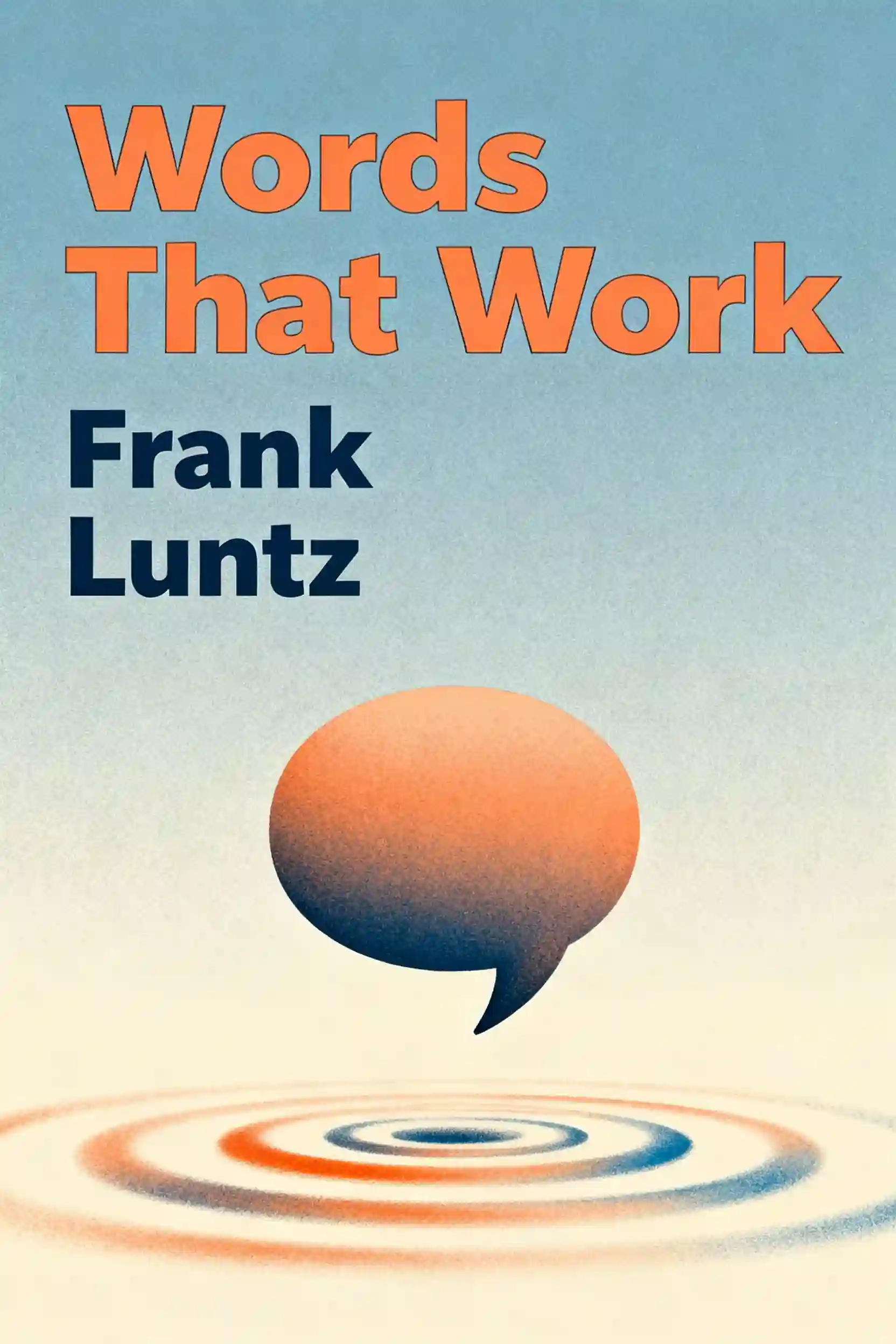
Using big words can backfire if you lack precision. Learn how to use over 120 high-impact words naturally to build credibility and speak with clarity.

Best quote from Improve your vocabulary to sound like an authority
The gap between a good professional and an exceptional one often comes down to vocabulary precision. It’s not just about sounding smart; it’s about using the exact right tool for the job.

This audio lesson was created by a BeFreed community member
I want to improve my social vocabulary. I want to use big words when I speak to people and in conversation helped me improve my vocabulary so I can appear more of an authority and understand the definitions clearly of what I’m saying. I want to become a better speaker.


Frequently Asked Questions
The distinction lies in the intent and the level of precision provided. Authority comes from using specific words to provide clarity or to diagnose a complex situation more accurately, such as using "pernicious" to describe a subtle, gradual harm. Pretension occurs when someone uses "big words" simply to outrank others or make them feel smaller. To avoid sounding pompous, speakers should ensure the word adds a specific nuance that a simpler word lacks and should avoid "jargon overload" by not cramming too many complex terms into a single sentence.
The most effective way to adopt a more sophisticated vocabulary is through immersion and "muscle memory." Listeners are encouraged to read high-level professional publications to observe the "linguistic architecture" used by experts. To make these words feel natural, one should start by using them in low-stakes environments, such as texting a friend, before moving into professional meetings. Another useful technique is the "Trump Principle," where a speaker attributes a complex word to someone else or a "fancy" persona to quarantine the pretension while still demonstrating their own knowledge of the term.
Precise vocabulary functions as a professional shorthand that signals deep, strategic thinking and executive presence. Using specific terms like "galvanize" instead of "motivate" or "orchestrate" instead of "work with" shifts the power dynamic, framing the speaker as a leader driving a movement rather than just a manager coordinating tasks. This "signal recognition" proves to those at the top that a professional is thinking at an executive level, helping to build "career capital" and opening doors for economic mobility and promotion.
A major pitfall is the incorrect use of words that are frequently misunderstood, such as "peruse" and "bemused." Using "peruse" to mean "skim" when it actually means to "examine carefully" can be an instant credibility killer. Additionally, overusing corporate clichés like "synergy" or "low-hanging fruit" can become "verbal static" that signals a lack of original thought. Finally, failing to "code-switch" or modulate your register for your audience can make you appear out of touch; true authority involves being able to explain complex concepts simply when the situation requires it.
Discover more

Improve articulation and expand vocabulary
Improve articulation and expand vocabulary
Effective communication is the cornerstone of professional influence and personal connection. This plan is designed for individuals looking to eliminate vocal fillers, sharpen their speech clarity, and master the art of persuasive storytelling.

Master Public Speaking & Vocabulary Skills
Master Public Speaking & Vocabulary Skills
This plan is essential for professionals looking to command authority and communicate with impact. It is ideal for aspiring leaders and executives who want to combine linguistic precision with powerful storytelling to drive results.

I want to sound more articulate when I speak
I want to sound more articulate when I speak
In today’s professional landscape, the ability to communicate with precision and authority is a primary driver of career growth. This plan is ideal for professionals and aspiring leaders who want to bridge the gap between their ideas and their verbal delivery.

Mindful speech & rich vocab
Mindful speech & rich vocab
Effective communication is the cornerstone of leadership, relationships, and personal influence, yet most people never receive formal training in the art of mindful speech and vocabulary mastery. This learning plan is ideal for professionals, leaders, writers, educators, and anyone seeking to transform how they express themselves and connect with others through the strategic use of language.
Speak with eloquence & poise
Speak with eloquence & poise
In a world where communication skills directly impact career advancement and personal influence, mastering eloquent speaking is essential. This learning plan helps professionals who want to move beyond basic communication to develop true speaking prowess that commands attention and respect.

speak clearly and people understand
speak clearly and people understand
Effective communication is the cornerstone of professional success and personal influence. This plan is designed for anyone looking to overcome vocal hesitation, organize their ideas quickly, and command attention in any speaking environment.
i want to improve my memory and way of speaking to make my words more noticeable and bold
i want to improve my memory and way of speaking to make my words more noticeable and bold
Strong memory and bold communication are foundational skills that enhance professional credibility, social influence, and personal confidence. This learning plan helps anyone who wants to be more memorable in their interactions, whether they're giving presentations, leading meetings, or engaging in everyday conversations.
Improve my speech patterns
Improve my speech patterns
Clear, confident speech is one of the most valuable skills for career advancement, relationship building, and personal influence. This comprehensive learning plan benefits professionals seeking leadership roles, entrepreneurs pitching ideas, anyone struggling with social anxiety in conversations, and individuals who want to command respect and attention when they speak.
From Columbia University alumni built in San Francisco
"Instead of endless scrolling, I just hit play on BeFreed. It saves me so much time."


"I never knew where to start with nonfiction—BeFreed’s book lists turned into podcasts gave me a clear path."


"Perfect balance between learning and entertainment. Finished ‘Thinking, Fast and Slow’ on my commute this week."
"Crazy how much I learned while walking the dog. BeFreed = small habits → big gains."
"Reading used to feel like a chore. Now it’s just part of my lifestyle."

"Feels effortless compared to reading. I’ve finished 6 books this month already."
"BeFreed turned my guilty doomscrolling into something that feels productive and inspiring."

"BeFreed turned my commute into learning time. 20-min podcasts are perfect for finishing books I never had time for."
"BeFreed replaced my podcast queue. Imagine Spotify for books — that’s it. 🙌"

"It is great for me to learn something from the book without reading it."
"The themed book list podcasts help me connect ideas across authors—like a guided audio journey."
"Makes me feel smarter every time before going to work"
From Columbia University alumni built in San Francisco
"Instead of endless scrolling, I just hit play on BeFreed. It saves me so much time."
"I never knew where to start with nonfiction—BeFreed’s book lists turned into podcasts gave me a clear path."
"Perfect balance between learning and entertainment. Finished ‘Thinking, Fast and Slow’ on my commute this week."
"Crazy how much I learned while walking the dog. BeFreed = small habits → big gains."
"Reading used to feel like a chore. Now it’s just part of my lifestyle."
"Feels effortless compared to reading. I’ve finished 6 books this month already."
"BeFreed turned my guilty doomscrolling into something that feels productive and inspiring."
"BeFreed turned my commute into learning time. 20-min podcasts are perfect for finishing books I never had time for."
"BeFreed replaced my podcast queue. Imagine Spotify for books — that’s it. 🙌"
"It is great for me to learn something from the book without reading it."
"The themed book list podcasts help me connect ideas across authors—like a guided audio journey."
"Makes me feel smarter every time before going to work"
"Instead of endless scrolling, I just hit play on BeFreed. It saves me so much time."
"I never knew where to start with nonfiction—BeFreed’s book lists turned into podcasts gave me a clear path."
"Perfect balance between learning and entertainment. Finished ‘Thinking, Fast and Slow’ on my commute this week."
"Crazy how much I learned while walking the dog. BeFreed = small habits → big gains."
"Reading used to feel like a chore. Now it’s just part of my lifestyle."
"Feels effortless compared to reading. I’ve finished 6 books this month already."
"BeFreed turned my guilty doomscrolling into something that feels productive and inspiring."
"BeFreed turned my commute into learning time. 20-min podcasts are perfect for finishing books I never had time for."
"BeFreed replaced my podcast queue. Imagine Spotify for books — that’s it. 🙌"
"It is great for me to learn something from the book without reading it."
"The themed book list podcasts help me connect ideas across authors—like a guided audio journey."
"Makes me feel smarter every time before going to work"
"Instead of endless scrolling, I just hit play on BeFreed. It saves me so much time."
"I never knew where to start with nonfiction—BeFreed’s book lists turned into podcasts gave me a clear path."
"Perfect balance between learning and entertainment. Finished ‘Thinking, Fast and Slow’ on my commute this week."
"Crazy how much I learned while walking the dog. BeFreed = small habits → big gains."
"Reading used to feel like a chore. Now it’s just part of my lifestyle."
"Feels effortless compared to reading. I’ve finished 6 books this month already."
"BeFreed turned my guilty doomscrolling into something that feels productive and inspiring."
"BeFreed turned my commute into learning time. 20-min podcasts are perfect for finishing books I never had time for."
"BeFreed replaced my podcast queue. Imagine Spotify for books — that’s it. 🙌"
"It is great for me to learn something from the book without reading it."
"The themed book list podcasts help me connect ideas across authors—like a guided audio journey."
"Makes me feel smarter every time before going to work"


