

Best quote from La dimension politique de la guerre : de Clausewitz au chaos
La guerre est la continuation de la politique par d'autres moyens. Même si aujourd'hui elle se joue avec des cyberattaques ou de la désinformation, le fond reste le même : on se bat pour le pouvoir.

This audio lesson was created by a BeFreed community member
axe un programme d'AG GSP de terminale sur la guerre et la paix, la dimension politique de la guerre conflit interétatique aux enjeux transnationaux

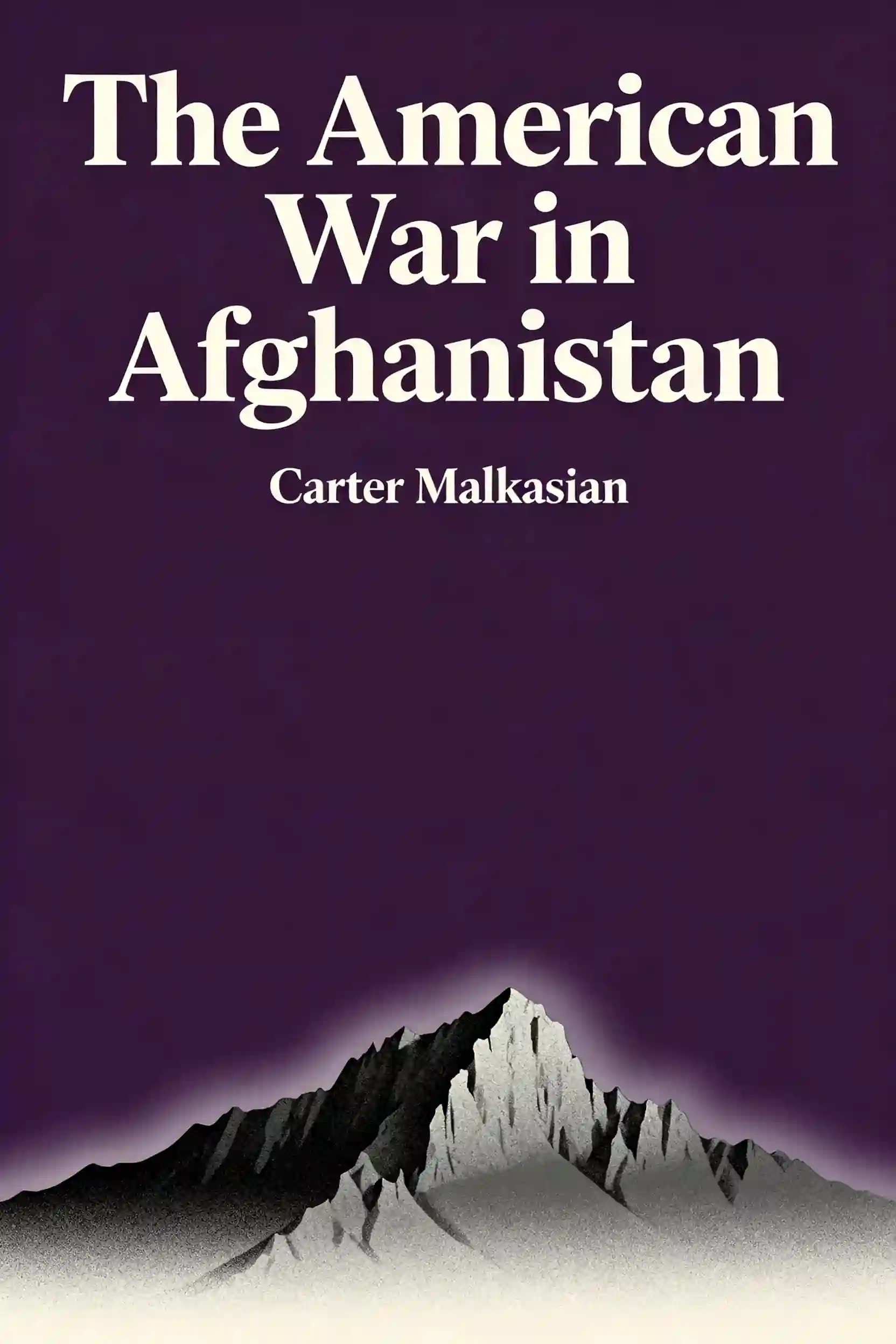
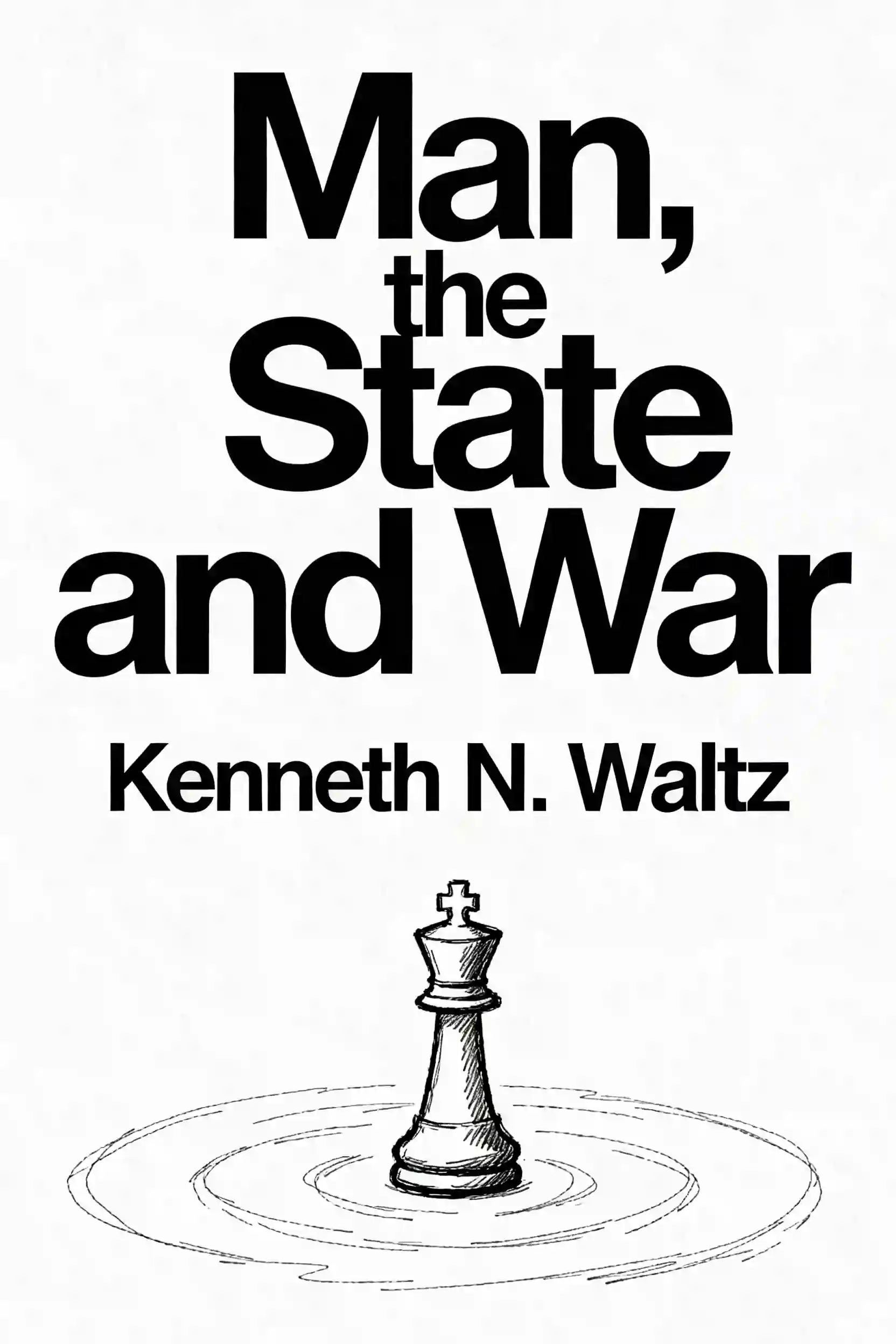
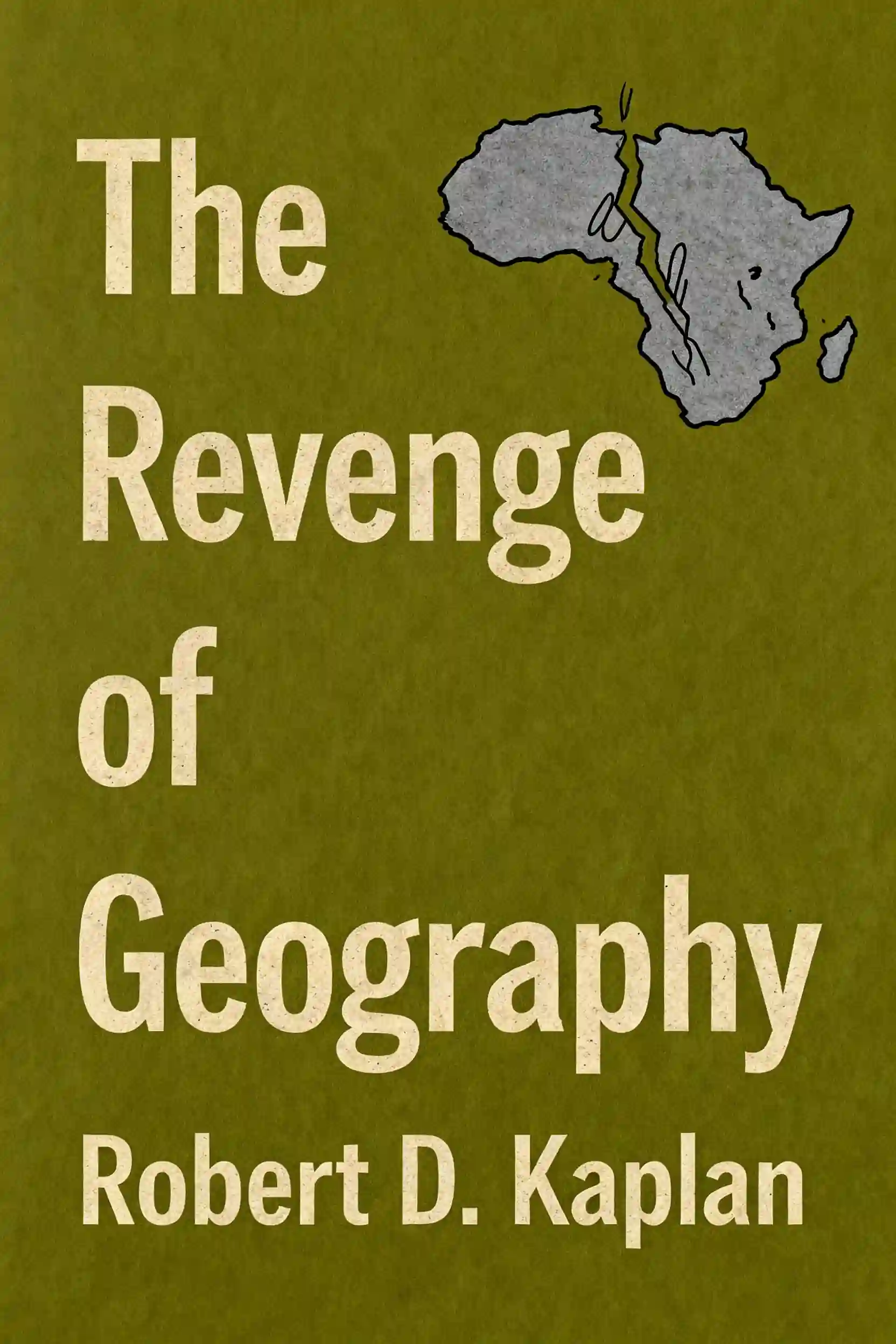
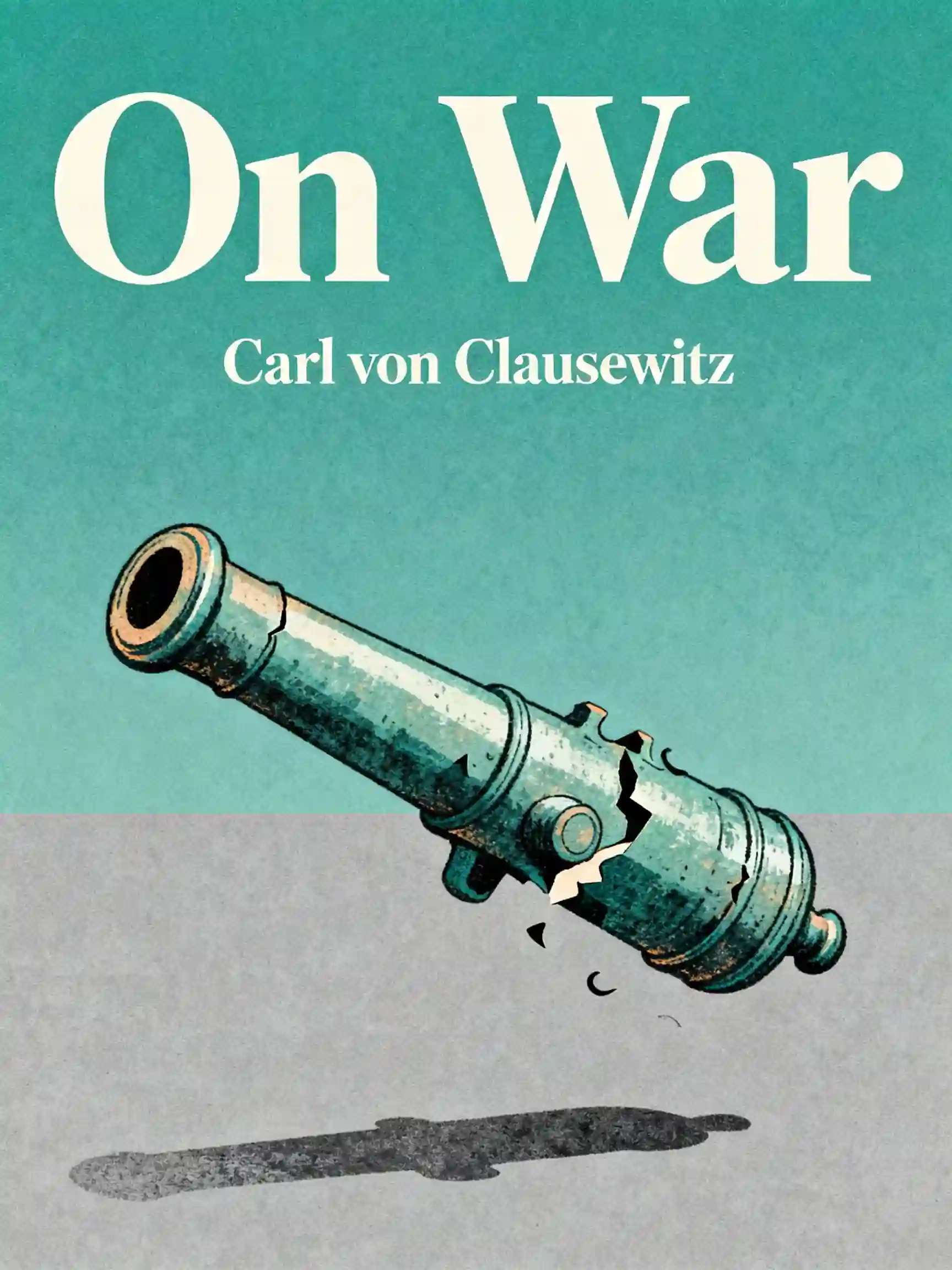
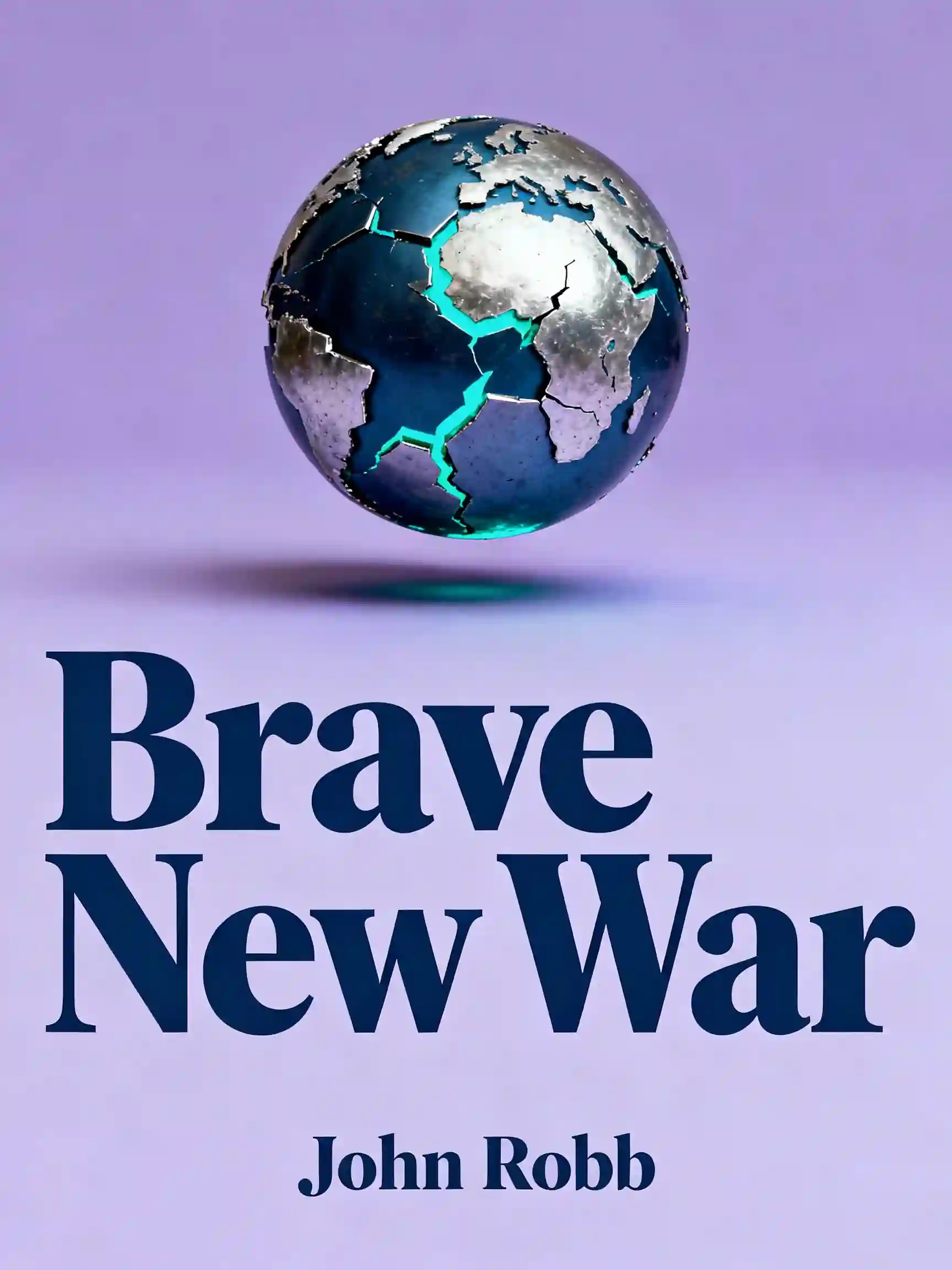
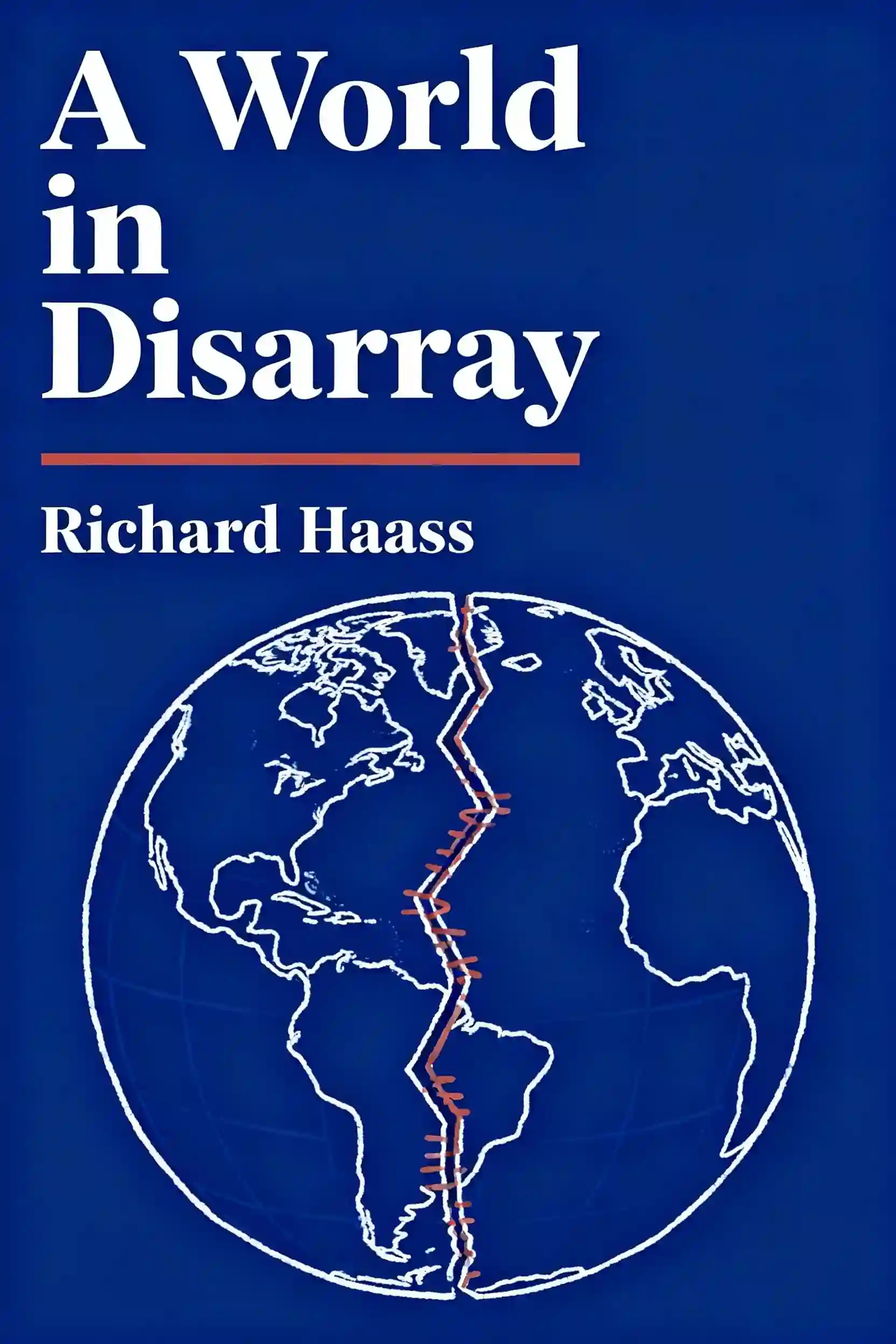
Frequently Asked Questions
In his 1832 treatise On War, Carl von Clausewitz distinguishes between these two concepts to explain how conflict functions in practice. Absolute war is a theoretical ideal representing total, limitless violence aimed at the complete destruction of the enemy. In contrast, real war is the version we see in the physical world, which is always constrained by external factors such as political objectives, moral considerations, resources, and chance.
The Clausewitzian trinity consists of three pillars: the reason of the State, the talent and chance of the Army, and the passion of the People. In the modern era, this balance is heavily influenced by technology. For example, the "passion of the people" is now amplified by social media and the 24-hour news cycle, where viral information or disinformation can saturate the public mind and force the hands of political leaders.
Negative peace refers simply to the absence of active fighting or the "silence of arms," such as a ceasefire where the underlying causes of the conflict remain unresolved. Positive peace is a more durable state that addresses the root causes of violence, such as inequality or ethnic hatred. It often involves "transitional justice," which includes reconciliation efforts and the rebuilding of institutions to ensure long-term stability.
Asymmetric warfare occurs when a "weaker" actor uses unconventional tactics—like guerrilla warfare, terrorism, or cyberattacks—to bypass the military strength of a "stronger" state. Hybrid wars blur the lines between traditional combat and other forms of pressure, such as economic sabotage, the use of "proxies" (interposed groups like militias), and cognitive warfare, which uses disinformation and AI-generated content to manipulate public perception and destabilize the enemy's mind.
The Middle East exemplifies the transition from classic inter-state wars to complex, internationalized hybrid conflicts. It features a mix of regular armies, non-state actors like Daech (ISIS), and foreign powers acting through proxies to maintain "plausible deniability." The region also highlights the link between local geography and global economy, as seen when tensions in maritime straits like Hormuz immediately impact global energy prices and trade.
Discover more

géopolitique
géopolitique
Ce parcours est essentiel pour décrypter les dynamiques de pouvoir qui régissent notre monde instable. Il s'adresse aux étudiants, professionnels ou passionnés souhaitant comprendre les rivalités stratégiques et technologiques actuelles.

World wars
World wars
This learning plan provides essential context for understanding modern geopolitics, international institutions, and the dangers of nationalism and extremism. It's ideal for anyone seeking to comprehend how the 20th century's conflicts shaped current global power structures, human rights frameworks, and collective approaches to preventing large-scale warfare.

War
War
This learning plan provides a comprehensive look at the evolution of conflict, from ancient strategy to modern technological warfare. It is essential for history enthusiasts, political science students, and anyone seeking to understand the profound psychological and societal impacts of global combat.

Géopolitique des USA : de 1776 à nos jours
Géopolitique des USA : de 1776 à nos jours
Cette formation est essentielle pour comprendre comment les États-Unis ont façonné l'équilibre mondial moderne. Elle s'adresse aux étudiants en sciences politiques, aux passionnés d'histoire et aux professionnels souhaitant décrypter les enjeux géopolitiques contemporains.

Master Global Politics & Universal Law
Master Global Politics & Universal Law
This plan provides a comprehensive roadmap for understanding the forces that dictate global stability and legal accountability. It is essential for aspiring diplomats, legal professionals, and policy analysts looking to master the intersection of power and justice.
Mastering Human Behavior & Global Systems
Mastering Human Behavior & Global Systems
In an increasingly interconnected world, understanding the link between individual psychology and global geopolitics is essential for strategic leadership. This plan is designed for professionals, analysts, and lifelong learners who want to decode the invisible forces that govern both human choice and international systems.
Speaking skills and ww2 history
Speaking skills and ww2 history
This interdisciplinary plan bridges the gap between historical analysis and professional development by extracting leadership lessons from the 20th century's greatest conflict. It is ideal for aspiring leaders and history enthusiasts who want to master high-stakes communication through the lens of wartime strategy.
World history and geopolitics
World history and geopolitics
This learning plan equips you with the historical depth and geopolitical literacy to make sense of today's complex world. Perfect for professionals in policy, business, or journalism, as well as curious citizens who want to move beyond headlines to understand the deep forces shaping international relations, conflicts, and opportunities in our interconnected age.
From Columbia University alumni built in San Francisco
"Instead of endless scrolling, I just hit play on BeFreed. It saves me so much time."


"I never knew where to start with nonfiction—BeFreed’s book lists turned into podcasts gave me a clear path."


"Perfect balance between learning and entertainment. Finished ‘Thinking, Fast and Slow’ on my commute this week."
"Crazy how much I learned while walking the dog. BeFreed = small habits → big gains."
"Reading used to feel like a chore. Now it’s just part of my lifestyle."

"Feels effortless compared to reading. I’ve finished 6 books this month already."
"BeFreed turned my guilty doomscrolling into something that feels productive and inspiring."

"BeFreed turned my commute into learning time. 20-min podcasts are perfect for finishing books I never had time for."
"BeFreed replaced my podcast queue. Imagine Spotify for books — that’s it. 🙌"

"It is great for me to learn something from the book without reading it."
"The themed book list podcasts help me connect ideas across authors—like a guided audio journey."
"Makes me feel smarter every time before going to work"
From Columbia University alumni built in San Francisco
"Instead of endless scrolling, I just hit play on BeFreed. It saves me so much time."
"I never knew where to start with nonfiction—BeFreed’s book lists turned into podcasts gave me a clear path."
"Perfect balance between learning and entertainment. Finished ‘Thinking, Fast and Slow’ on my commute this week."
"Crazy how much I learned while walking the dog. BeFreed = small habits → big gains."
"Reading used to feel like a chore. Now it’s just part of my lifestyle."
"Feels effortless compared to reading. I’ve finished 6 books this month already."
"BeFreed turned my guilty doomscrolling into something that feels productive and inspiring."
"BeFreed turned my commute into learning time. 20-min podcasts are perfect for finishing books I never had time for."
"BeFreed replaced my podcast queue. Imagine Spotify for books — that’s it. 🙌"
"It is great for me to learn something from the book without reading it."
"The themed book list podcasts help me connect ideas across authors—like a guided audio journey."
"Makes me feel smarter every time before going to work"
"Instead of endless scrolling, I just hit play on BeFreed. It saves me so much time."
"I never knew where to start with nonfiction—BeFreed’s book lists turned into podcasts gave me a clear path."
"Perfect balance between learning and entertainment. Finished ‘Thinking, Fast and Slow’ on my commute this week."
"Crazy how much I learned while walking the dog. BeFreed = small habits → big gains."
"Reading used to feel like a chore. Now it’s just part of my lifestyle."
"Feels effortless compared to reading. I’ve finished 6 books this month already."
"BeFreed turned my guilty doomscrolling into something that feels productive and inspiring."
"BeFreed turned my commute into learning time. 20-min podcasts are perfect for finishing books I never had time for."
"BeFreed replaced my podcast queue. Imagine Spotify for books — that’s it. 🙌"
"It is great for me to learn something from the book without reading it."
"The themed book list podcasts help me connect ideas across authors—like a guided audio journey."
"Makes me feel smarter every time before going to work"
"Instead of endless scrolling, I just hit play on BeFreed. It saves me so much time."
"I never knew where to start with nonfiction—BeFreed’s book lists turned into podcasts gave me a clear path."
"Perfect balance between learning and entertainment. Finished ‘Thinking, Fast and Slow’ on my commute this week."
"Crazy how much I learned while walking the dog. BeFreed = small habits → big gains."
"Reading used to feel like a chore. Now it’s just part of my lifestyle."
"Feels effortless compared to reading. I’ve finished 6 books this month already."
"BeFreed turned my guilty doomscrolling into something that feels productive and inspiring."
"BeFreed turned my commute into learning time. 20-min podcasts are perfect for finishing books I never had time for."
"BeFreed replaced my podcast queue. Imagine Spotify for books — that’s it. 🙌"
"It is great for me to learn something from the book without reading it."
"The themed book list podcasts help me connect ideas across authors—like a guided audio journey."
"Makes me feel smarter every time before going to work"


