
Justice nazie : faut-il encore juger les derniers criminels ?
Face au poids de l'histoire, Lena et Miles explorent le dilemme de l'imprescriptibilité : la justice doit-elle primer sur l'âge des accusés ?

Best quote from Justice nazie : faut-il encore juger les derniers criminels ?
L'idée derrière l'imprescriptibilité, c'est que certains crimes sont si monstrueux qu'ils déchairent le temps. On considère que le préjudice ne s'éteint jamais et que l'oubli serait une insulte aux victimes.

This audio lesson was created by a BeFreed community member
Is it right to condemn people now for crimes committed decades ago as part of Nazi crimes?


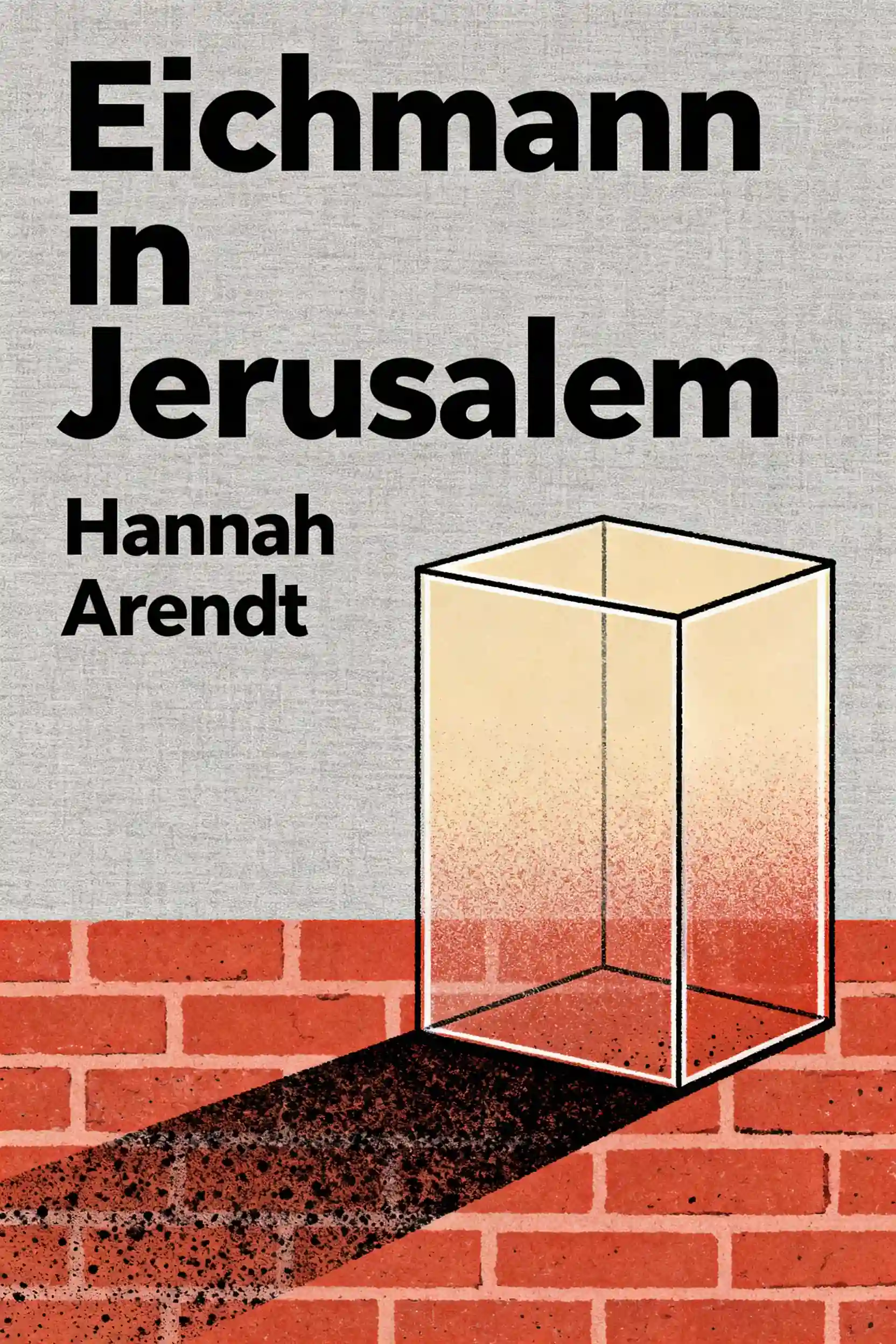
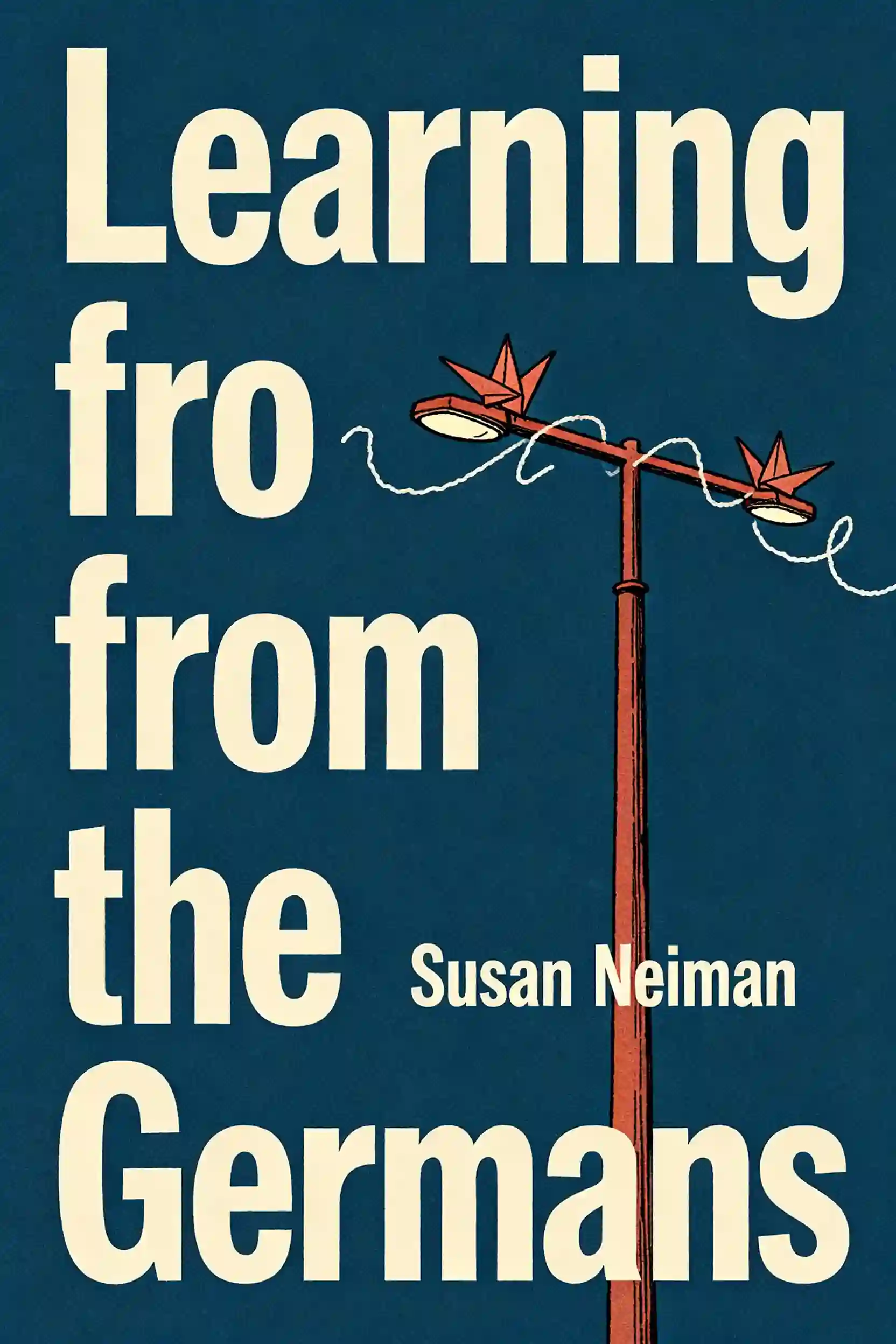
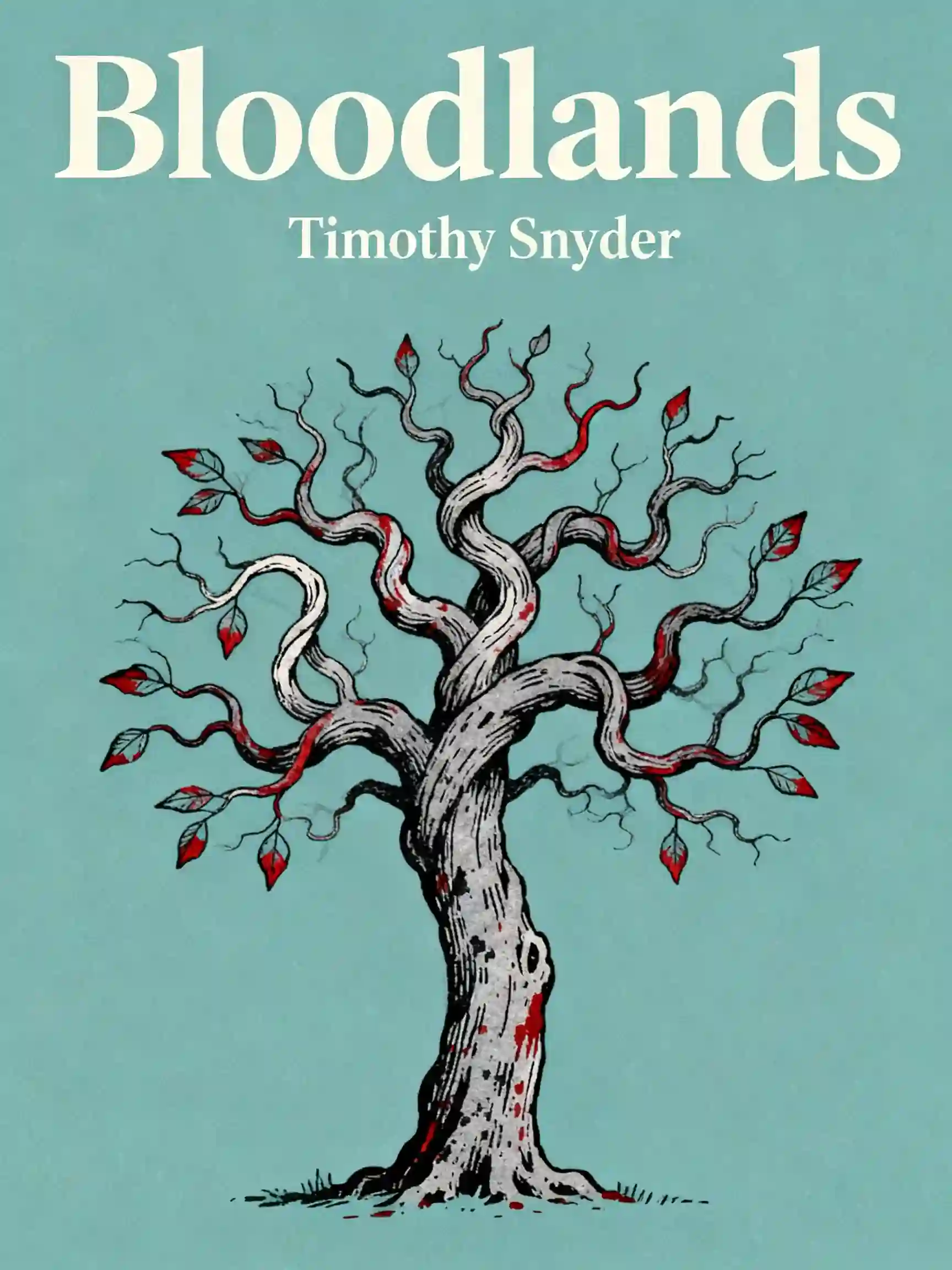
Frequently Asked Questions
Imprescriptibility is a legal concept meaning that certain crimes are so grave that they never expire, regardless of how much time has passed. This principle was rooted in the Nuremberg trials, which established that crimes against humanity—such as systematic extermination or enslavement—affect all of humanity rather than just one nation. Because these acts "tear through time," the justice system decided they cannot "expire," allowing prosecutors to pursue suspects even eight decades later.
Historically, prosecutors had to prove that a guard personally committed a specific act of murder to secure a conviction. However, a significant shift occurred with the 2011 conviction of John Demjanjuk. Since then, German jurisprudence has adopted a "systemic responsibility" approach, where simply working as part of the "death machine" (such as being a camp guard or secretary) is sufficient for a conviction of complicity in murder, even without proof of a direct individual killing.
Under standard criminal procedure, such as Article 6 of the French Code of Criminal Procedure, the public action is extinguished upon the death of the defendant. This means the person remains officially innocent because a final judgment was never rendered. While some activists propose continuing trials after death to establish a "truth verdict" for history, legal experts like Robert Badinter have argued against this, maintaining that justice must be a dialogue with the accused and not a "theater of shadows."
These late-stage trials are often more about symbolic reparation and collective memory than physical punishment. For victims and their descendants, a "guilty" verdict serves as a formal societal recognition of the crimes committed. Additionally, pursuing these cases sends a modern message of "non-repetition" to current world leaders, demonstrating that international law has a "memory like an elephant" and that perpetrators of atrocities will never be truly safe from discovery, regardless of how long they hide.
As living witnesses pass away and memories fade, the justice system relies heavily on "judicial archaeology" through archives. Prosecutors meticulously examine service registers, prisoner lists, and historical reports from the era to reconstruct the defendant's role. While the passage of time makes establishing "truth beyond a reasonable doubt" more difficult, these documents allow the court to establish a narrative truth that anchors the crimes in historical fact.
Discover more

Résumé partie 1 "L'œuvre au noir" dès Munster
Résumé partie 1 "L'œuvre au noir" dès Munster
Cette étude approfondie de L'Œuvre au Noir de Marguerite Yourcenar offre une immersion dans un roman historique majeur du XXe siècle, explorant les thèmes de la liberté intellectuelle et spirituelle. Idéal pour les étudiants en littérature française et les passionnés de romans historiques qui souhaitent décrypter les multiples dimensions de cette œuvre complexe.

Analyse de "L'Œuvre au noir" de Yourcenar
Analyse de "L'Œuvre au noir" de Yourcenar
Cette analyse approfondie de "L'Œuvre au noir" s'adresse aux passionnés de littérature française et aux étudiants souhaitant explorer l'un des chefs-d'œuvre de Marguerite Yourcenar. Le parcours offre des clés de lecture essentielles pour comprendre cette œuvre complexe qui mêle histoire de la Renaissance, philosophie et symbolisme alchimique.

À prendre le droit
À prendre le droit
Ce parcours est essentiel pour quiconque souhaite comprendre les rouages du système juridique et ses droits fondamentaux. Il s'adresse aussi bien aux étudiants qu'aux citoyens curieux désirant naviguer avec assurance dans l'environnement légal contemporain.

Résume tout le livre de l’œuvre au noir stp
Résume tout le livre de l’œuvre au noir stp
L'Œuvre au Noir est un chef-d'œuvre de la littérature française qui explore les thèmes de la liberté intellectuelle et de la quête de connaissance à travers le destin d'un médecin-philosophe du XVIe siècle. Ce parcours d'apprentissage est idéal pour les étudiants en littérature, les amateurs de romans historiques et toute personne intéressée par l'analyse approfondie d'une œuvre littéraire majeure.

O. J. Simpson
Dive into O. J. Simpson's controversial memoirs and trial accounts to explore fame, justice, and one of America's most infamous cases.
BeFreed team

Johan Liebert
Johan Liebert
This plan provides a deep dive into criminal psychology and the mechanics of manipulation. It is ideal for students of psychology, true crime enthusiasts, or anyone seeking to understand the darkest aspects of human behavior.
Publications contemporaines sur l'art, le cinéma, ma science, la sociologie, la philosophie, l'histoire ou la politique, mises en relation avec des publications plus anciennes
Publications contemporaines sur l'art, le cinéma, ma science, la sociologie, la philosophie, l'histoire ou la politique, mises en relation avec des publications plus anciennes
Ce parcours d'apprentissage permet de contextualiser les publications contemporaines dans leur continuum historique, révélant comment les idées actuelles s'enracinent dans des traditions intellectuelles plus anciennes. Idéal pour les étudiants en sciences humaines, les professionnels de la culture et toute personne cherchant à approfondir sa compréhension des mouvements intellectuels à travers le temps.
Study Germany, STEM, Hitler & Great Noticing
Study Germany, STEM, Hitler & Great Noticing
This plan bridges the gap between scientific history and political sociology, offering a deep dive into Germany's dual legacy of innovation and totalitarianism. It is ideal for history buffs, engineers, and social scientists seeking to understand how culture and memory shape a nation's future.
From Columbia University alumni built in San Francisco
"Instead of endless scrolling, I just hit play on BeFreed. It saves me so much time."


"I never knew where to start with nonfiction—BeFreed’s book lists turned into podcasts gave me a clear path."


"Perfect balance between learning and entertainment. Finished ‘Thinking, Fast and Slow’ on my commute this week."
"Crazy how much I learned while walking the dog. BeFreed = small habits → big gains."
"Reading used to feel like a chore. Now it’s just part of my lifestyle."

"Feels effortless compared to reading. I’ve finished 6 books this month already."
"BeFreed turned my guilty doomscrolling into something that feels productive and inspiring."

"BeFreed turned my commute into learning time. 20-min podcasts are perfect for finishing books I never had time for."
"BeFreed replaced my podcast queue. Imagine Spotify for books — that’s it. 🙌"

"It is great for me to learn something from the book without reading it."
"The themed book list podcasts help me connect ideas across authors—like a guided audio journey."
"Makes me feel smarter every time before going to work"
From Columbia University alumni built in San Francisco
"Instead of endless scrolling, I just hit play on BeFreed. It saves me so much time."
"I never knew where to start with nonfiction—BeFreed’s book lists turned into podcasts gave me a clear path."
"Perfect balance between learning and entertainment. Finished ‘Thinking, Fast and Slow’ on my commute this week."
"Crazy how much I learned while walking the dog. BeFreed = small habits → big gains."
"Reading used to feel like a chore. Now it’s just part of my lifestyle."
"Feels effortless compared to reading. I’ve finished 6 books this month already."
"BeFreed turned my guilty doomscrolling into something that feels productive and inspiring."
"BeFreed turned my commute into learning time. 20-min podcasts are perfect for finishing books I never had time for."
"BeFreed replaced my podcast queue. Imagine Spotify for books — that’s it. 🙌"
"It is great for me to learn something from the book without reading it."
"The themed book list podcasts help me connect ideas across authors—like a guided audio journey."
"Makes me feel smarter every time before going to work"
"Instead of endless scrolling, I just hit play on BeFreed. It saves me so much time."
"I never knew where to start with nonfiction—BeFreed’s book lists turned into podcasts gave me a clear path."
"Perfect balance between learning and entertainment. Finished ‘Thinking, Fast and Slow’ on my commute this week."
"Crazy how much I learned while walking the dog. BeFreed = small habits → big gains."
"Reading used to feel like a chore. Now it’s just part of my lifestyle."
"Feels effortless compared to reading. I’ve finished 6 books this month already."
"BeFreed turned my guilty doomscrolling into something that feels productive and inspiring."
"BeFreed turned my commute into learning time. 20-min podcasts are perfect for finishing books I never had time for."
"BeFreed replaced my podcast queue. Imagine Spotify for books — that’s it. 🙌"
"It is great for me to learn something from the book without reading it."
"The themed book list podcasts help me connect ideas across authors—like a guided audio journey."
"Makes me feel smarter every time before going to work"
"Instead of endless scrolling, I just hit play on BeFreed. It saves me so much time."
"I never knew where to start with nonfiction—BeFreed’s book lists turned into podcasts gave me a clear path."
"Perfect balance between learning and entertainment. Finished ‘Thinking, Fast and Slow’ on my commute this week."
"Crazy how much I learned while walking the dog. BeFreed = small habits → big gains."
"Reading used to feel like a chore. Now it’s just part of my lifestyle."
"Feels effortless compared to reading. I’ve finished 6 books this month already."
"BeFreed turned my guilty doomscrolling into something that feels productive and inspiring."
"BeFreed turned my commute into learning time. 20-min podcasts are perfect for finishing books I never had time for."
"BeFreed replaced my podcast queue. Imagine Spotify for books — that’s it. 🙌"
"It is great for me to learn something from the book without reading it."
"The themed book list podcasts help me connect ideas across authors—like a guided audio journey."
"Makes me feel smarter every time before going to work"


![[PDF] Motion to Quash CRMQ11f - Maricopa County Superior Court](/_next/image?url=https%3A%2F%2Fd1y2du6z1jfm9e.cloudfront.net%2Fassets%2Fpodcast%2Fpurple.png&w=1024&q=50)


