
Jungian Individuation: A 4-Step Guide for Christians
Struggling to connect your faith with your inner life? Learn a 4-step dreamwork method and active imagination to bridge biblical truth with your soul.

Best quote from Jungian Individuation: A 4-Step Guide for Christians
The relationship between the conscious and the unconscious is compensatory. If your conscious attitude is too one-sided, the unconscious will produce dreams or feelings to balance the scales.

This audio lesson was created by a BeFreed community member
I need a Jung individuating lesson. A step by step guide. I’m Christian , so pull from Jung’s Christian perspectives. But I want to learn actual methods. Like what do I actually do, step by step. With dreams and active imagination , and solitude .. exactly what did he say to do. What to he teach others to do. What do I do with my dreams. With my symbols and imaginings? Give me tools

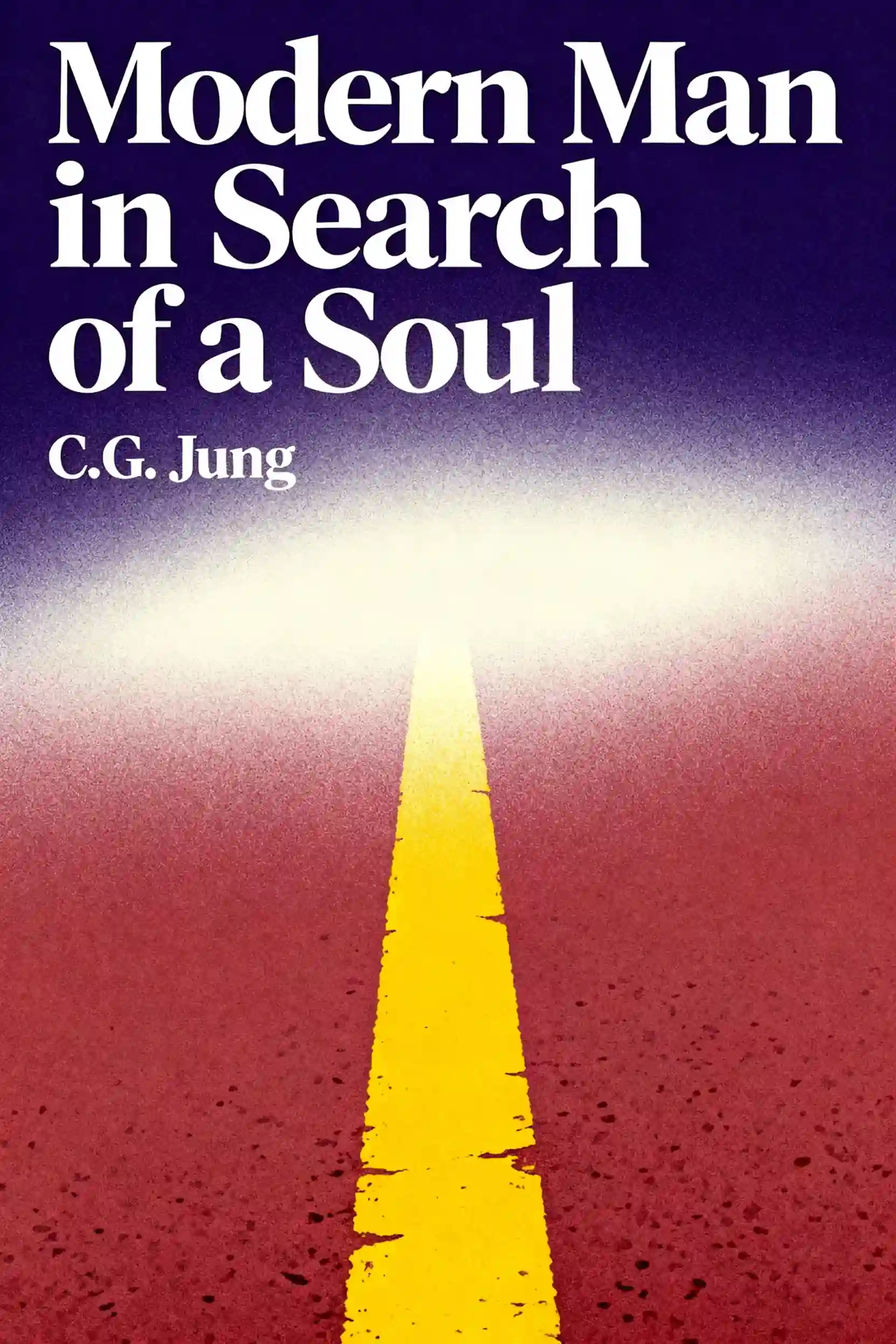
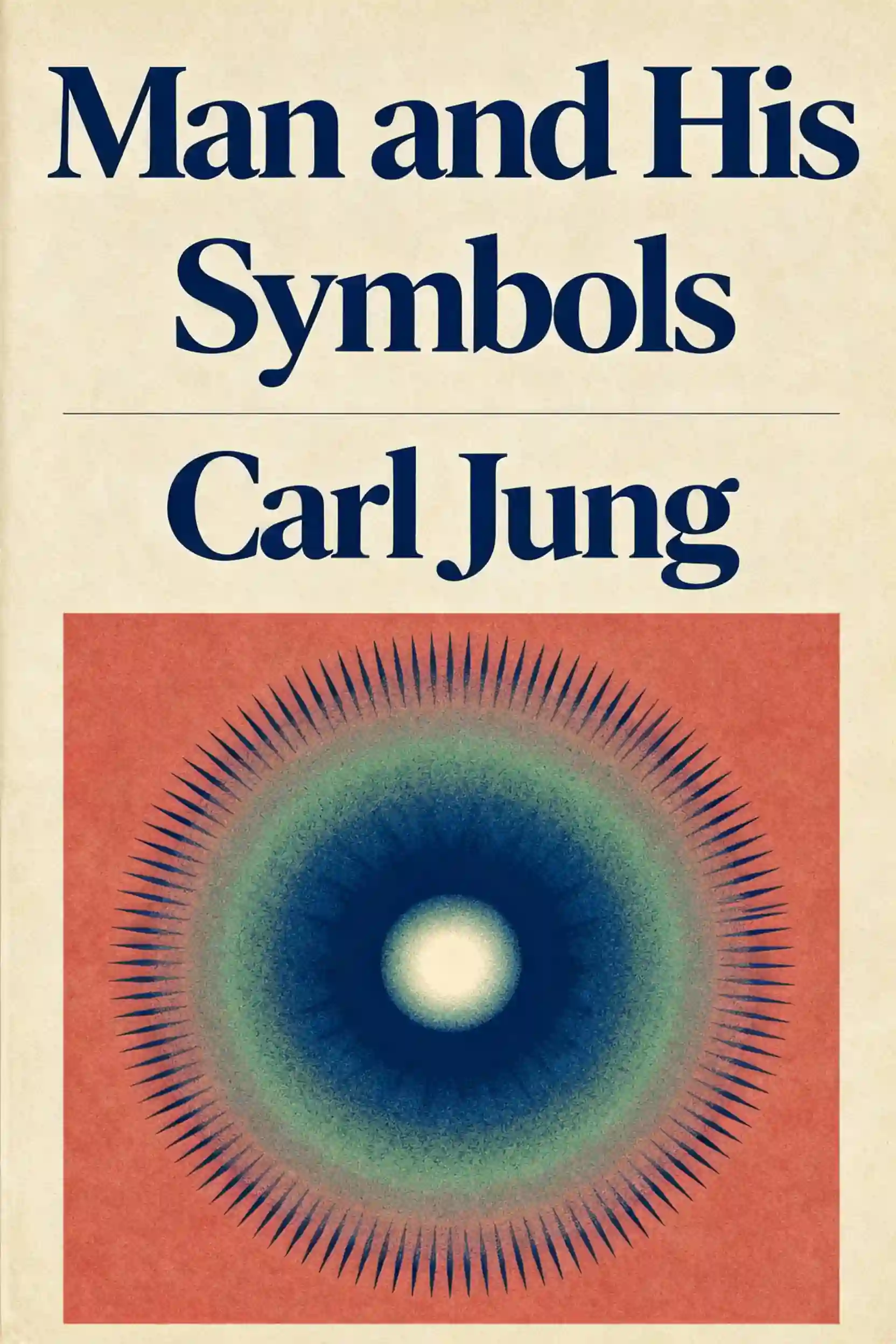
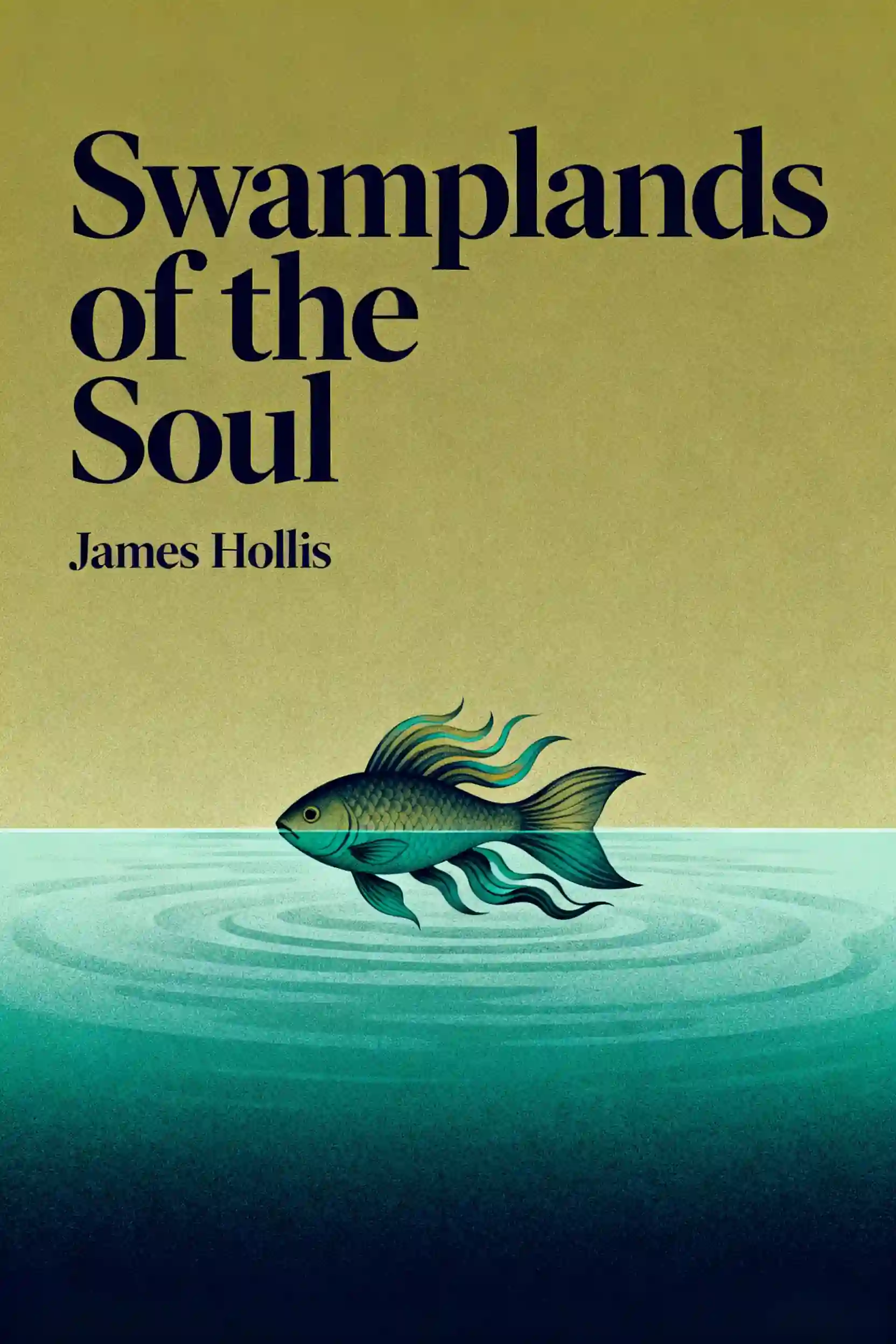
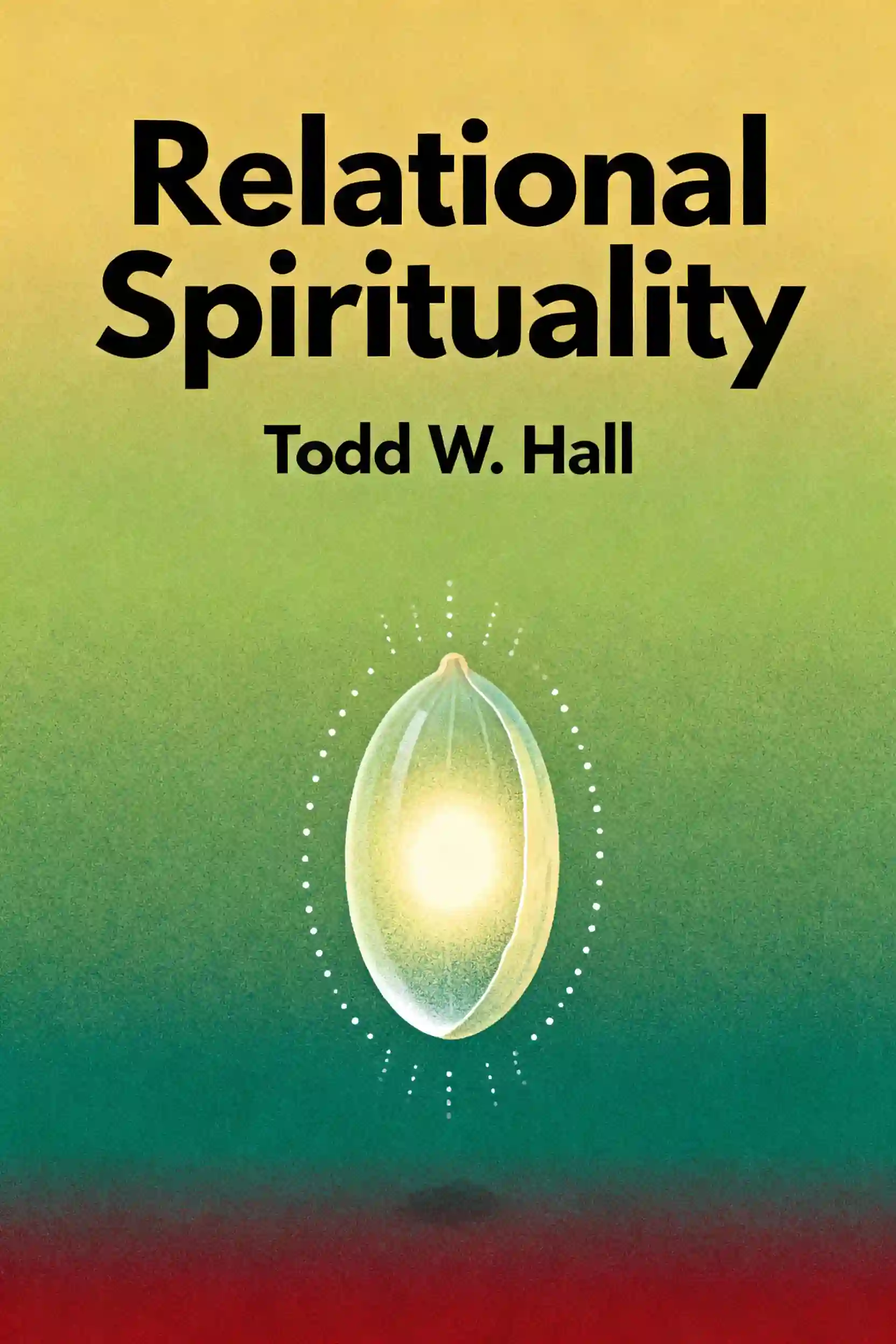

Frequently Asked Questions
The script suggests that Jungian tools can be viewed as a "psychological microscope" for self-knowledge rather than a replacement for theology. While Jung had controversial views on the nature of God, Christian practitioners can use his map of the psyche—such as the Shadow and the Self—as a diagnostic toolkit for sanctification. By identifying the "complexes" that block spiritual growth, a believer can better align their conscious life with the Imago Dei, or the Image of God, which Jung identified as the true Self.
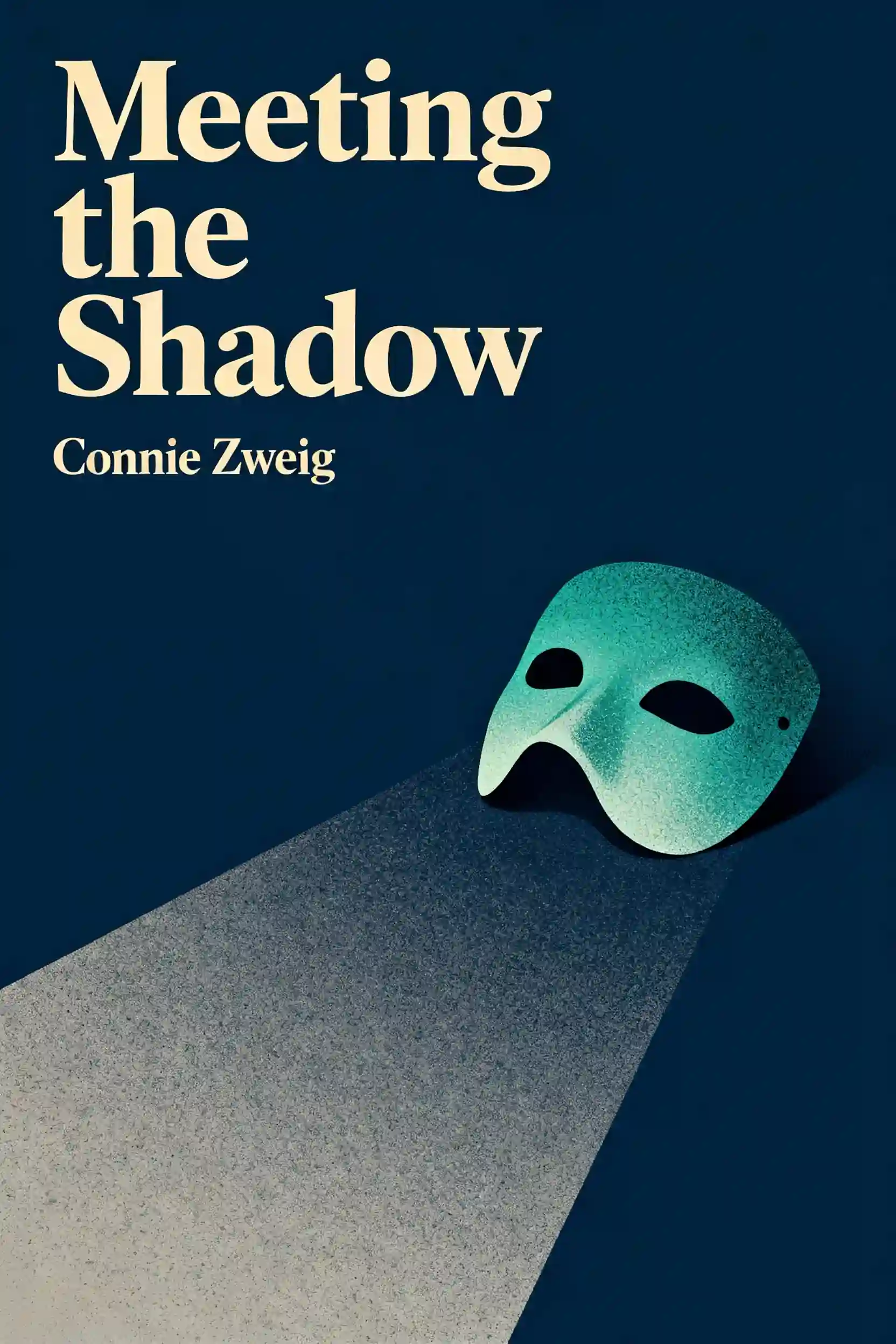
The Shadow is described as the "dustbin" of the psyche, containing parts of ourselves that we have judged or repressed, such as unlived emotions, creative impulses, or feelings of inadequacy. It is not inherently evil, but it remains "in the dark" because our conscious awareness does not acknowledge it. Addressing the Shadow is vital because unexamined inner situations often manifest externally as "fate" or conflict; bringing these elements into the light allows for the reconciliation of opposites and a more authentic relationship with God and others.
The first step is to record the dream immediately upon waking, noting "direct associations" for each image without drifting into long chains of free association. Step two involves reflecting on what these images say about your inner life, treating dream figures as symbols of internal traits rather than external people. Step three is to identify the "main insight" or the one specific message the dream is providing for your growth. Finally, step four requires performing a "physical ritual"—a symbolic, physical action in the real world—to anchor the dream's insight into your conscious life.
Unlike passive daydreaming where thoughts drift aimlessly, Active Imagination is a disciplined, intentional dialogue with the unconscious. It involves establishing a quiet sanctuary, invoking a starting image, and granting that image autonomy so it can move and speak independently. The practitioner remains a conscious participant, engaging the figure in dialogue and asking questions while maintaining their own moral compass and ethical boundaries. This process helps resolve internal tensions by allowing a "third thing" or a transformative symbol to emerge.
The Inner Labyrinth represents the destiny and spiritual blueprint that has existed within a person from the beginning, often revealed through dreams and archetypes. It exists simultaneously with the Outer Labyrinth, which is the life built through conscious choices like careers and family roles. The goal of "individuation" is to bridge these two paths, using the inner world to provide compensatory direction to the outer world, ensuring that the ego remains a "junior partner" to the deeper Image of God within.
Discover more

Learn about Carl Gustav Jung's teachings
Learn about Carl Gustav Jung's teachings
This plan offers a comprehensive roadmap for individuals seeking deep self-discovery beyond surface-level self-help. It is ideal for seekers, therapists, and creatives who want to harness the power of the unconscious to achieve psychological and spiritual integration.
Master Jung's individuation process
Master Jung's individuation process
This learning plan is essential for individuals seeking deep self-awareness and psychological maturity beyond surface-level self-help. It is ideal for those ready to confront their hidden complexities and build a more authentic, integrated life using proven Jungian techniques.

Master Jungian psychology and soul symbolism
Master Jungian psychology and soul symbolism
This plan is designed for seekers and practitioners looking to bridge the gap between academic depth psychology and practical spiritual growth. It provides a structured path for anyone wanting to decode their inner world and achieve lasting personal transformation through Jungian principles.

Eckhart & Jung: The Mystic Path
Eckhart & Jung: The Mystic Path
This plan bridges the gap between spiritual presence and psychological depth, offering a unique synthesis of modern mysticism and Jungian theory. It is ideal for seekers and practitioners looking to integrate shadow work with mindfulness for a more complete journey of self-realization.

Connect with God, guides & psychic senses
Connect with God, guides & psychic senses
This plan is designed for individuals seeking a deeper, more personal relationship with the divine and their own inner wisdom. It is ideal for spiritual seekers ready to move beyond theory into practical, daily interaction with spiritual guides and psychic insights.

Discover inner self
Discover inner self
This plan is essential for individuals feeling disconnected from their purpose or overwhelmed by external expectations. It provides a structured journey for anyone seeking to align their daily actions with their deepest psychological strengths and authentic values.
Mindful Biblical Growth & Confident Living
Mindful Biblical Growth & Confident Living
This plan is essential for believers seeking to bridge the gap between theological knowledge and emotional well-being. It is designed for anyone wanting to move past surface-level faith into a deeply rooted, confident identity in Christ through intentional spiritual practices.
Domande potenti ai clienti: metodo Jung
Domande potenti ai clienti: metodo Jung
Questo percorso è essenziale per coach e professionisti della relazione d'aiuto che desiderano andare oltre la superficie. Unisce la profondità della psicologia analitica di Jung a tecniche pratiche per guidare i clienti verso una reale consapevolezza di sé.
From Columbia University alumni built in San Francisco
"Instead of endless scrolling, I just hit play on BeFreed. It saves me so much time."


"I never knew where to start with nonfiction—BeFreed’s book lists turned into podcasts gave me a clear path."


"Perfect balance between learning and entertainment. Finished ‘Thinking, Fast and Slow’ on my commute this week."
"Crazy how much I learned while walking the dog. BeFreed = small habits → big gains."
"Reading used to feel like a chore. Now it’s just part of my lifestyle."

"Feels effortless compared to reading. I’ve finished 6 books this month already."
"BeFreed turned my guilty doomscrolling into something that feels productive and inspiring."

"BeFreed turned my commute into learning time. 20-min podcasts are perfect for finishing books I never had time for."
"BeFreed replaced my podcast queue. Imagine Spotify for books — that’s it. 🙌"

"It is great for me to learn something from the book without reading it."
"The themed book list podcasts help me connect ideas across authors—like a guided audio journey."
"Makes me feel smarter every time before going to work"
From Columbia University alumni built in San Francisco
"Instead of endless scrolling, I just hit play on BeFreed. It saves me so much time."
"I never knew where to start with nonfiction—BeFreed’s book lists turned into podcasts gave me a clear path."
"Perfect balance between learning and entertainment. Finished ‘Thinking, Fast and Slow’ on my commute this week."
"Crazy how much I learned while walking the dog. BeFreed = small habits → big gains."
"Reading used to feel like a chore. Now it’s just part of my lifestyle."
"Feels effortless compared to reading. I’ve finished 6 books this month already."
"BeFreed turned my guilty doomscrolling into something that feels productive and inspiring."
"BeFreed turned my commute into learning time. 20-min podcasts are perfect for finishing books I never had time for."
"BeFreed replaced my podcast queue. Imagine Spotify for books — that’s it. 🙌"
"It is great for me to learn something from the book without reading it."
"The themed book list podcasts help me connect ideas across authors—like a guided audio journey."
"Makes me feel smarter every time before going to work"
"Instead of endless scrolling, I just hit play on BeFreed. It saves me so much time."
"I never knew where to start with nonfiction—BeFreed’s book lists turned into podcasts gave me a clear path."
"Perfect balance between learning and entertainment. Finished ‘Thinking, Fast and Slow’ on my commute this week."
"Crazy how much I learned while walking the dog. BeFreed = small habits → big gains."
"Reading used to feel like a chore. Now it’s just part of my lifestyle."
"Feels effortless compared to reading. I’ve finished 6 books this month already."
"BeFreed turned my guilty doomscrolling into something that feels productive and inspiring."
"BeFreed turned my commute into learning time. 20-min podcasts are perfect for finishing books I never had time for."
"BeFreed replaced my podcast queue. Imagine Spotify for books — that’s it. 🙌"
"It is great for me to learn something from the book without reading it."
"The themed book list podcasts help me connect ideas across authors—like a guided audio journey."
"Makes me feel smarter every time before going to work"
"Instead of endless scrolling, I just hit play on BeFreed. It saves me so much time."
"I never knew where to start with nonfiction—BeFreed’s book lists turned into podcasts gave me a clear path."
"Perfect balance between learning and entertainment. Finished ‘Thinking, Fast and Slow’ on my commute this week."
"Crazy how much I learned while walking the dog. BeFreed = small habits → big gains."
"Reading used to feel like a chore. Now it’s just part of my lifestyle."
"Feels effortless compared to reading. I’ve finished 6 books this month already."
"BeFreed turned my guilty doomscrolling into something that feels productive and inspiring."
"BeFreed turned my commute into learning time. 20-min podcasts are perfect for finishing books I never had time for."
"BeFreed replaced my podcast queue. Imagine Spotify for books — that’s it. 🙌"
"It is great for me to learn something from the book without reading it."
"The themed book list podcasts help me connect ideas across authors—like a guided audio journey."
"Makes me feel smarter every time before going to work"


![imagination | Carl Jung on “Active imagination.” [Lexicon]](/_next/image?url=https%3A%2F%2Fd1y2du6z1jfm9e.cloudfront.net%2Fassets%2Fpodcast%2Fblue.png&w=1024&q=50)


