
Carl Jung Psychology: Advanced Principles and Expert Analysis
Explore advanced Jungian theory and analytical psychology. Delve into the collective unconscious, archetypes, and individuation with expert-level analysis.

Best quote from Carl Jung Psychology: Advanced Principles and Expert Analysis
The heroic task is not about being good or perfect; it is about being whole. As Jung famously said, 'I’d rather be whole than good,' which requires accepting the light and the dark as part of the same system.

This audio lesson was created by a BeFreed community member
Carl jung psychology ideas and principles, in a professional, expert level, with no simplification of text and exact use of quotables


Frequently Asked Questions
Analytical Psychology, as established by Carl Jung, focuses on the complex interplay between the conscious and unconscious mind. It emphasizes the process of individuation, where an individual integrates various components of the psyche to achieve wholeness. Key concepts include the collective unconscious, which houses universal Jungian archetypes, and the study of psychological types. This advanced framework moves beyond simple behavioral observation to explore the deep-seated symbolic structures that govern human experience and personality development.
In Jungian theory, the collective unconscious represents a layer of the unconscious mind shared among all human beings, containing inherited structures known as archetypes. Unlike the personal unconscious, which consists of individual memories and experiences, the collective unconscious is composed of universal patterns and images. These archetypes, such as the Shadow or the Anima/Animus, influence human behavior and perception across cultures, serving as the foundational blueprint for the psyche's development and the individuation process.
Individuation is the central process of analytical psychology, described by Carl Jung as the journey toward becoming one's true self. It involves the conscious integration of various psychic elements, including the ego, the persona, and the shadow. By confronting the contents of both the personal and collective unconscious, an individual moves toward psychological maturity and self-realization. This expert-level pursuit requires a deep engagement with archetypal symbols and the reconciliation of inner opposites to achieve a state of psychic totality.
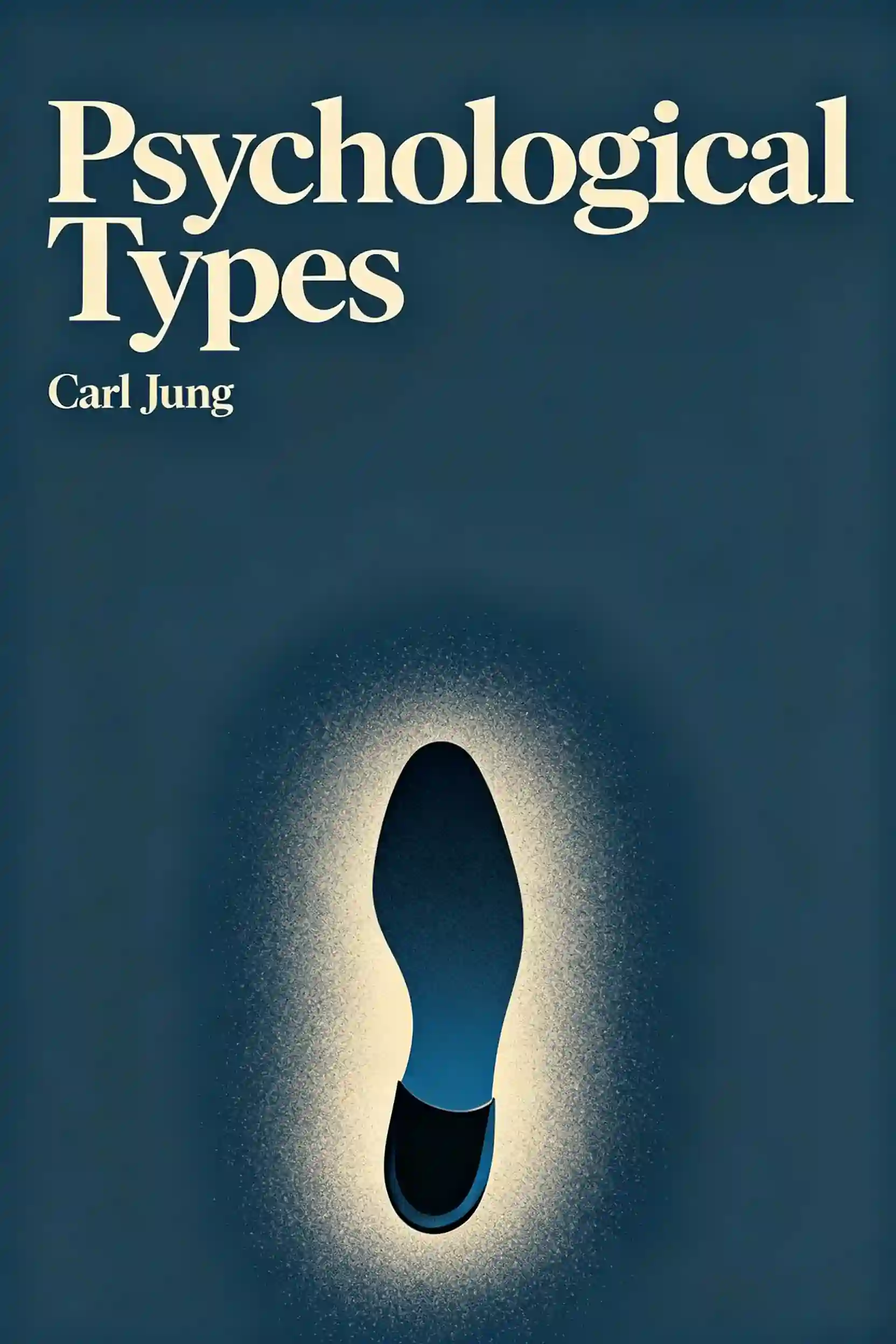
Carl Jung’s system of psychological types provides a sophisticated map of the human psyche based on the functions of sensation, intuition, thinking, and feeling, categorized under introversion or extraversion. In professional analysis, these types are not merely labels but tools for understanding how an individual processes information and interacts with the world. Mastery of these principles allows for a nuanced exploration of cognitive preferences and the underlying tensions that drive personality dynamics and interpersonal relationships.
Discover more

Learn about Carl Gustav Jung's teachings
Learn about Carl Gustav Jung's teachings
This plan offers a comprehensive roadmap for individuals seeking deep self-discovery beyond surface-level self-help. It is ideal for seekers, therapists, and creatives who want to harness the power of the unconscious to achieve psychological and spiritual integration.

Understand Carl Jung's Psychology
Understand Carl Jung's Psychology
Carl Jung's analytical psychology offers profound insights into human consciousness, personal development, and the hidden forces that shape our lives. This learning plan is ideal for therapists, coaches, writers, spiritual seekers, and anyone interested in deep self-understanding, as Jung's frameworks provide practical tools for psychological integration and creative exploration of the human experience.
Master Jung's individuation process
Master Jung's individuation process
This learning plan is essential for individuals seeking deep self-awareness and psychological maturity beyond surface-level self-help. It is ideal for those ready to confront their hidden complexities and build a more authentic, integrated life using proven Jungian techniques.
Master Jungian psychology fundamentals
Master Jungian psychology fundamentals
Jungian psychology offers profound insights into the human psyche that extend beyond traditional therapeutic approaches, integrating spirituality, mythology, and the unconscious mind. This learning plan benefits anyone seeking deeper self-understanding, therapists expanding their toolkit, or individuals interested in personal transformation through engaging with their unconscious material.

Jungian Occultism & Hallow Creation
Jungian Occultism & Hallow Creation
This path bridges the gap between analytical psychology and esoteric tradition for seekers of deep self-mastery. It is ideal for those looking to combine Jungian shadow work with practical occult philosophy to achieve spiritual individuation.
Explore Adler, Jung, Freud after Courage
Explore Adler, Jung, Freud after Courage
This learning plan bridges the gap between classical theory and modern self-development for those seeking a deeper understanding of human behavior. It is ideal for students of psychology or fans of 'The Courage to Be Disliked' who want to master the competing frameworks of the three giants of depth psychology.
Find Soul Mission & Integrate Your Shadow
Find Soul Mission & Integrate Your Shadow
This plan is essential for individuals seeking deep self-actualization beyond surface-level goals. It is designed for those ready to confront their hidden psyche and align their life's work with their spiritual core.
Apprendere l'osservazione junghiana
Apprendere l'osservazione junghiana
Questo percorso è essenziale per psicologi, terapeuti e appassionati che desiderano integrare la profondità del pensiero di Carl Jung nella loro pratica. Offre strumenti concreti per decodificare il linguaggio dei simboli e guidare il processo di autorealizzazione.
From Columbia University alumni built in San Francisco
"Instead of endless scrolling, I just hit play on BeFreed. It saves me so much time."


"I never knew where to start with nonfiction—BeFreed’s book lists turned into podcasts gave me a clear path."


"Perfect balance between learning and entertainment. Finished ‘Thinking, Fast and Slow’ on my commute this week."
"Crazy how much I learned while walking the dog. BeFreed = small habits → big gains."
"Reading used to feel like a chore. Now it’s just part of my lifestyle."

"Feels effortless compared to reading. I’ve finished 6 books this month already."
"BeFreed turned my guilty doomscrolling into something that feels productive and inspiring."

"BeFreed turned my commute into learning time. 20-min podcasts are perfect for finishing books I never had time for."
"BeFreed replaced my podcast queue. Imagine Spotify for books — that’s it. 🙌"

"It is great for me to learn something from the book without reading it."
"The themed book list podcasts help me connect ideas across authors—like a guided audio journey."
"Makes me feel smarter every time before going to work"
From Columbia University alumni built in San Francisco
"Instead of endless scrolling, I just hit play on BeFreed. It saves me so much time."
"I never knew where to start with nonfiction—BeFreed’s book lists turned into podcasts gave me a clear path."
"Perfect balance between learning and entertainment. Finished ‘Thinking, Fast and Slow’ on my commute this week."
"Crazy how much I learned while walking the dog. BeFreed = small habits → big gains."
"Reading used to feel like a chore. Now it’s just part of my lifestyle."
"Feels effortless compared to reading. I’ve finished 6 books this month already."
"BeFreed turned my guilty doomscrolling into something that feels productive and inspiring."
"BeFreed turned my commute into learning time. 20-min podcasts are perfect for finishing books I never had time for."
"BeFreed replaced my podcast queue. Imagine Spotify for books — that’s it. 🙌"
"It is great for me to learn something from the book without reading it."
"The themed book list podcasts help me connect ideas across authors—like a guided audio journey."
"Makes me feel smarter every time before going to work"
"Instead of endless scrolling, I just hit play on BeFreed. It saves me so much time."
"I never knew where to start with nonfiction—BeFreed’s book lists turned into podcasts gave me a clear path."
"Perfect balance between learning and entertainment. Finished ‘Thinking, Fast and Slow’ on my commute this week."
"Crazy how much I learned while walking the dog. BeFreed = small habits → big gains."
"Reading used to feel like a chore. Now it’s just part of my lifestyle."
"Feels effortless compared to reading. I’ve finished 6 books this month already."
"BeFreed turned my guilty doomscrolling into something that feels productive and inspiring."
"BeFreed turned my commute into learning time. 20-min podcasts are perfect for finishing books I never had time for."
"BeFreed replaced my podcast queue. Imagine Spotify for books — that’s it. 🙌"
"It is great for me to learn something from the book without reading it."
"The themed book list podcasts help me connect ideas across authors—like a guided audio journey."
"Makes me feel smarter every time before going to work"
"Instead of endless scrolling, I just hit play on BeFreed. It saves me so much time."
"I never knew where to start with nonfiction—BeFreed’s book lists turned into podcasts gave me a clear path."
"Perfect balance between learning and entertainment. Finished ‘Thinking, Fast and Slow’ on my commute this week."
"Crazy how much I learned while walking the dog. BeFreed = small habits → big gains."
"Reading used to feel like a chore. Now it’s just part of my lifestyle."
"Feels effortless compared to reading. I’ve finished 6 books this month already."
"BeFreed turned my guilty doomscrolling into something that feels productive and inspiring."
"BeFreed turned my commute into learning time. 20-min podcasts are perfect for finishing books I never had time for."
"BeFreed replaced my podcast queue. Imagine Spotify for books — that’s it. 🙌"
"It is great for me to learn something from the book without reading it."
"The themed book list podcasts help me connect ideas across authors—like a guided audio journey."
"Makes me feel smarter every time before going to work"


