
IT security specialist roles: Why certs aren't enough
Struggling to break into cybersecurity despite millions of job openings? Learn how to build a practical roadmap from total beginner to high-earning CISO.

Best quote from IT security specialist roles: Why certs aren't enough
Certs open doors, but skills keep you employed. You can get the job with the CISSP, but if you don’t actually know how to manage a risk assessment, you won’t last six months.

This audio lesson was created by a BeFreed community member
How to become an IT security specialist?

Frequently Asked Questions
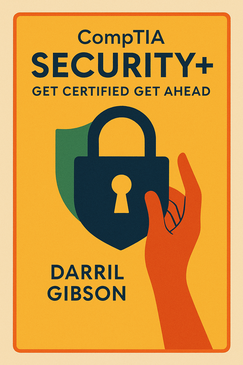
According to the script, beginners should start by mastering the "Day One" building blocks: networking (TCP/IP and DNS) and operating systems, specifically the Linux terminal. Rather than jumping straight into hacking, newcomers should focus on the "Core Loop" of observing, testing, and validating in a virtual sandbox. A recommended starting point is the ISC2 Certified in Cybersecurity (CC), which is currently free and covers essential concepts like the CIA triad, access controls, and incident response.
The most effective way to prove capability is by building a home lab using tools like VirtualBox or VMware to run Ubuntu and Windows Server. Candidates should document their work, such as writing Python or Bash scripts to automate tasks or performing vulnerability scans in a controlled environment. Presenting a one-page write-up with screenshots of these lab projects during an interview serves as a "portfolio" that demonstrates practical knowledge to hiring managers.
The roadmap branches into two main specializations around the two-year mark. The Blue Team focuses on defensive security, involving threat hunting, incident response, and vulnerability management; the CompTIA CySA+ is a key certification for this path. The Red Team focuses on offensive security or ethical hacking. While the CEH (Certified Ethical Hacker) is a common entry point for the Red Team, the OSCP (Offensive Security Certified Professional) is considered the "gold standard" for proving hands-on offensive skills through its rigorous 24-hour practical exam.
The CISSP (Certified Information Systems Security Professional) is considered a senior-level credential because it shifts the focus from technical configuration to managing a security program for an entire enterprise. It covers eight broad domains and requires five years of professional experience to hold the full credential. Rushing into it too early is a common mistake; it is best pursued once a professional is ready to transition into senior management or architect roles.
AI has automated many "grunt work" tasks, such as filtering low-level alerts in a Security Operations Center (SOC). While this reduces alert fatigue, it has actually raised the bar for entry-level roles. Junior analysts are now expected to investigate more complex issues that AI cannot resolve and must possess "AI Literacy" to verify AI outputs and use AI assistants for scripting and documentation. Human judgment remains critical for navigating complex business risks and organizational politics that AI cannot handle.
Discover more

Become a cybersecurity expert
Become a cybersecurity expert
Cybersecurity expertise is one of the most in-demand skills globally, with organizations facing increasingly sophisticated threats and a critical shortage of qualified professionals. This comprehensive learning plan is ideal for IT professionals looking to specialize in security, career changers seeking high-paying technical roles, or aspiring security leaders who want to build both technical depth and strategic vision. The structured progression from fundamentals to expert-level practice ensures you develop the complete skillset needed to protect organizations in today's threat landscape.
I wanna learn cybersercuity
I wanna learn cybersercuity
As digital threats become increasingly sophisticated, mastering the balance between offensive tactics and defensive strategy is essential for any aspiring professional. This plan is ideal for career-changers and IT enthusiasts looking to transition into leadership roles within the cybersecurity industry.

Estudar Certificação Cibersegurança e CTI
Estudar Certificação Cibersegurança e CTI
This learning plan is essential for professionals looking to transition into the high-demand field of cybersecurity and threat intelligence. It bridges the gap between foundational knowledge and advanced technical skills, making it ideal for aspiring security analysts and ethical hackers.
Boost IT security skills for career growth
Boost IT security skills for career growth
This comprehensive learning plan is essential for IT professionals seeking to break into cybersecurity or advance their existing security careers in an increasingly threat-rich environment. It's ideal for system administrators, network engineers, developers, and security analysts who want to build enterprise-level expertise and position themselves for senior roles. The program bridges technical fundamentals with strategic thinking, preparing learners for the multifaceted challenges of modern cybersecurity leadership.

Master ISMS & improve presentation skills
Master ISMS & improve presentation skills
In today's digital landscape, technical expertise in information security must be paired with the ability to influence leadership. This plan is designed for security professionals and aspiring CISOs who need to bridge the gap between ISMS technical implementation and executive-level communication.
Becoming an ethical hacker
Becoming an ethical hacker
This plan is essential for aspiring security professionals looking to bridge the gap between theory and practical exploitation. It is designed for IT enthusiasts and career-changers who want to master both the technical tools and human psychology required to defend modern systems.
Ethical Hacking and Penetration Testing
Ethical Hacking and Penetration Testing
This path is essential for aspiring security professionals looking to transition into offensive security roles. It provides a comprehensive bridge from foundational networking to expert-level incident response and forensic analysis.
Top Check Point Software Salesperson
Top Check Point Software Salesperson
This learning plan is designed for ambitious professionals looking to dominate the cybersecurity market. It bridges the gap between technical security knowledge and high-level enterprise sales execution for those targeting elite performance.
From Columbia University alumni built in San Francisco
"Instead of endless scrolling, I just hit play on BeFreed. It saves me so much time."


"I never knew where to start with nonfiction—BeFreed’s book lists turned into podcasts gave me a clear path."


"Perfect balance between learning and entertainment. Finished ‘Thinking, Fast and Slow’ on my commute this week."
"Crazy how much I learned while walking the dog. BeFreed = small habits → big gains."
"Reading used to feel like a chore. Now it’s just part of my lifestyle."

"Feels effortless compared to reading. I’ve finished 6 books this month already."
"BeFreed turned my guilty doomscrolling into something that feels productive and inspiring."

"BeFreed turned my commute into learning time. 20-min podcasts are perfect for finishing books I never had time for."
"BeFreed replaced my podcast queue. Imagine Spotify for books — that’s it. 🙌"

"It is great for me to learn something from the book without reading it."
"The themed book list podcasts help me connect ideas across authors—like a guided audio journey."
"Makes me feel smarter every time before going to work"
From Columbia University alumni built in San Francisco
"Instead of endless scrolling, I just hit play on BeFreed. It saves me so much time."
"I never knew where to start with nonfiction—BeFreed’s book lists turned into podcasts gave me a clear path."
"Perfect balance between learning and entertainment. Finished ‘Thinking, Fast and Slow’ on my commute this week."
"Crazy how much I learned while walking the dog. BeFreed = small habits → big gains."
"Reading used to feel like a chore. Now it’s just part of my lifestyle."
"Feels effortless compared to reading. I’ve finished 6 books this month already."
"BeFreed turned my guilty doomscrolling into something that feels productive and inspiring."
"BeFreed turned my commute into learning time. 20-min podcasts are perfect for finishing books I never had time for."
"BeFreed replaced my podcast queue. Imagine Spotify for books — that’s it. 🙌"
"It is great for me to learn something from the book without reading it."
"The themed book list podcasts help me connect ideas across authors—like a guided audio journey."
"Makes me feel smarter every time before going to work"
"Instead of endless scrolling, I just hit play on BeFreed. It saves me so much time."
"I never knew where to start with nonfiction—BeFreed’s book lists turned into podcasts gave me a clear path."
"Perfect balance between learning and entertainment. Finished ‘Thinking, Fast and Slow’ on my commute this week."
"Crazy how much I learned while walking the dog. BeFreed = small habits → big gains."
"Reading used to feel like a chore. Now it’s just part of my lifestyle."
"Feels effortless compared to reading. I’ve finished 6 books this month already."
"BeFreed turned my guilty doomscrolling into something that feels productive and inspiring."
"BeFreed turned my commute into learning time. 20-min podcasts are perfect for finishing books I never had time for."
"BeFreed replaced my podcast queue. Imagine Spotify for books — that’s it. 🙌"
"It is great for me to learn something from the book without reading it."
"The themed book list podcasts help me connect ideas across authors—like a guided audio journey."
"Makes me feel smarter every time before going to work"
"Instead of endless scrolling, I just hit play on BeFreed. It saves me so much time."
"I never knew where to start with nonfiction—BeFreed’s book lists turned into podcasts gave me a clear path."
"Perfect balance between learning and entertainment. Finished ‘Thinking, Fast and Slow’ on my commute this week."
"Crazy how much I learned while walking the dog. BeFreed = small habits → big gains."
"Reading used to feel like a chore. Now it’s just part of my lifestyle."
"Feels effortless compared to reading. I’ve finished 6 books this month already."
"BeFreed turned my guilty doomscrolling into something that feels productive and inspiring."
"BeFreed turned my commute into learning time. 20-min podcasts are perfect for finishing books I never had time for."
"BeFreed replaced my podcast queue. Imagine Spotify for books — that’s it. 🙌"
"It is great for me to learn something from the book without reading it."
"The themed book list podcasts help me connect ideas across authors—like a guided audio journey."
"Makes me feel smarter every time before going to work"


