
Cybersecurity careers are easier to start than you think
Stop collecting certifications and start building. Learn how to set up a home lab and master the practical skills needed to land a security job by 2026.

Best quote from Cybersecurity careers are easier to start than you think
The cert gets you the interview; the lab work gets you the job. Your career doesn't start when you get hired—it starts in your home lab where you move from reading the manual to actually reading the water.

This audio lesson was created by a BeFreed community member
Please create a lesson on the topic of "An Introduction to Cybersecurity." Consider defensive security, offensive security, and cybersecurity careers in 2026.

Frequently Asked Questions
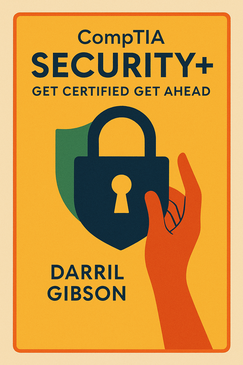
While certifications like CompTIA Security+ are valuable for getting an interview, employers in 2026 prioritize "professional literacy" and hands-on experience. Collecting certifications without practical skills is compared to watching cooking shows for years without ever frying an egg. A home lab, or "digital basketball court," allows you to move beyond theory by using virtualization tools like VirtualBox to host a network of machines where you can safely break things, configure settings, and develop the "gut feeling" for security issues that hiring managers actually look for.
Rather than "tool-hopping" between dozens of programs, beginners should focus on mastering Kali Linux, Wireshark, Nmap, and Metasploit. Kali Linux serves as the primary toolbox pre-loaded with security utilities. Wireshark acts as a protocol analyzer for "X-ray vision" into network traffic. Nmap is the "Swiss army knife" used for discovering devices and open ports on a network. Finally, Metasploit is an exploitation framework used to test known vulnerabilities in a controlled environment. Mastering these core tools demonstrates that a candidate understands the logic of a network rather than just pushing buttons.
Approximately 44% of the current cybersecurity workforce transitioned from other fields, bringing valuable soft skills like problem-solving, communication, and working under pressure. Career changers can leverage these skills in roles like GRC (Governance, Risk, and Compliance) Analysts, which focus on translating technical security into business policy and legal compliance. The recommended roadmap for non-technical beginners starts with a 90-day focus on IT and networking fundamentals—learning the "plumbing" of the internet—before adding the specialized lens of security.
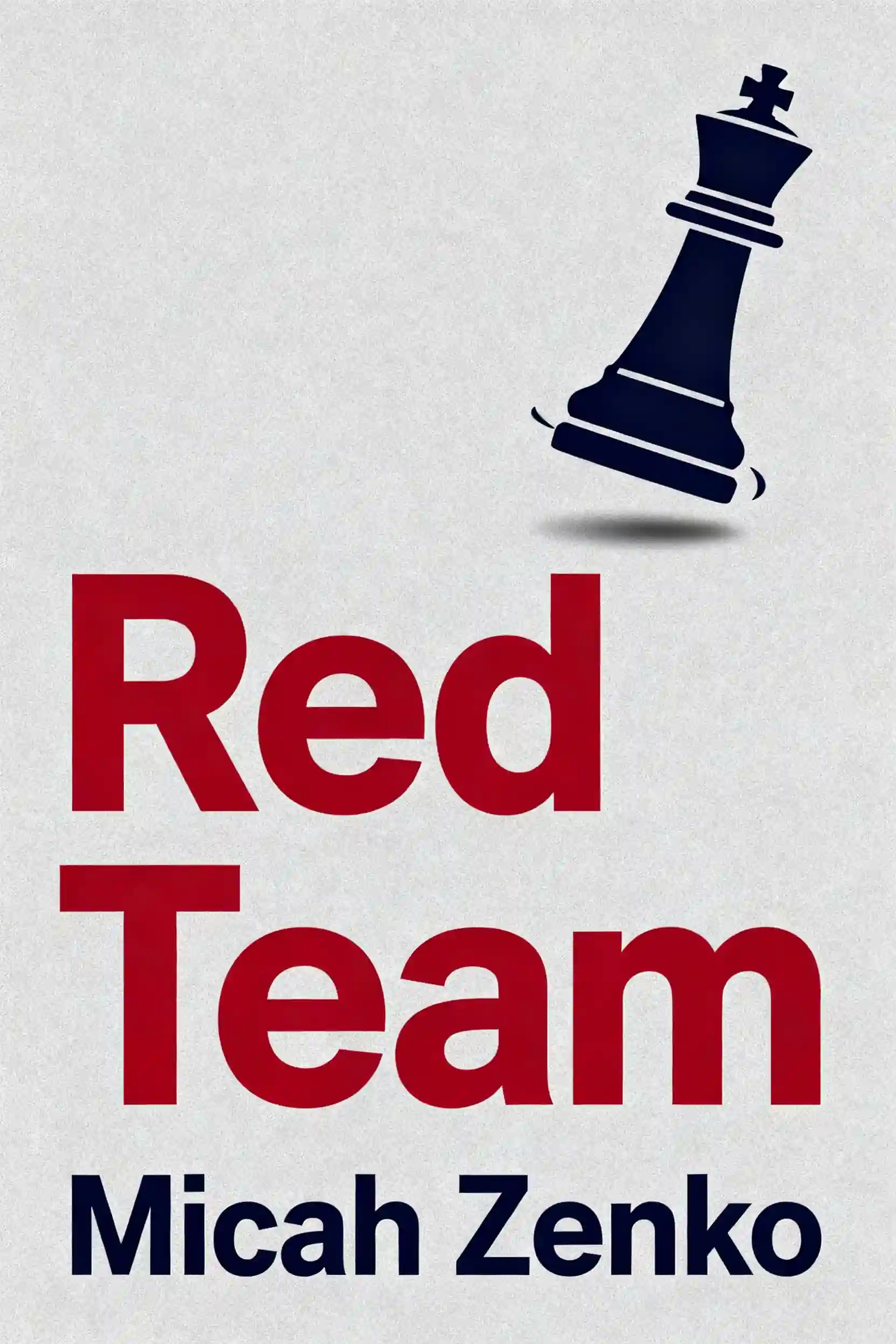
The Blue Team represents the defensive side of cybersecurity, acting as "digital lifeguards" who monitor logs, use SIEM tools to detect threats, and ensure organizational resilience. The Red Team focuses on Ethical Hacking, which involves a structured sequence of reconnaissance, scanning, and exploitation to find weaknesses before criminals do. While the Red Team is often seen as more glamorous, the Blue Team is considered the "impact" side, directly saving organizations millions of dollars by reducing the time it takes to detect and respond to breaches.
In 2026, a portfolio does not need to be a flashy website; it can be a simple GitHub repository or a blog where you document your lab "drills." By taking screenshots of your work—such as an Nmap scan or a Wireshark capture—and writing a few paragraphs explaining what you found and why it matters, you demonstrate "adversarial thinking." This documentation proves to hiring managers that you have the discipline to perform the work and the ability to communicate technical findings, which effectively bridges the gap between being a student and a practitioner.
Discover more

Learn cybersecurity to start a new career
Learn cybersecurity to start a new career
This comprehensive learning path is designed for individuals looking to pivot into the high-demand field of cybersecurity or advance into leadership roles. It bridges the gap between technical offensive skills and strategic governance, making it ideal for aspiring security professionals and career changers.

Become a cybersecurity expert
Become a cybersecurity expert
Cybersecurity expertise is one of the most in-demand skills globally, with organizations facing increasingly sophisticated threats and a critical shortage of qualified professionals. This comprehensive learning plan is ideal for IT professionals looking to specialize in security, career changers seeking high-paying technical roles, or aspiring security leaders who want to build both technical depth and strategic vision. The structured progression from fundamentals to expert-level practice ensures you develop the complete skillset needed to protect organizations in today's threat landscape.
I wanna learn cybersercuity
I wanna learn cybersercuity
As digital threats become increasingly sophisticated, mastering the balance between offensive tactics and defensive strategy is essential for any aspiring professional. This plan is ideal for career-changers and IT enthusiasts looking to transition into leadership roles within the cybersecurity industry.

Grow security career, skills, and relations
Grow security career, skills, and relations
This comprehensive path bridges the gap between technical mastery and executive leadership in the evolving cybersecurity landscape. It is designed for aspiring and mid-level security professionals who want to pair hands-on operational skills with strategic career growth.

Cyber, Arts, Psych, Finance & Leadership
Cyber, Arts, Psych, Finance & Leadership
In an interconnected world, technical skills alone are insufficient for high-level leadership. This plan is designed for aspiring executives and entrepreneurs who want to bridge the gap between digital security, human psychology, and financial strategy.
Hacking
Hacking
This learning plan provides a comprehensive bridge between theoretical cybersecurity and practical exploitation techniques. It is ideal for aspiring security analysts and IT professionals looking to master ethical hacking and system defense.

Becoming an ethical hacker
Becoming an ethical hacker
This plan is essential for aspiring security professionals looking to bridge the gap between theory and practical exploitation. It is designed for IT enthusiasts and career-changers who want to master both the technical tools and human psychology required to defend modern systems.
Estudar para certificações de cibersegurança.
Estudar para certificações de cibersegurança.
Este plano de estudos é ideal para profissionais de TI que buscam validação de mercado através de certificações reconhecidas. Ele combina teoria fundamental com práticas avançadas de defesa e liderança para acelerar sua carreira em cibersegurança.
From Columbia University alumni built in San Francisco
"Instead of endless scrolling, I just hit play on BeFreed. It saves me so much time."


"I never knew where to start with nonfiction—BeFreed’s book lists turned into podcasts gave me a clear path."


"Perfect balance between learning and entertainment. Finished ‘Thinking, Fast and Slow’ on my commute this week."
"Crazy how much I learned while walking the dog. BeFreed = small habits → big gains."
"Reading used to feel like a chore. Now it’s just part of my lifestyle."

"Feels effortless compared to reading. I’ve finished 6 books this month already."
"BeFreed turned my guilty doomscrolling into something that feels productive and inspiring."

"BeFreed turned my commute into learning time. 20-min podcasts are perfect for finishing books I never had time for."
"BeFreed replaced my podcast queue. Imagine Spotify for books — that’s it. 🙌"

"It is great for me to learn something from the book without reading it."
"The themed book list podcasts help me connect ideas across authors—like a guided audio journey."
"Makes me feel smarter every time before going to work"
From Columbia University alumni built in San Francisco
"Instead of endless scrolling, I just hit play on BeFreed. It saves me so much time."
"I never knew where to start with nonfiction—BeFreed’s book lists turned into podcasts gave me a clear path."
"Perfect balance between learning and entertainment. Finished ‘Thinking, Fast and Slow’ on my commute this week."
"Crazy how much I learned while walking the dog. BeFreed = small habits → big gains."
"Reading used to feel like a chore. Now it’s just part of my lifestyle."
"Feels effortless compared to reading. I’ve finished 6 books this month already."
"BeFreed turned my guilty doomscrolling into something that feels productive and inspiring."
"BeFreed turned my commute into learning time. 20-min podcasts are perfect for finishing books I never had time for."
"BeFreed replaced my podcast queue. Imagine Spotify for books — that’s it. 🙌"
"It is great for me to learn something from the book without reading it."
"The themed book list podcasts help me connect ideas across authors—like a guided audio journey."
"Makes me feel smarter every time before going to work"
"Instead of endless scrolling, I just hit play on BeFreed. It saves me so much time."
"I never knew where to start with nonfiction—BeFreed’s book lists turned into podcasts gave me a clear path."
"Perfect balance between learning and entertainment. Finished ‘Thinking, Fast and Slow’ on my commute this week."
"Crazy how much I learned while walking the dog. BeFreed = small habits → big gains."
"Reading used to feel like a chore. Now it’s just part of my lifestyle."
"Feels effortless compared to reading. I’ve finished 6 books this month already."
"BeFreed turned my guilty doomscrolling into something that feels productive and inspiring."
"BeFreed turned my commute into learning time. 20-min podcasts are perfect for finishing books I never had time for."
"BeFreed replaced my podcast queue. Imagine Spotify for books — that’s it. 🙌"
"It is great for me to learn something from the book without reading it."
"The themed book list podcasts help me connect ideas across authors—like a guided audio journey."
"Makes me feel smarter every time before going to work"
"Instead of endless scrolling, I just hit play on BeFreed. It saves me so much time."
"I never knew where to start with nonfiction—BeFreed’s book lists turned into podcasts gave me a clear path."
"Perfect balance between learning and entertainment. Finished ‘Thinking, Fast and Slow’ on my commute this week."
"Crazy how much I learned while walking the dog. BeFreed = small habits → big gains."
"Reading used to feel like a chore. Now it’s just part of my lifestyle."
"Feels effortless compared to reading. I’ve finished 6 books this month already."
"BeFreed turned my guilty doomscrolling into something that feels productive and inspiring."
"BeFreed turned my commute into learning time. 20-min podcasts are perfect for finishing books I never had time for."
"BeFreed replaced my podcast queue. Imagine Spotify for books — that’s it. 🙌"
"It is great for me to learn something from the book without reading it."
"The themed book list podcasts help me connect ideas across authors—like a guided audio journey."
"Makes me feel smarter every time before going to work"


