
How to Build a Note-Taking System for Audiobooks and Podcasts
Learn how to build a note-taking system for audiobooks and podcasts. Master information capture, active recall, and using Anki for long-term memory retention.

Best quote from How to Build a Note-Taking System for Audiobooks and Podcasts
Note-taking is transcription—it’s trying to record what the speaker said as accurately as possible. Note-making is transformation—it’s about writing down your version of what they said.

This audio lesson was created by a BeFreed community member
I'm trying to get better at learning from audiobooks and podcasts. How do I create a competent note‑taking system? I have an app that I take notes in, but how do I go from a piece of information to writing a note down that I’ll remember and then put it into Anki? Do I just write down what I hear verbatim? Should I summarize what I hear? What about what I put in anki, do I put as much info in a card as possible? What's the best way to capture audio information And later recall it

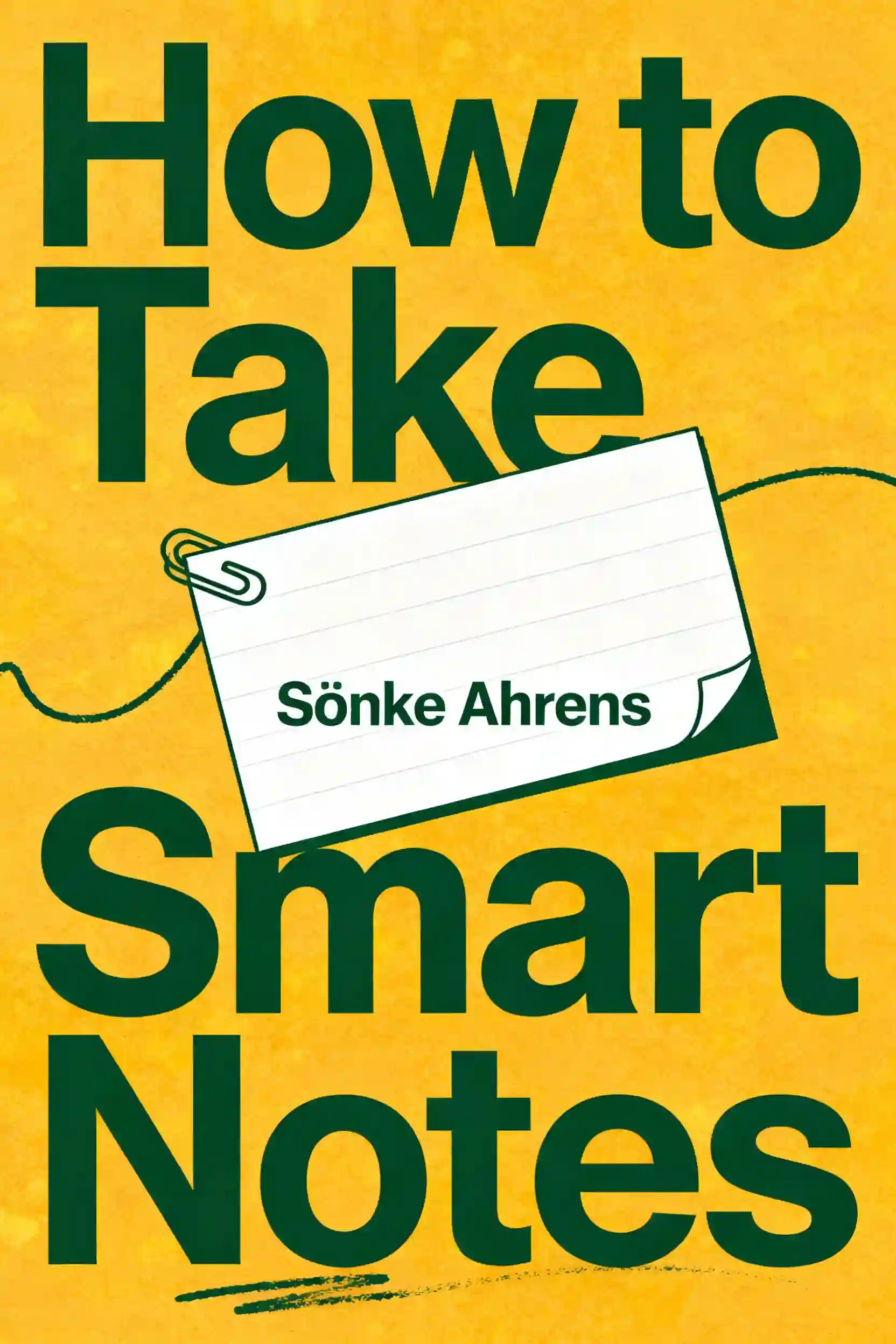
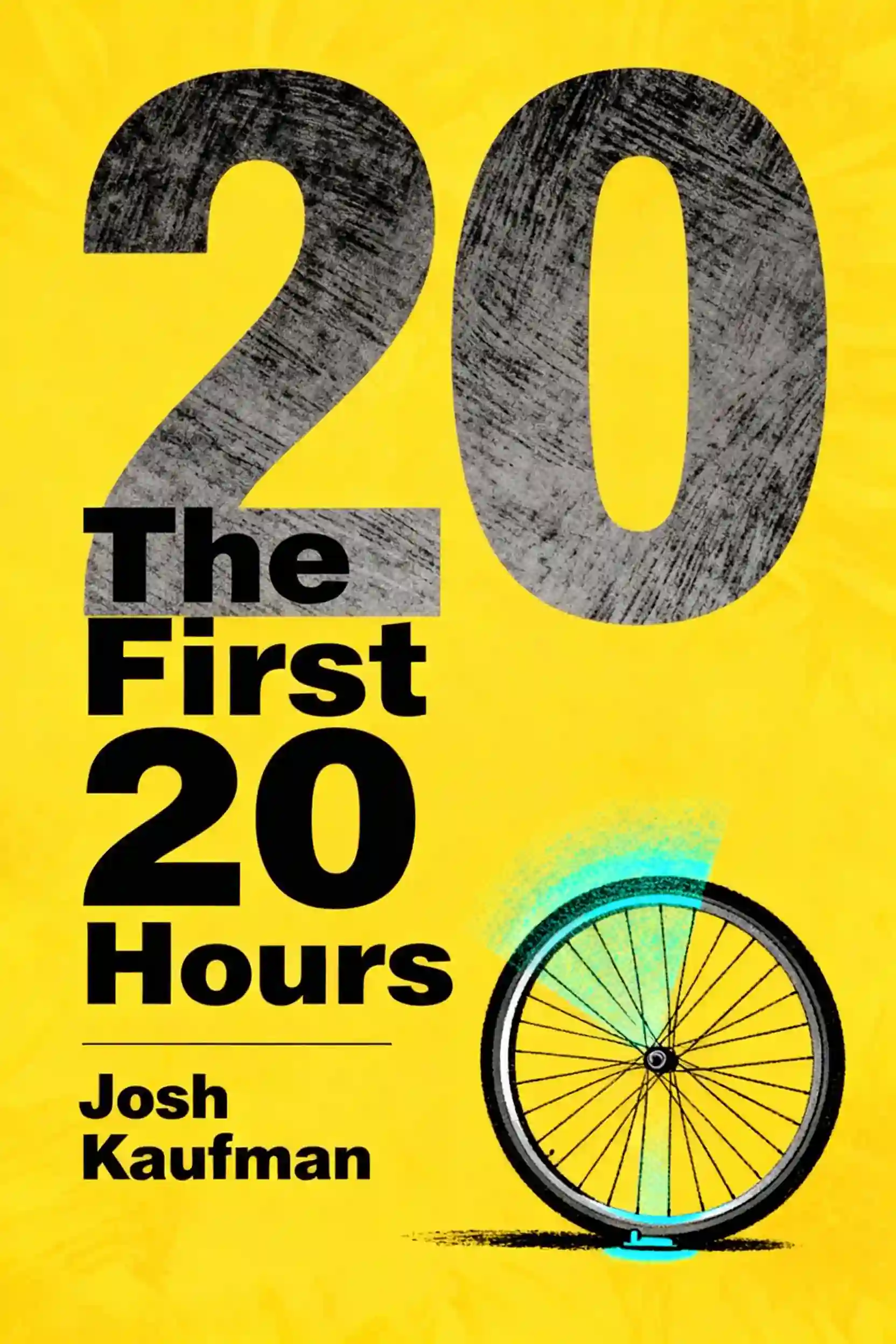
![MAKE IT STICK , BROWN, PETER C. [Hardcover] HARVARD UNIVERSITY PRESS](https://d1y2du6z1jfm9e.cloudfront.net/covers/a3c49b6b-abd7-4c1b-afb2-09b323ee76c0/image_resized.webp)
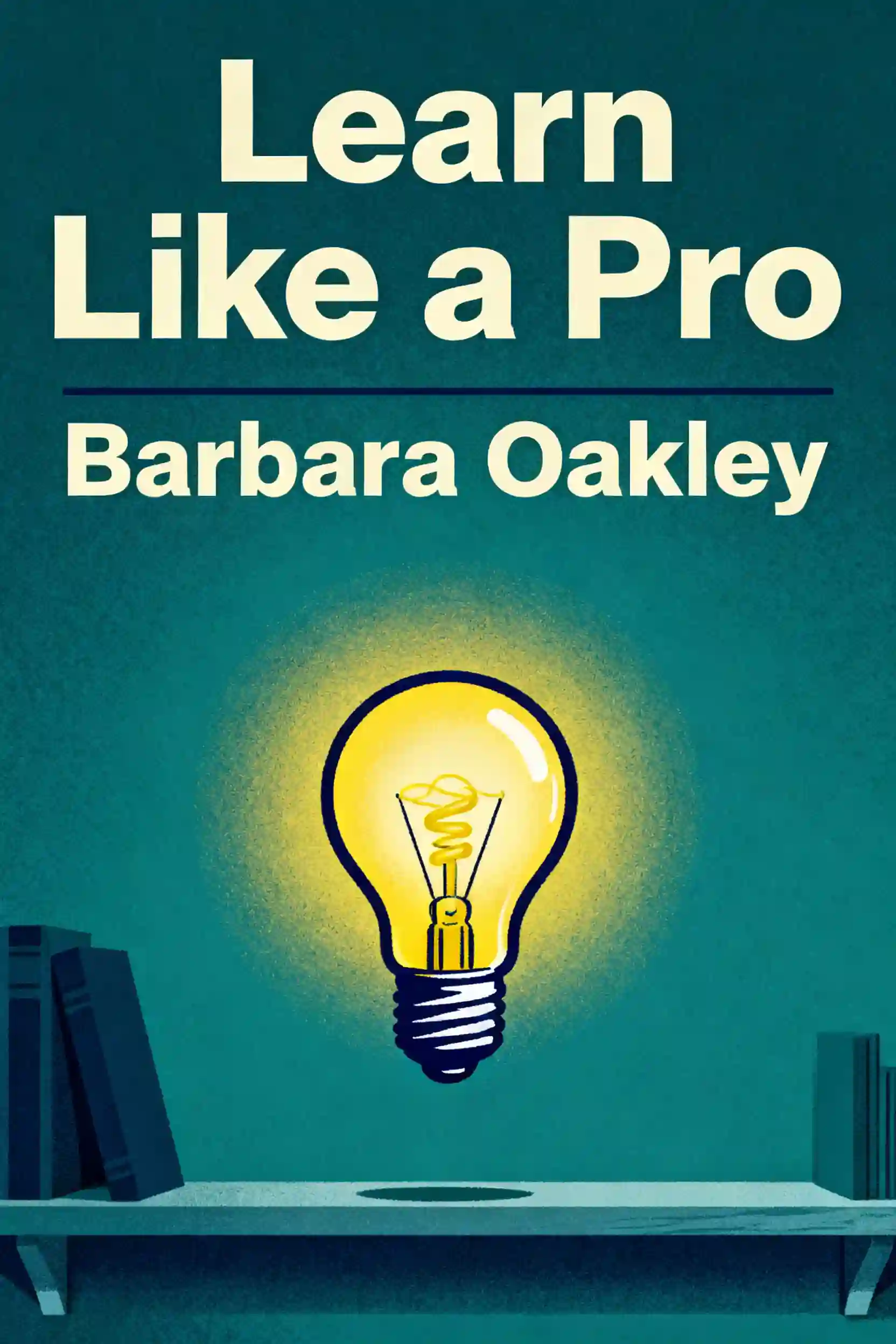
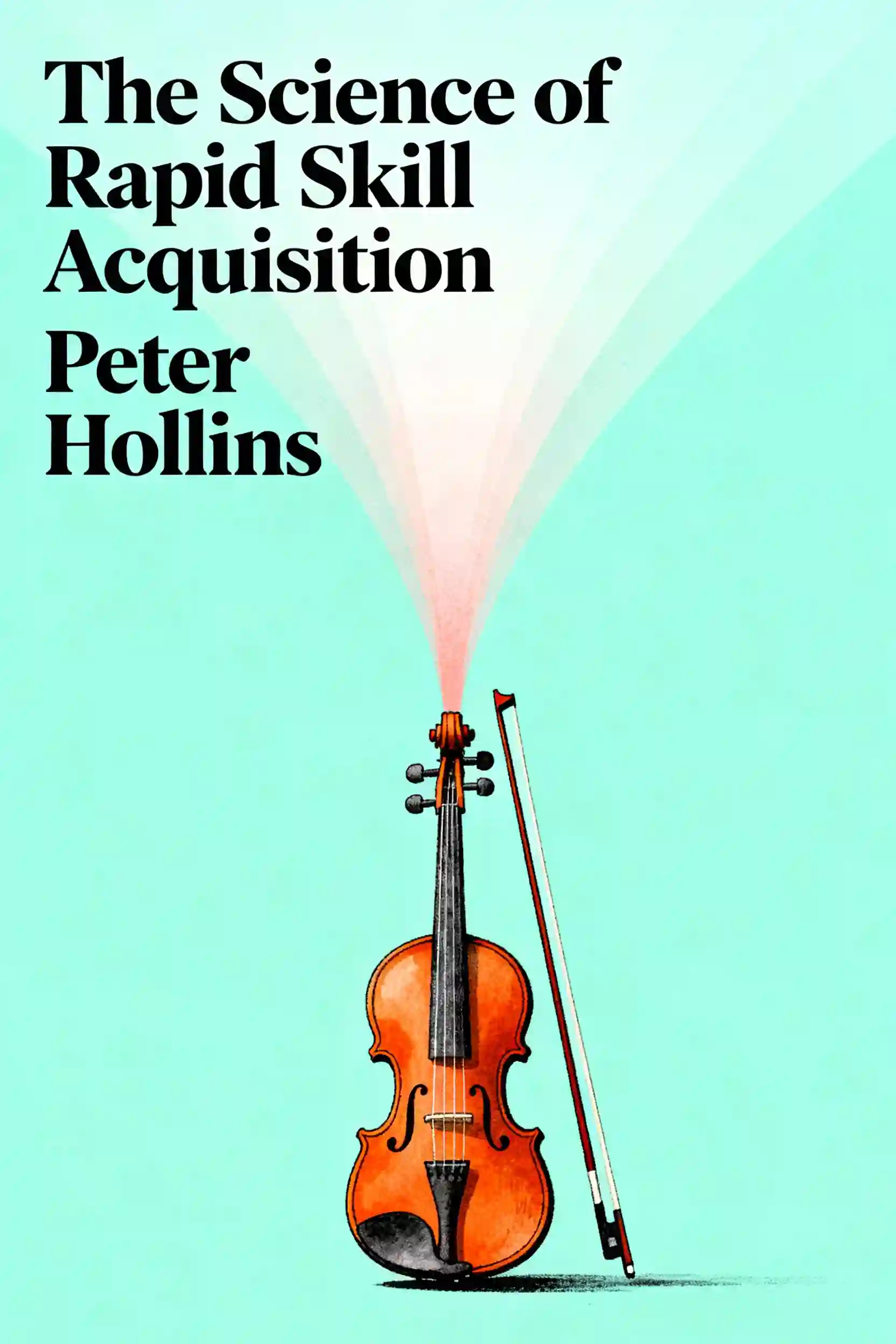
Frequently Asked Questions
The best way to capture information is to avoid writing verbatim notes. Instead, focus on summarizing the key concepts in your own words as you listen. This process of active engagement helps you filter out the noise and identify the most valuable insights. Use a dedicated note-taking app to record these summaries quickly, ensuring you have a reliable foundation for your learning system before moving the information into a long-term storage tool like Anki.
When moving notes into Anki, avoid putting as much information as possible into a single card. Effective spaced repetition relies on the principle of atomicity, where each card covers one specific idea or fact. Take your summarized audio content and break it down into simple Q&A pairs or cloze deletions. This makes the cards easier to review and ensures that your active recall practice is focused and efficient, leading to better long-term retention of the material.
You should always aim to summarize what you hear rather than transcribing it verbatim. Summarizing requires you to process the information deeply, which is a core component of a successful podcast learning system. By translating the speaker's ideas into your own language, you are already beginning the process of encoding that information into your memory. This makes the subsequent steps of creating Anki flashcards and performing spaced repetition much more effective for long-term recall.
To ensure you remember what you hear, you must combine information capture with active recall and spaced repetition. Start by taking concise, summarized notes in your preferred app. Later, transform those notes into simplified Anki flashcards. Regularly reviewing these cards forces your brain to retrieve the information, strengthening your memory. This systematic approach prevents the 'forgetting curve' and ensures that the insights you gain from audiobooks and podcasts actually stick over time.
Discover more

Convert summaries to study podcasts for car
Convert summaries to study podcasts for car
This plan is essential for busy students and professionals who want to reclaim their commute time for productive learning. It bridges the gap between static notes and dynamic audio, making it perfect for anyone looking to master complex subjects on the go.

audiobooks
audiobooks
In an era of information overload, mastering audio-based learning is essential for personal and professional growth. This plan is designed for lifelong learners and content creators who want to transition from passive listening to active, tech-driven audio mastery.
Memory
Memory
In an age of information overload, the ability to retain and recall knowledge is a critical competitive advantage. This plan is ideal for students, professionals, and lifelong learners looking to transition from forgetfulness to high-performance mental storage using science-backed methods.
How to do podcasts
How to do podcasts
This learning plan provides a comprehensive roadmap for aspiring creators to transition from listeners to professional broadcasters. It is ideal for entrepreneurs, storytellers, and hobbyists looking to build a high-quality audio brand and a profitable platform.
Produce long podcasts from personal documents
Produce long podcasts from personal documents
This plan is ideal for writers, historians, or professionals looking to breathe new life into their personal archives. It bridges the gap between static documents and dynamic audio storytelling through technical and strategic mastery.

Use podcasts to improve 7th grade grades
Use podcasts to improve 7th grade grades
This learning plan is designed for 7th graders looking to leverage modern audio tools to boost their academic performance. It bridges the gap between digital media consumption and effective study habits, making it ideal for students who want to study smarter using innovative methods.
Improve storytelling and memory recall
Improve storytelling and memory recall
In an information-heavy world, the ability to weave data into memorable narratives is a superpower for professionals and speakers. This plan is ideal for leaders, educators, and communicators who want to pair advanced mnemonic techniques with high-impact storytelling to ensure their message sticks.
Remember studied facts well
Remember studied facts well
In an age of information overload, the ability to retain what you learn is a critical competitive advantage. This plan is designed for students and professionals who need to master complex subjects quickly and ensure that knowledge stays accessible for years to come.
From Columbia University alumni built in San Francisco
"Instead of endless scrolling, I just hit play on BeFreed. It saves me so much time."


"I never knew where to start with nonfiction—BeFreed’s book lists turned into podcasts gave me a clear path."


"Perfect balance between learning and entertainment. Finished ‘Thinking, Fast and Slow’ on my commute this week."
"Crazy how much I learned while walking the dog. BeFreed = small habits → big gains."
"Reading used to feel like a chore. Now it’s just part of my lifestyle."

"Feels effortless compared to reading. I’ve finished 6 books this month already."
"BeFreed turned my guilty doomscrolling into something that feels productive and inspiring."

"BeFreed turned my commute into learning time. 20-min podcasts are perfect for finishing books I never had time for."
"BeFreed replaced my podcast queue. Imagine Spotify for books — that’s it. 🙌"

"It is great for me to learn something from the book without reading it."
"The themed book list podcasts help me connect ideas across authors—like a guided audio journey."
"Makes me feel smarter every time before going to work"
From Columbia University alumni built in San Francisco
"Instead of endless scrolling, I just hit play on BeFreed. It saves me so much time."
"I never knew where to start with nonfiction—BeFreed’s book lists turned into podcasts gave me a clear path."
"Perfect balance between learning and entertainment. Finished ‘Thinking, Fast and Slow’ on my commute this week."
"Crazy how much I learned while walking the dog. BeFreed = small habits → big gains."
"Reading used to feel like a chore. Now it’s just part of my lifestyle."
"Feels effortless compared to reading. I’ve finished 6 books this month already."
"BeFreed turned my guilty doomscrolling into something that feels productive and inspiring."
"BeFreed turned my commute into learning time. 20-min podcasts are perfect for finishing books I never had time for."
"BeFreed replaced my podcast queue. Imagine Spotify for books — that’s it. 🙌"
"It is great for me to learn something from the book without reading it."
"The themed book list podcasts help me connect ideas across authors—like a guided audio journey."
"Makes me feel smarter every time before going to work"
"Instead of endless scrolling, I just hit play on BeFreed. It saves me so much time."
"I never knew where to start with nonfiction—BeFreed’s book lists turned into podcasts gave me a clear path."
"Perfect balance between learning and entertainment. Finished ‘Thinking, Fast and Slow’ on my commute this week."
"Crazy how much I learned while walking the dog. BeFreed = small habits → big gains."
"Reading used to feel like a chore. Now it’s just part of my lifestyle."
"Feels effortless compared to reading. I’ve finished 6 books this month already."
"BeFreed turned my guilty doomscrolling into something that feels productive and inspiring."
"BeFreed turned my commute into learning time. 20-min podcasts are perfect for finishing books I never had time for."
"BeFreed replaced my podcast queue. Imagine Spotify for books — that’s it. 🙌"
"It is great for me to learn something from the book without reading it."
"The themed book list podcasts help me connect ideas across authors—like a guided audio journey."
"Makes me feel smarter every time before going to work"
"Instead of endless scrolling, I just hit play on BeFreed. It saves me so much time."
"I never knew where to start with nonfiction—BeFreed’s book lists turned into podcasts gave me a clear path."
"Perfect balance between learning and entertainment. Finished ‘Thinking, Fast and Slow’ on my commute this week."
"Crazy how much I learned while walking the dog. BeFreed = small habits → big gains."
"Reading used to feel like a chore. Now it’s just part of my lifestyle."
"Feels effortless compared to reading. I’ve finished 6 books this month already."
"BeFreed turned my guilty doomscrolling into something that feels productive and inspiring."
"BeFreed turned my commute into learning time. 20-min podcasts are perfect for finishing books I never had time for."
"BeFreed replaced my podcast queue. Imagine Spotify for books — that’s it. 🙌"
"It is great for me to learn something from the book without reading it."
"The themed book list podcasts help me connect ideas across authors—like a guided audio journey."
"Makes me feel smarter every time before going to work"


![MAKE IT STICK , BROWN, PETER C. [Hardcover] HARVARD UNIVERSITY PRESS](/_next/image?url=https%3A%2F%2Fd3lvzgn0lx7rb2.cloudfront.net%2Fcovers%2Fa3c49b6b-abd7-4c1b-afb2-09b323ee76c0%2Fimage_resized.webp&w=1024&q=50)


