
How to Not Give a Fuck and Choose Your Battles
Stop wasting energy on people-pleasing. Learn to set boundaries and prioritize what truly matters so you can live more authentically and stay calm.

Best quote from How to Not Give a Fuck and Choose Your Battles
Your energy, your time, and your emotional bandwidth are just like a bank account. If you spend it all on 'junk fucks'—the office gossip or a rude comment from a stranger—you are going to be bankrupt when it comes to the things that actually matter.

This audio lesson was created by a BeFreed community member
The hosts welcome viewers to the Real English channel and invite them to subscribe. The topic of the episode is - How to don't give a Fuck. At the end, the hosts remind viewers to subscribe to the channel and leave a like, then say goodbye.

Frequently Asked Questions
The "fuck budget" is a metaphorical framework used to manage your limited supply of time, energy, and emotional bandwidth. Just like a bank account, you only have a set amount of concern to spend each day. If you waste your "budget" on "junk fucks"—such as office gossip, rude comments from strangers, or minor physical imperfections—you will be emotionally bankrupt when it comes to the things that actually matter, like your core values and deep relationships.
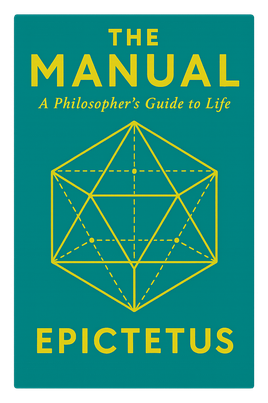
The dichotomy of control is a Stoic philosophy that draws a line between what you can change and what you cannot. According to the philosopher Epictetus, our own opinions, intentions, and actions are within our control. Conversely, other people’s opinions, our reputation, and external factors like the weather are outside of our power. The script argues that we suffer when we try to "hold smoke" by attempting to control things that are fundamentally external to us.
This need is rooted in evolutionary biology. For most of human history, being rejected by a tribe was a literal death sentence because individuals could not survive the wilderness alone. Consequently, our brains developed a hyper-sensitive social monitoring system that treats an awkward social interaction as a life-threatening predator. In the modern world, this "ancient hardware" causes us to over-prioritize social media validation and the opinions of strangers as if our physical safety depended on them.
Negative visualization is a Stoic exercise where you intentionally imagine the worst-case scenario, such as losing a job or failing a presentation. By mentally facing these disasters, you realize that even if they occurred, you would still possess your character and your life would go on. This practice takes the power away from the fear, reduces "analysis paralysis," and allows you to focus on the quality of your effort rather than being paralyzed by potential outcomes.
Building an "inner citadel" refers to creating an unshakable core of self-worth that external opinions cannot penetrate. It is developed by practicing indifference to both praise and blame, treating them as external data points rather than definitions of your soul. Tools to build this include "cognitive distancing"—observing your thoughts rather than obeying them—and "voluntary discomfort," which proves to yourself that you can be happy even without constant physical comfort or social applause.
Discover more

How to not care what others think of you.
How to not care what others think of you.
This learning plan is essential for anyone struggling with social anxiety, chronic people-pleasing, or a loud inner critic. It provides a roadmap for individuals seeking to reclaim their autonomy and build a life rooted in authentic self-worth rather than external validation.

Stop People Pleasing & Set Boundaries
Stop People Pleasing & Set Boundaries
Many individuals struggle with burnout and resentment because they prioritize others' needs over their own. This plan is ideal for anyone looking to reclaim their time and build self-respect through clear communication and firm boundaries.

Choose myself and reinforce my boundaries
Choose myself and reinforce my boundaries
This plan is designed for individuals who struggle with people-pleasing and feel drained by the demands of others. It provides a structured path to reclaiming your time and energy by building a foundation of self-worth and practical communication skills.

Be better at boundaries
Be better at boundaries
This plan is essential for anyone feeling overwhelmed by people-pleasing or struggling to maintain personal space. It provides a roadmap for individuals seeking to reclaim their time and energy by mastering the delicate balance of firmness and kindness.
Stop seeking validation; own my values.
Stop seeking validation; own my values.
In a world driven by social comparison, many professionals struggle with people-pleasing that leads to burnout and a loss of identity. This plan is designed for individuals looking to reclaim their agency, establish healthy boundaries, and lead with authentic confidence.

Set boundaries and assert myself confidently
Set boundaries and assert myself confidently
This plan is designed for individuals who struggle with people-pleasing or find it difficult to speak up in professional and personal settings. It provides a structured path from understanding self-worth to mastering the practical communication tools needed for healthy, respectful interactions.

Live mindfully and joyfully without judgment
Live mindfully and joyfully without judgment
In an increasingly distracted world, this plan offers a practical roadmap to reclaim your attention and emotional well-being. It is designed for anyone feeling overwhelmed by judgment or stress who seeks to build a life rooted in presence, compassion, and radical acceptance.
Achieve Life Balance
Achieve Life Balance
In an era of constant burnout, mastering the equilibrium between productivity and peace is essential for long-term success. This plan is ideal for professionals and individuals seeking to reclaim their time and mental health through actionable boundaries and mindfulness.
From Columbia University alumni built in San Francisco
"Instead of endless scrolling, I just hit play on BeFreed. It saves me so much time."


"I never knew where to start with nonfiction—BeFreed’s book lists turned into podcasts gave me a clear path."


"Perfect balance between learning and entertainment. Finished ‘Thinking, Fast and Slow’ on my commute this week."
"Crazy how much I learned while walking the dog. BeFreed = small habits → big gains."
"Reading used to feel like a chore. Now it’s just part of my lifestyle."

"Feels effortless compared to reading. I’ve finished 6 books this month already."
"BeFreed turned my guilty doomscrolling into something that feels productive and inspiring."

"BeFreed turned my commute into learning time. 20-min podcasts are perfect for finishing books I never had time for."
"BeFreed replaced my podcast queue. Imagine Spotify for books — that’s it. 🙌"

"It is great for me to learn something from the book without reading it."
"The themed book list podcasts help me connect ideas across authors—like a guided audio journey."
"Makes me feel smarter every time before going to work"
From Columbia University alumni built in San Francisco
"Instead of endless scrolling, I just hit play on BeFreed. It saves me so much time."
"I never knew where to start with nonfiction—BeFreed’s book lists turned into podcasts gave me a clear path."
"Perfect balance between learning and entertainment. Finished ‘Thinking, Fast and Slow’ on my commute this week."
"Crazy how much I learned while walking the dog. BeFreed = small habits → big gains."
"Reading used to feel like a chore. Now it’s just part of my lifestyle."
"Feels effortless compared to reading. I’ve finished 6 books this month already."
"BeFreed turned my guilty doomscrolling into something that feels productive and inspiring."
"BeFreed turned my commute into learning time. 20-min podcasts are perfect for finishing books I never had time for."
"BeFreed replaced my podcast queue. Imagine Spotify for books — that’s it. 🙌"
"It is great for me to learn something from the book without reading it."
"The themed book list podcasts help me connect ideas across authors—like a guided audio journey."
"Makes me feel smarter every time before going to work"
"Instead of endless scrolling, I just hit play on BeFreed. It saves me so much time."
"I never knew where to start with nonfiction—BeFreed’s book lists turned into podcasts gave me a clear path."
"Perfect balance between learning and entertainment. Finished ‘Thinking, Fast and Slow’ on my commute this week."
"Crazy how much I learned while walking the dog. BeFreed = small habits → big gains."
"Reading used to feel like a chore. Now it’s just part of my lifestyle."
"Feels effortless compared to reading. I’ve finished 6 books this month already."
"BeFreed turned my guilty doomscrolling into something that feels productive and inspiring."
"BeFreed turned my commute into learning time. 20-min podcasts are perfect for finishing books I never had time for."
"BeFreed replaced my podcast queue. Imagine Spotify for books — that’s it. 🙌"
"It is great for me to learn something from the book without reading it."
"The themed book list podcasts help me connect ideas across authors—like a guided audio journey."
"Makes me feel smarter every time before going to work"
"Instead of endless scrolling, I just hit play on BeFreed. It saves me so much time."
"I never knew where to start with nonfiction—BeFreed’s book lists turned into podcasts gave me a clear path."
"Perfect balance between learning and entertainment. Finished ‘Thinking, Fast and Slow’ on my commute this week."
"Crazy how much I learned while walking the dog. BeFreed = small habits → big gains."
"Reading used to feel like a chore. Now it’s just part of my lifestyle."
"Feels effortless compared to reading. I’ve finished 6 books this month already."
"BeFreed turned my guilty doomscrolling into something that feels productive and inspiring."
"BeFreed turned my commute into learning time. 20-min podcasts are perfect for finishing books I never had time for."
"BeFreed replaced my podcast queue. Imagine Spotify for books — that’s it. 🙌"
"It is great for me to learn something from the book without reading it."
"The themed book list podcasts help me connect ideas across authors—like a guided audio journey."
"Makes me feel smarter every time before going to work"


![Facing Codependence [ABRIDGED]](/_next/image?url=https%3A%2F%2Fd3lvzgn0lx7rb2.cloudfront.net%2Fcovers%2F1d91cc59-653c-487c-bb06-0a03ac09820d%2Fimage_resized.webp&w=1024&q=50)


