
Protecting Your Peace Without the Guilt
Stop treating your needs as optional. Learn how to manage your energy battery, overcome the pressure of digital competition, and master the quiet power of saying no without feeling like you've let the world down.

Best quote from Protecting Your Peace Without the Guilt
Self-care isn’t actually about those big, occasional recharges; it’s about managing your energy like a battery that needs small, consistent charges throughout the day just to function.

This audio lesson was created by a BeFreed community member
Why is taking care of myself hard like not posting like leaving energy drinks like putting me first and not feeling bad about it… like not looking at the competition or ppl who try to pull on my energy

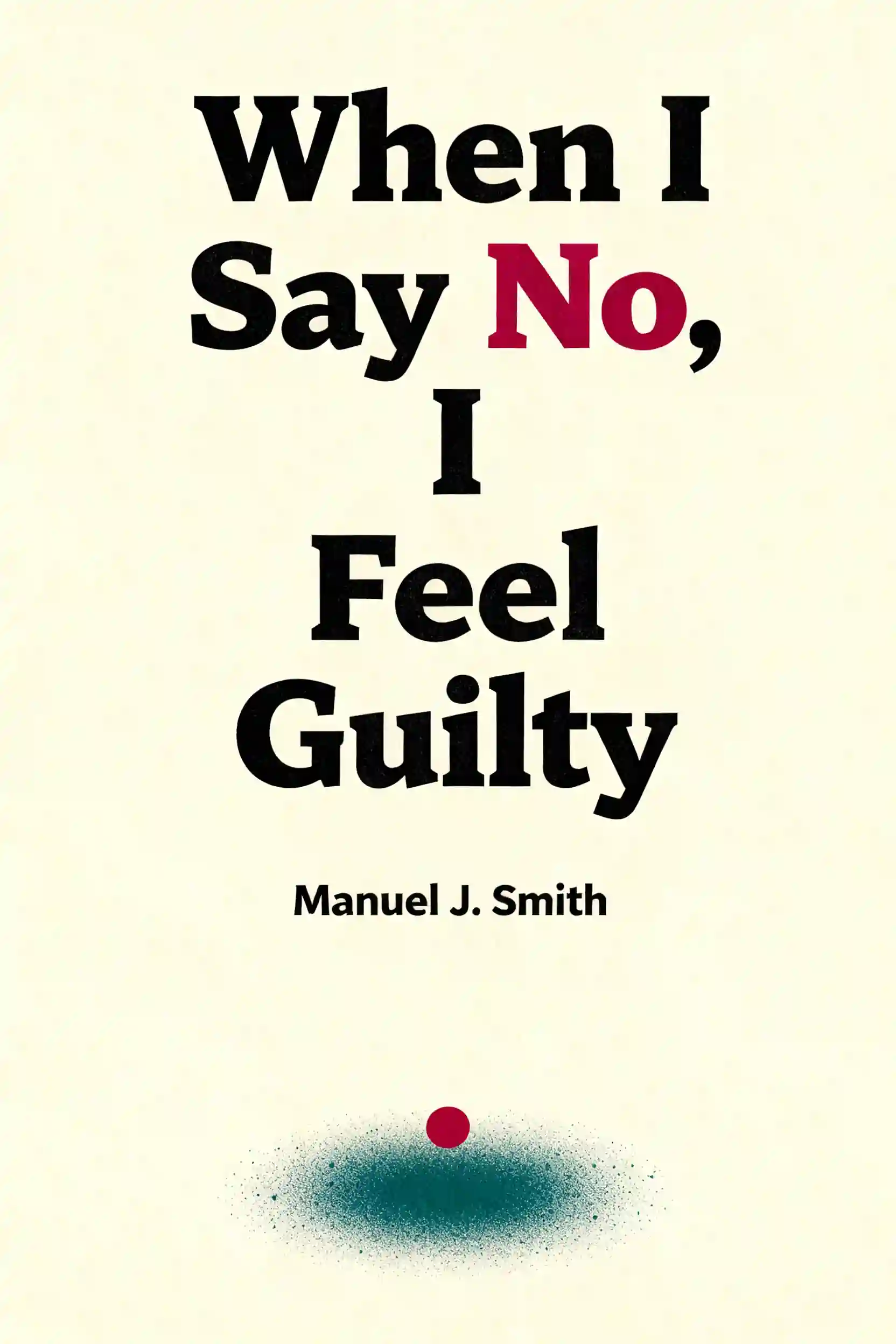

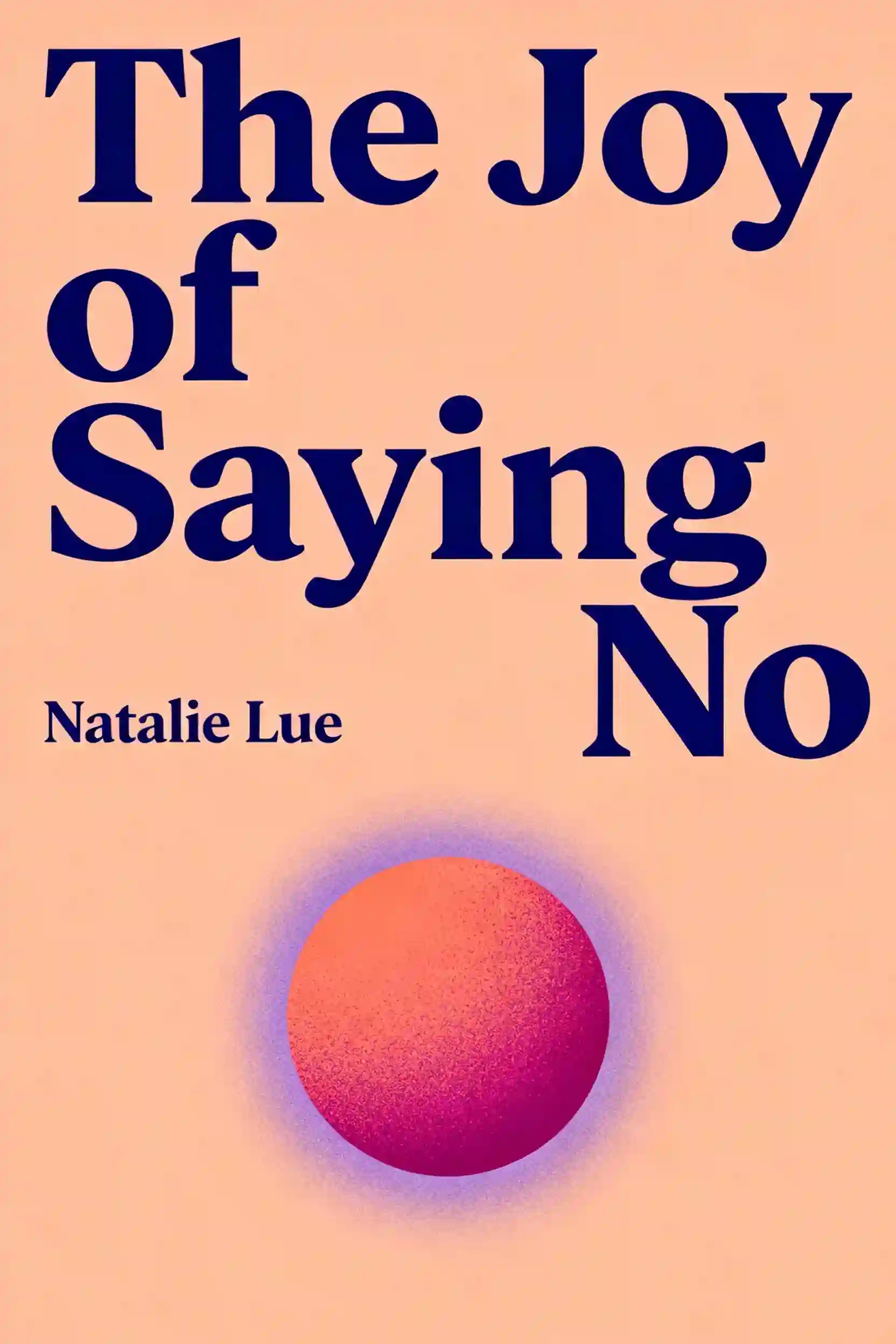
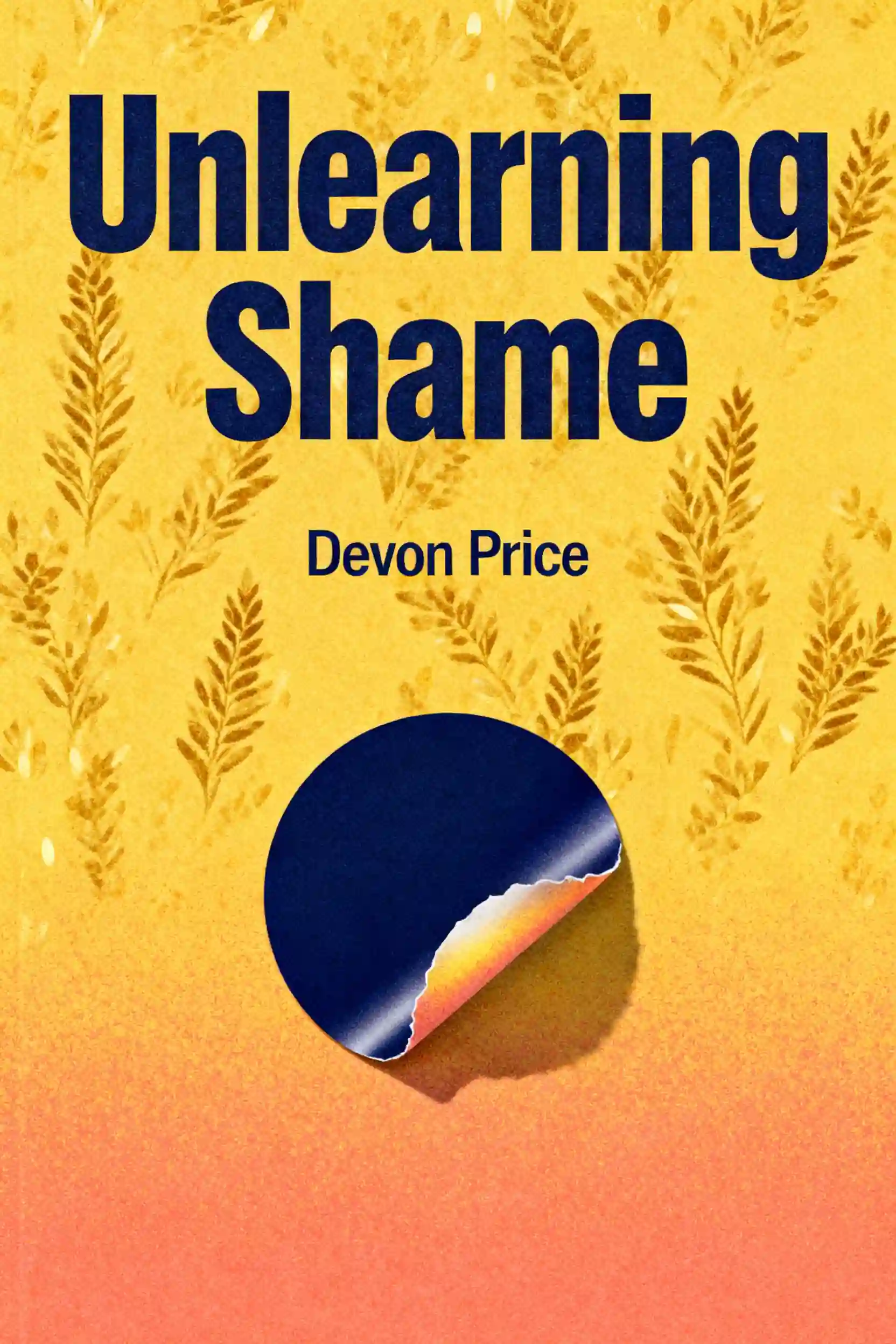
Frequently Asked Questions
Self-pampering refers to occasional treats or "vanity measures," such as expensive pedicures or beach vacations, which are lovely but not essential. In contrast, self-care is described as basic hygiene for the soul, comparable to brushing your teeth or showering. It involves the fundamental maintenance of your energy and mental health, which should be viewed as a necessity rather than a luxury or something that must be earned.
This sluggishness is a result of neurochemical recalibration rather than a lack of willpower. Caffeine works by blocking adenosine, the chemical that signals tiredness; in response, the brain builds more receptors to catch those signals. When you reduce caffeine intake, these extra receptors are suddenly flooded with adenosine, leading to "flu-like" fatigue and headaches. A gradual taper is recommended to give the brain time to "prune" these extra receptors.
Setting boundaries prevents the "moral saint" trap or "parentified" dynamic where one person gives until they are hollow and resentful. By saying "no," you allow others to develop their own sense of competence and capability rather than keeping them in a role of passive receivers. According to the "Indra’s Net" metaphor, maintaining your own well-being ensures you are a healthy, reflective part of the community, whereas neglecting yourself eventually dulls the reflection for everyone else.
Many people operate under a "medical model expectation," believing that if a solution isn't a clinical pill or an expensive therapy session, it isn't serious or effective. This skepticism, or "NBI hesitancy," often stems from the belief that simple acts like walking in the woods cannot solve complex life problems. Additionally, some may experience "biophobia" (an aversion to nature) or "the social curse," where the pressure to perform or interact in a group setting becomes an energy drain rather than a recharge.
Assertive communication involves being direct and honest using "I" statements to express your needs without attacking the other person's demands. For example, instead of blaming a boss for a heavy workload, you might say, "I need to leave by six to spend time with my family." It is helpful to script these responses beforehand to remove emotional heat and to remember that "no" is a complete sentence that does not require a mountain of justifications.
Discover more

Set boundaries without guilt
Set boundaries without guilt
This learning plan is essential for anyone who struggles with saying no, feels guilty prioritizing their own needs, or finds themselves exhausted from overcommitting. It's particularly valuable for people-pleasers, caregivers, professionals dealing with demanding workloads, and anyone in challenging family or relationship dynamics who wants to reclaim their time, energy, and self-respect.

Master guilt-free, respectful "no" at work
Master guilt-free, respectful "no" at work
In today's always-on work culture, the inability to set boundaries leads to burnout, resentment, and diminished performance. This learning plan equips professionals with the psychological insights and practical communication tools to say no respectfully, preserving both relationships and personal wellbeing.
Stop people pleasing and set boundaries
Stop people pleasing and set boundaries
Many individuals struggle with burnout and resentment because they prioritize others' approval over their own needs. This plan is ideal for anyone feeling drained by social obligations or seeking the confidence to stand their ground in personal and professional relationships.

Be better at boundaries
Be better at boundaries
This plan is essential for anyone feeling overwhelmed by people-pleasing or struggling to maintain personal space. It provides a roadmap for individuals seeking to reclaim their time and energy by mastering the delicate balance of firmness and kindness.

Focus on self, ignore others' opinions.
Focus on self, ignore others' opinions.
In a world driven by social media and constant comparison, many struggle with the paralyzing need for approval. This plan is designed for individuals feeling drained by people-pleasing who want to reclaim their autonomy and build a life rooted in their own values.
How to be enough
How to be enough
This plan is essential for high-achievers and individuals struggling with burnout or chronic people-pleasing. It provides a structured path to transition from external validation to internal security, making it ideal for anyone seeking to reclaim their identity and peace of mind.

How to not care what others think of you.
How to not care what others think of you.
This learning plan is essential for anyone struggling with social anxiety, chronic people-pleasing, or a loud inner critic. It provides a roadmap for individuals seeking to reclaim their autonomy and build a life rooted in authentic self-worth rather than external validation.
Achieve Life Balance
Achieve Life Balance
In an era of constant connectivity, mastering the art of boundaries and energy management is essential for long-term health. This plan is designed for professionals and individuals feeling overwhelmed by competing demands who seek a sustainable path to both productivity and peace.
From Columbia University alumni built in San Francisco
"Instead of endless scrolling, I just hit play on BeFreed. It saves me so much time."


"I never knew where to start with nonfiction—BeFreed’s book lists turned into podcasts gave me a clear path."


"Perfect balance between learning and entertainment. Finished ‘Thinking, Fast and Slow’ on my commute this week."
"Crazy how much I learned while walking the dog. BeFreed = small habits → big gains."
"Reading used to feel like a chore. Now it’s just part of my lifestyle."

"Feels effortless compared to reading. I’ve finished 6 books this month already."
"BeFreed turned my guilty doomscrolling into something that feels productive and inspiring."

"BeFreed turned my commute into learning time. 20-min podcasts are perfect for finishing books I never had time for."
"BeFreed replaced my podcast queue. Imagine Spotify for books — that’s it. 🙌"

"It is great for me to learn something from the book without reading it."
"The themed book list podcasts help me connect ideas across authors—like a guided audio journey."
"Makes me feel smarter every time before going to work"
From Columbia University alumni built in San Francisco
"Instead of endless scrolling, I just hit play on BeFreed. It saves me so much time."
"I never knew where to start with nonfiction—BeFreed’s book lists turned into podcasts gave me a clear path."
"Perfect balance between learning and entertainment. Finished ‘Thinking, Fast and Slow’ on my commute this week."
"Crazy how much I learned while walking the dog. BeFreed = small habits → big gains."
"Reading used to feel like a chore. Now it’s just part of my lifestyle."
"Feels effortless compared to reading. I’ve finished 6 books this month already."
"BeFreed turned my guilty doomscrolling into something that feels productive and inspiring."
"BeFreed turned my commute into learning time. 20-min podcasts are perfect for finishing books I never had time for."
"BeFreed replaced my podcast queue. Imagine Spotify for books — that’s it. 🙌"
"It is great for me to learn something from the book without reading it."
"The themed book list podcasts help me connect ideas across authors—like a guided audio journey."
"Makes me feel smarter every time before going to work"
"Instead of endless scrolling, I just hit play on BeFreed. It saves me so much time."
"I never knew where to start with nonfiction—BeFreed’s book lists turned into podcasts gave me a clear path."
"Perfect balance between learning and entertainment. Finished ‘Thinking, Fast and Slow’ on my commute this week."
"Crazy how much I learned while walking the dog. BeFreed = small habits → big gains."
"Reading used to feel like a chore. Now it’s just part of my lifestyle."
"Feels effortless compared to reading. I’ve finished 6 books this month already."
"BeFreed turned my guilty doomscrolling into something that feels productive and inspiring."
"BeFreed turned my commute into learning time. 20-min podcasts are perfect for finishing books I never had time for."
"BeFreed replaced my podcast queue. Imagine Spotify for books — that’s it. 🙌"
"It is great for me to learn something from the book without reading it."
"The themed book list podcasts help me connect ideas across authors—like a guided audio journey."
"Makes me feel smarter every time before going to work"
"Instead of endless scrolling, I just hit play on BeFreed. It saves me so much time."
"I never knew where to start with nonfiction—BeFreed’s book lists turned into podcasts gave me a clear path."
"Perfect balance between learning and entertainment. Finished ‘Thinking, Fast and Slow’ on my commute this week."
"Crazy how much I learned while walking the dog. BeFreed = small habits → big gains."
"Reading used to feel like a chore. Now it’s just part of my lifestyle."
"Feels effortless compared to reading. I’ve finished 6 books this month already."
"BeFreed turned my guilty doomscrolling into something that feels productive and inspiring."
"BeFreed turned my commute into learning time. 20-min podcasts are perfect for finishing books I never had time for."
"BeFreed replaced my podcast queue. Imagine Spotify for books — that’s it. 🙌"
"It is great for me to learn something from the book without reading it."
"The themed book list podcasts help me connect ideas across authors—like a guided audio journey."
"Makes me feel smarter every time before going to work"


![Facing Codependence [ABRIDGED]](/_next/image?url=https%3A%2F%2Fd3lvzgn0lx7rb2.cloudfront.net%2Fcovers%2F1d91cc59-653c-487c-bb06-0a03ac09820d%2Fimage_resized.webp&w=1024&q=50)


