
Healing from a Trauma Bond and Emotional Whiplash
Recovering from a volatile relationship is a physiological process. Learn why your brain gets hooked on the cycle and how to reclaim your identity.

Best quote from Healing from a Trauma Bond and Emotional Whiplash
You aren't 'weak' for staying; your nervous system literally got hooked on the hope of the 'good version' of them.

This audio lesson was created by a BeFreed community member
How to overcome the wounds of a psychologically scarring relationship with someone that had so many psychological wounds of their own

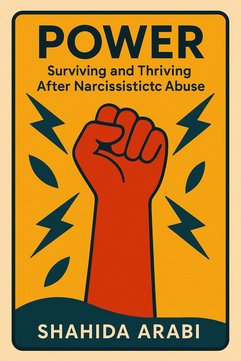
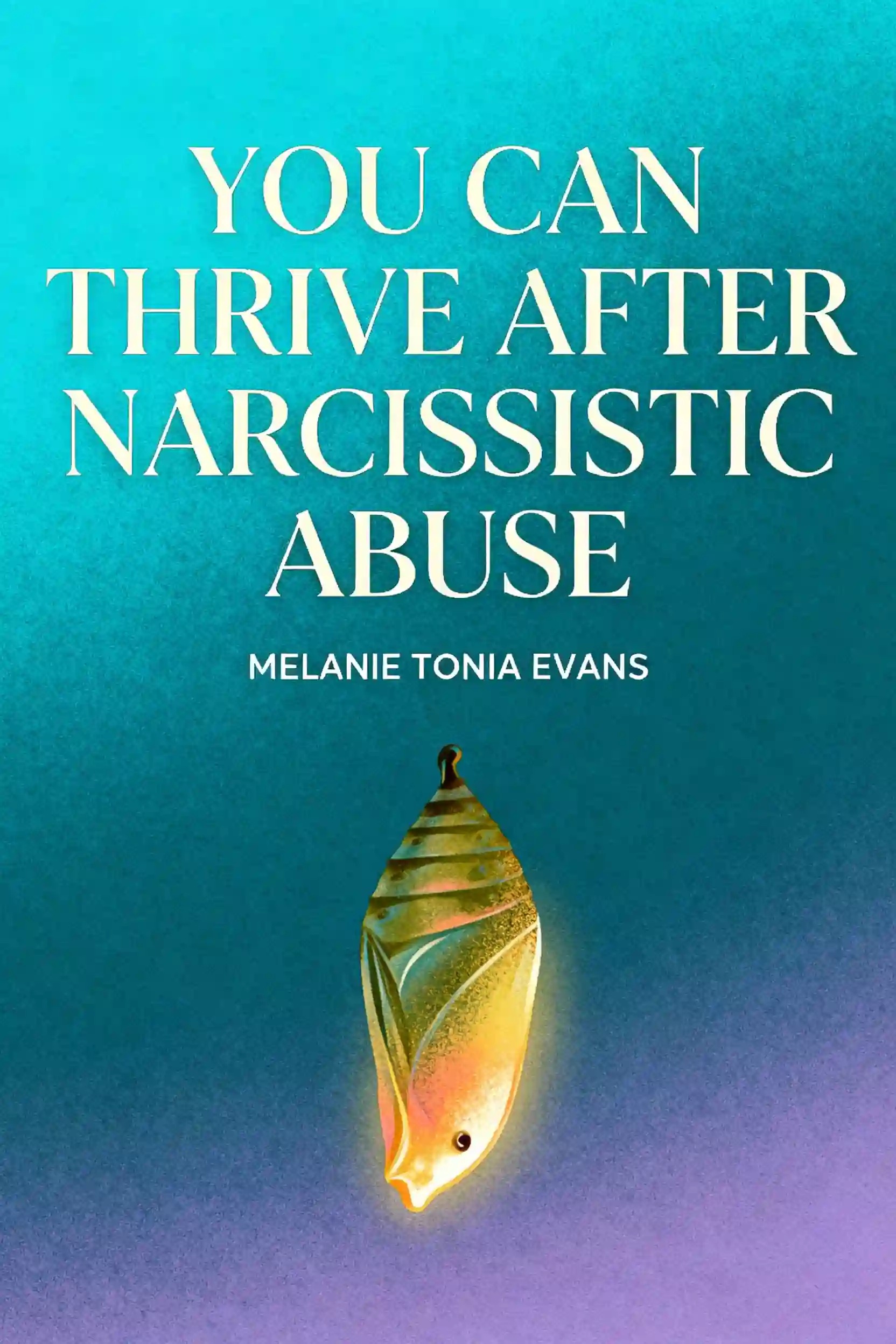
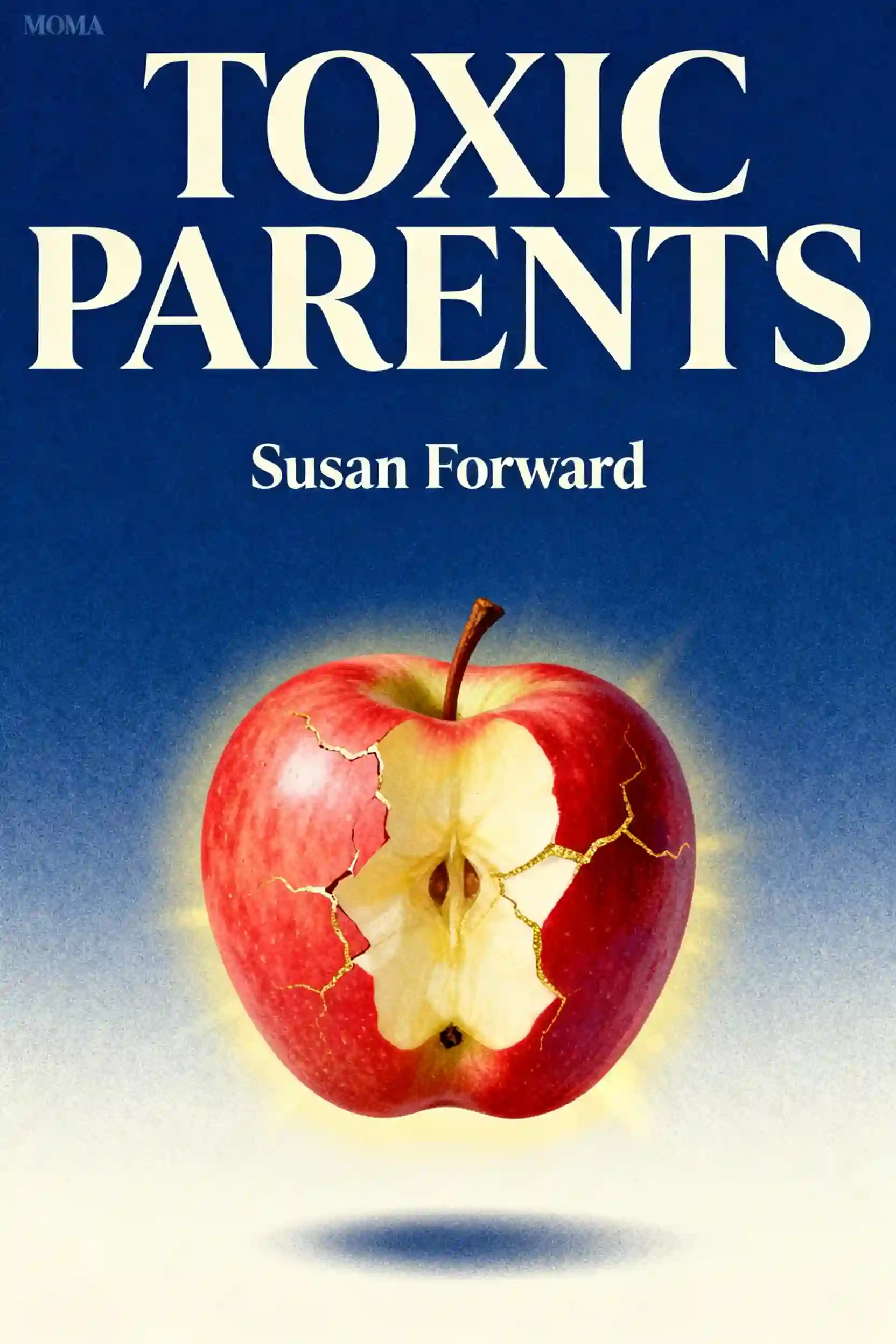

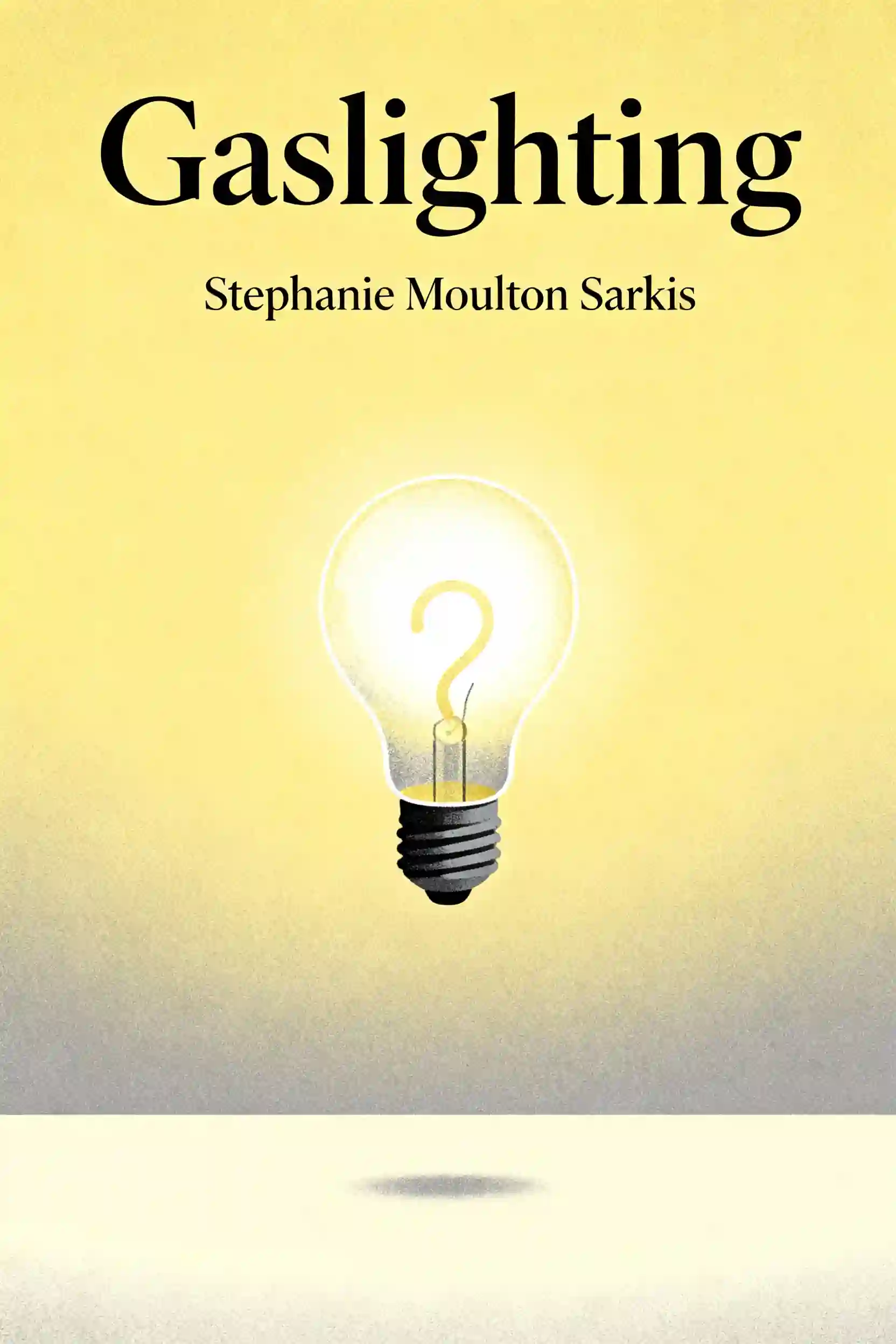
![Facing Codependence [ABRIDGED]](https://d1y2du6z1jfm9e.cloudfront.net/covers/1d91cc59-653c-487c-bb06-0a03ac09820d/image_resized.webp)
Frequently Asked Questions
Splitting is a clinical defense mechanism often associated with Borderline Personality Disorder where an individual views others in extremes—either as all good (the savior) or all bad (the villain). In a relationship, this creates "emotional whiplash" for the partner, who may be idealized and put on a pedestal one moment, only to be devalued and treated cruelly the next. This happens because the individual lacks "object constancy," meaning they cannot remember that someone is still a good person when they feel angry or threatened.
The difficulty in leaving is often due to a "trauma bond" fueled by intermittent reinforcement, which works similarly to a gambling addiction. When a partner is cruel, the brain is flooded with stress hormones like cortisol; when they return to being loving, the brain receives a massive hit of dopamine and oxytocin as relief. This chemical cycle creates a physiological dependency, making the process of leaving feel like actual drug withdrawal. Additionally, the brain needs approximately 11 weeks to begin rebuilding dopamine receptors after such a bond is broken.
Identity erosion occurs when a person’s "internal locus of evaluation" crumbles due to consistent gaslighting and devaluation. Psychologically, this manifests as chronic hypervigilance, cognitive dissonance, and potentially Complex PTSD, where the survivor experiences "emotional flashbacks" of worthlessness. Physically, the chronic stress can lead to a "somatic toll," resulting in autoimmune issues, digestive problems like IBS, migraines, and fibromyalgia. Often, the body may "crash" or feel worse immediately after leaving because it is finally safe enough to stop functioning in survival mode.
The Grey Rock method is a strategy used during the "Safety and Stabilization" stage of recovery, particularly when "No Contact" is impossible, such as when co-parenting. It involves becoming as uninteresting and unreactive as a pebble on the ground to avoid providing the abuser with "emotional supply." This means stopping all "JADE-ing" (Justifying, Arguing, Defending, or Explaining), as the abuser typically uses such explanations as ammunition rather than seeking genuine understanding.
Post-Traumatic Growth is a stage where a survivor doesn't just return to their old self but expands into a version of themselves with a new depth of empathy and sharpened discernment. It involves moving from a "victim" narrative to becoming the "author" of one's own story. Survivors often find a new appreciation for "peace" and "stability," even if it initially feels "boring" compared to the high-conflict chaos of the past. This growth results in a stable foundation where the individual's self-concept is finally aligned with their actual experience.
Discover more

Heal trauma for better bonds
Heal trauma for better bonds
This learning plan is essential for anyone whose past experiences—whether childhood wounds, past relationships, or other traumas—continue to impact their ability to form healthy, secure connections. It's particularly valuable for those struggling with relationship anxiety, emotional avoidance, or repeating unhealthy patterns, offering a science-backed roadmap from understanding trauma's effects to building the secure, intimate relationships they deserve.
Recover from betrayal & life-changing breakup
Recover from betrayal & life-changing breakup
Betrayal in intimate relationships can shatter your sense of self and security, leaving deep emotional wounds that require intentional healing. This learning plan provides evidence-based strategies for processing trauma, rebuilding self-worth, and creating a foundation for healthy relationships after experiencing significant betrayal.

Heal from Bipolar Narcissist & Infidelity
Heal from Bipolar Narcissist & Infidelity
This plan is designed for individuals navigating the aftermath of complex betrayal trauma and emotional abuse. It provides a structured path to physiological healing and psychological empowerment for those ready to reclaim their identity.

Heal trauma to regain control
Heal trauma to regain control
This learning plan is essential for anyone struggling with the lasting effects of trauma who feels stuck in survival mode or disconnected from their body. It's particularly valuable for those who've tried traditional therapy but still experience triggers, hypervigilance, or emotional numbness, offering a comprehensive approach that addresses trauma where it lives—in the nervous system and body.

Let go of past trauma
Let go of past trauma
This learning plan is designed for individuals seeking to move beyond traditional talk therapy by addressing the somatic and neurological roots of trauma. It provides a comprehensive roadmap for anyone feeling stuck in survival mode who wants to reclaim their sense of safety and emotional wholeness.
Heal abandonment and attachment issues
Heal abandonment and attachment issues
This plan is designed for individuals struggling with relationship instability or deep-seated fears of abandonment. It offers a trauma-informed path to move from reactive patterns to earned secure attachment by healing the nervous system.

i’d like to learn better on how to move on from a toxic relationship
i’d like to learn better on how to move on from a toxic relationship
Breaking free from toxic relationships requires understanding, healing, and rebuilding. This learning plan guides those struggling with unhealthy relationship patterns through recognition, recovery, and renewal, empowering them to create healthier connections while prioritizing their emotional wellbeing.
Heal, slow down, speak well & find love.
Heal, slow down, speak well & find love.
This plan is designed for individuals seeking to recover from past trauma while improving their interpersonal effectiveness. It provides a holistic approach to personal growth by combining emotional healing with practical communication and relationship skills.
From Columbia University alumni built in San Francisco
"Instead of endless scrolling, I just hit play on BeFreed. It saves me so much time."


"I never knew where to start with nonfiction—BeFreed’s book lists turned into podcasts gave me a clear path."


"Perfect balance between learning and entertainment. Finished ‘Thinking, Fast and Slow’ on my commute this week."
"Crazy how much I learned while walking the dog. BeFreed = small habits → big gains."
"Reading used to feel like a chore. Now it’s just part of my lifestyle."

"Feels effortless compared to reading. I’ve finished 6 books this month already."
"BeFreed turned my guilty doomscrolling into something that feels productive and inspiring."

"BeFreed turned my commute into learning time. 20-min podcasts are perfect for finishing books I never had time for."
"BeFreed replaced my podcast queue. Imagine Spotify for books — that’s it. 🙌"

"It is great for me to learn something from the book without reading it."
"The themed book list podcasts help me connect ideas across authors—like a guided audio journey."
"Makes me feel smarter every time before going to work"
From Columbia University alumni built in San Francisco
"Instead of endless scrolling, I just hit play on BeFreed. It saves me so much time."
"I never knew where to start with nonfiction—BeFreed’s book lists turned into podcasts gave me a clear path."
"Perfect balance between learning and entertainment. Finished ‘Thinking, Fast and Slow’ on my commute this week."
"Crazy how much I learned while walking the dog. BeFreed = small habits → big gains."
"Reading used to feel like a chore. Now it’s just part of my lifestyle."
"Feels effortless compared to reading. I’ve finished 6 books this month already."
"BeFreed turned my guilty doomscrolling into something that feels productive and inspiring."
"BeFreed turned my commute into learning time. 20-min podcasts are perfect for finishing books I never had time for."
"BeFreed replaced my podcast queue. Imagine Spotify for books — that’s it. 🙌"
"It is great for me to learn something from the book without reading it."
"The themed book list podcasts help me connect ideas across authors—like a guided audio journey."
"Makes me feel smarter every time before going to work"
"Instead of endless scrolling, I just hit play on BeFreed. It saves me so much time."
"I never knew where to start with nonfiction—BeFreed’s book lists turned into podcasts gave me a clear path."
"Perfect balance between learning and entertainment. Finished ‘Thinking, Fast and Slow’ on my commute this week."
"Crazy how much I learned while walking the dog. BeFreed = small habits → big gains."
"Reading used to feel like a chore. Now it’s just part of my lifestyle."
"Feels effortless compared to reading. I’ve finished 6 books this month already."
"BeFreed turned my guilty doomscrolling into something that feels productive and inspiring."
"BeFreed turned my commute into learning time. 20-min podcasts are perfect for finishing books I never had time for."
"BeFreed replaced my podcast queue. Imagine Spotify for books — that’s it. 🙌"
"It is great for me to learn something from the book without reading it."
"The themed book list podcasts help me connect ideas across authors—like a guided audio journey."
"Makes me feel smarter every time before going to work"
"Instead of endless scrolling, I just hit play on BeFreed. It saves me so much time."
"I never knew where to start with nonfiction—BeFreed’s book lists turned into podcasts gave me a clear path."
"Perfect balance between learning and entertainment. Finished ‘Thinking, Fast and Slow’ on my commute this week."
"Crazy how much I learned while walking the dog. BeFreed = small habits → big gains."
"Reading used to feel like a chore. Now it’s just part of my lifestyle."
"Feels effortless compared to reading. I’ve finished 6 books this month already."
"BeFreed turned my guilty doomscrolling into something that feels productive and inspiring."
"BeFreed turned my commute into learning time. 20-min podcasts are perfect for finishing books I never had time for."
"BeFreed replaced my podcast queue. Imagine Spotify for books — that’s it. 🙌"
"It is great for me to learn something from the book without reading it."
"The themed book list podcasts help me connect ideas across authors—like a guided audio journey."
"Makes me feel smarter every time before going to work"


