
Desigualdad estructural: por qué la riqueza no gotea
Exploramos cómo el capital y la cultura perpetúan la brecha social. Jackson y Nia analizan por qué el sistema actual favorece la herencia sobre el mérito.

Best quote from Desigualdad estructural: por qué la riqueza no gotea
La desigualdad no es un accidente, sino el resultado de un sistema donde el rendimiento del capital crece más rápido que la economía real, permitiendo que la riqueza heredada pese mucho más que el esfuerzo o el talento.

This audio lesson was created by a BeFreed community member
Analiza la desigualdad social actual usando a Piketty, Bourdieu y el concepto de interseccionalidad de Crenshaw. ¿Por qué la brecha rica-pobre crece? ¿Qué papel juegan la herencia, la educación y la raza? Presenta datos concretos y marcos teóricos para entender la estratificación contemporánea. Tono riguroso y comprometido.

Frequently Asked Questions
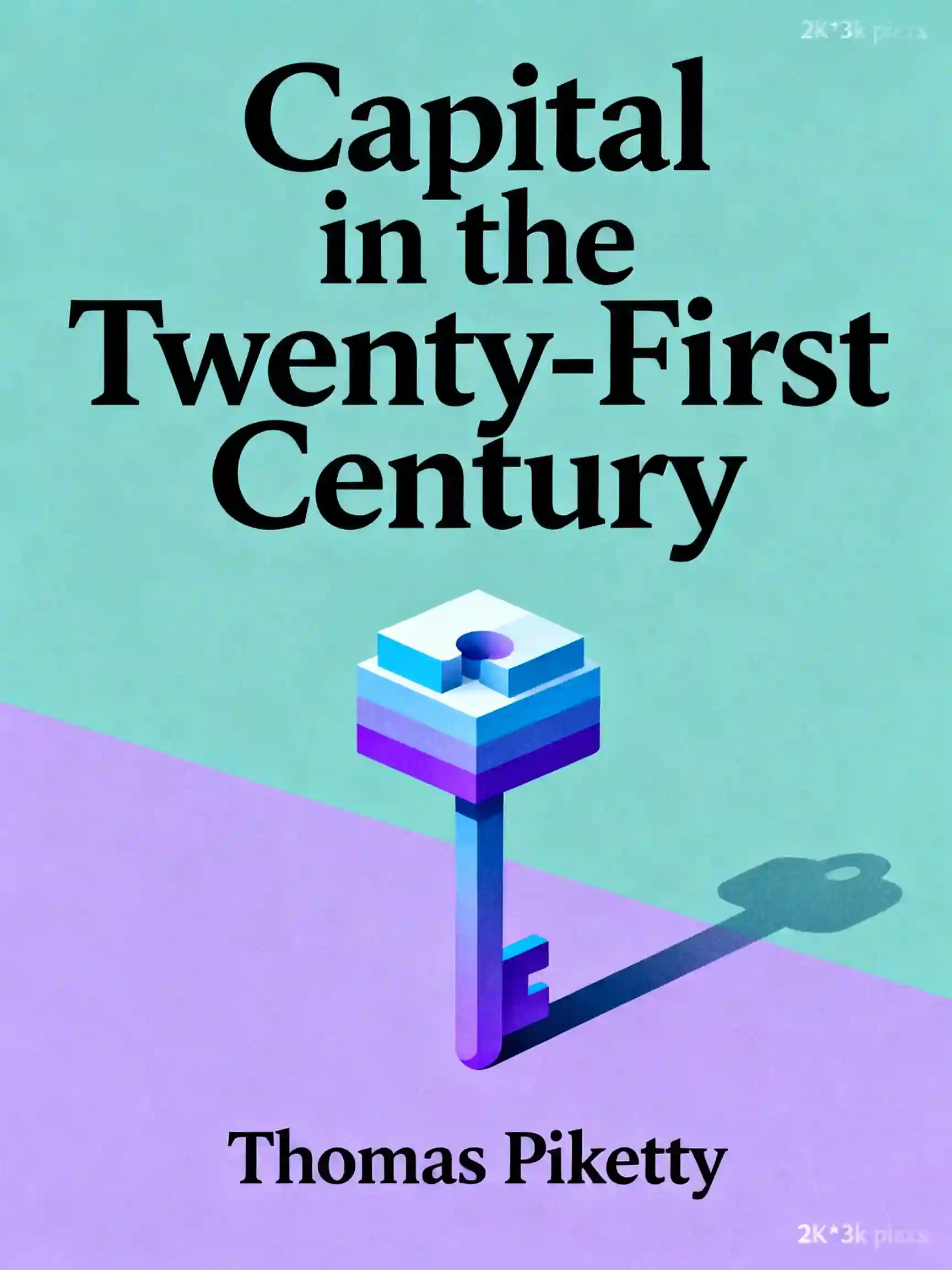
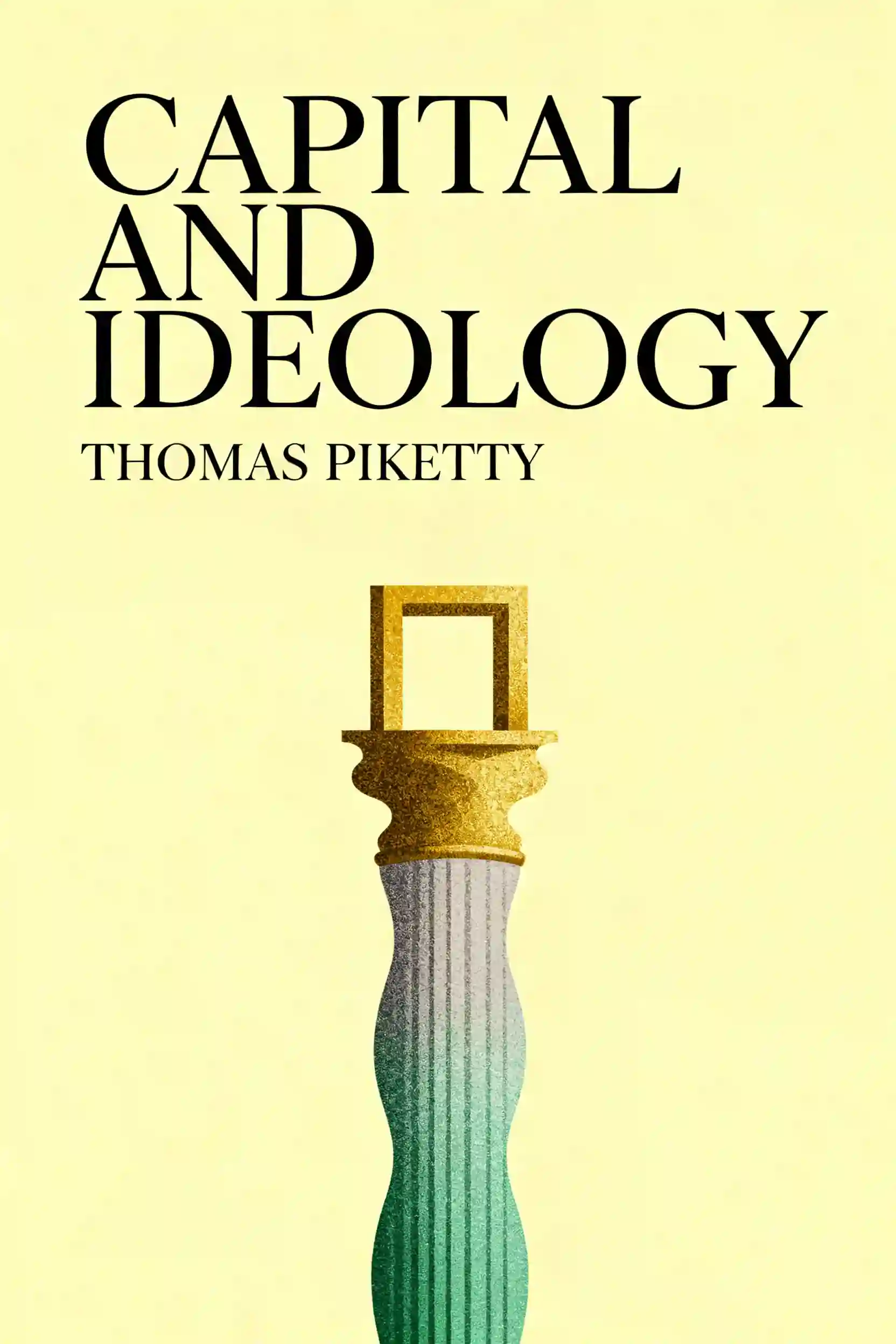
The formula, popularized by economist Thomas Piketty, states that the net rate of return on capital (r) grows faster than the growth of the economy and wages (g). In practical terms, this means that wealth accumulated through assets like stocks, properties, and inheritance multiplies at a much higher speed than wealth earned through labor. This mathematical reality creates a "suction" effect where wealth moves upward, making it nearly impossible for those starting from zero to catch up to those who already possess inherited capital, regardless of their effort or talent.
According to the theories of Pierre Bourdieu discussed in the script, inequality is not just about money but also about inherited social codes known as "habitus." This includes one's way of speaking, dressing, and navigating social circles. The educational system often rewards the habitus of the upper classes—viewing it as natural "brilliance"—while penalizing those from lower-resource backgrounds. Consequently, schools often function as filters that legitimize existing privileges rather than acting as neutral equalizers, as success often depends on the cultural tools a student brings from home.
Intersectionality, a term coined by Kimberlé Crenshaw, suggests that different forms of exclusion—such as race, gender, and class—do not operate independently but overlap and deepen one another. The script explains that a person's experience of inequality is not "colorblind"; for example, a racialized woman in the global south faces a "triple gap" of class, gender, and colonial history. Understanding inequality through this lens reveals why certain groups are disproportionately represented in poverty and why the market assigns different values to "capital humano" based on ancestral prejudices.
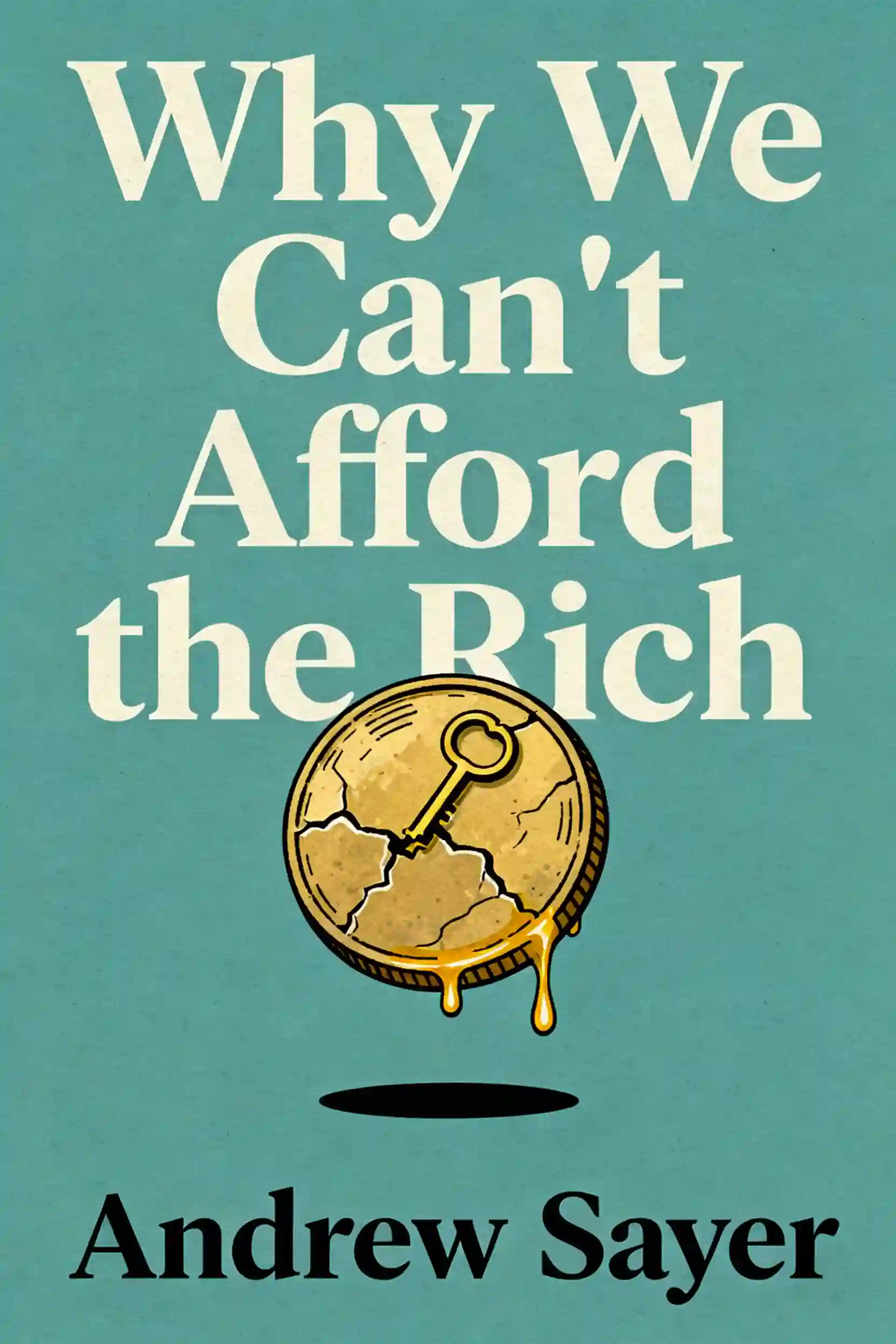
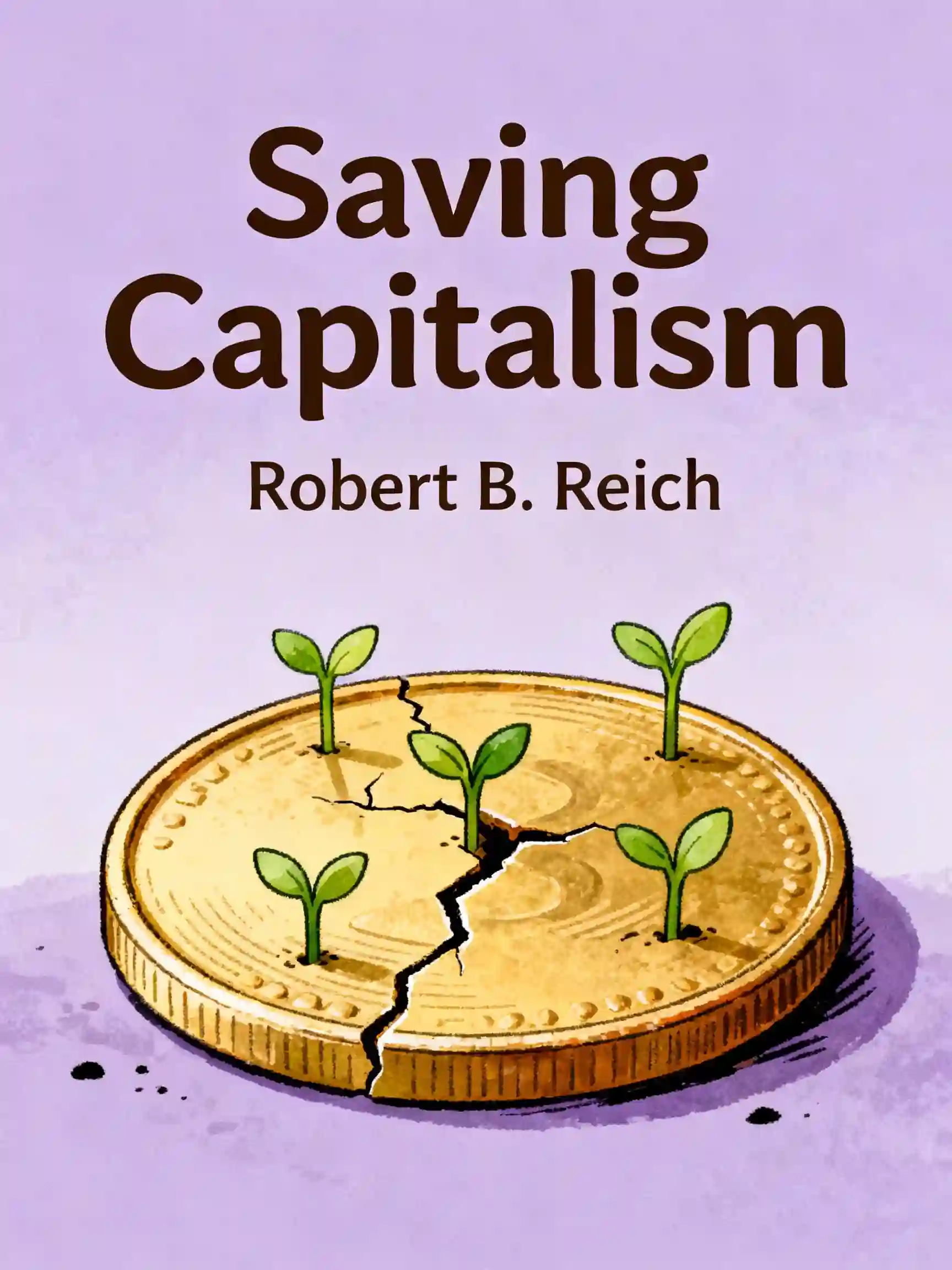
The script argues, citing Robert Reich, that the "free market" is a myth because market rules are actively written and designed by those in power. Laws regarding intellectual property, banking regulations, and tax structures are often tilted to favor large corporations and the wealthy. Inequality is therefore described not as a failure of the system, but as the system functioning exactly as designed by those with the power to lobby for favorable rules. This "capture of the state" ensures that the legal framework protects capital and "unearned income" (like rent) over the interests of workers.
The script suggests that meritocracy is often used as an ideological narrative to justify vast disparities, convincing people that those at the top are there solely due to superior effort or intelligence. However, data shows that factors like the country of birth and parental social class are the most reliable predictors of economic success. By focusing on individual "merit," the system shifts the blame for poverty onto the individual, which prevents people from questioning the structural mechanisms—such as inheritance and unequal access to quality education—that predetermine success before a person is even born.
Discover more

Wealth and power breed social disconnection
Wealth and power breed social disconnection
Research consistently shows that power and wealth can fundamentally alter how people perceive and interact with others, often leading to reduced empathy and increased social distance. This learning plan is ideal for leaders, policymakers, wealth holders, and anyone interested in understanding how power dynamics shape social relationships and how to counteract their negative effects.

Study Social Sciences, Wealth & Innovation
Study Social Sciences, Wealth & Innovation
This plan bridges the gap between social theory and practical wealth creation, offering a blueprint for those who want to innovate with purpose. It is ideal for aspiring entrepreneurs, investors, and change-makers looking to understand the systemic forces that drive both profit and societal progress.

Billionaire Dream vs. Family's IAS Goal
Billionaire Dream vs. Family's IAS Goal
This plan is essential for high-achievers torn between personal entrepreneurial drive and traditional family career expectations. It provides the psychological tools and strategic frameworks needed to bridge the gap between building wealth and honoring heritage.

Money, Desire, Gender & Identity Exploration
Money, Desire, Gender & Identity Exploration
This plan is essential for individuals seeking to understand how societal norms and psychological triggers shape their relationship with wealth and selfhood. It is ideal for those looking to dismantle binary assumptions and align their financial life with a more authentic personal identity.
Getting wealthy
Getting wealthy
This comprehensive guide bridges the gap between basic financial literacy and elite wealth management. It is designed for ambitious individuals ready to transition from traditional employment to scalable entrepreneurship and sophisticated investing.
Capitalism destroys human morals and society
Capitalism destroys human morals and society
This learning plan provides a critical framework for understanding how market logic reshapes human psychology and social structures. It is essential for students of sociology, political economy, or anyone seeking to understand the systemic roots of modern inequality and social fragmentation.
Sociologia jurídica
Sociologia jurídica
Este plan es esencial para entender el derecho no solo como norma, sino como un fenómeno social vivo. Es ideal para estudiantes de leyes, sociólogos y profesionales interesados en cómo el sistema legal moldea y es moldeado por la realidad humana.

Explore Investing, Economics & Culture
Explore Investing, Economics & Culture
This plan bridges the gap between technical market mechanics and the psychological or cultural forces that drive global economies. It is designed for ambitious individuals seeking to move beyond basic trading to a holistic understanding of wealth and society.
From Columbia University alumni built in San Francisco
"Instead of endless scrolling, I just hit play on BeFreed. It saves me so much time."


"I never knew where to start with nonfiction—BeFreed’s book lists turned into podcasts gave me a clear path."


"Perfect balance between learning and entertainment. Finished ‘Thinking, Fast and Slow’ on my commute this week."
"Crazy how much I learned while walking the dog. BeFreed = small habits → big gains."
"Reading used to feel like a chore. Now it’s just part of my lifestyle."

"Feels effortless compared to reading. I’ve finished 6 books this month already."
"BeFreed turned my guilty doomscrolling into something that feels productive and inspiring."

"BeFreed turned my commute into learning time. 20-min podcasts are perfect for finishing books I never had time for."
"BeFreed replaced my podcast queue. Imagine Spotify for books — that’s it. 🙌"

"It is great for me to learn something from the book without reading it."
"The themed book list podcasts help me connect ideas across authors—like a guided audio journey."
"Makes me feel smarter every time before going to work"
From Columbia University alumni built in San Francisco
"Instead of endless scrolling, I just hit play on BeFreed. It saves me so much time."
"I never knew where to start with nonfiction—BeFreed’s book lists turned into podcasts gave me a clear path."
"Perfect balance between learning and entertainment. Finished ‘Thinking, Fast and Slow’ on my commute this week."
"Crazy how much I learned while walking the dog. BeFreed = small habits → big gains."
"Reading used to feel like a chore. Now it’s just part of my lifestyle."
"Feels effortless compared to reading. I’ve finished 6 books this month already."
"BeFreed turned my guilty doomscrolling into something that feels productive and inspiring."
"BeFreed turned my commute into learning time. 20-min podcasts are perfect for finishing books I never had time for."
"BeFreed replaced my podcast queue. Imagine Spotify for books — that’s it. 🙌"
"It is great for me to learn something from the book without reading it."
"The themed book list podcasts help me connect ideas across authors—like a guided audio journey."
"Makes me feel smarter every time before going to work"
"Instead of endless scrolling, I just hit play on BeFreed. It saves me so much time."
"I never knew where to start with nonfiction—BeFreed’s book lists turned into podcasts gave me a clear path."
"Perfect balance between learning and entertainment. Finished ‘Thinking, Fast and Slow’ on my commute this week."
"Crazy how much I learned while walking the dog. BeFreed = small habits → big gains."
"Reading used to feel like a chore. Now it’s just part of my lifestyle."
"Feels effortless compared to reading. I’ve finished 6 books this month already."
"BeFreed turned my guilty doomscrolling into something that feels productive and inspiring."
"BeFreed turned my commute into learning time. 20-min podcasts are perfect for finishing books I never had time for."
"BeFreed replaced my podcast queue. Imagine Spotify for books — that’s it. 🙌"
"It is great for me to learn something from the book without reading it."
"The themed book list podcasts help me connect ideas across authors—like a guided audio journey."
"Makes me feel smarter every time before going to work"
"Instead of endless scrolling, I just hit play on BeFreed. It saves me so much time."
"I never knew where to start with nonfiction—BeFreed’s book lists turned into podcasts gave me a clear path."
"Perfect balance between learning and entertainment. Finished ‘Thinking, Fast and Slow’ on my commute this week."
"Crazy how much I learned while walking the dog. BeFreed = small habits → big gains."
"Reading used to feel like a chore. Now it’s just part of my lifestyle."
"Feels effortless compared to reading. I’ve finished 6 books this month already."
"BeFreed turned my guilty doomscrolling into something that feels productive and inspiring."
"BeFreed turned my commute into learning time. 20-min podcasts are perfect for finishing books I never had time for."
"BeFreed replaced my podcast queue. Imagine Spotify for books — that’s it. 🙌"
"It is great for me to learn something from the book without reading it."
"The themed book list podcasts help me connect ideas across authors—like a guided audio journey."
"Makes me feel smarter every time before going to work"


![[PDF] Cómo crear riqueza - Federal Reserve Bank of Dallas](/_next/image?url=https%3A%2F%2Fd1y2du6z1jfm9e.cloudfront.net%2Fassets%2Fpodcast%2Fpurple.png&w=1024&q=50)


