
Building daily habits that actually stick
Stop relying on willpower to fix your routine. Learn why most habits fail and how to use friction reduction and habit stacking to make progress last.

Best quote from Building daily habits that actually stick
Consistency beats intensity every single time when it comes to the brain. You’re voting for your new identity every time you show up, even if you’re just going through the motions.

This audio lesson was created by a BeFreed community member
Creating good productive daily habits

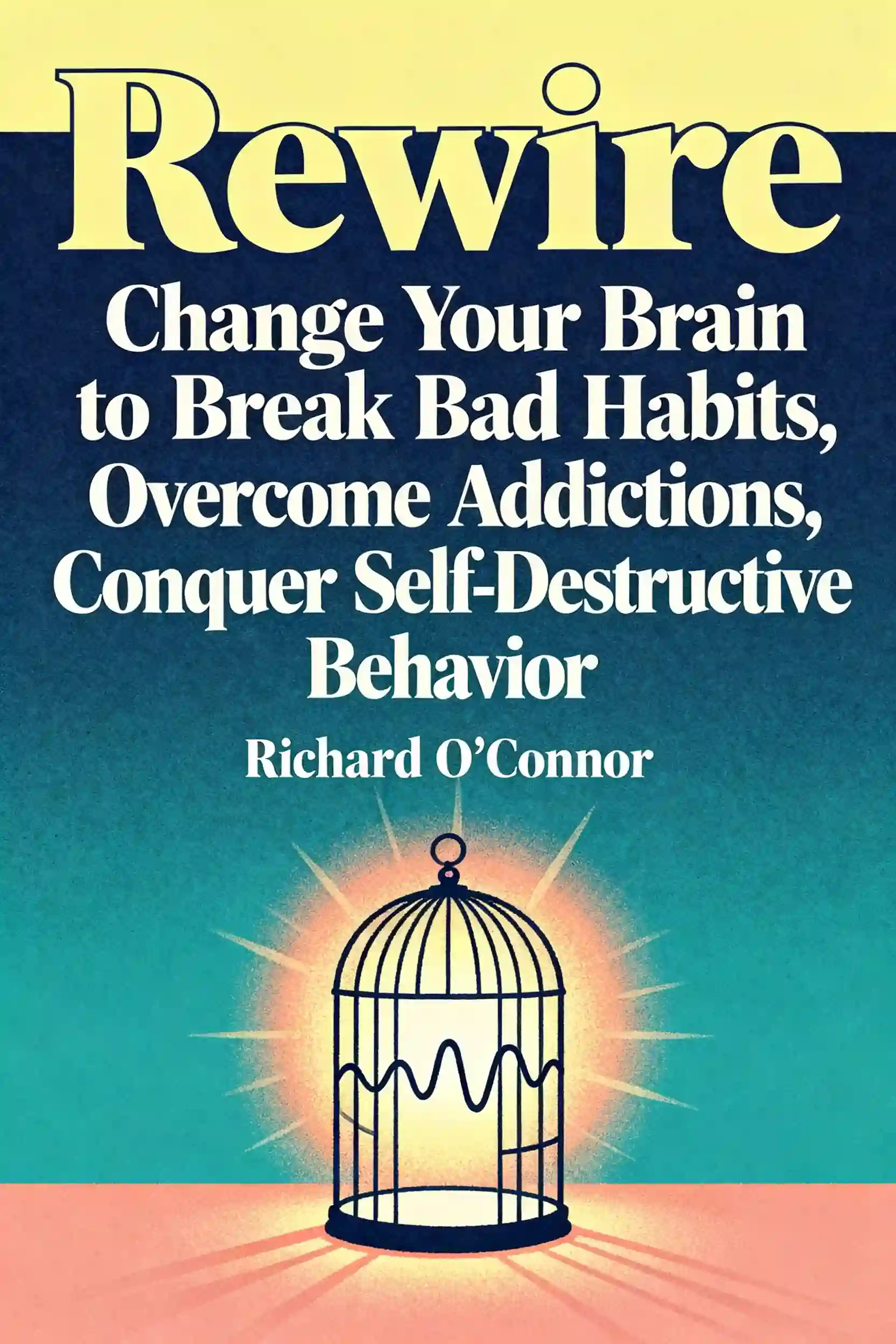
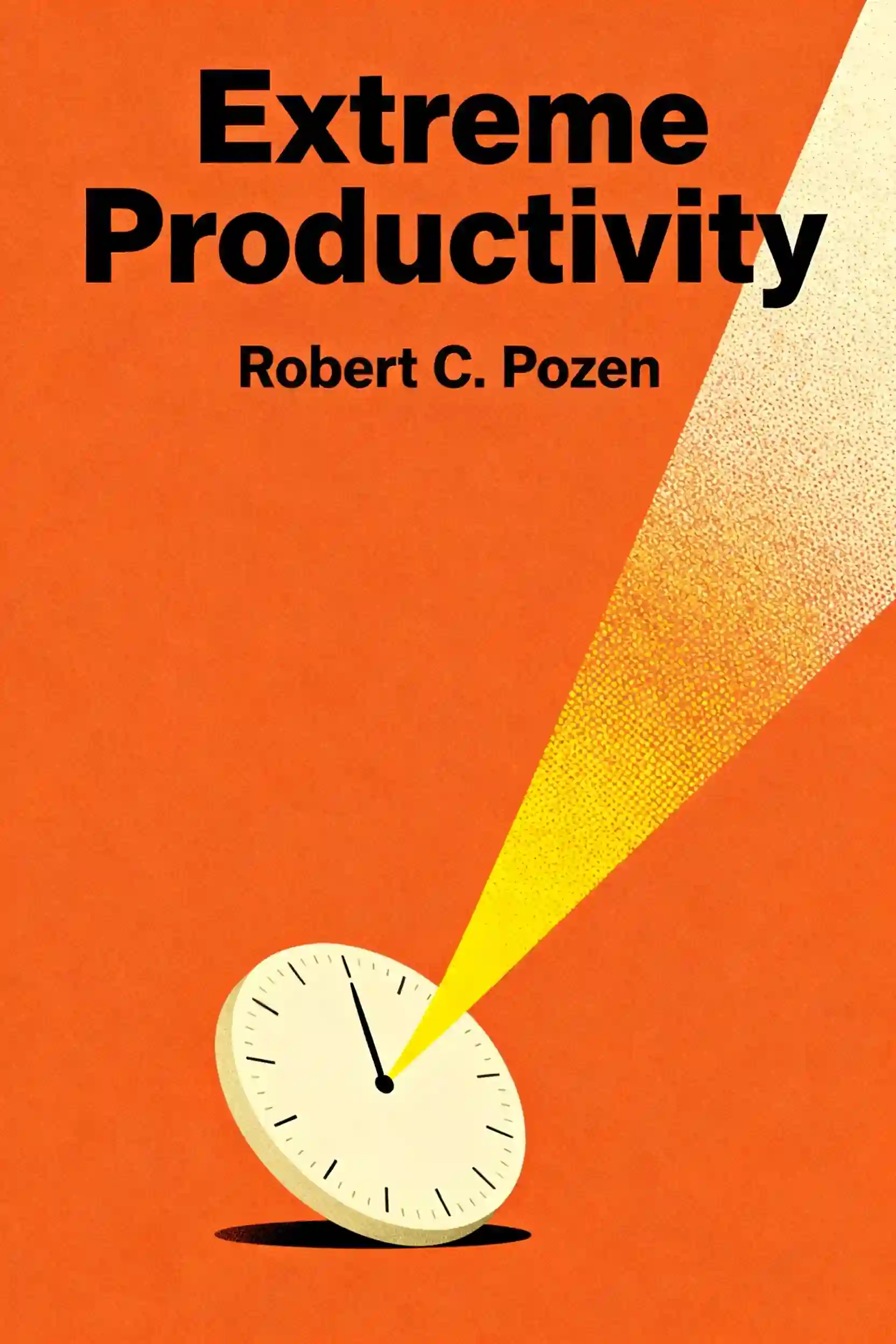
Frequently Asked Questions
While many people believe the myth that it takes 21 days to build a habit, research from University College London indicates that it actually takes an average of 66 days for a behavior to become automatic. This timeline can be broken down into phases: the first 30 days are focused on simply showing up, the next 30 days are for stabilizing the routine, and by day 90, the behavior typically reaches a state of "automaticity" where it feels weirder not to do it than to do it.
The Two-Minute Rule suggests that any new habit should be scaled down into a version that takes less than two minutes to complete, such as reading one page of a book or rolling out a yoga mat. This is effective because it lowers the "activation energy" required to start and focuses on the "opening move" rather than the intensity of the task. By consistently showing up for this tiny version, you carve neural pathways in the basal ganglia, making it easier to expand the habit once the routine is established.
Our environment acts as a "silent driver" of behavior because willpower is a finite resource, while our surroundings are constant. By making the cues for good habits obvious—like placing vitamins next to a coffee maker—and increasing the "friction" for bad habits—like hiding the TV remote in another room—we create a path of least resistance. This architecture introduces a necessary pause between impulse and action, allowing the logical prefrontal cortex to take over from mindless habits.
Habit Stacking is a method of anchoring a new behavior to an existing "neural superhighway" or a habit you already perform without thinking. By using the formula "After [Current Habit], I will [New Habit]," you remove decision fatigue and the need for constant negotiation with yourself. For example, saying "After I hang up my keys, I will do one push-up" creates a specific trigger that turns a conscious choice into an automatic reflex.
To survive the "30-day slump" where motivation naturally decays, you should follow the "Never Miss Twice" rule. This principle acknowledges that life is messy and missing one day is just a human slip, but missing two days in a row marks the start of a new habit of not doing the task. On days when motivation is low or life gets in the way, the goal is to "keep the streak alive" by performing the two-minute version of the habit rather than skipping it entirely.
Discover more

Build habits that actually stick with me
Build habits that actually stick with me
Traditional goal-setting often fails because it relies on fleeting willpower rather than structural change. This plan is essential for anyone struggling with consistency, offering a science-backed framework to bridge the gap between intention and long-term action.

How to Build a Daily Exercise Habit in 2026
Struggling to stay consistent with workouts? Learn the psychology of habit formation and practical strategies to build an exercise routine that sticks.
BeFreed Team

Build unbreakable, permanent habits
Build unbreakable, permanent habits
This plan is essential for anyone struggling with consistency or burnout, moving beyond fleeting motivation toward scientific systems. It is designed for high-achievers and habit-seekers who want to re-engineer their identity and environment for effortless, long-term success.

Habitudes quotidiennes
Habitudes quotidiennes
Daily habits shape 40-50% of our behaviors, yet most people struggle to build positive routines or break destructive patterns. This learning plan is ideal for anyone seeking to take control of their daily life—whether you're a professional wanting to boost productivity, someone pursuing health goals, or simply looking to become more intentional about how you spend your time and energy.
How to build habits.
How to build habits.
In an era of constant distraction, mastering behavior architecture is the ultimate competitive advantage. This plan is designed for professionals and individuals seeking to replace friction with flow by leveraging neuroscience and systematic design.

Learn and use it daily as a habit
Learn and use it daily as a habit
This plan is essential for high-performers and individuals struggling with consistency who want to move beyond fleeting motivation. It offers a strategic framework for anyone looking to rebuild their daily routines through behavioral science and identity-based change.
Find one life-changing habit to adopt
Find one life-changing habit to adopt
This plan is essential for anyone feeling stuck in cycles of inconsistency or burnout. It benefits individuals looking to replace willpower with systems by teaching the science of sustainable behavioral change.

Build discipline and a daily routine for me
Build discipline and a daily routine for me
This learning plan is essential for anyone struggling with inconsistency, procrastination, or feeling overwhelmed by their goals. It's particularly valuable for professionals, students, and entrepreneurs who know what they need to do but find themselves unable to follow through consistently. By combining behavioral science with practical systems, this plan helps you stop relying on motivation and instead build the structure and identity that makes success automatic.
From Columbia University alumni built in San Francisco
"Instead of endless scrolling, I just hit play on BeFreed. It saves me so much time."


"I never knew where to start with nonfiction—BeFreed’s book lists turned into podcasts gave me a clear path."


"Perfect balance between learning and entertainment. Finished ‘Thinking, Fast and Slow’ on my commute this week."
"Crazy how much I learned while walking the dog. BeFreed = small habits → big gains."
"Reading used to feel like a chore. Now it’s just part of my lifestyle."

"Feels effortless compared to reading. I’ve finished 6 books this month already."
"BeFreed turned my guilty doomscrolling into something that feels productive and inspiring."

"BeFreed turned my commute into learning time. 20-min podcasts are perfect for finishing books I never had time for."
"BeFreed replaced my podcast queue. Imagine Spotify for books — that’s it. 🙌"

"It is great for me to learn something from the book without reading it."
"The themed book list podcasts help me connect ideas across authors—like a guided audio journey."
"Makes me feel smarter every time before going to work"
From Columbia University alumni built in San Francisco
"Instead of endless scrolling, I just hit play on BeFreed. It saves me so much time."
"I never knew where to start with nonfiction—BeFreed’s book lists turned into podcasts gave me a clear path."
"Perfect balance between learning and entertainment. Finished ‘Thinking, Fast and Slow’ on my commute this week."
"Crazy how much I learned while walking the dog. BeFreed = small habits → big gains."
"Reading used to feel like a chore. Now it’s just part of my lifestyle."
"Feels effortless compared to reading. I’ve finished 6 books this month already."
"BeFreed turned my guilty doomscrolling into something that feels productive and inspiring."
"BeFreed turned my commute into learning time. 20-min podcasts are perfect for finishing books I never had time for."
"BeFreed replaced my podcast queue. Imagine Spotify for books — that’s it. 🙌"
"It is great for me to learn something from the book without reading it."
"The themed book list podcasts help me connect ideas across authors—like a guided audio journey."
"Makes me feel smarter every time before going to work"
"Instead of endless scrolling, I just hit play on BeFreed. It saves me so much time."
"I never knew where to start with nonfiction—BeFreed’s book lists turned into podcasts gave me a clear path."
"Perfect balance between learning and entertainment. Finished ‘Thinking, Fast and Slow’ on my commute this week."
"Crazy how much I learned while walking the dog. BeFreed = small habits → big gains."
"Reading used to feel like a chore. Now it’s just part of my lifestyle."
"Feels effortless compared to reading. I’ve finished 6 books this month already."
"BeFreed turned my guilty doomscrolling into something that feels productive and inspiring."
"BeFreed turned my commute into learning time. 20-min podcasts are perfect for finishing books I never had time for."
"BeFreed replaced my podcast queue. Imagine Spotify for books — that’s it. 🙌"
"It is great for me to learn something from the book without reading it."
"The themed book list podcasts help me connect ideas across authors—like a guided audio journey."
"Makes me feel smarter every time before going to work"
"Instead of endless scrolling, I just hit play on BeFreed. It saves me so much time."
"I never knew where to start with nonfiction—BeFreed’s book lists turned into podcasts gave me a clear path."
"Perfect balance between learning and entertainment. Finished ‘Thinking, Fast and Slow’ on my commute this week."
"Crazy how much I learned while walking the dog. BeFreed = small habits → big gains."
"Reading used to feel like a chore. Now it’s just part of my lifestyle."
"Feels effortless compared to reading. I’ve finished 6 books this month already."
"BeFreed turned my guilty doomscrolling into something that feels productive and inspiring."
"BeFreed turned my commute into learning time. 20-min podcasts are perfect for finishing books I never had time for."
"BeFreed replaced my podcast queue. Imagine Spotify for books — that’s it. 🙌"
"It is great for me to learn something from the book without reading it."
"The themed book list podcasts help me connect ideas across authors—like a guided audio journey."
"Makes me feel smarter every time before going to work"


