
Building a habit system that actually sticks
Struggling with consistency? Learn why willpower fails and how to design a system that makes reaching your health goals feel effortless.

Best quote from Building a habit system that actually sticks
The most disciplined people actually use less willpower in their daily lives, not more; they just encounter fewer temptations because they have structured their lives to avoid them.

This audio lesson was created by a BeFreed community member
I want to consistently go to the gym do homework train and do what's healthy so I look good

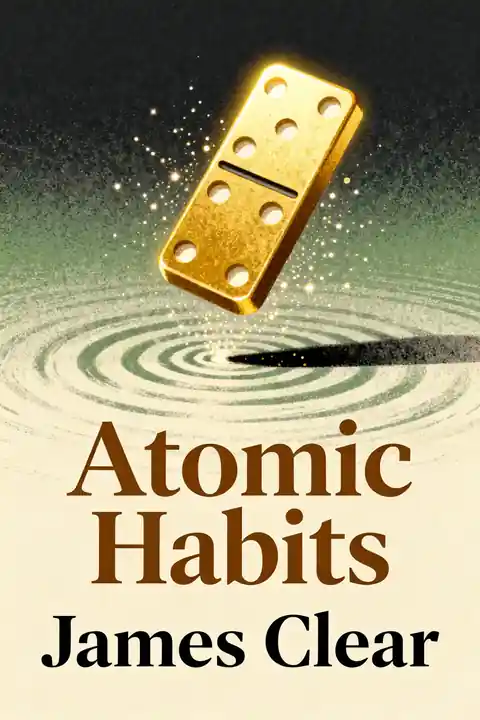
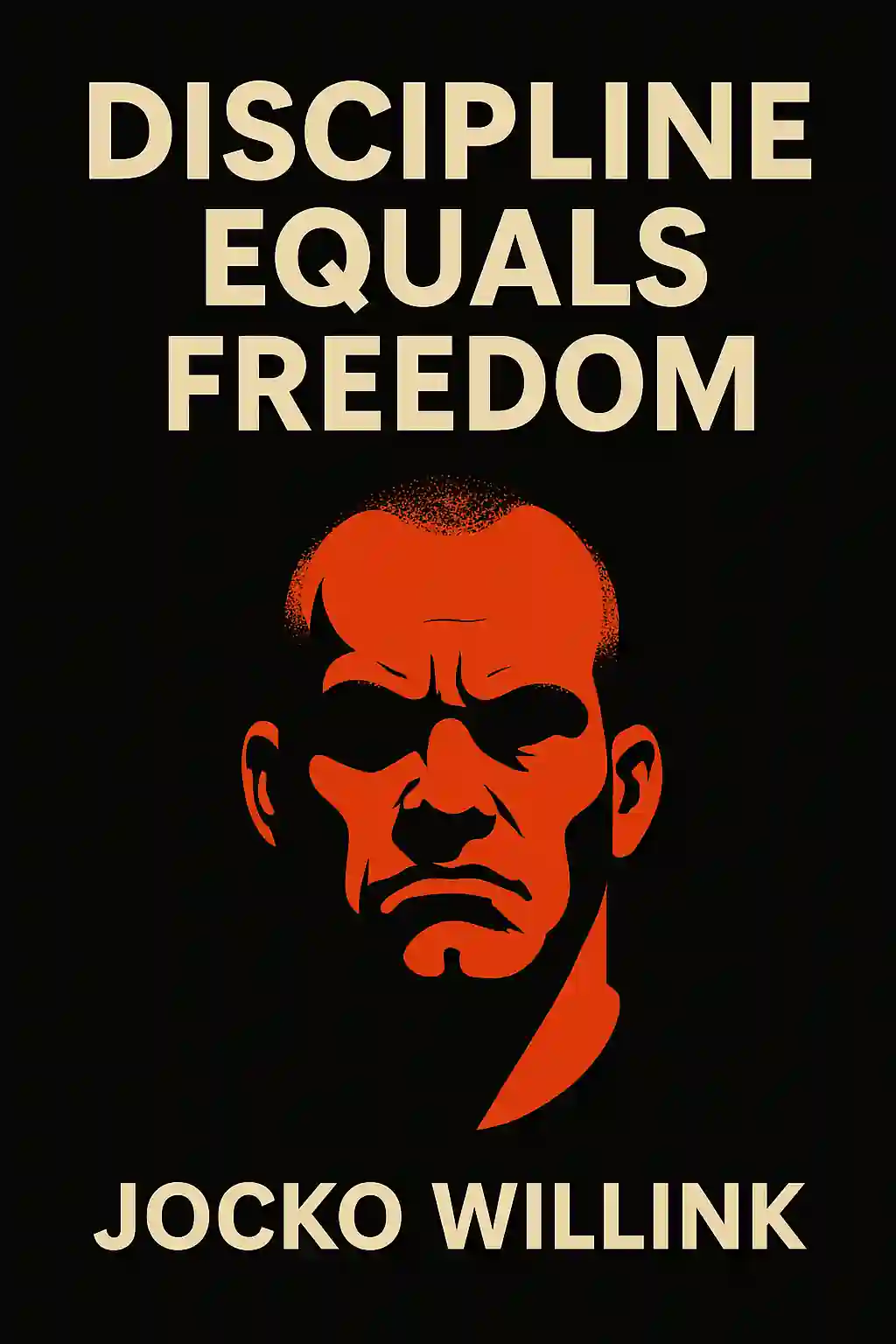
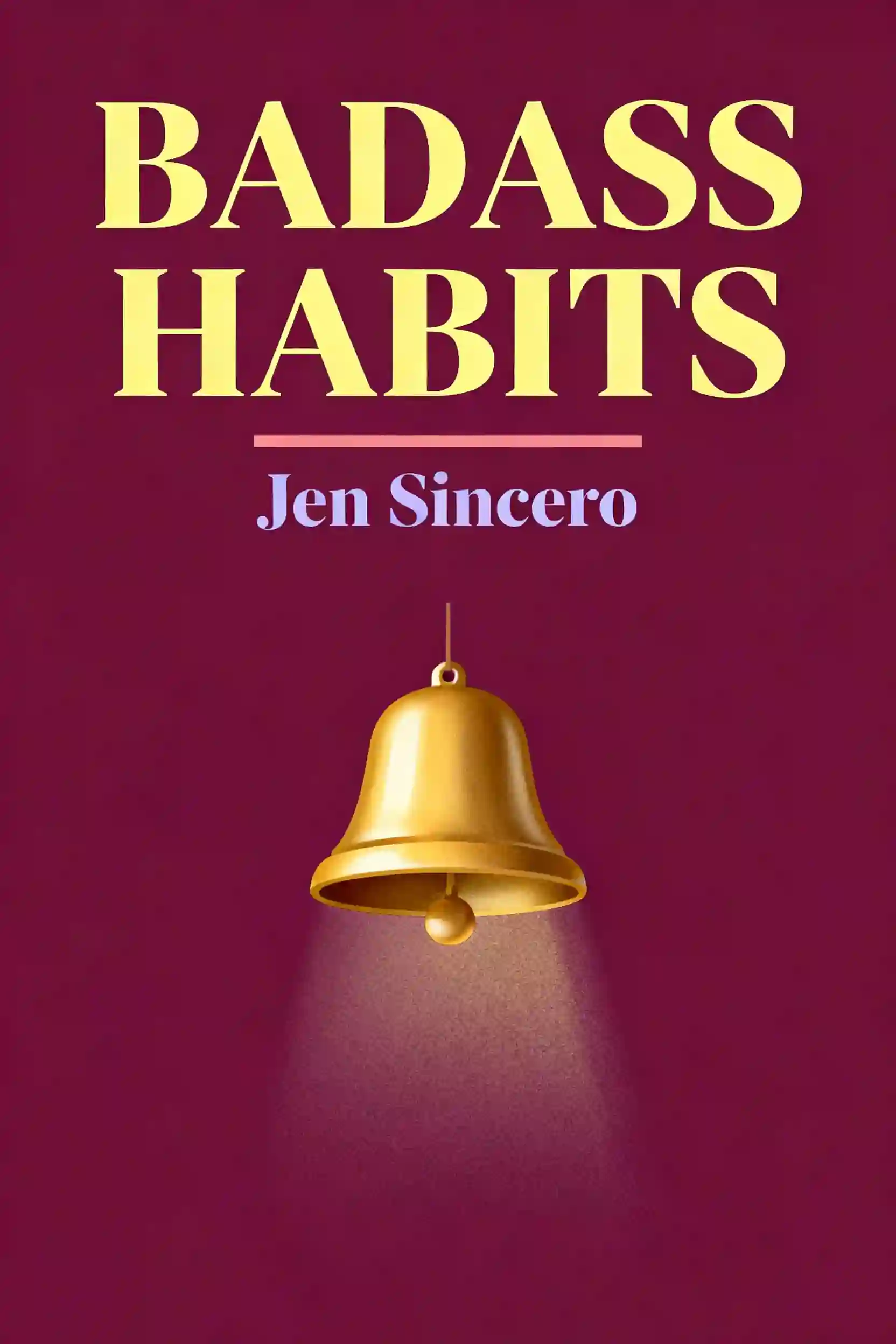
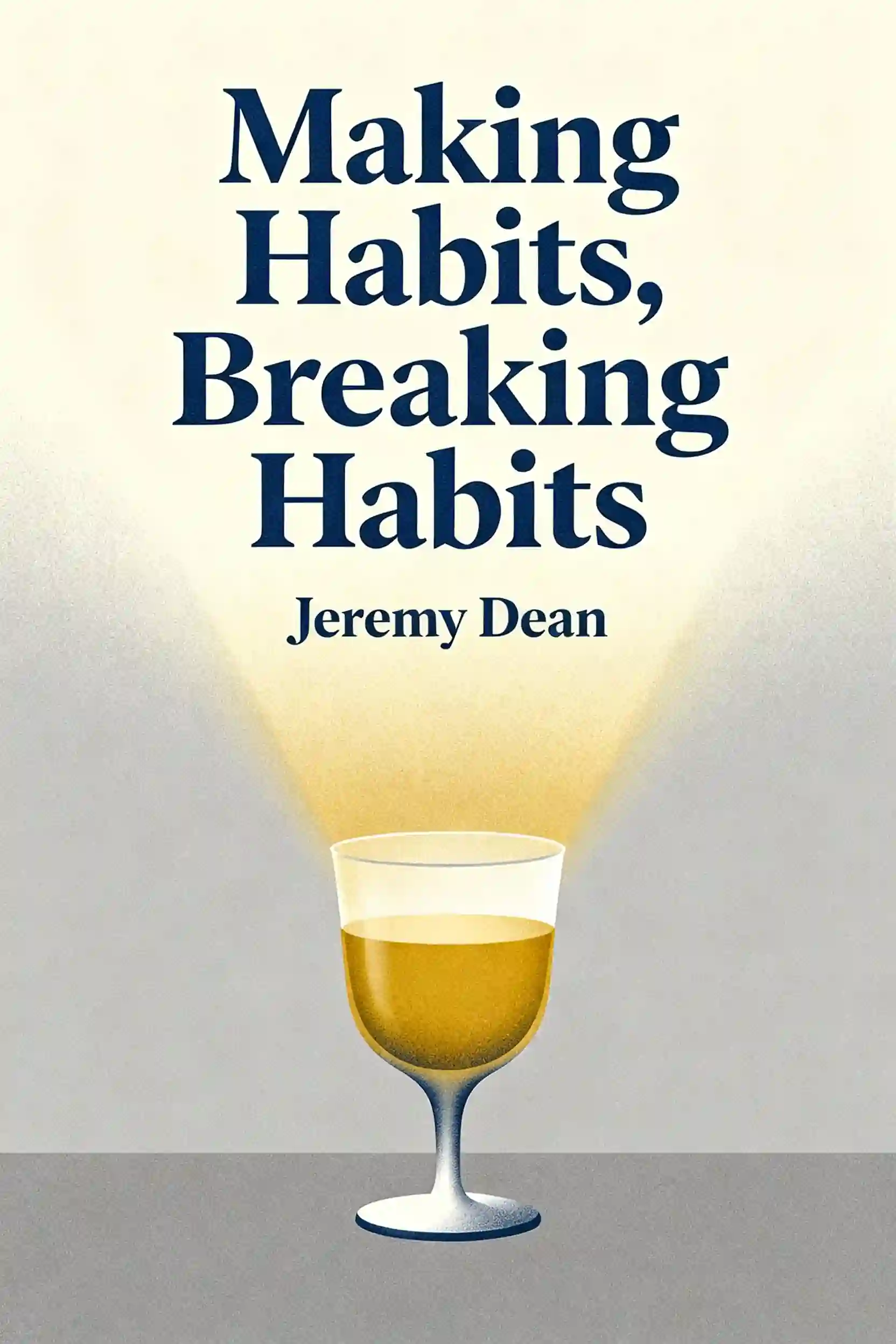
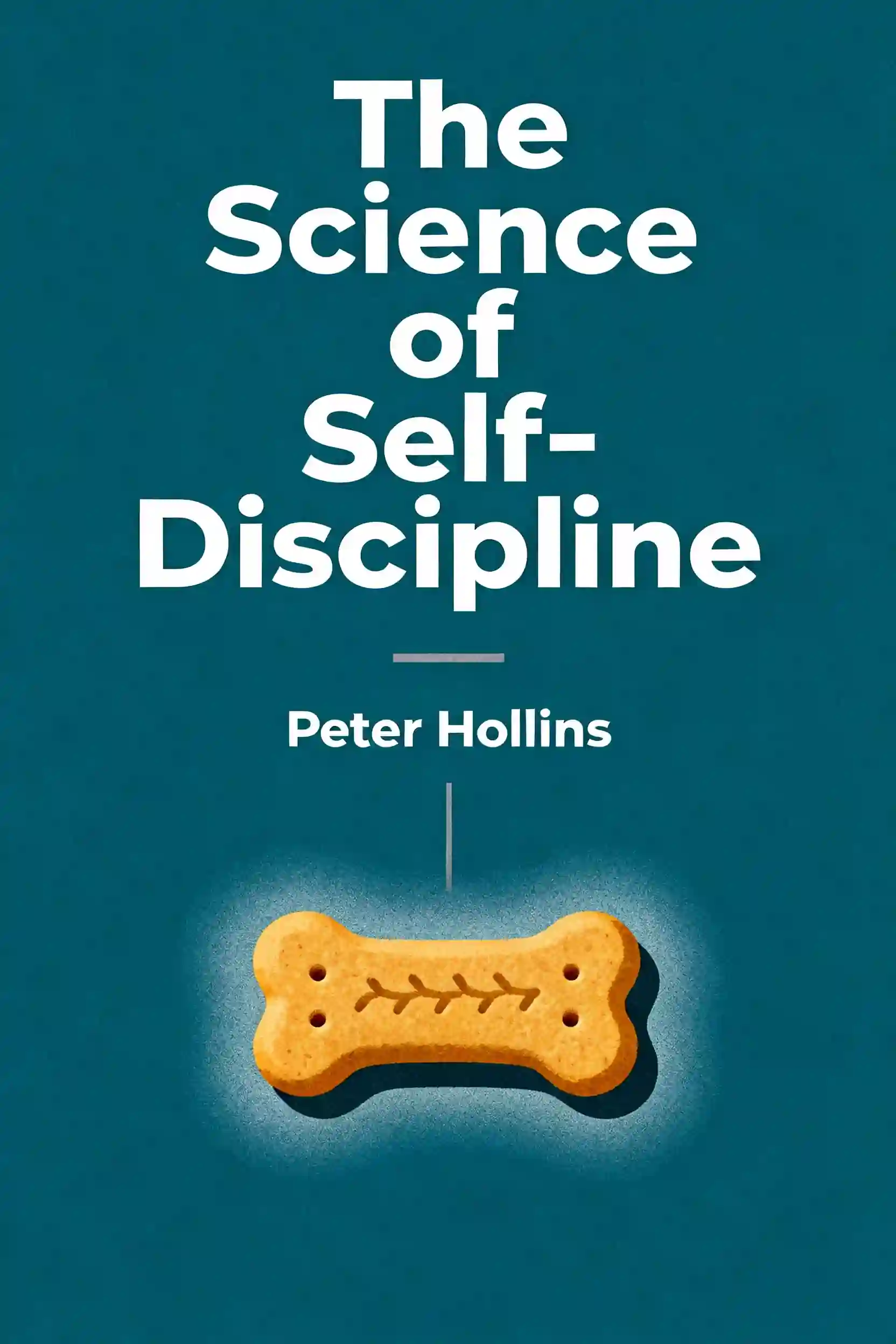
Frequently Asked Questions
According to research from Caltech cited in the script, the idea that a habit forms in 21 days is a myth. For complex habits like going to the gym, it can actually take an average of six months to become automatic. On average, across various behaviors, it takes about 66 days for a new routine to reach a state of "automaticity" in the brain's basal ganglia.
The script explains that willpower is not a finite "muscle" or battery that runs out, a concept formerly known as "ego depletion." Instead, high-achieving individuals succeed by using "situation selection" to avoid temptation entirely. By engineering your environment—such as putting your phone in another room or packing your gym bag the night before—you outsource your discipline to your surroundings so you don't have to rely on unreliable internal motivation.
Habit stacking is a method where you anchor a new behavior to an existing, automatic habit using the formula: "After [Current Habit], I will [New Habit]." This technique uses the established neural pathways of your daily routines—like making coffee or closing a laptop—to act as a trigger for the new action. This removes the need to decide when to start, as the previous habit serves as a natural cue.
The best approach is the "Never Miss Twice" rule. Research shows that missing a single day has almost no impact on long-term habit formation, but missing two days in a row can signal the start of a new, negative habit. To prevent a "shame spiral," you should aim for a "Minimum Viable Version" of your habit on tough days—such as doing two minutes of exercise instead of an hour—just to keep the identity of "someone who shows up" alive.
Dopamine is actually an "anticipation" chemical rather than a "pleasure" chemical, spiking before a reward is received. To tackle boring tasks, you can use "temptation bundling" or "gamification" to provide an immediate dopamine hit. By pairing a chore with something you enjoy, or using an app that gives digital rewards for finishing tasks, you provide the brain with the immediate feedback it craves while waiting for long-term results like good grades.
Discover more

Build habits that actually stick with me
Build habits that actually stick with me
Traditional goal-setting often fails because it relies on fleeting willpower rather than structural change. This plan is essential for anyone struggling with consistency, offering a science-backed framework to bridge the gap between intention and long-term action.

Want to build good habits
Want to build good habits
This plan is designed for individuals struggling with consistency who want to replace willpower with reliable systems. It bridges the gap between psychological theory and practical application, making it ideal for anyone seeking a sustainable lifestyle overhaul.

Build Discipline & Consistency for Success
Build Discipline & Consistency for Success
This plan is essential for anyone struggling with procrastination or inconsistent progress toward their goals. It provides a science-backed framework to move beyond raw willpower by leveraging habit design and identity-level change.

Replace bad habits with lasting positive ones
Replace bad habits with lasting positive ones
This plan is essential for anyone struggling to break cycles of procrastination or self-sabotage by leveraging science instead of sheer effort. It is ideal for professionals and individuals seeking to automate their success through structured behavioral design and identity shifts.
How to stay on track even when unmotivated
How to stay on track even when unmotivated
This learning plan is essential for anyone who struggles with the 'all-or-nothing' cycle of productivity and wants to replace fleeting motivation with reliable systems. It is ideal for professionals, students, and creatives looking to build lifelong discipline through behavioral science and habit architecture.
Habits
Habits
This learning plan is essential for anyone looking to reclaim their time and energy by mastering the mechanics of human behavior. It is designed for individuals who want to replace inconsistent motivation with reliable systems and identity-driven change.

Find one life-changing habit to adopt
Find one life-changing habit to adopt
This plan is essential for anyone feeling stuck in cycles of inconsistency or burnout. It benefits individuals looking to replace willpower with systems by teaching the science of sustainable behavioral change.
More consistent
More consistent
This plan is essential for anyone who struggles with the cycle of starting and quitting or relies too heavily on fleeting motivation. It provides a strategic framework for professionals and creators to move beyond willpower and build reliable systems for long-term success.
From Columbia University alumni built in San Francisco
"Instead of endless scrolling, I just hit play on BeFreed. It saves me so much time."


"I never knew where to start with nonfiction—BeFreed’s book lists turned into podcasts gave me a clear path."


"Perfect balance between learning and entertainment. Finished ‘Thinking, Fast and Slow’ on my commute this week."
"Crazy how much I learned while walking the dog. BeFreed = small habits → big gains."
"Reading used to feel like a chore. Now it’s just part of my lifestyle."

"Feels effortless compared to reading. I’ve finished 6 books this month already."
"BeFreed turned my guilty doomscrolling into something that feels productive and inspiring."

"BeFreed turned my commute into learning time. 20-min podcasts are perfect for finishing books I never had time for."
"BeFreed replaced my podcast queue. Imagine Spotify for books — that’s it. 🙌"

"It is great for me to learn something from the book without reading it."
"The themed book list podcasts help me connect ideas across authors—like a guided audio journey."
"Makes me feel smarter every time before going to work"
From Columbia University alumni built in San Francisco
"Instead of endless scrolling, I just hit play on BeFreed. It saves me so much time."
"I never knew where to start with nonfiction—BeFreed’s book lists turned into podcasts gave me a clear path."
"Perfect balance between learning and entertainment. Finished ‘Thinking, Fast and Slow’ on my commute this week."
"Crazy how much I learned while walking the dog. BeFreed = small habits → big gains."
"Reading used to feel like a chore. Now it’s just part of my lifestyle."
"Feels effortless compared to reading. I’ve finished 6 books this month already."
"BeFreed turned my guilty doomscrolling into something that feels productive and inspiring."
"BeFreed turned my commute into learning time. 20-min podcasts are perfect for finishing books I never had time for."
"BeFreed replaced my podcast queue. Imagine Spotify for books — that’s it. 🙌"
"It is great for me to learn something from the book without reading it."
"The themed book list podcasts help me connect ideas across authors—like a guided audio journey."
"Makes me feel smarter every time before going to work"
"Instead of endless scrolling, I just hit play on BeFreed. It saves me so much time."
"I never knew where to start with nonfiction—BeFreed’s book lists turned into podcasts gave me a clear path."
"Perfect balance between learning and entertainment. Finished ‘Thinking, Fast and Slow’ on my commute this week."
"Crazy how much I learned while walking the dog. BeFreed = small habits → big gains."
"Reading used to feel like a chore. Now it’s just part of my lifestyle."
"Feels effortless compared to reading. I’ve finished 6 books this month already."
"BeFreed turned my guilty doomscrolling into something that feels productive and inspiring."
"BeFreed turned my commute into learning time. 20-min podcasts are perfect for finishing books I never had time for."
"BeFreed replaced my podcast queue. Imagine Spotify for books — that’s it. 🙌"
"It is great for me to learn something from the book without reading it."
"The themed book list podcasts help me connect ideas across authors—like a guided audio journey."
"Makes me feel smarter every time before going to work"
"Instead of endless scrolling, I just hit play on BeFreed. It saves me so much time."
"I never knew where to start with nonfiction—BeFreed’s book lists turned into podcasts gave me a clear path."
"Perfect balance between learning and entertainment. Finished ‘Thinking, Fast and Slow’ on my commute this week."
"Crazy how much I learned while walking the dog. BeFreed = small habits → big gains."
"Reading used to feel like a chore. Now it’s just part of my lifestyle."
"Feels effortless compared to reading. I’ve finished 6 books this month already."
"BeFreed turned my guilty doomscrolling into something that feels productive and inspiring."
"BeFreed turned my commute into learning time. 20-min podcasts are perfect for finishing books I never had time for."
"BeFreed replaced my podcast queue. Imagine Spotify for books — that’s it. 🙌"
"It is great for me to learn something from the book without reading it."
"The themed book list podcasts help me connect ideas across authors—like a guided audio journey."
"Makes me feel smarter every time before going to work"


