
Breakup anger and why it feels harder after two months
Feeling furious after a breakup isn't a setback—it's a sign of healing. Learn how to process resentment and turn that energy into a fresh start.

Best quote from Breakup anger and why it feels harder after two months
Anger is actually your emotional immune system. It’s your brain’s way of saying, 'Hey, my boundaries were crossed, and that matters.'

This audio lesson was created by a BeFreed community member
Struggling with anger towards 2 months post break up with how I was treated.

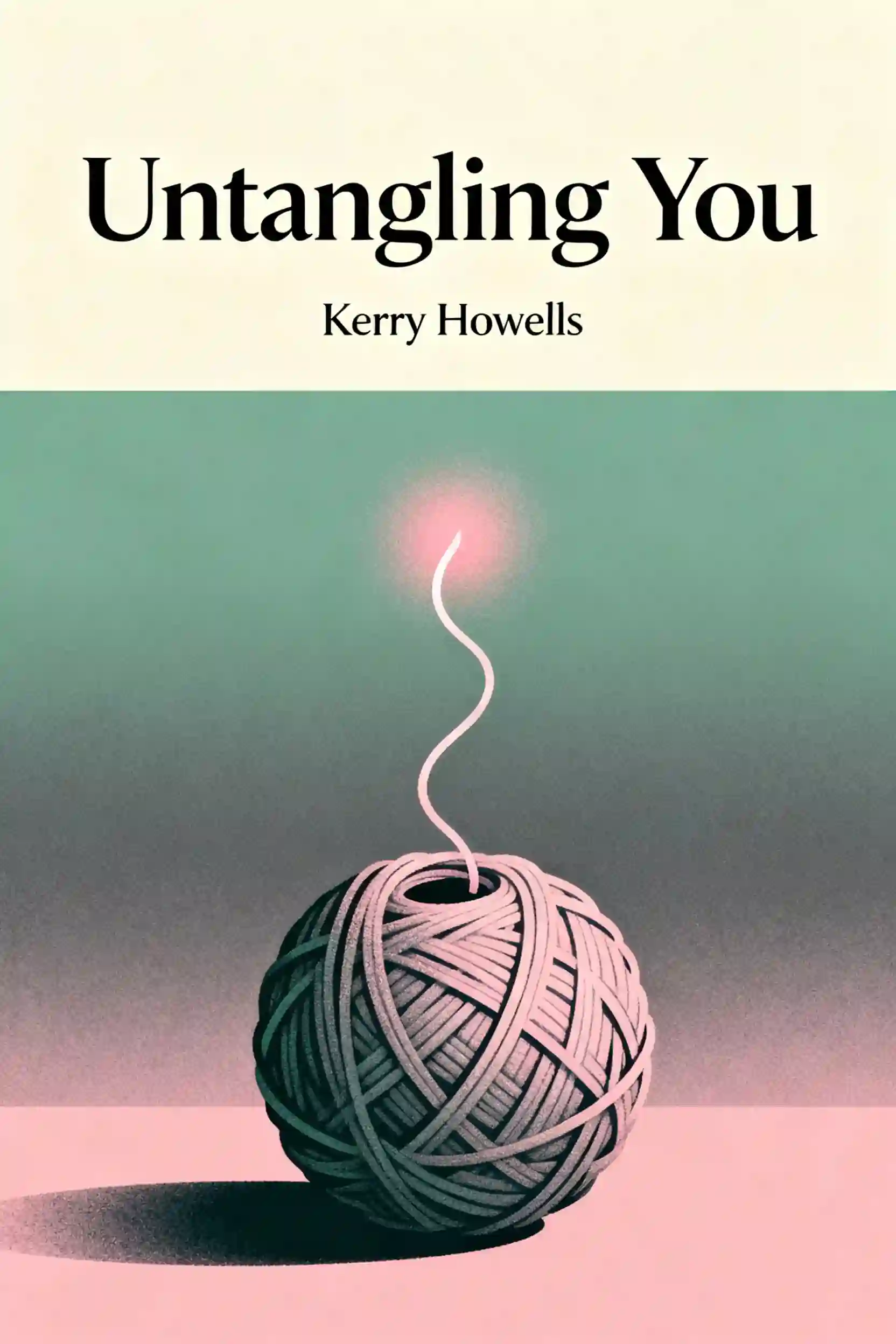
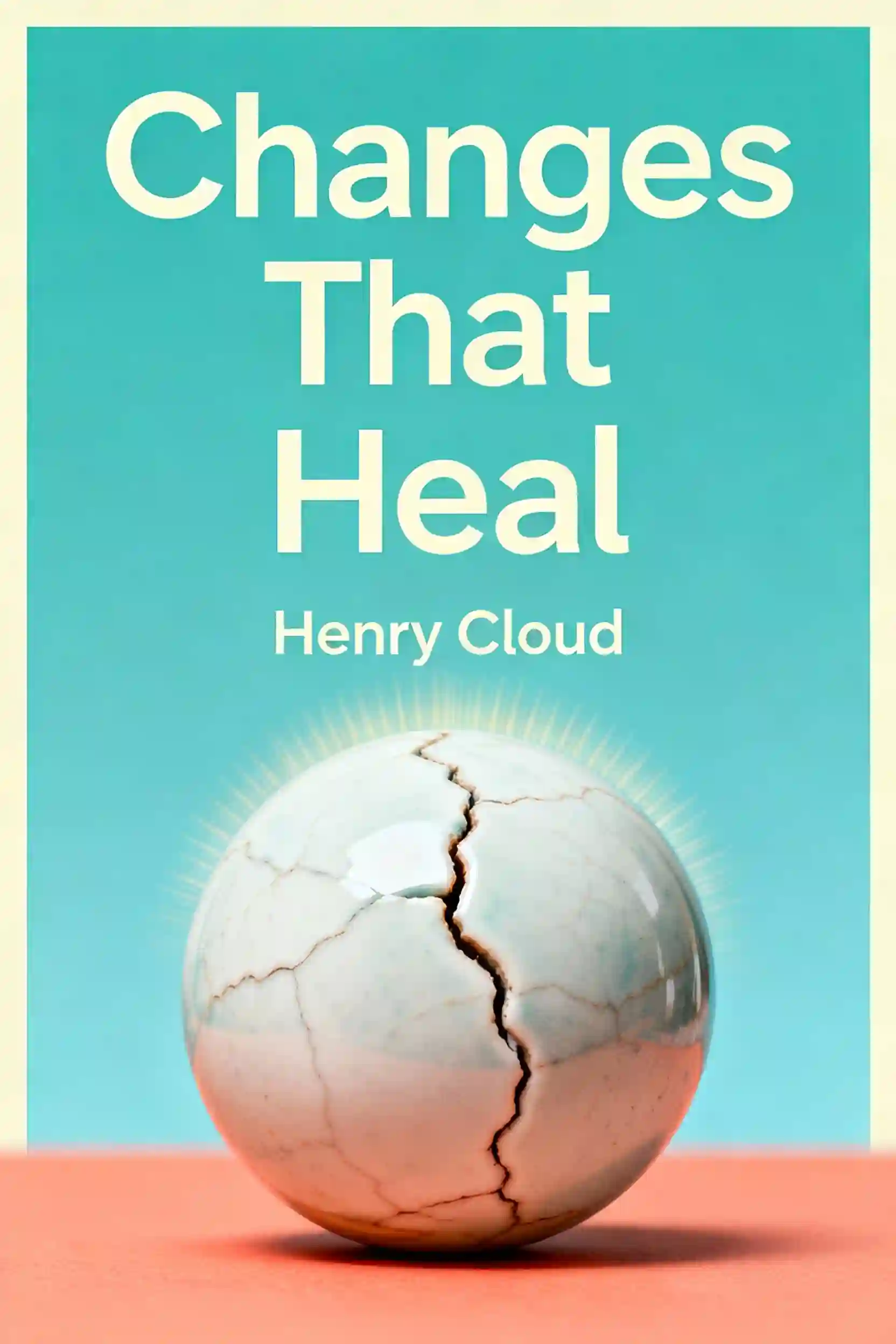
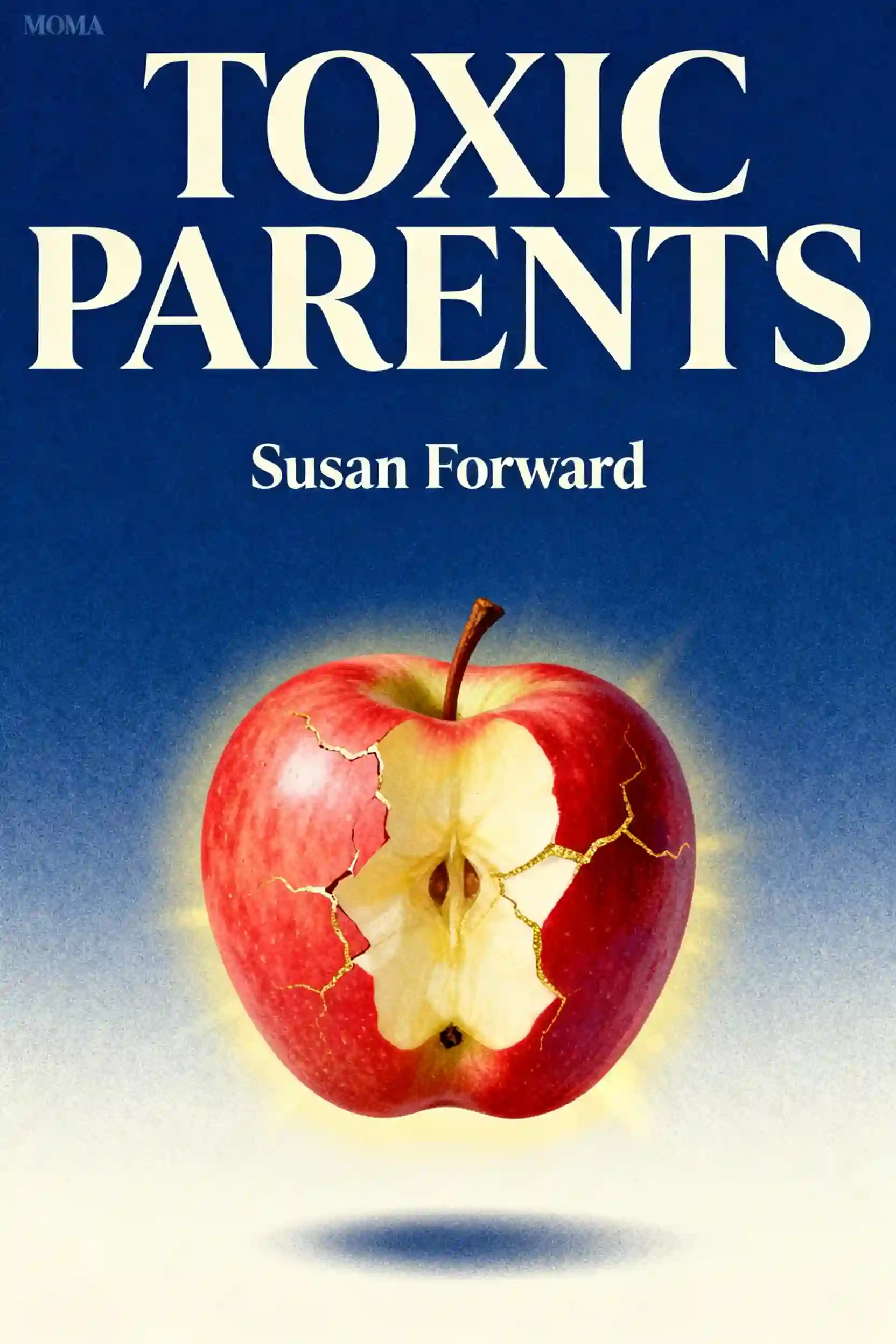
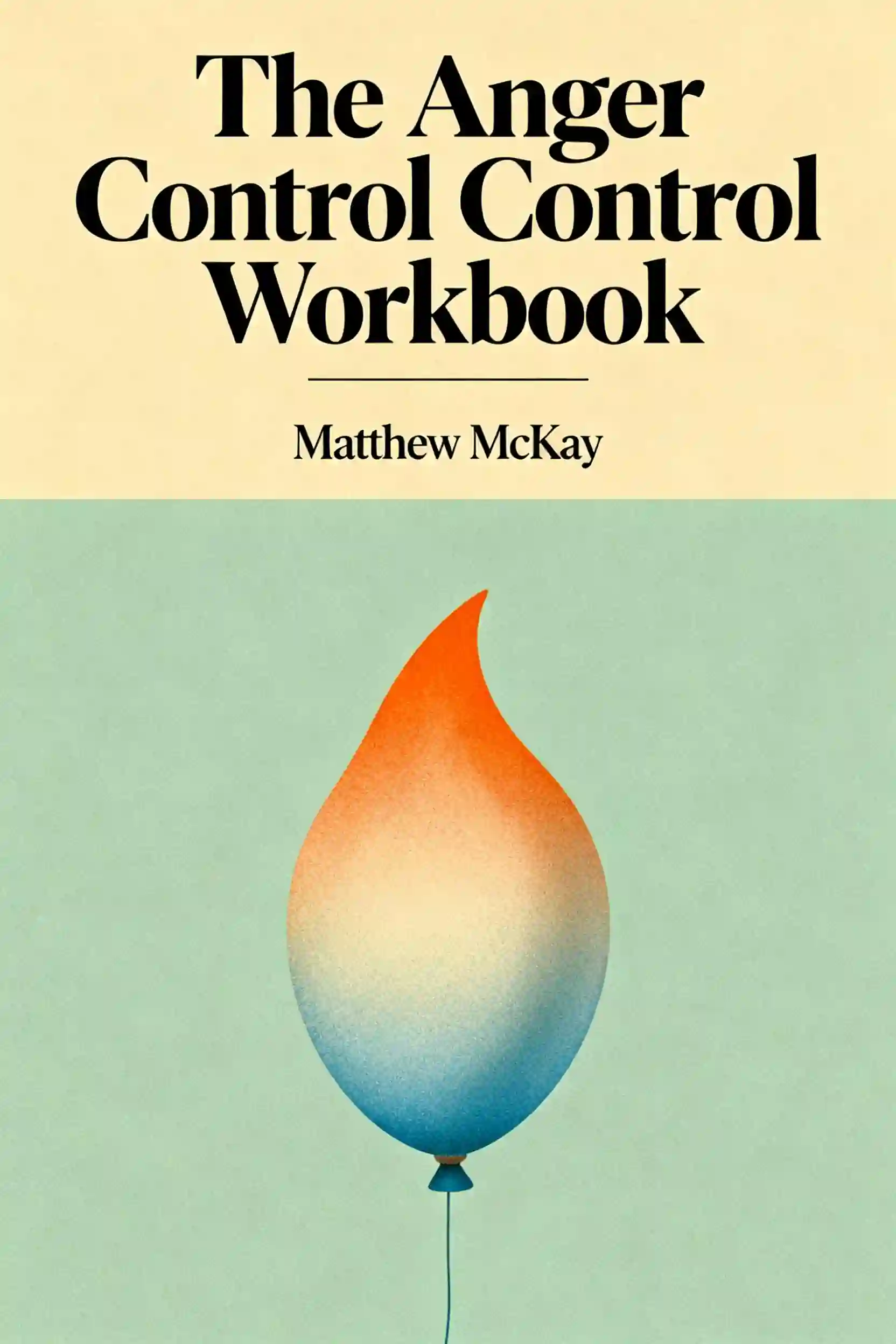
Frequently Asked Questions
It is very common for resentment to peak around the two-month mark because the "bargaining" phase of grief often begins to fail. By this time, the initial shock has worn off and the reality that the person is not coming back—or will not apologize—truly sinks in. This stage is often a reaction to the "failed negotiation with reality," where you are left with the cold, hard data of how you were treated and the injustice of the investment you made into the relationship.
Not at all. Anger is described as your "emotional immune system" and a vital catalyst for healing. It acts as a shield that protects you from the raw vulnerability of abandonment and sadness, giving you a sense of agency and strength when you might otherwise feel weak. Biologically, it is a "fight-or-flight" response that floods your body with adrenaline to help you survive the perceived threat of losing a partner.
Rumination is often the brain's attempt to regain control or find a "missing piece" to make sense of the loss. To break this cycle, you can use the "name it to tame it" technique, where you identify the physical sensation of the emotion to move from the emotional brain to the logical brain. Other practical tools include "time-boxing" your anger by setting a 15-minute timer to vent or journal, and the "72-hour rule," which requires waiting three days before acting on any impulsive urge to contact an ex.
Because anger is a physiological event involving increased heart rate and tensed muscles, you often need to "sweat out" the stress hormones to complete the stress cycle. High-intensity exercise like kickboxing or running provides a pressure relief valve for this "fight" energy. Additionally, creative expression—such as painting or building something—can help you externalize the internal chaos and move from a feeling of being a victim to being a creator.
No, forgiveness is a gift you give yourself, not the other person. It is the decision to "release the debt" and stop letting the anger occupy space in your heart. It doesn't mean that what they did was okay; it simply means their actions no longer have the power to ruin your day. The ultimate goal is indifference, where the ex no longer occupies the center of your emotional map and becomes just another person you used to know.
Discover more

Getting over a break up
Getting over a break up
Heartbreak can be a disorienting experience that impacts every facet of your life. This plan is designed for anyone struggling to move past a separation, offering a structured path from initial pain to renewed self-worth and wisdom.

Move through grief after 7-year breakup
Move through grief after 7-year breakup
Ending a long-term chapter requires more than just time; it requires a structured approach to emotional reconstruction. This plan is designed for individuals feeling lost after a multi-year breakup who need professional strategies to regain their identity and peace.
Post-breakup growth and dating guidance
Post-breakup growth and dating guidance
This plan is designed for individuals navigating the aftermath of a breakup who want to transform their pain into personal power. It bridges the gap between emotional healing and practical dating skills, making it ideal for anyone seeking to break old patterns and build a secure, lasting romantic future.
Rebuild after breakup and emotional loss
Rebuild after breakup and emotional loss
This plan is designed for anyone navigating the aftermath of a breakup or significant emotional loss. It provides a structured path to move from initial grief to a place of empowered self-discovery and renewed purpose.

Heal from separation after infidelity
Heal from separation after infidelity
This plan is designed for individuals navigating the devastating aftermath of a breakup caused by cheating. It provides a structured path from initial shock to long-term recovery, focusing on reclaiming your sense of self and emotional stability.

i’d like to learn better on how to move on from a toxic relationship
i’d like to learn better on how to move on from a toxic relationship
Breaking free from toxic relationships requires understanding, healing, and rebuilding. This learning plan guides those struggling with unhealthy relationship patterns through recognition, recovery, and renewal, empowering them to create healthier connections while prioritizing their emotional wellbeing.

Rebuild post-divorce life
Rebuild post-divorce life
Divorce represents one of life's most challenging transitions, requiring intentional emotional healing and identity reconstruction. This learning plan is designed for individuals navigating separation or divorce who want to transform this painful experience into an opportunity for genuine personal growth and healthier future relationships.
Release anger from past misunderstandings
Release anger from past misunderstandings
This plan is designed for individuals feeling weighed down by long-standing grudges or recurring conflicts rooted in past miscommunications. It provides a holistic path for anyone seeking to transition from reactive anger to proactive emotional clarity and interpersonal connection.
From Columbia University alumni built in San Francisco
"Instead of endless scrolling, I just hit play on BeFreed. It saves me so much time."


"I never knew where to start with nonfiction—BeFreed’s book lists turned into podcasts gave me a clear path."


"Perfect balance between learning and entertainment. Finished ‘Thinking, Fast and Slow’ on my commute this week."
"Crazy how much I learned while walking the dog. BeFreed = small habits → big gains."
"Reading used to feel like a chore. Now it’s just part of my lifestyle."

"Feels effortless compared to reading. I’ve finished 6 books this month already."
"BeFreed turned my guilty doomscrolling into something that feels productive and inspiring."

"BeFreed turned my commute into learning time. 20-min podcasts are perfect for finishing books I never had time for."
"BeFreed replaced my podcast queue. Imagine Spotify for books — that’s it. 🙌"

"It is great for me to learn something from the book without reading it."
"The themed book list podcasts help me connect ideas across authors—like a guided audio journey."
"Makes me feel smarter every time before going to work"
From Columbia University alumni built in San Francisco
"Instead of endless scrolling, I just hit play on BeFreed. It saves me so much time."
"I never knew where to start with nonfiction—BeFreed’s book lists turned into podcasts gave me a clear path."
"Perfect balance between learning and entertainment. Finished ‘Thinking, Fast and Slow’ on my commute this week."
"Crazy how much I learned while walking the dog. BeFreed = small habits → big gains."
"Reading used to feel like a chore. Now it’s just part of my lifestyle."
"Feels effortless compared to reading. I’ve finished 6 books this month already."
"BeFreed turned my guilty doomscrolling into something that feels productive and inspiring."
"BeFreed turned my commute into learning time. 20-min podcasts are perfect for finishing books I never had time for."
"BeFreed replaced my podcast queue. Imagine Spotify for books — that’s it. 🙌"
"It is great for me to learn something from the book without reading it."
"The themed book list podcasts help me connect ideas across authors—like a guided audio journey."
"Makes me feel smarter every time before going to work"
"Instead of endless scrolling, I just hit play on BeFreed. It saves me so much time."
"I never knew where to start with nonfiction—BeFreed’s book lists turned into podcasts gave me a clear path."
"Perfect balance between learning and entertainment. Finished ‘Thinking, Fast and Slow’ on my commute this week."
"Crazy how much I learned while walking the dog. BeFreed = small habits → big gains."
"Reading used to feel like a chore. Now it’s just part of my lifestyle."
"Feels effortless compared to reading. I’ve finished 6 books this month already."
"BeFreed turned my guilty doomscrolling into something that feels productive and inspiring."
"BeFreed turned my commute into learning time. 20-min podcasts are perfect for finishing books I never had time for."
"BeFreed replaced my podcast queue. Imagine Spotify for books — that’s it. 🙌"
"It is great for me to learn something from the book without reading it."
"The themed book list podcasts help me connect ideas across authors—like a guided audio journey."
"Makes me feel smarter every time before going to work"
"Instead of endless scrolling, I just hit play on BeFreed. It saves me so much time."
"I never knew where to start with nonfiction—BeFreed’s book lists turned into podcasts gave me a clear path."
"Perfect balance between learning and entertainment. Finished ‘Thinking, Fast and Slow’ on my commute this week."
"Crazy how much I learned while walking the dog. BeFreed = small habits → big gains."
"Reading used to feel like a chore. Now it’s just part of my lifestyle."
"Feels effortless compared to reading. I’ve finished 6 books this month already."
"BeFreed turned my guilty doomscrolling into something that feels productive and inspiring."
"BeFreed turned my commute into learning time. 20-min podcasts are perfect for finishing books I never had time for."
"BeFreed replaced my podcast queue. Imagine Spotify for books — that’s it. 🙌"
"It is great for me to learn something from the book without reading it."
"The themed book list podcasts help me connect ideas across authors—like a guided audio journey."
"Makes me feel smarter every time before going to work"


