
Healing From a Breakup: 16 Ways to Move On
Heartbreak feels like physical pain, but it's actually a brain reset. Learn sixteen strategies to navigate grief and rebuild your identity after a split.

Best quote from Healing From a Breakup: 16 Ways to Move On
A breakup is not just a lack of willpower; it’s a nervous system in chaos. Once you accept that your brain is in withdrawal, you can stop judging the pain and start managing it by moving from 'Why am I like this?' to 'How do I soothe it?'

This audio lesson was created by a BeFreed community member
Help with a break up. Learn and become better.

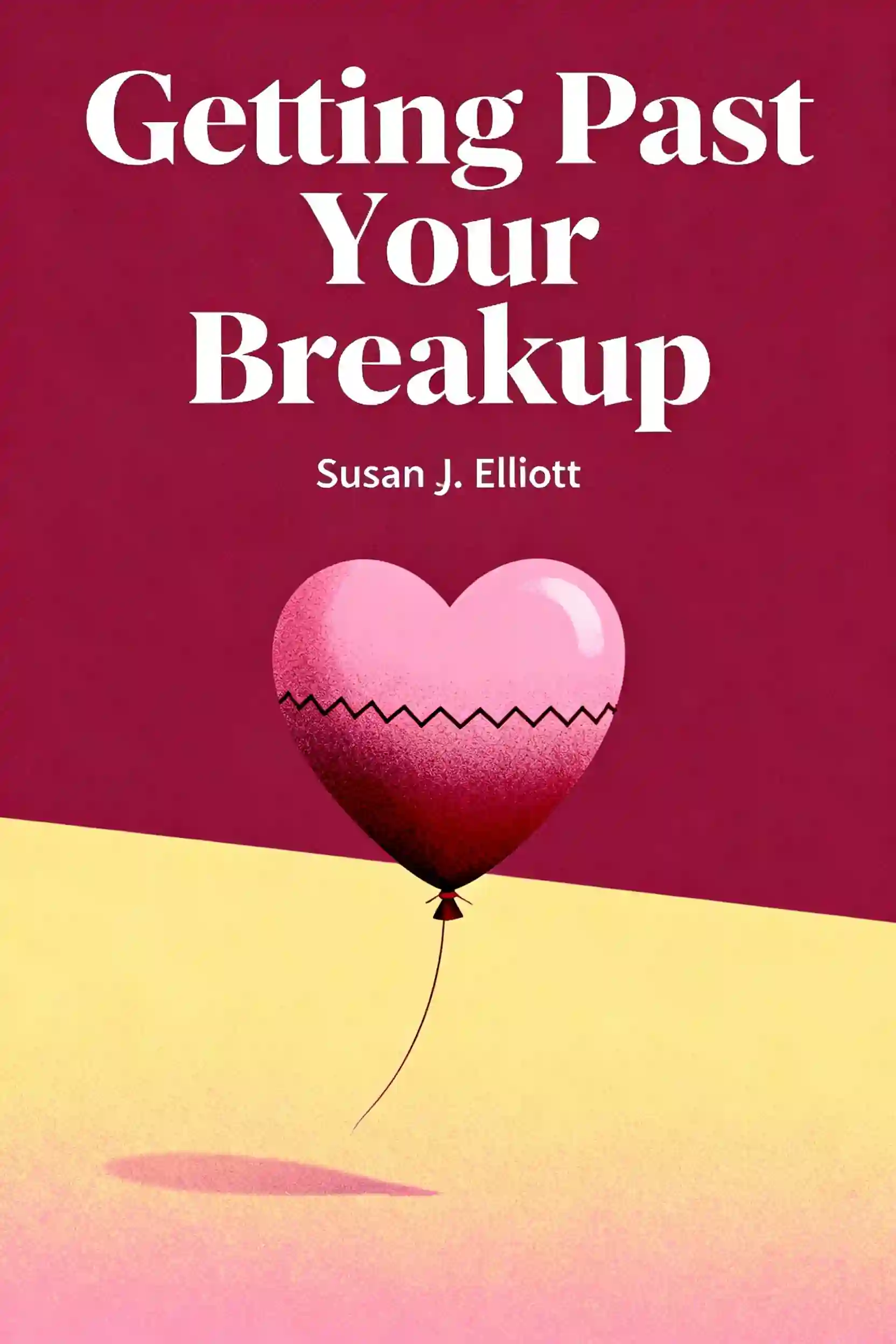

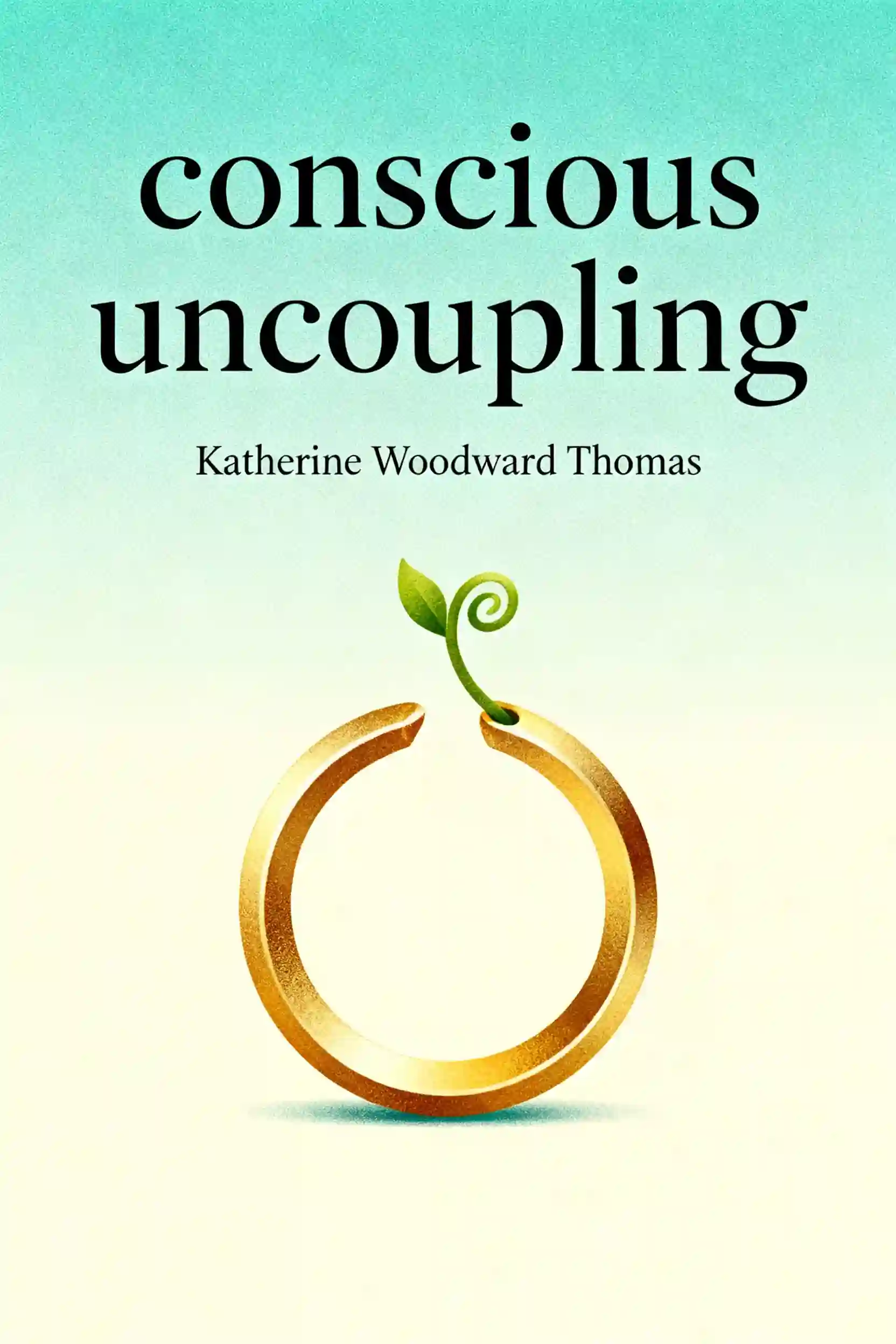
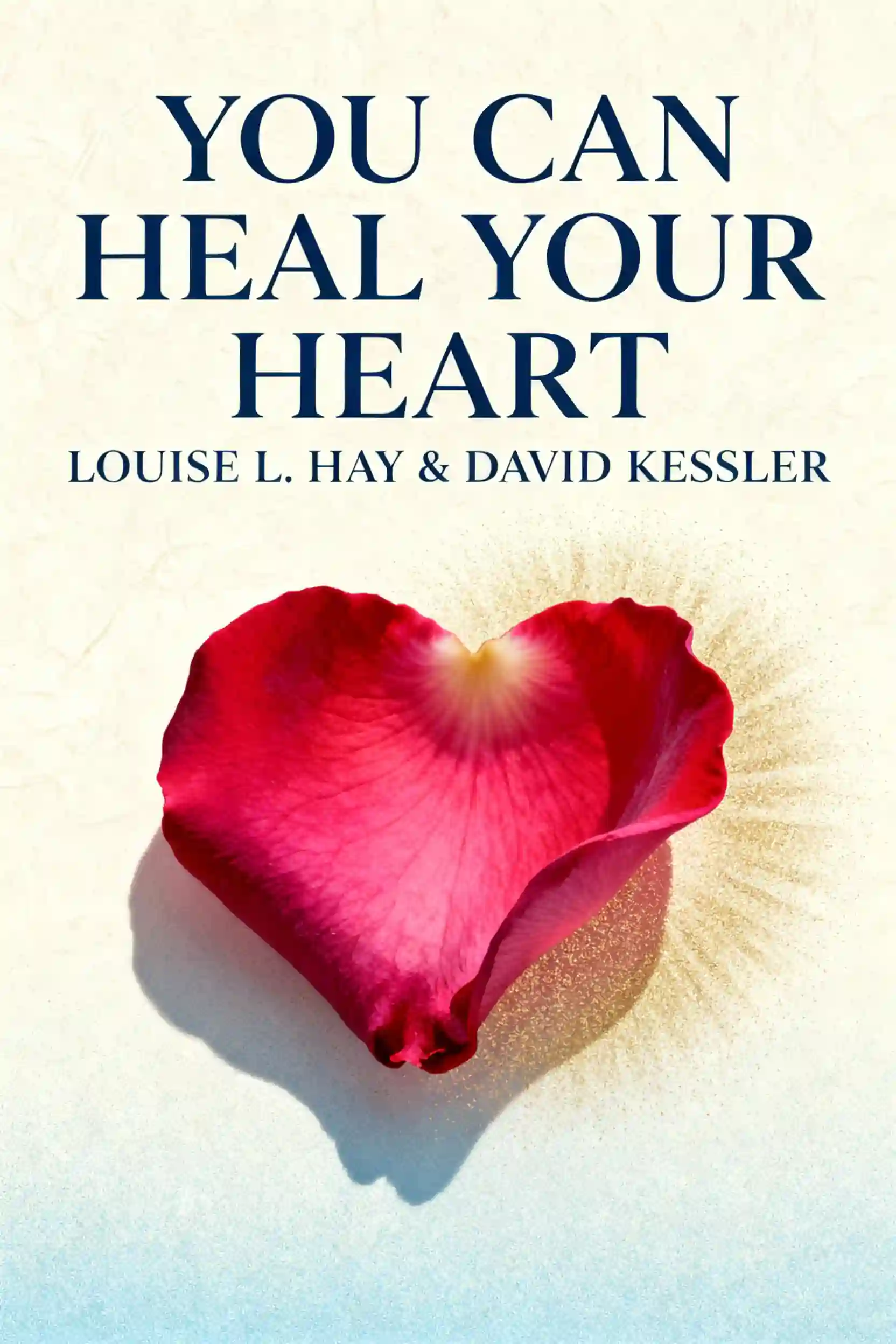
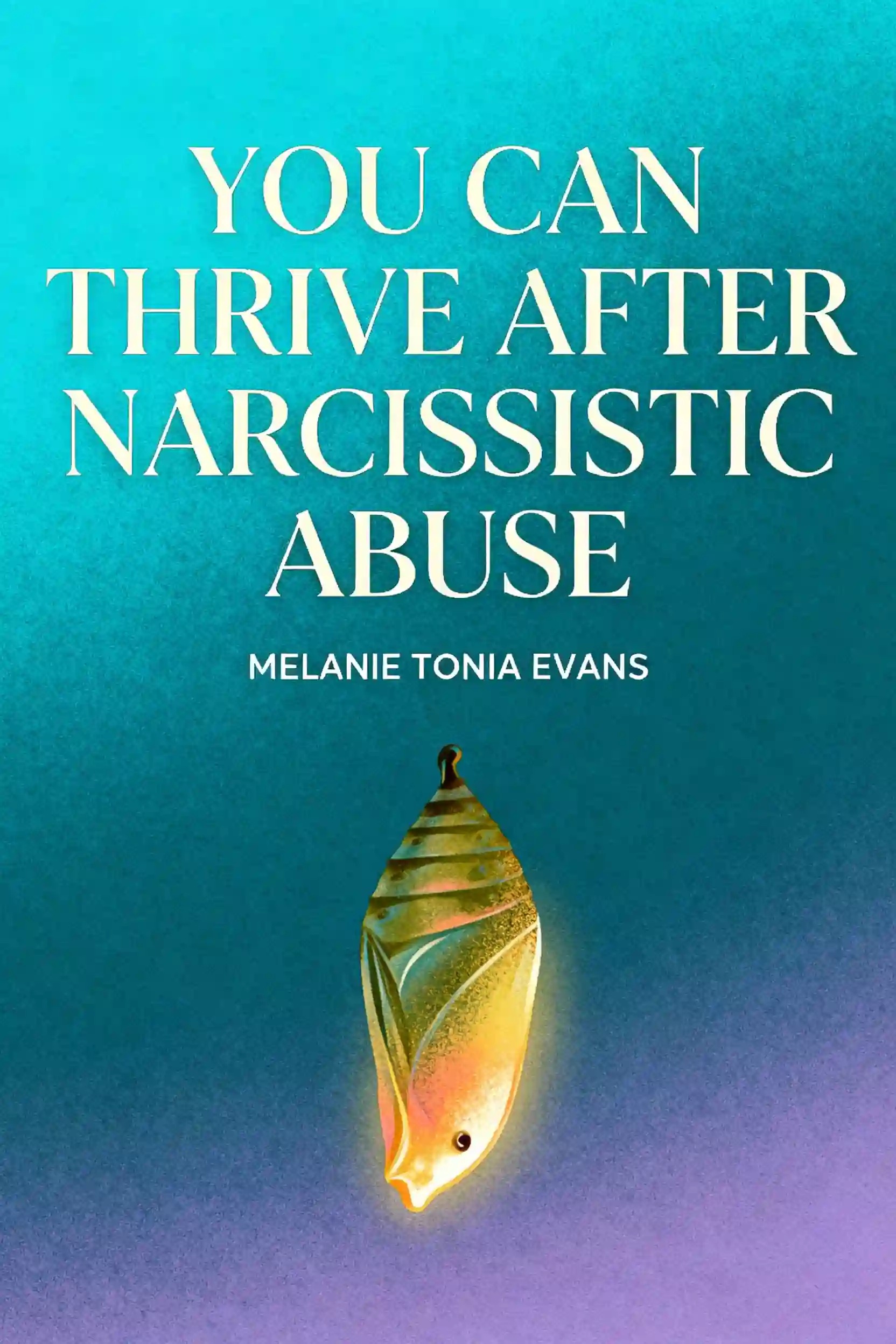
Frequently Asked Questions
Research indicates that romantic rejection activates the same neural pathways in the brain that process physical injuries, such as burns. During a relationship, the brain is accustomed to high levels of dopamine and oxytocin; when the relationship ends, the brain goes through a literal withdrawal process. This "social pain" is a physiological event where the nervous system is in chaos, making the sensation of a "broken heart" a biological reality rather than just an emotional metaphor.
The "No Contact" rule is a period of at least 60 days where you have no interaction with an ex-partner, including social media "orbiting" or checking their profiles. This is considered a "dopamine detox" for the brain. Every time you see a photo or receive a text, it triggers a small hit of dopamine that resets the withdrawal clock. By maintaining strict boundaries, you allow your neural pathways to recalibrate and break the intermittent reinforcement loop that keeps you stuck in the past.
According to Self-Expansion Theory, people in long-term relationships often incorporate their partner’s traits, interests, and preferences into their own self-concept. When the relationship ends, the "we" suddenly contracts back into an "I," leading to "Identity Disruption." This explains why individuals often feel disoriented or unsure of their own preferences—like what to eat for dinner or what hobbies to pursue—because their identity was previously merged with another person.
Rebuilding identity involves a three-step process of reclaiming, integrating, and discovering. First, you reconnect with hobbies or friends you had "before" the relationship. Second, you integrate the positive traits or interests you developed "during" the partnership that still feel authentic. Finally, you explore the "beyond" by trying things you couldn't do while in the relationship. Practicing "Autonomous Decision-Making"—making small, daily choices based solely on your own desires—helps strengthen the prefrontal cortex and rebuilds the muscle of self-authorship.
Yes, healing is described as a "nonlinear dance" or a messy spiral rather than a straight staircase. It is common to feel acceptance one day and deep sadness the next. These emotional waves are actually the brain's way of performing a "software update" or a reality check for the nervous system. Each time you feel a pang of sadness from a sensory trigger, like a song or a smell, your brain is working to "unlearn" an old association and build a new one, which is a necessary part of the integration process.
Discover more

Getting over a break up
Getting over a break up
Heartbreak can be a disorienting experience that impacts every facet of your life. This plan is designed for anyone struggling to move past a separation, offering a structured path from initial pain to renewed self-worth and wisdom.

Move through grief after 7-year breakup
Move through grief after 7-year breakup
Ending a long-term chapter requires more than just time; it requires a structured approach to emotional reconstruction. This plan is designed for individuals feeling lost after a multi-year breakup who need professional strategies to regain their identity and peace.
Rebuild after breakup and emotional loss
Rebuild after breakup and emotional loss
This plan is designed for anyone navigating the aftermath of a breakup or significant emotional loss. It provides a structured path to move from initial grief to a place of empowered self-discovery and renewed purpose.

Recover from betrayal & life-changing breakup
Recover from betrayal & life-changing breakup
Betrayal in intimate relationships can shatter your sense of self and security, leaving deep emotional wounds that require intentional healing. This learning plan provides evidence-based strategies for processing trauma, rebuilding self-worth, and creating a foundation for healthy relationships after experiencing significant betrayal.

i’d like to learn better on how to move on from a toxic relationship
i’d like to learn better on how to move on from a toxic relationship
Breaking free from toxic relationships requires understanding, healing, and rebuilding. This learning plan guides those struggling with unhealthy relationship patterns through recognition, recovery, and renewal, empowering them to create healthier connections while prioritizing their emotional wellbeing.

Rebuild post-divorce life
Rebuild post-divorce life
Divorce represents one of life's most challenging transitions, requiring intentional emotional healing and identity reconstruction. This learning plan is designed for individuals navigating separation or divorce who want to transform this painful experience into an opportunity for genuine personal growth and healthier future relationships.
Heal from Bipolar Narcissist & Infidelity
Heal from Bipolar Narcissist & Infidelity
This plan is designed for individuals navigating the aftermath of complex betrayal trauma and emotional abuse. It provides a structured path to physiological healing and psychological empowerment for those ready to reclaim their identity.
Break free from toxic attachment abusive ex
Break free from toxic attachment abusive ex
This learning plan is designed for individuals recovering from emotionally abusive relationships who find themselves unable to move forward despite knowing the relationship was harmful. It's particularly valuable for those experiencing persistent attachment to an ex-partner, struggling with the urge to reconnect, or finding themselves repeating unhealthy relationship patterns. By addressing both the external dynamics of abuse and the internal patterns that sustain attachment, this plan provides a comprehensive path toward genuine healing and healthier future relationships.
From Columbia University alumni built in San Francisco
"Instead of endless scrolling, I just hit play on BeFreed. It saves me so much time."


"I never knew where to start with nonfiction—BeFreed’s book lists turned into podcasts gave me a clear path."


"Perfect balance between learning and entertainment. Finished ‘Thinking, Fast and Slow’ on my commute this week."
"Crazy how much I learned while walking the dog. BeFreed = small habits → big gains."
"Reading used to feel like a chore. Now it’s just part of my lifestyle."

"Feels effortless compared to reading. I’ve finished 6 books this month already."
"BeFreed turned my guilty doomscrolling into something that feels productive and inspiring."

"BeFreed turned my commute into learning time. 20-min podcasts are perfect for finishing books I never had time for."
"BeFreed replaced my podcast queue. Imagine Spotify for books — that’s it. 🙌"

"It is great for me to learn something from the book without reading it."
"The themed book list podcasts help me connect ideas across authors—like a guided audio journey."
"Makes me feel smarter every time before going to work"
From Columbia University alumni built in San Francisco
"Instead of endless scrolling, I just hit play on BeFreed. It saves me so much time."
"I never knew where to start with nonfiction—BeFreed’s book lists turned into podcasts gave me a clear path."
"Perfect balance between learning and entertainment. Finished ‘Thinking, Fast and Slow’ on my commute this week."
"Crazy how much I learned while walking the dog. BeFreed = small habits → big gains."
"Reading used to feel like a chore. Now it’s just part of my lifestyle."
"Feels effortless compared to reading. I’ve finished 6 books this month already."
"BeFreed turned my guilty doomscrolling into something that feels productive and inspiring."
"BeFreed turned my commute into learning time. 20-min podcasts are perfect for finishing books I never had time for."
"BeFreed replaced my podcast queue. Imagine Spotify for books — that’s it. 🙌"
"It is great for me to learn something from the book without reading it."
"The themed book list podcasts help me connect ideas across authors—like a guided audio journey."
"Makes me feel smarter every time before going to work"
"Instead of endless scrolling, I just hit play on BeFreed. It saves me so much time."
"I never knew where to start with nonfiction—BeFreed’s book lists turned into podcasts gave me a clear path."
"Perfect balance between learning and entertainment. Finished ‘Thinking, Fast and Slow’ on my commute this week."
"Crazy how much I learned while walking the dog. BeFreed = small habits → big gains."
"Reading used to feel like a chore. Now it’s just part of my lifestyle."
"Feels effortless compared to reading. I’ve finished 6 books this month already."
"BeFreed turned my guilty doomscrolling into something that feels productive and inspiring."
"BeFreed turned my commute into learning time. 20-min podcasts are perfect for finishing books I never had time for."
"BeFreed replaced my podcast queue. Imagine Spotify for books — that’s it. 🙌"
"It is great for me to learn something from the book without reading it."
"The themed book list podcasts help me connect ideas across authors—like a guided audio journey."
"Makes me feel smarter every time before going to work"
"Instead of endless scrolling, I just hit play on BeFreed. It saves me so much time."
"I never knew where to start with nonfiction—BeFreed’s book lists turned into podcasts gave me a clear path."
"Perfect balance between learning and entertainment. Finished ‘Thinking, Fast and Slow’ on my commute this week."
"Crazy how much I learned while walking the dog. BeFreed = small habits → big gains."
"Reading used to feel like a chore. Now it’s just part of my lifestyle."
"Feels effortless compared to reading. I’ve finished 6 books this month already."
"BeFreed turned my guilty doomscrolling into something that feels productive and inspiring."
"BeFreed turned my commute into learning time. 20-min podcasts are perfect for finishing books I never had time for."
"BeFreed replaced my podcast queue. Imagine Spotify for books — that’s it. 🙌"
"It is great for me to learn something from the book without reading it."
"The themed book list podcasts help me connect ideas across authors—like a guided audio journey."
"Makes me feel smarter every time before going to work"


