
You're Already Leading Without Knowing It
Discover why the most effective leaders aren't creative geniuses but supportive problem-solvers who develop others. Learn the science-backed behaviors that create real leadership impact.

Best quote from You're Already Leading Without Knowing It
Leadership isn't about having all the answers or being the most creative person in the room; it's about consistently demonstrating behaviors that help others succeed. The research shows that managers account for 70% of the variance in employee engagement, meaning your growth as a leader has a massive multiplier effect on everyone you lead.

This audio lesson was created by a BeFreed community member
How to become a great leader

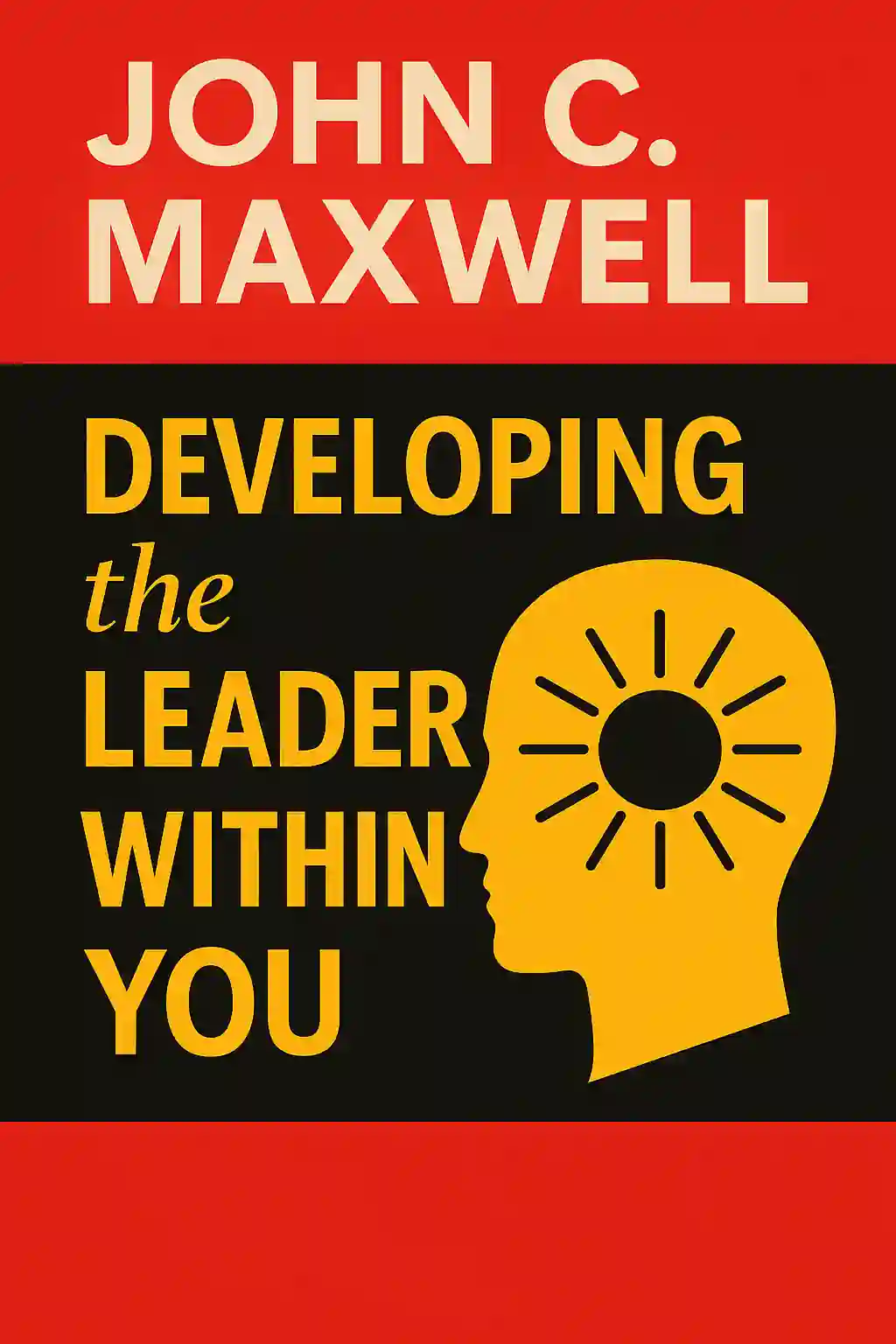
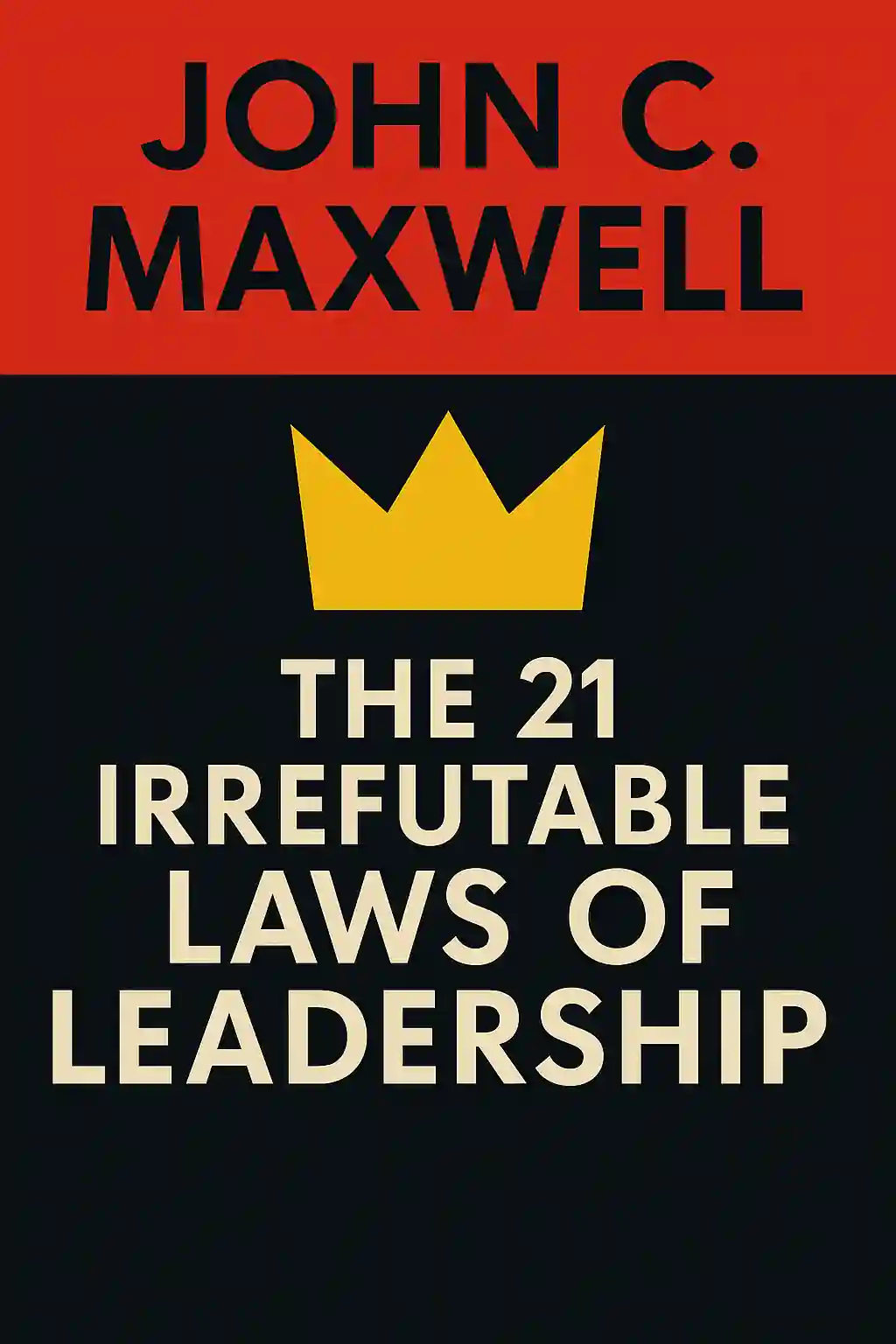
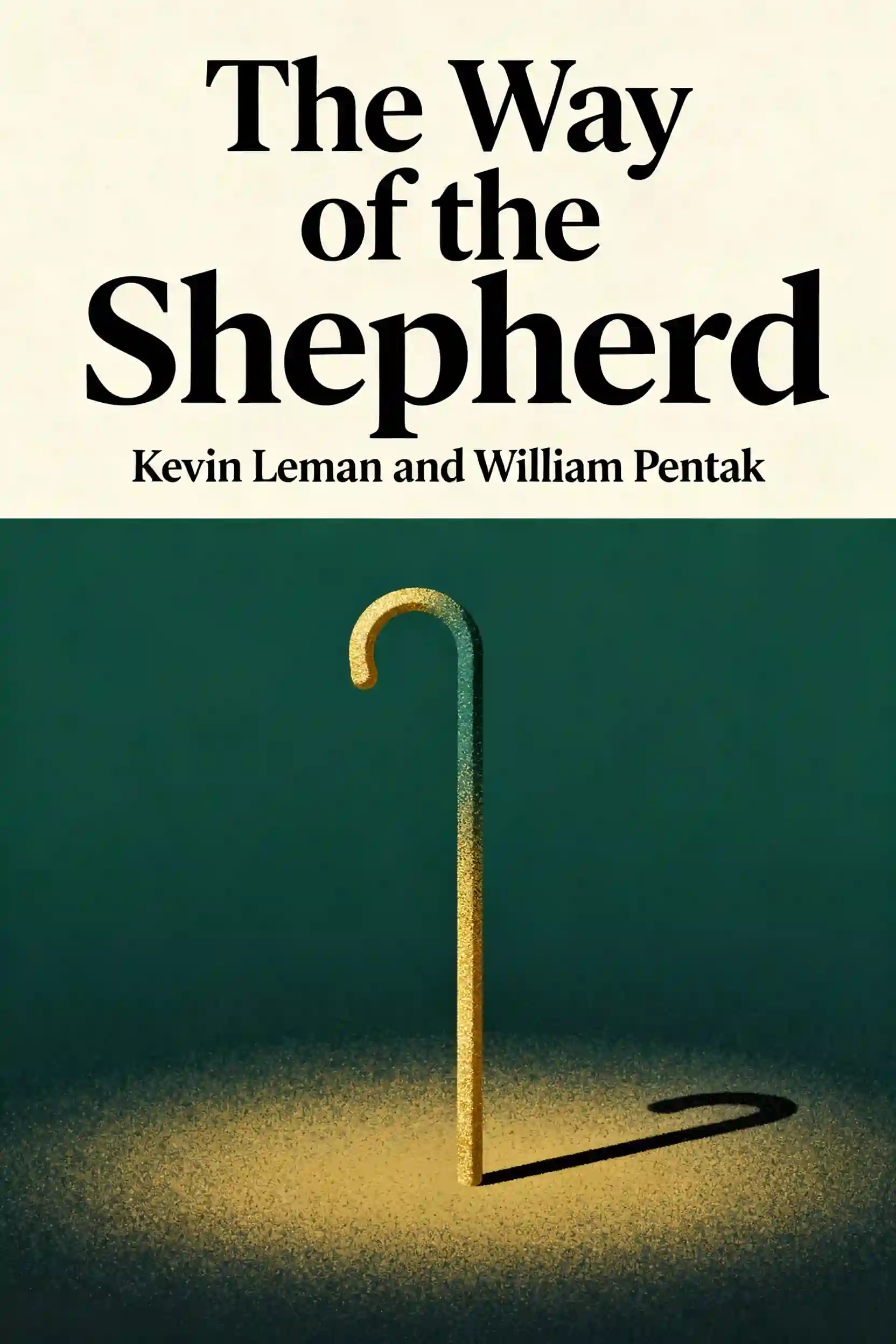
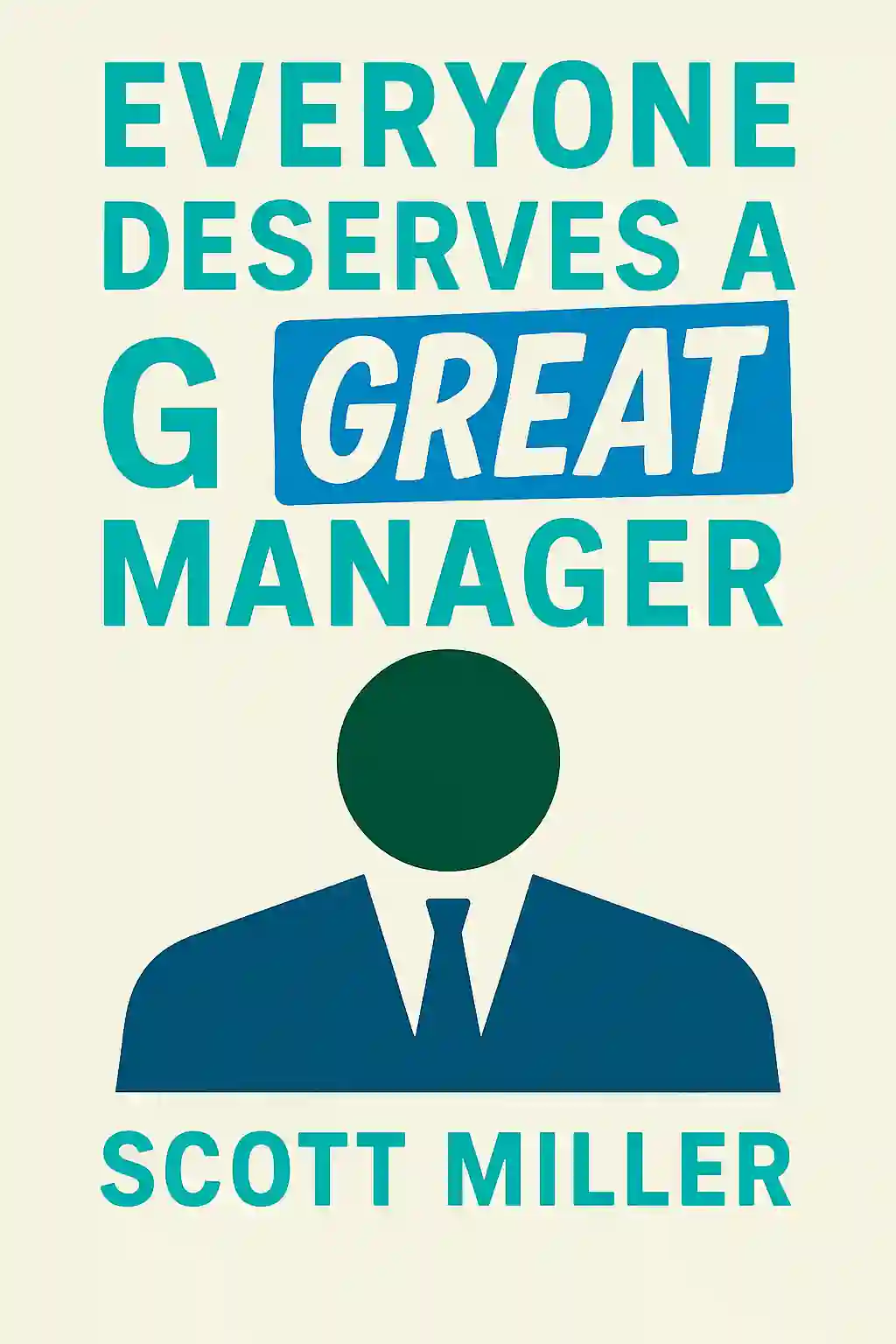
Discover more

Lead, Think, Create: Core Insights
Lead, Think, Create: Core Insights
This learning plan is essential for emerging leaders and professionals who want to bridge the gap between creative vision and disciplined execution. It provides a comprehensive toolkit for anyone looking to refine their decision-making, lead with influence, and drive innovation within their organization.

Lead well and motivate everyone I meet
Lead well and motivate everyone I meet
In today's interconnected world, the ability to inspire others is the ultimate competitive advantage. This plan is designed for aspiring and established leaders who want to move beyond management to master the psychological and strategic arts of influence and team excellence.
Explore Creativity, Behavior & Leadership
Explore Creativity, Behavior & Leadership
In today's fast-paced environment, the intersection of creative thinking and psychological insight is vital for effective leadership. This plan is designed for aspiring leaders and professionals who want to master human behavior to drive innovation and lead impactful organizational change.

Quiet leadership: influence without authority
Quiet leadership: influence without authority
This learning plan is designed for introverts who want to lead effectively without compromising their authentic nature. It's perfect for aspiring leaders, managers, or professionals who feel pressured to adopt extroverted leadership styles but want to leverage their natural strengths instead. By focusing on influence through authenticity rather than authority, this plan helps introverts become magnetic leaders who inspire genuine followership.
Learn ideas to be a better leader and person
Learn ideas to be a better leader and person
This learning plan is designed for aspiring and current leaders who want to move beyond titles to achieve genuine influence. It focuses on the intersection of personal character and professional strategy to help individuals drive meaningful organizational change.
Be a Wise, Confident, & Charismatic Leader
Be a Wise, Confident, & Charismatic Leader
In today’s complex professional landscape, technical skill alone is insufficient for high-level impact. This plan is designed for aspiring and current managers who want to blend emotional intelligence with strategic authority to become truly influential leaders.
Understand Others and Lead Effectively
Understand Others and Lead Effectively
This plan is essential for emerging and established leaders who need to bridge the gap between technical skill and interpersonal influence. It provides a roadmap for mastering the human side of management to drive meaningful organizational transformation.
Become magnetic as an introverted leader
Become magnetic as an introverted leader
Introverted professionals often feel pressured to adopt extroverted behaviors to succeed in leadership roles, leading to burnout and inauthenticity. This learning plan helps naturally quiet individuals harness their inherent strengths to develop magnetic presence and leadership capabilities that inspire others while staying true to themselves.
From Columbia University alumni built in San Francisco
"Instead of endless scrolling, I just hit play on BeFreed. It saves me so much time."


"I never knew where to start with nonfiction—BeFreed’s book lists turned into podcasts gave me a clear path."


"Perfect balance between learning and entertainment. Finished ‘Thinking, Fast and Slow’ on my commute this week."
"Crazy how much I learned while walking the dog. BeFreed = small habits → big gains."
"Reading used to feel like a chore. Now it’s just part of my lifestyle."

"Feels effortless compared to reading. I’ve finished 6 books this month already."
"BeFreed turned my guilty doomscrolling into something that feels productive and inspiring."

"BeFreed turned my commute into learning time. 20-min podcasts are perfect for finishing books I never had time for."
"BeFreed replaced my podcast queue. Imagine Spotify for books — that’s it. 🙌"

"It is great for me to learn something from the book without reading it."
"The themed book list podcasts help me connect ideas across authors—like a guided audio journey."
"Makes me feel smarter every time before going to work"
From Columbia University alumni built in San Francisco
"Instead of endless scrolling, I just hit play on BeFreed. It saves me so much time."
"I never knew where to start with nonfiction—BeFreed’s book lists turned into podcasts gave me a clear path."
"Perfect balance between learning and entertainment. Finished ‘Thinking, Fast and Slow’ on my commute this week."
"Crazy how much I learned while walking the dog. BeFreed = small habits → big gains."
"Reading used to feel like a chore. Now it’s just part of my lifestyle."
"Feels effortless compared to reading. I’ve finished 6 books this month already."
"BeFreed turned my guilty doomscrolling into something that feels productive and inspiring."
"BeFreed turned my commute into learning time. 20-min podcasts are perfect for finishing books I never had time for."
"BeFreed replaced my podcast queue. Imagine Spotify for books — that’s it. 🙌"
"It is great for me to learn something from the book without reading it."
"The themed book list podcasts help me connect ideas across authors—like a guided audio journey."
"Makes me feel smarter every time before going to work"
"Instead of endless scrolling, I just hit play on BeFreed. It saves me so much time."
"I never knew where to start with nonfiction—BeFreed’s book lists turned into podcasts gave me a clear path."
"Perfect balance between learning and entertainment. Finished ‘Thinking, Fast and Slow’ on my commute this week."
"Crazy how much I learned while walking the dog. BeFreed = small habits → big gains."
"Reading used to feel like a chore. Now it’s just part of my lifestyle."
"Feels effortless compared to reading. I’ve finished 6 books this month already."
"BeFreed turned my guilty doomscrolling into something that feels productive and inspiring."
"BeFreed turned my commute into learning time. 20-min podcasts are perfect for finishing books I never had time for."
"BeFreed replaced my podcast queue. Imagine Spotify for books — that’s it. 🙌"
"It is great for me to learn something from the book without reading it."
"The themed book list podcasts help me connect ideas across authors—like a guided audio journey."
"Makes me feel smarter every time before going to work"
"Instead of endless scrolling, I just hit play on BeFreed. It saves me so much time."
"I never knew where to start with nonfiction—BeFreed’s book lists turned into podcasts gave me a clear path."
"Perfect balance between learning and entertainment. Finished ‘Thinking, Fast and Slow’ on my commute this week."
"Crazy how much I learned while walking the dog. BeFreed = small habits → big gains."
"Reading used to feel like a chore. Now it’s just part of my lifestyle."
"Feels effortless compared to reading. I’ve finished 6 books this month already."
"BeFreed turned my guilty doomscrolling into something that feels productive and inspiring."
"BeFreed turned my commute into learning time. 20-min podcasts are perfect for finishing books I never had time for."
"BeFreed replaced my podcast queue. Imagine Spotify for books — that’s it. 🙌"
"It is great for me to learn something from the book without reading it."
"The themed book list podcasts help me connect ideas across authors—like a guided audio journey."
"Makes me feel smarter every time before going to work"


![Individual Contributors Can be Leaders Too [2025] - Asana](/_next/image?url=https%3A%2F%2Fd1y2du6z1jfm9e.cloudfront.net%2Fassets%2Fpodcast%2Fgreen.png&w=1024&q=50)


