
Your House is a Treasure Chest!
Discover how your home is like a magical piggy bank filled with money you can use for important things like school, fixing your house, or helping in emergencies - all explained in simple, kid-friendly terms.

Best quote from Your House is a Treasure Chest!
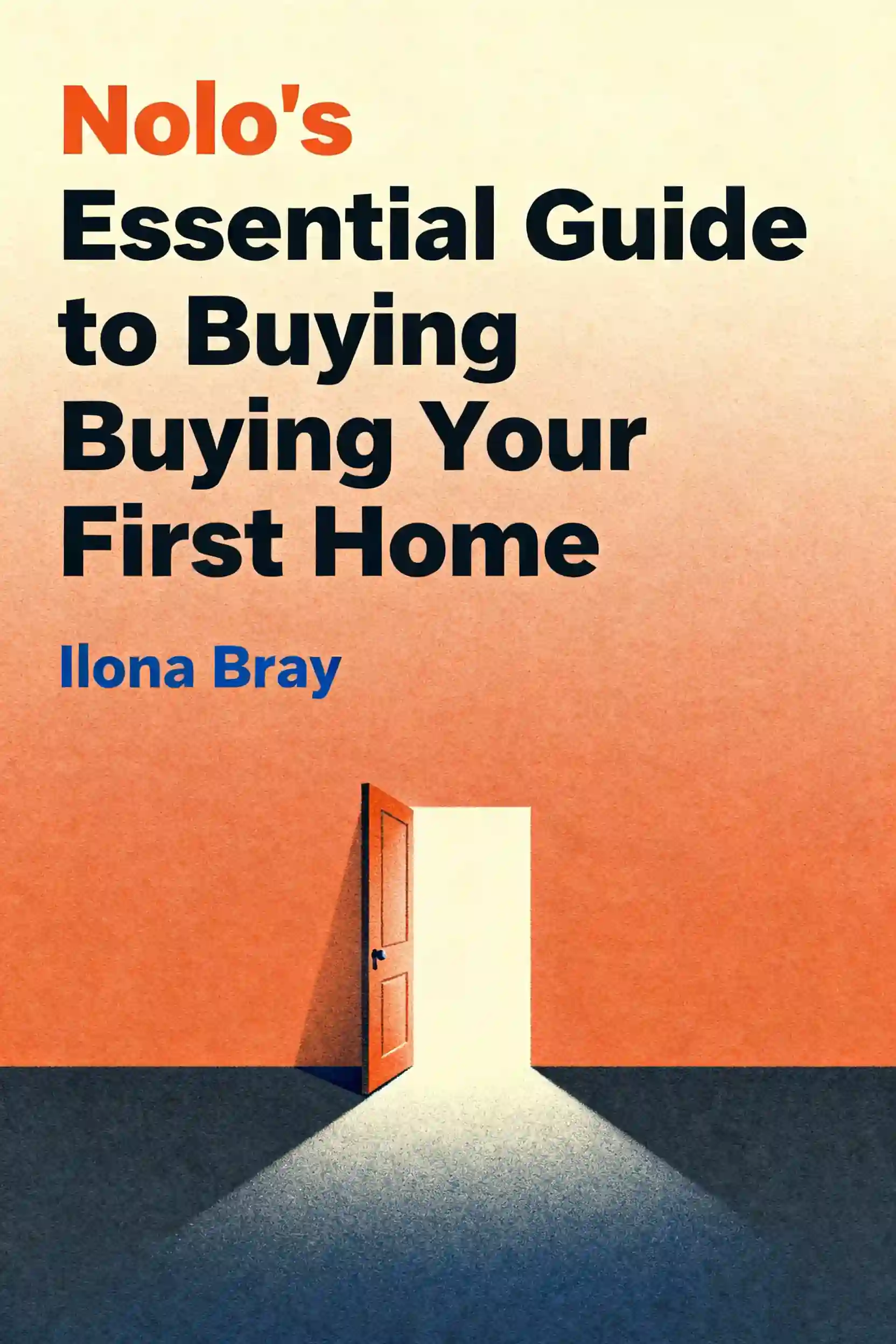
Your home equity is basically the difference between what your home is worth today and how much you still owe on your mortgage. It should be treated like a powerful financial tool, not a convenient way to avoid making tough budget decisions.

This audio lesson was created by a BeFreed community member
Create a lesson entirely based upon what you can use your home equity on and explain it like your talking to a child


Discover more

How to save money
How to save money
This plan is essential for anyone feeling overwhelmed by their finances or struggling to build a safety net. It provides a comprehensive roadmap for individuals looking to transition from basic budgeting to sophisticated wealth creation and long-term financial freedom.

A guide on how to make money as a kid
A guide on how to make money as a kid
This guide is essential for young individuals looking to build financial literacy and entrepreneurial spirit from an early age. It provides a practical roadmap for turning simple ideas into profitable ventures, making it perfect for kids and teens eager to earn their own money.

Plumbing ect
Plumbing ect
This learning plan is essential for homeowners and renters who want to take control of their living spaces and avoid expensive emergency plumber calls. Whether you're buying your first home, want to become more self-reliant, or simply tired of paying hundreds of dollars for simple fixes, these skills provide both immediate cost savings and long-term confidence in managing one of your home's most critical systems.
Money
Money
This learning plan is essential for anyone looking to move beyond basic saving and into active wealth creation. It is designed for individuals seeking to bridge the gap between financial literacy and true independence through psychological shifts and practical investment systems.

Boost literacy & family financial security
Boost literacy & family financial security
This learning plan is essential for parents and guardians who want to move beyond basic survival and build a lasting financial legacy. It provides a comprehensive roadmap for managing current household finances while simultaneously preparing the next generation for financial success.
Habits, Parenting, Social Skills & Investing
Habits, Parenting, Social Skills & Investing
This comprehensive plan bridges the gap between personal discipline, interpersonal success, and financial literacy. It is designed for proactive individuals and parents who want to optimize their daily routines while building a legacy of emotional and financial security.
Build savings for freedom
Build savings for freedom
This learning plan is essential for anyone feeling trapped by financial constraints or seeking to break free from the traditional work-until-retirement model. It's particularly valuable for those who want to take control of their financial future, whether you're just starting to save or ready to accelerate toward early retirement and true lifestyle freedom.
Organize Home & Life for Health & Happiness
Organize Home & Life for Health & Happiness
In an increasingly chaotic world, the connection between our physical environment and mental well-being is vital for personal success. This plan is designed for busy individuals seeking to reclaim their time and health by transforming their living spaces and daily habits into a foundation for happiness.
From Columbia University alumni built in San Francisco
"Instead of endless scrolling, I just hit play on BeFreed. It saves me so much time."


"I never knew where to start with nonfiction—BeFreed’s book lists turned into podcasts gave me a clear path."


"Perfect balance between learning and entertainment. Finished ‘Thinking, Fast and Slow’ on my commute this week."
"Crazy how much I learned while walking the dog. BeFreed = small habits → big gains."
"Reading used to feel like a chore. Now it’s just part of my lifestyle."

"Feels effortless compared to reading. I’ve finished 6 books this month already."
"BeFreed turned my guilty doomscrolling into something that feels productive and inspiring."

"BeFreed turned my commute into learning time. 20-min podcasts are perfect for finishing books I never had time for."
"BeFreed replaced my podcast queue. Imagine Spotify for books — that’s it. 🙌"

"It is great for me to learn something from the book without reading it."
"The themed book list podcasts help me connect ideas across authors—like a guided audio journey."
"Makes me feel smarter every time before going to work"
From Columbia University alumni built in San Francisco
"Instead of endless scrolling, I just hit play on BeFreed. It saves me so much time."
"I never knew where to start with nonfiction—BeFreed’s book lists turned into podcasts gave me a clear path."
"Perfect balance between learning and entertainment. Finished ‘Thinking, Fast and Slow’ on my commute this week."
"Crazy how much I learned while walking the dog. BeFreed = small habits → big gains."
"Reading used to feel like a chore. Now it’s just part of my lifestyle."
"Feels effortless compared to reading. I’ve finished 6 books this month already."
"BeFreed turned my guilty doomscrolling into something that feels productive and inspiring."
"BeFreed turned my commute into learning time. 20-min podcasts are perfect for finishing books I never had time for."
"BeFreed replaced my podcast queue. Imagine Spotify for books — that’s it. 🙌"
"It is great for me to learn something from the book without reading it."
"The themed book list podcasts help me connect ideas across authors—like a guided audio journey."
"Makes me feel smarter every time before going to work"
"Instead of endless scrolling, I just hit play on BeFreed. It saves me so much time."
"I never knew where to start with nonfiction—BeFreed’s book lists turned into podcasts gave me a clear path."
"Perfect balance between learning and entertainment. Finished ‘Thinking, Fast and Slow’ on my commute this week."
"Crazy how much I learned while walking the dog. BeFreed = small habits → big gains."
"Reading used to feel like a chore. Now it’s just part of my lifestyle."
"Feels effortless compared to reading. I’ve finished 6 books this month already."
"BeFreed turned my guilty doomscrolling into something that feels productive and inspiring."
"BeFreed turned my commute into learning time. 20-min podcasts are perfect for finishing books I never had time for."
"BeFreed replaced my podcast queue. Imagine Spotify for books — that’s it. 🙌"
"It is great for me to learn something from the book without reading it."
"The themed book list podcasts help me connect ideas across authors—like a guided audio journey."
"Makes me feel smarter every time before going to work"
"Instead of endless scrolling, I just hit play on BeFreed. It saves me so much time."
"I never knew where to start with nonfiction—BeFreed’s book lists turned into podcasts gave me a clear path."
"Perfect balance between learning and entertainment. Finished ‘Thinking, Fast and Slow’ on my commute this week."
"Crazy how much I learned while walking the dog. BeFreed = small habits → big gains."
"Reading used to feel like a chore. Now it’s just part of my lifestyle."
"Feels effortless compared to reading. I’ve finished 6 books this month already."
"BeFreed turned my guilty doomscrolling into something that feels productive and inspiring."
"BeFreed turned my commute into learning time. 20-min podcasts are perfect for finishing books I never had time for."
"BeFreed replaced my podcast queue. Imagine Spotify for books — that’s it. 🙌"
"It is great for me to learn something from the book without reading it."
"The themed book list podcasts help me connect ideas across authors—like a guided audio journey."
"Makes me feel smarter every time before going to work"


