
Your Brain's Social Learning Hijack
Discover how your brain repurposes its own learning circuits to absorb lessons from others' experiences, revealing the hidden neuroscience behind social learning.

Best quote from Your Brain's Social Learning Hijack
Your brain treats the other person's expression of pain as a 'vicarious reinforcer.' It's like your brain says, 'I can't feel that shock directly, but I can see the consequences of it, and I can use that information just like I would use a direct shock.'

This audio lesson was created by a BeFreed community member
Social neuroscience of learning

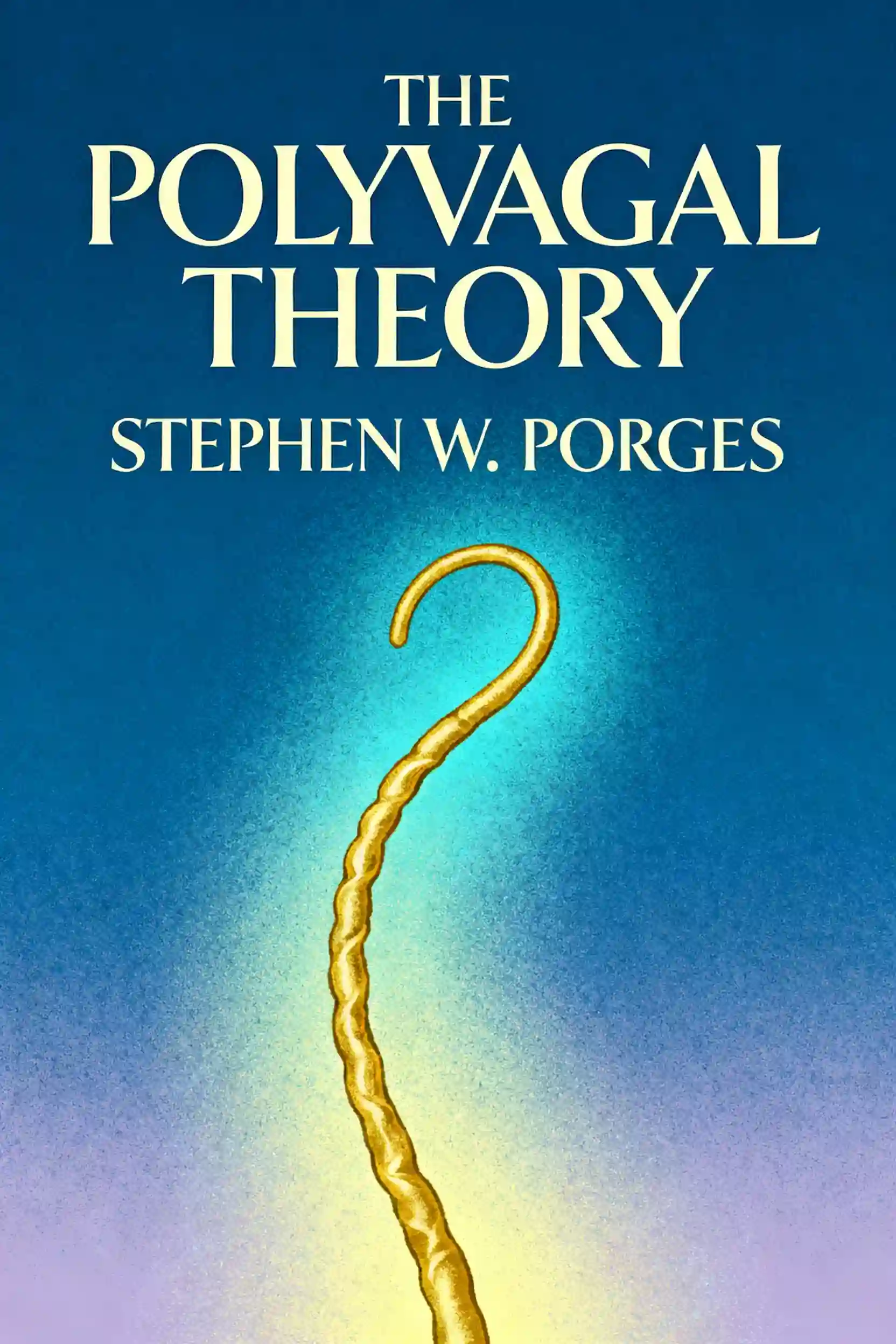
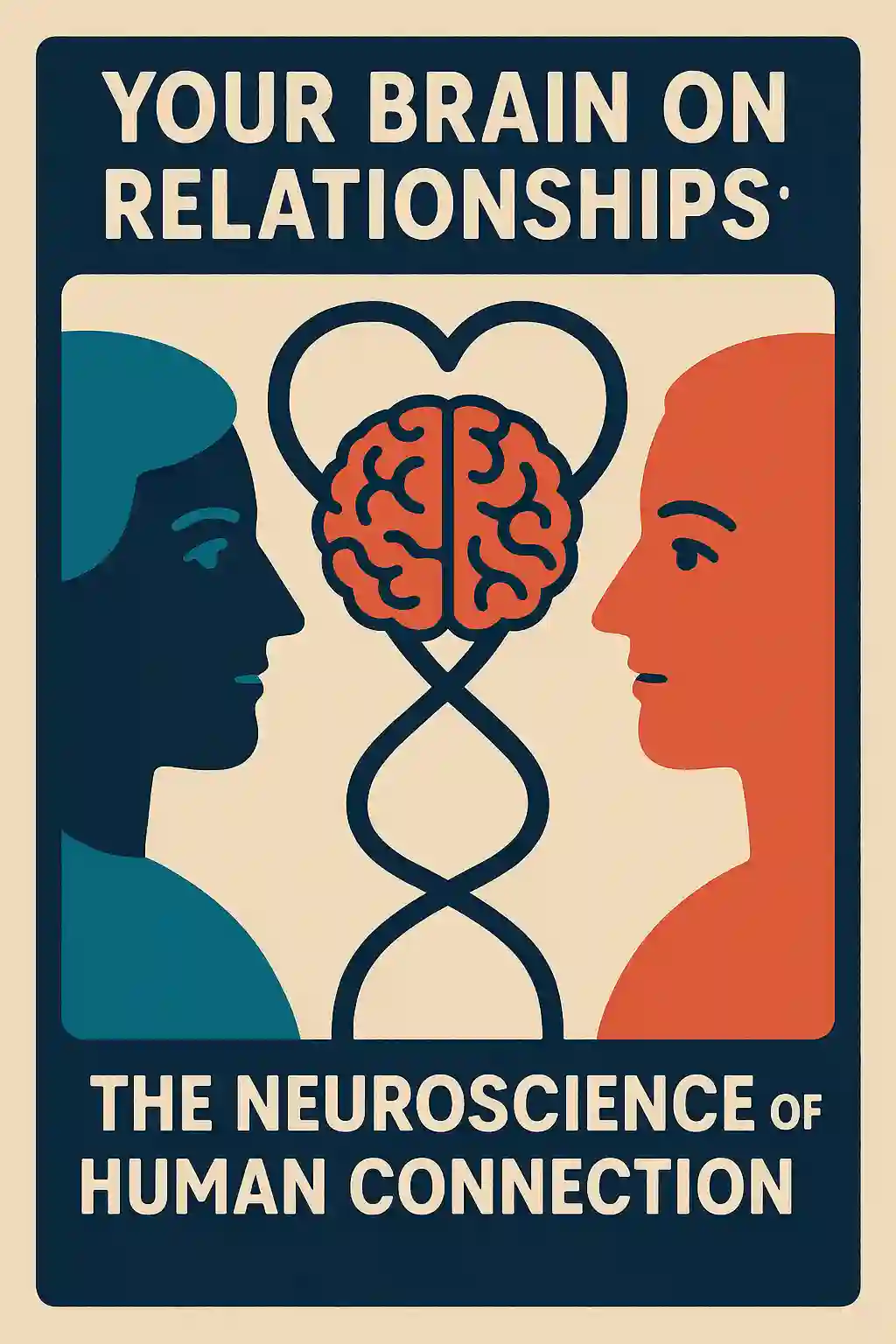
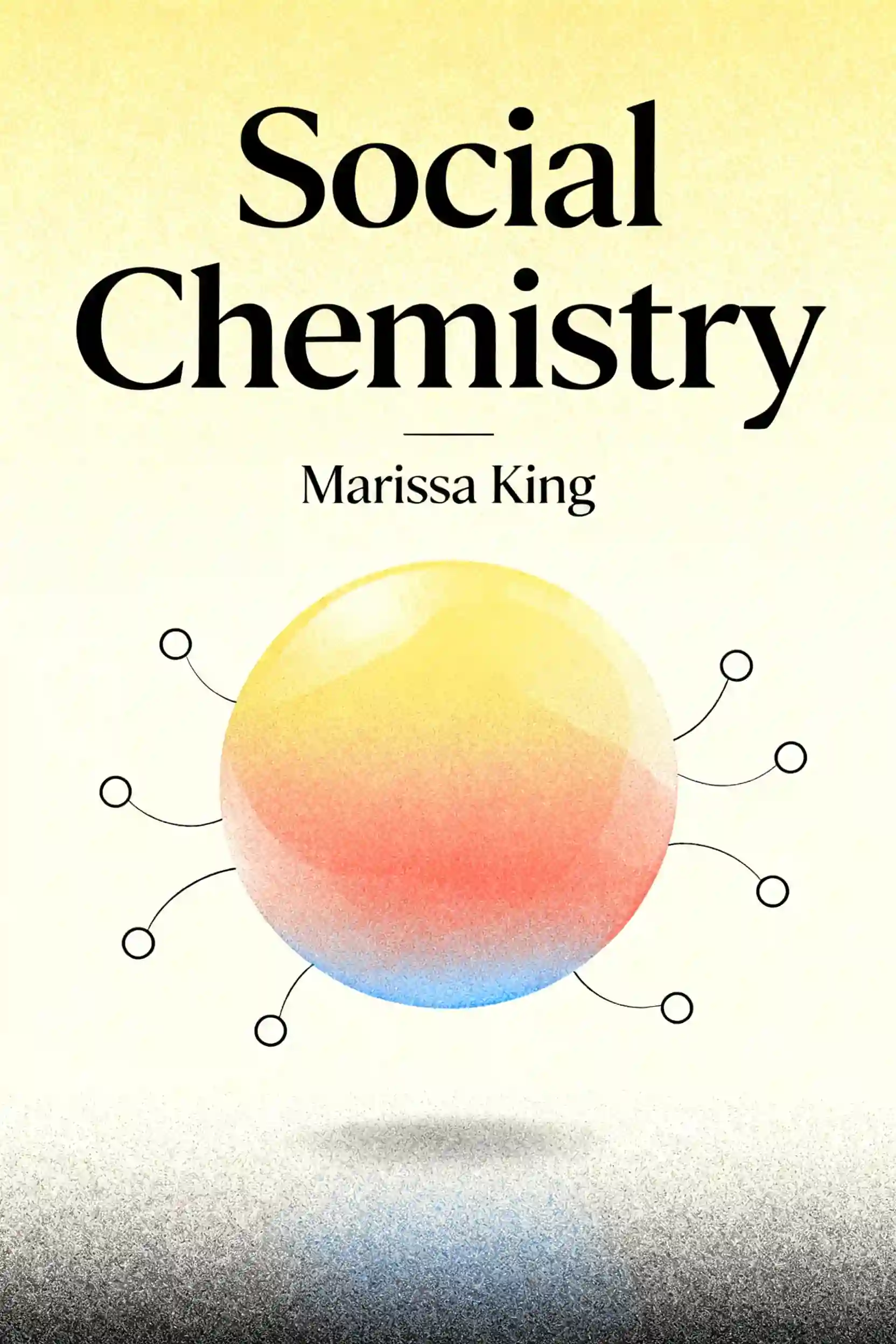
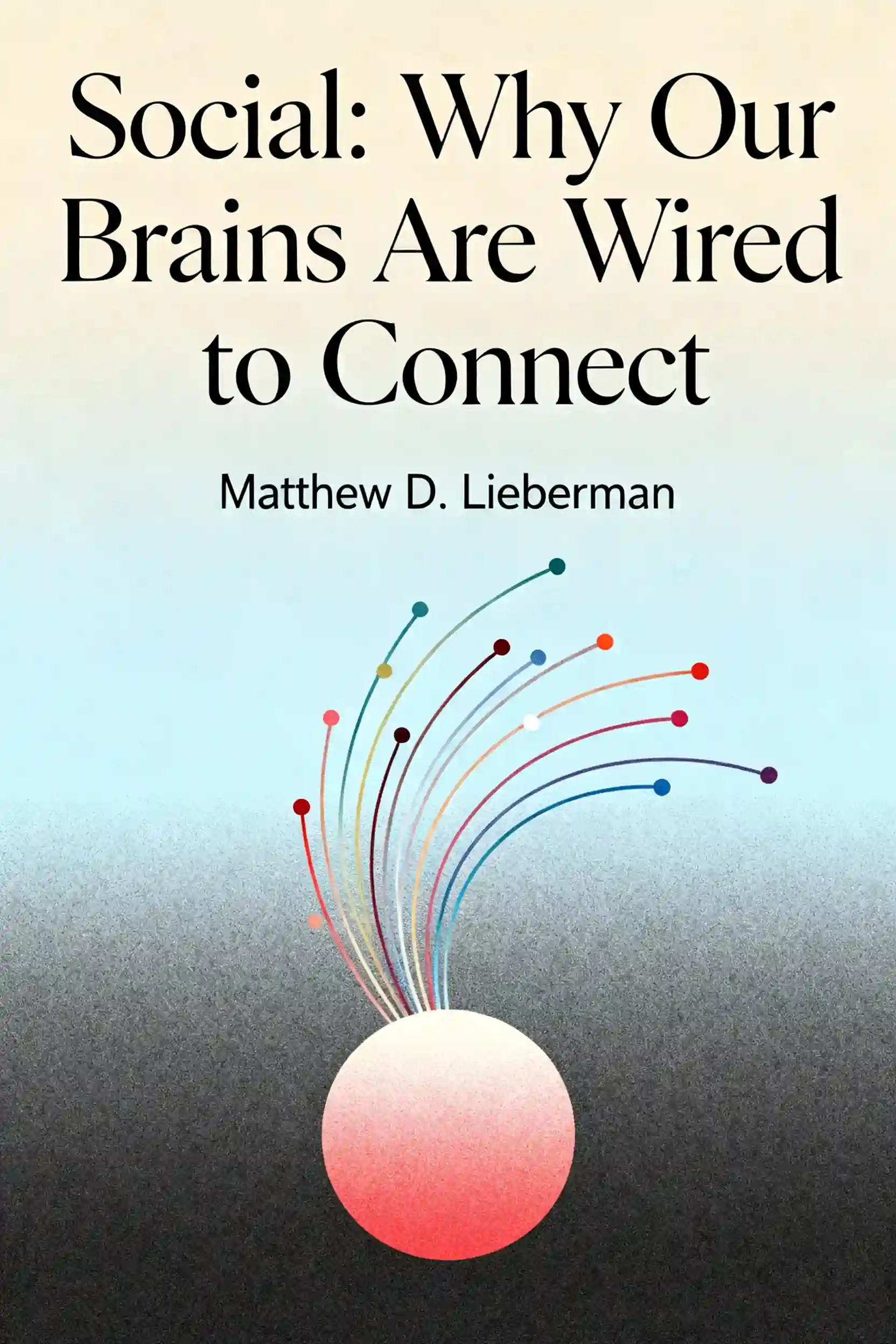
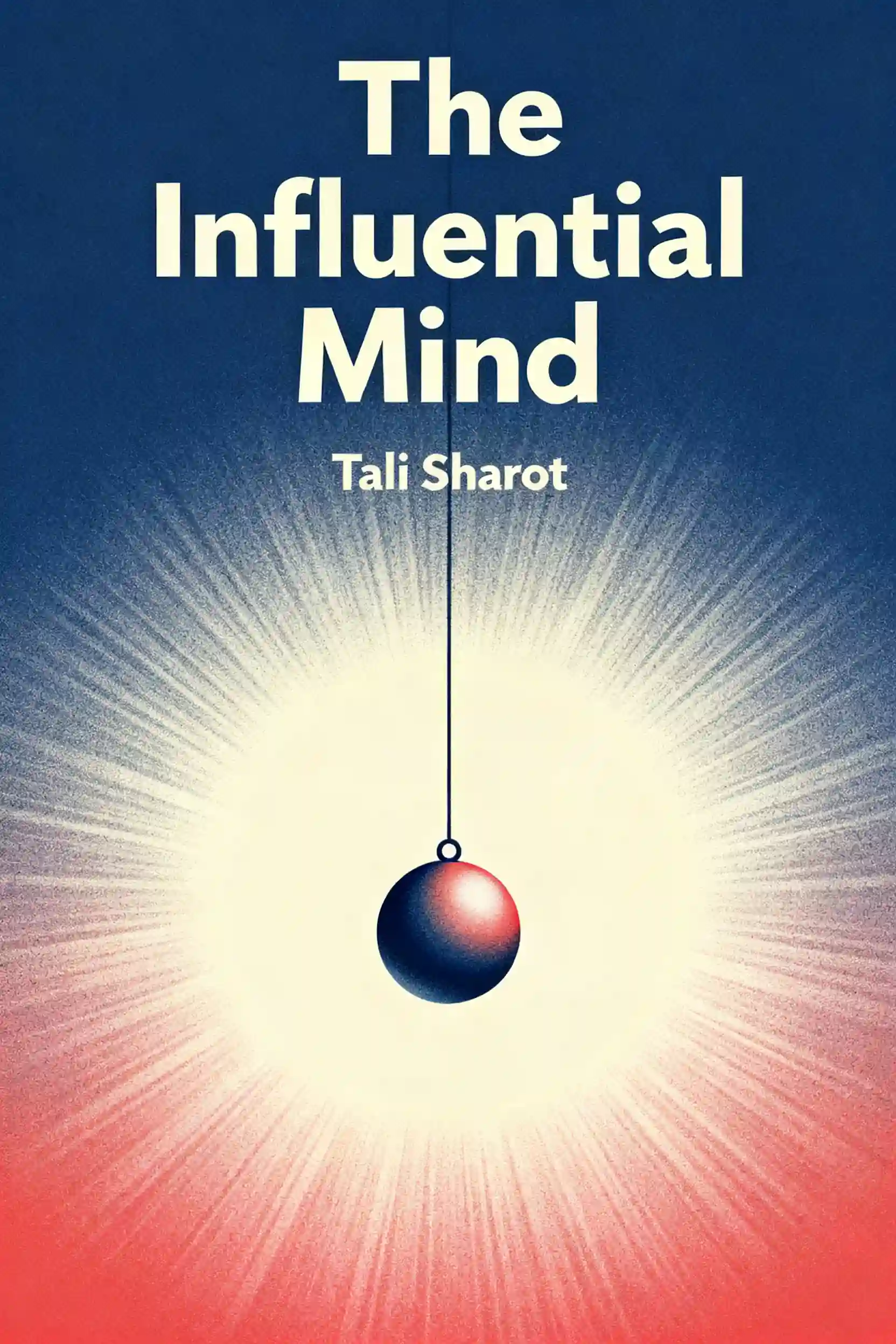
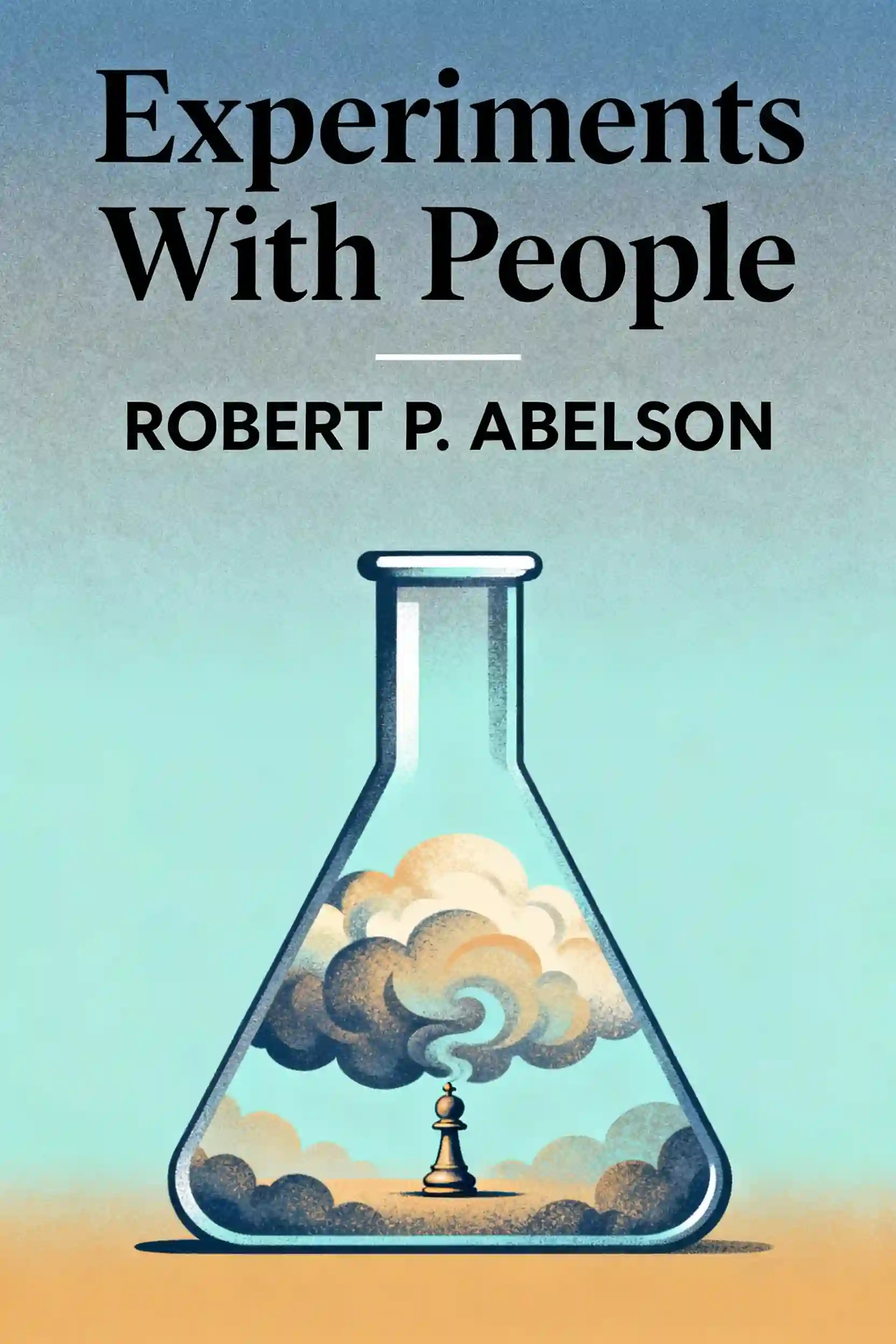
Discover more

Neuroscience, Love & Behavioral Science
Neuroscience, Love & Behavioral Science
This learning plan bridges the gap between biological brain function and social reality, offering a comprehensive look at why we think, love, and act the way we do. It is ideal for professionals, partners, and lifelong learners seeking to master self-awareness and improve their interpersonal influence.
Study Neuro, Behavior, Social & Love Skills
Study Neuro, Behavior, Social & Love Skills
This learning plan bridges the gap between biological hardwiring and social dynamics, offering a comprehensive look at why we act the way we do. It is ideal for anyone looking to improve their emotional intelligence, professional influence, and the depth of their personal relationships.

Human Behavior & Brain Psychology
Human Behavior & Brain Psychology
This learning plan bridges the gap between complex neuroscience and practical social psychology. It is ideal for leaders, communicators, and anyone seeking to master their own mental patterns while better understanding the motivations of those around them.

Love, Social Skills & Neuroscience
Love, Social Skills & Neuroscience
This learning plan bridges the gap between biological brain function and interpersonal success. It is ideal for individuals seeking to improve their emotional intelligence, overcome social anxiety, or transform their romantic life through the lens of neuroscience.

Mind reading
Mind reading
This learning plan bridges the gap between surface-level interaction and deep psychological insight, making it essential for leaders and communicators. It is designed for anyone looking to enhance their social intelligence and master the art of reading human behavior through scientific observation.
Understand others mental processes
Understand others mental processes
This plan bridges the gap between cognitive neuroscience and practical social skills, offering a blueprint for high-level interpersonal influence. It is essential for leaders, negotiators, and anyone looking to master the art of reading people and predicting behavior in professional settings.
Understanding people
Understanding people
This learning plan provides a comprehensive framework for decoding the complexities of human interaction and psychological drivers. It is ideal for leaders, communicators, and anyone looking to enhance their social intelligence through the lenses of neuroscience and behavioral science.

Catch brain sabotage patterns while learning
Catch brain sabotage patterns while learning
Many learners struggle with invisible mental barriers that stall their growth despite having the right resources. This plan is designed for students and professionals who want to master their psychology, dismantle perfectionism, and build a resilient system for rapid skill acquisition.
From Columbia University alumni built in San Francisco
"Instead of endless scrolling, I just hit play on BeFreed. It saves me so much time."


"I never knew where to start with nonfiction—BeFreed’s book lists turned into podcasts gave me a clear path."


"Perfect balance between learning and entertainment. Finished ‘Thinking, Fast and Slow’ on my commute this week."
"Crazy how much I learned while walking the dog. BeFreed = small habits → big gains."
"Reading used to feel like a chore. Now it’s just part of my lifestyle."

"Feels effortless compared to reading. I’ve finished 6 books this month already."
"BeFreed turned my guilty doomscrolling into something that feels productive and inspiring."

"BeFreed turned my commute into learning time. 20-min podcasts are perfect for finishing books I never had time for."
"BeFreed replaced my podcast queue. Imagine Spotify for books — that’s it. 🙌"

"It is great for me to learn something from the book without reading it."
"The themed book list podcasts help me connect ideas across authors—like a guided audio journey."
"Makes me feel smarter every time before going to work"
From Columbia University alumni built in San Francisco
"Instead of endless scrolling, I just hit play on BeFreed. It saves me so much time."
"I never knew where to start with nonfiction—BeFreed’s book lists turned into podcasts gave me a clear path."
"Perfect balance between learning and entertainment. Finished ‘Thinking, Fast and Slow’ on my commute this week."
"Crazy how much I learned while walking the dog. BeFreed = small habits → big gains."
"Reading used to feel like a chore. Now it’s just part of my lifestyle."
"Feels effortless compared to reading. I’ve finished 6 books this month already."
"BeFreed turned my guilty doomscrolling into something that feels productive and inspiring."
"BeFreed turned my commute into learning time. 20-min podcasts are perfect for finishing books I never had time for."
"BeFreed replaced my podcast queue. Imagine Spotify for books — that’s it. 🙌"
"It is great for me to learn something from the book without reading it."
"The themed book list podcasts help me connect ideas across authors—like a guided audio journey."
"Makes me feel smarter every time before going to work"
"Instead of endless scrolling, I just hit play on BeFreed. It saves me so much time."
"I never knew where to start with nonfiction—BeFreed’s book lists turned into podcasts gave me a clear path."
"Perfect balance between learning and entertainment. Finished ‘Thinking, Fast and Slow’ on my commute this week."
"Crazy how much I learned while walking the dog. BeFreed = small habits → big gains."
"Reading used to feel like a chore. Now it’s just part of my lifestyle."
"Feels effortless compared to reading. I’ve finished 6 books this month already."
"BeFreed turned my guilty doomscrolling into something that feels productive and inspiring."
"BeFreed turned my commute into learning time. 20-min podcasts are perfect for finishing books I never had time for."
"BeFreed replaced my podcast queue. Imagine Spotify for books — that’s it. 🙌"
"It is great for me to learn something from the book without reading it."
"The themed book list podcasts help me connect ideas across authors—like a guided audio journey."
"Makes me feel smarter every time before going to work"
"Instead of endless scrolling, I just hit play on BeFreed. It saves me so much time."
"I never knew where to start with nonfiction—BeFreed’s book lists turned into podcasts gave me a clear path."
"Perfect balance between learning and entertainment. Finished ‘Thinking, Fast and Slow’ on my commute this week."
"Crazy how much I learned while walking the dog. BeFreed = small habits → big gains."
"Reading used to feel like a chore. Now it’s just part of my lifestyle."
"Feels effortless compared to reading. I’ve finished 6 books this month already."
"BeFreed turned my guilty doomscrolling into something that feels productive and inspiring."
"BeFreed turned my commute into learning time. 20-min podcasts are perfect for finishing books I never had time for."
"BeFreed replaced my podcast queue. Imagine Spotify for books — that’s it. 🙌"
"It is great for me to learn something from the book without reading it."
"The themed book list podcasts help me connect ideas across authors—like a guided audio journey."
"Makes me feel smarter every time before going to work"


